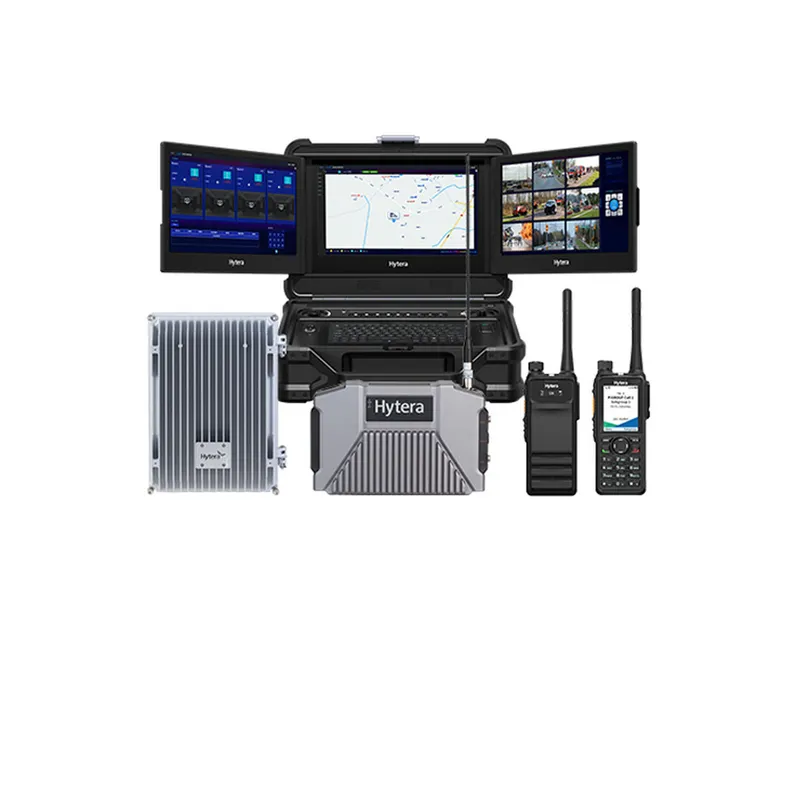
Hytera Ad Hoc Repeater Solution


DMR (Digital Mobile Radio) is the ETSI TS 102 361 standard for professional digital radio. Two-slot TDMA carries two conversations in one 12.5 kHz channel, adds text, GPS and individual calling, and keeps voice intelligible to the edge of coverage. TechnoRF designs, licenses and maintains Hytera DMR systems in Turkey.
Hytera Ad Hoc Repeater Solution
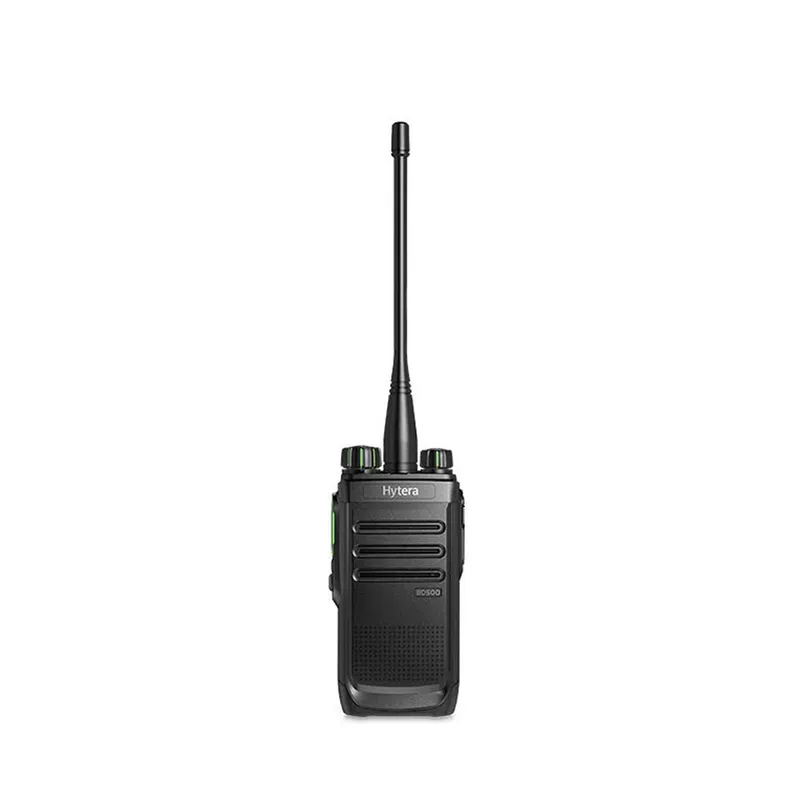
Hytera BD505 Professional DMR Handportable Radio
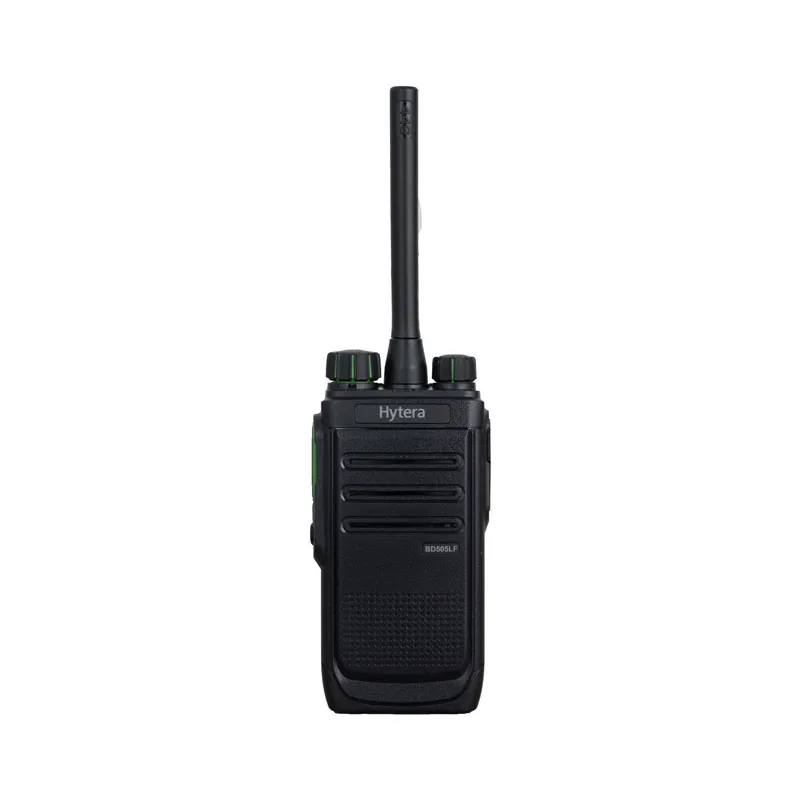
Hytera BD505LF Licence-Free DMR Handportable Radio
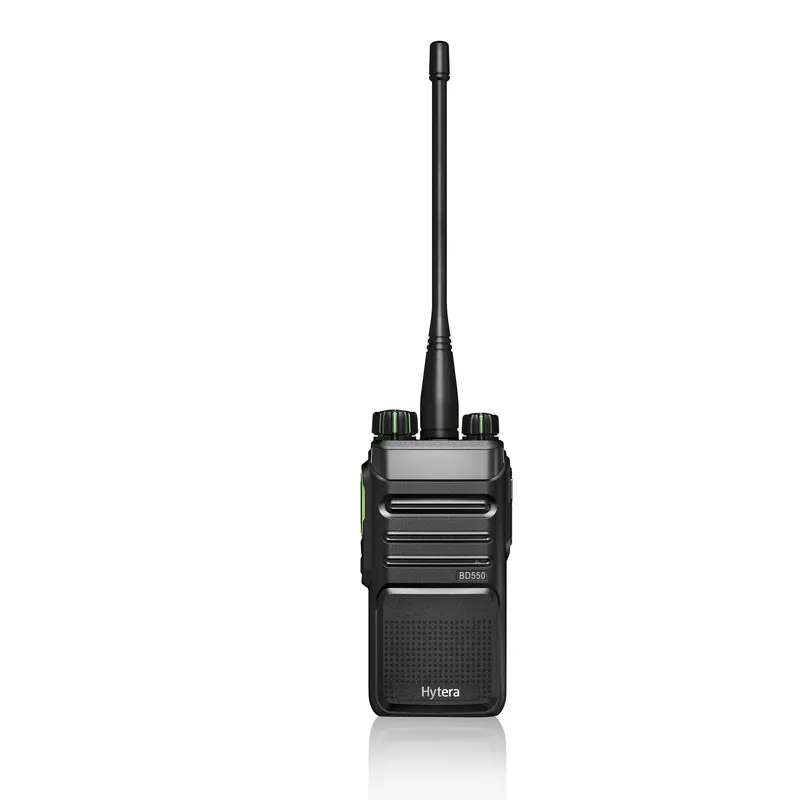
Hytera BD555 Professional DMR Handportable Radio
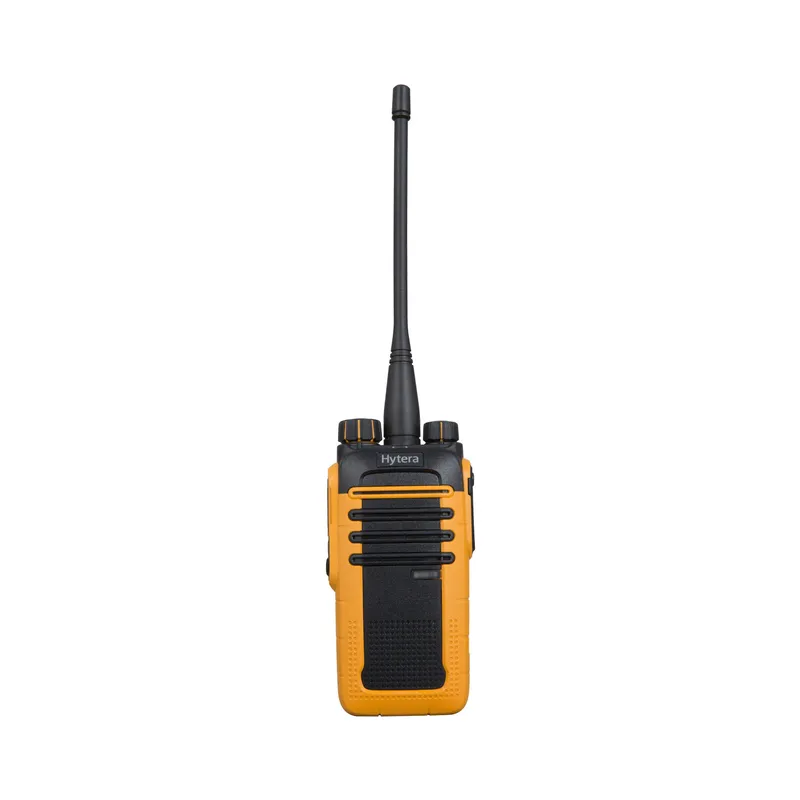
Hytera BD619 Professional DMR Handportable Radio
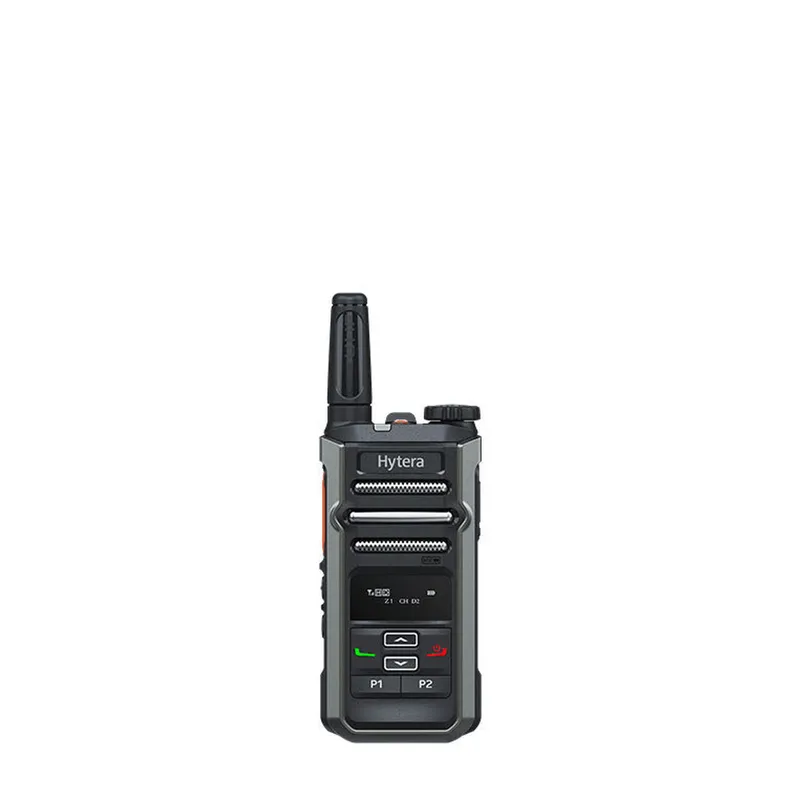
Hytera BP365 Professional DMR Handportable Radio
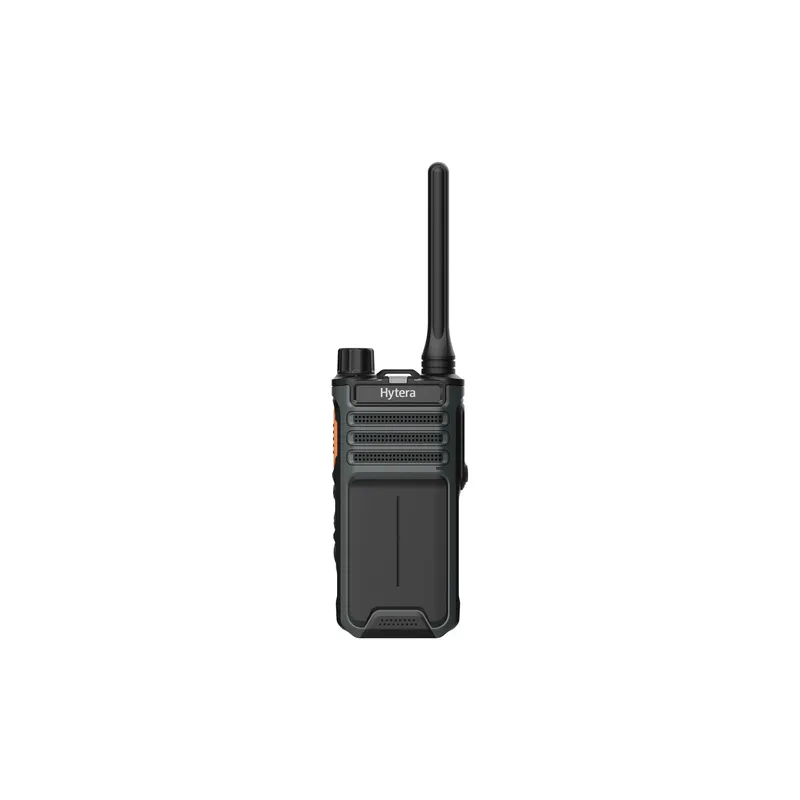
Hytera BP519 Professional DMR Handportable Radio
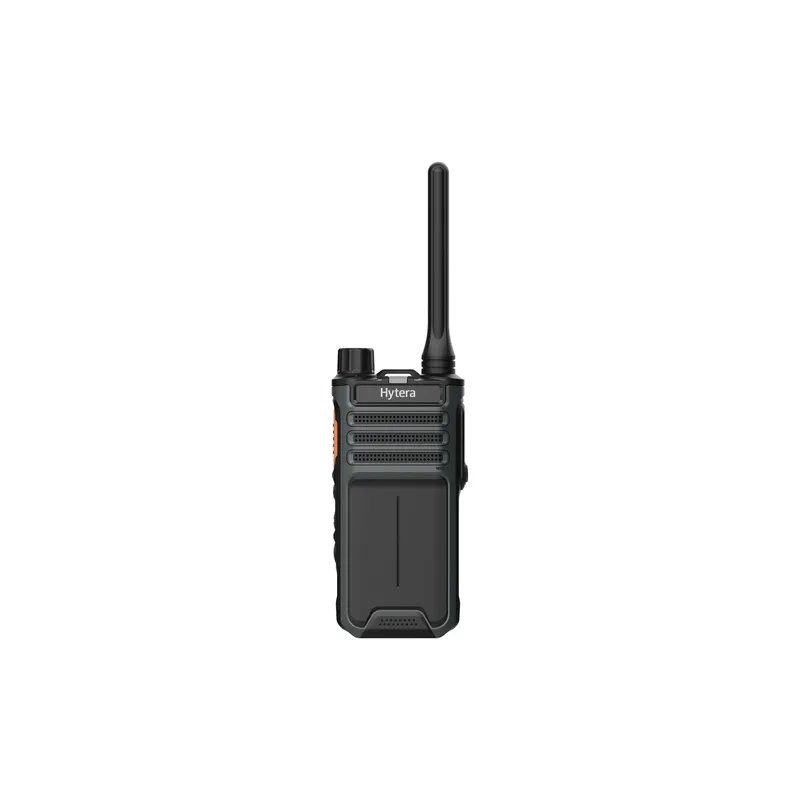
Hytera BP519LF Professional Licence-Free DMR Handportable Radio
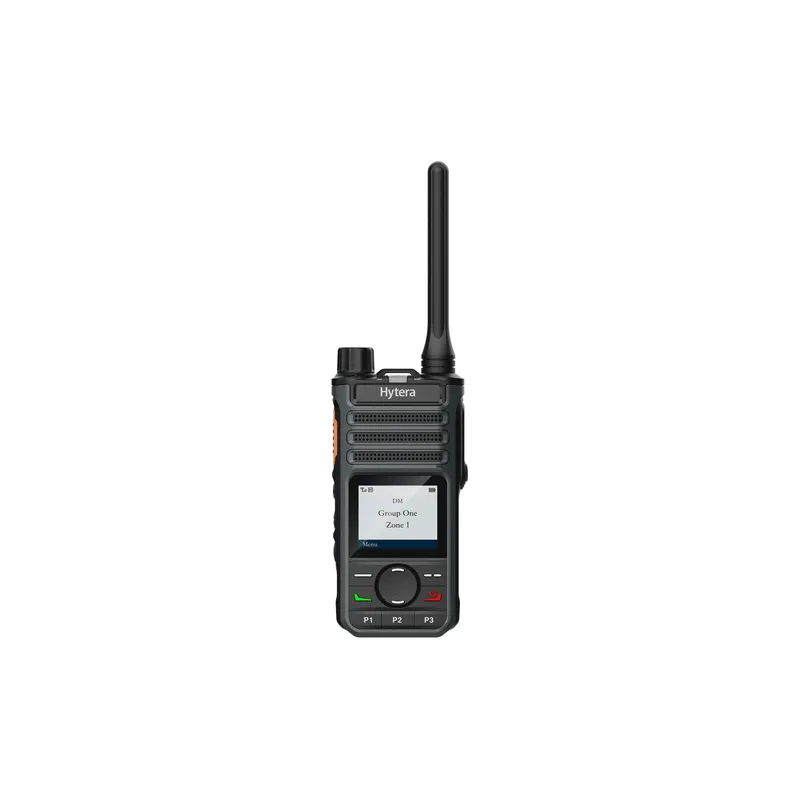
Hytera BP569 Professional DMR Handportable Radio
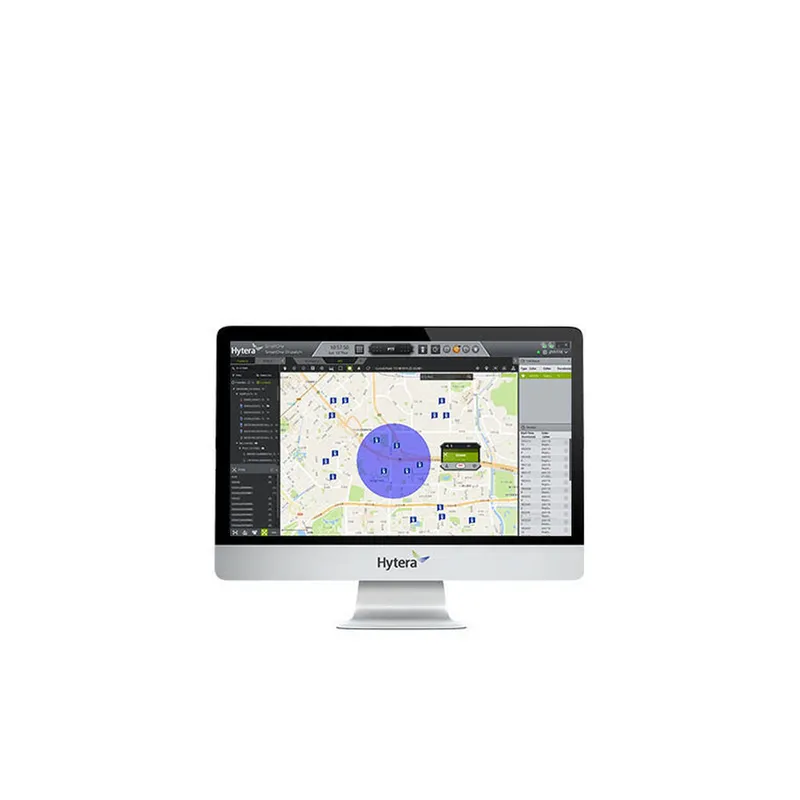
Hytera Dispatch System for Conventional DMR
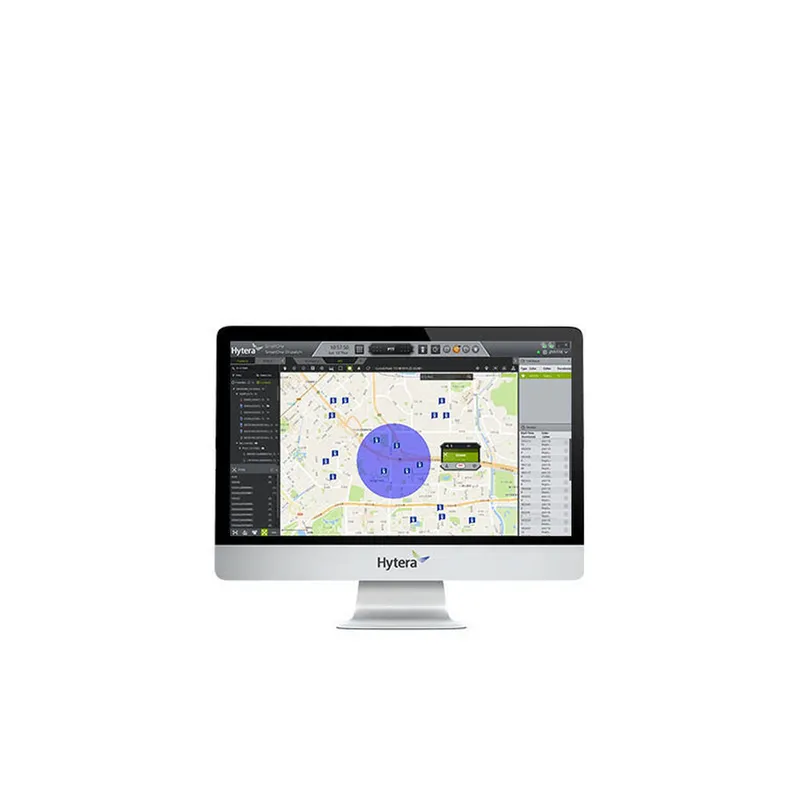
Hytera Dispatch System for XPT
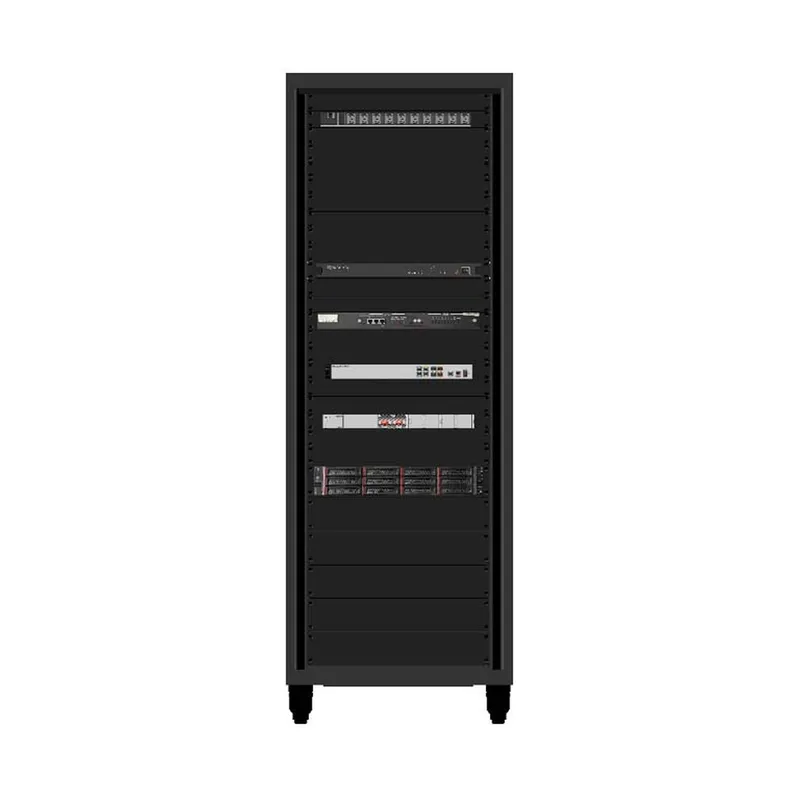
Hytera DMR Trunking MSO Mobile Switching Office

Ankara University Hospital — HP5 Series Digital Migration

Baburtech — Licence-Free Digital Migration

Bolu AİBÜ Faculty of Medicine — Campus Radio Coverage

Bolu Municipality — Emergency Repeater During Snow Operations
Çevre Industrial Estate Cooperative — Site-Wide Coordination
Denizli RWE Energy — DMR System Maintenance and Optimisation
EÜAŞ Kiğı Hydroelectric Plant — Radio Infrastructure Renewal

Flora Dental Clinics — Silent Communication in Clinical Areas
FYT Engineering — Site Communication and Fleet Tracking

Galataport Istanbul — Mixed-Use Site Communication

Harakani State Hospital — Analogue to Digital Migration

Hatay Provincial Health Directorate — Antakya State Hospital Security
İçerik ADR Dangerous Goods Safety Consultancy — Field Inspection Radio

İzmir Fair (İZFAŞ) — Battery Fleet Renewal

Karaman Special Provincial Administration — Repeater Restoration

Kocaeli Körfez State Hospital — Digital Code Management

Mersin University Hospital — Code White Response

Mersin University — Repeater-Backed Campus Digital Network

Ondokuz Mayıs University — Civil Defence Communication
Prof. Dr. Feriha Öz Emergency Hospital — Continuous Operation
Sancaktepe İlhan Varank Training and Research Hospital

Sigun Mining — Site Communication in Hard Conditions

Simora Engineering — Fleet Refurbishment Instead of Replacement

Uzunköprü Municipality — Private Secretariat Coordination
DMR is the most widely deployed professional digital radio standard in industry, and for most Turkish sites moving off analogue it is the default answer. It is defined by ETSI TS 102 361, which means the air interface is public and multi-vendor rather than proprietary.
A DMR channel is 12.5 kHz wide, like an analogue narrowband channel. The difference is what happens inside it: the channel is divided in time into two alternating slots of 30 milliseconds each. Two conversations run in parallel on one frequency, one per slot.
That single fact drives most of the economics. One repeater and one licensed frequency pair now carry the traffic that previously needed two.
The second difference is at the receiver. An analogue receiver amplifies whatever arrives, noise included, so speech degrades gradually into hiss as the user walks away from the repeater. A DMR receiver decodes a bit stream and applies error correction, so speech stays clean and then, at the very edge, breaks up. Usable range for a given power is measurably longer, and the boundary is far sharper.
| Tier | What it is | Where it fits |
|---|---|---|
| Tier I | Licence-free 446 MHz, fixed power and antenna | Very small teams, no infrastructure |
| Tier II | Licensed conventional, direct or via repeater | The large majority of industrial sites |
| Tier III | Licensed trunking with a control channel | Large fleets, many groups, several sites |
Tier II is where most projects belong. Users select a channel; if that channel is busy they wait. That is acceptable while the number of simultaneous conversations stays well below the number of slots available. When it does not, the answer is DMR Tier III trunking or XPT.
Man-down and lone worker are frequently the reason a site moves to digital in the first place. They are a safety control, not a convenience feature, and they are what an occupational-safety auditor asks about.
Choosing a radio model is the last step, not the first. The order that works:
1. Requirement analysis — how many users, in how many groups, working across what area 2. Site survey and coverage analysis — terrain, structures, antenna positions available 3. System design — number of repeaters, slot plan, group and talkgroup structure 4. Frequency planning and BTK licence application 5. Installation, programming and commissioning 6. Coverage verification measurement and handover documentation
Skipping step 2 is the most expensive mistake in radio projects, because the shortfall only becomes visible after the equipment is bought and installed.
Sites are linked over IP where a corporate network already reaches them, over microwave links where it does not, and by simulcast where a single channel must be radiated from several sites at once. Enclosed volumes — tunnels, basements, underground car parks — need dedicated indoor coverage rather than more transmit power.
A DMR system is infrastructure, and it is judged over years rather than at handover. TechnoRF covers firmware versions, programming changes as the organisation reorganises, antenna and feeder checks, power and battery replacement, fault response and coverage re-verification after building work.
Every project is handed over documented: architecture diagram, channel and talkgroup plan, radio-to-user mapping by serial number, coverage report, licence file and maintenance schedule. That documentation is what allows the system to be extended by someone else in five years. See company profile for the full process, or get in touch.
Three things measurably. Channel capacity doubles, because two-slot TDMA carries two independent conversations in one 12.5 kHz channel. Voice stays intelligible further out, because the receiver reconstructs the digital bit stream instead of amplifying noise. And the radio carries data — text messages, GPS position, individual calls, remote disable — which analogue cannot.
Basic voice and group calls under ETSI TS 102 361 are interoperable, so a Hytera radio and another vendor’s radio can talk on the same Tier II channel. Advanced features are not: trunking control, encryption, telemetry and dispatch integration are implemented per manufacturer. In practice a mixed-vendor system works for voice and fails for everything else.
Yes. Professional radios operating on allocated frequencies require a licence from BTK, the Information and Communication Technologies Authority. Operating without one is an administrative offence under Law No. 5809. TechnoRF prepares the frequency application and follows it through to allocation.
Yes. Most Hytera DMR repeaters and radios support mixed mode, in which the repeater accepts both analogue and digital traffic on the same channel. Departments move across in stages instead of the whole site switching in one night. Mixed mode costs one of the two time slots, so it is a transition state, not a destination.
The Hytera product range, TechnoRF engineering, installation, maintenance, technical service and business continuity planning — brought together into a system designed for how your operation actually works.
We deliver not only what you need, but more than you expect .