Healthcare


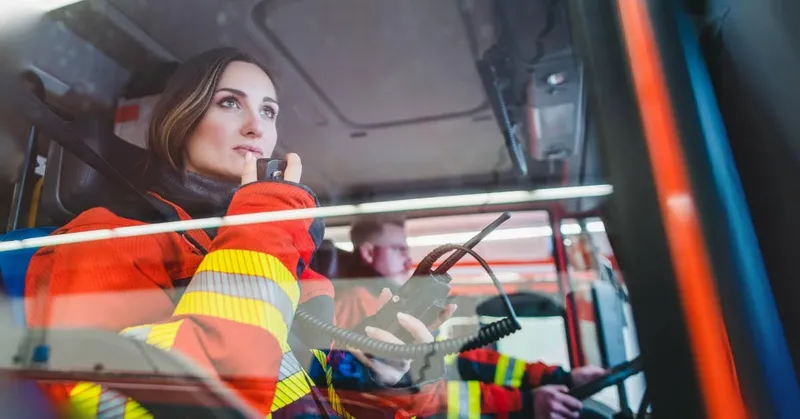
Ambulance communication is mission critical because a delayed message has a clinical consequence. The design has three links — control room to vehicle, vehicle to crew away from it, and crew to receiving hospital — and the crew-on-foot link is the one most often left unaddressed.
Ambulance communication is treated as mission critical for a reason that is not rhetorical: the interval between a message being sent and understood has a clinical consequence. A system that works most of the time is a system that fails during the calls that matter.
Designing an ambulance system means designing three separate paths, each with its own failure mode.
Control room to vehicle. Dispatch, task assignment, status updates, position. This is the link everyone specifies.
Vehicle to crew away from it. The crew has parked and walked into a building, a flat, a factory or a roadside. This is the link most often missing.
Crew to receiving hospital. Pre-alert so the receiving department is prepared before arrival.
Each has different coverage requirements, and the handover between them is where systems disappoint.
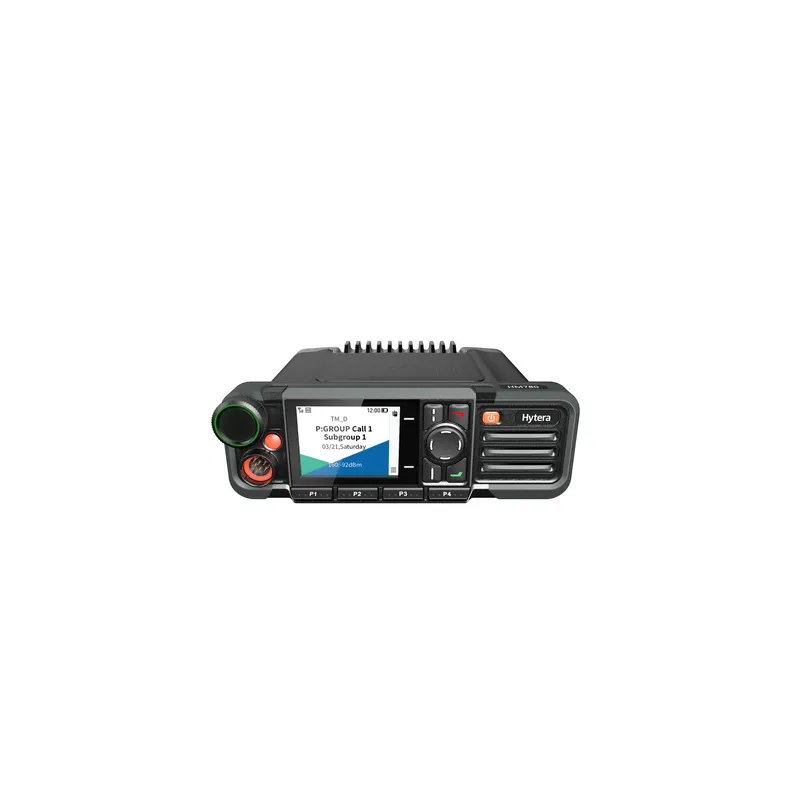
The vehicle radio is the backbone, and its performance is decided by the installation rather than by the model.
An external antenna on the roof, on metal, near the centre, gives a full-size efficient element two metres up with the roof as its ground plane. That is worth far more than the difference between a 25 W and a 50 W radio, and it is what makes vehicle coverage two to four times a handset's.
The installation details that decide whether that is realised:
Identical radios in two vehicles, one fitted well and one not, differ in usable range by a factor that surprises people who assume the radio is the variable. The reasoning is in portable versus mobile radios.
A crew that leaves the vehicle leaves the radio. They are now in a stairwell, a basement flat, a factory or a lift, dealing with the reason they were dispatched, and they have no way to reach the control room, the second crew member or the driver.
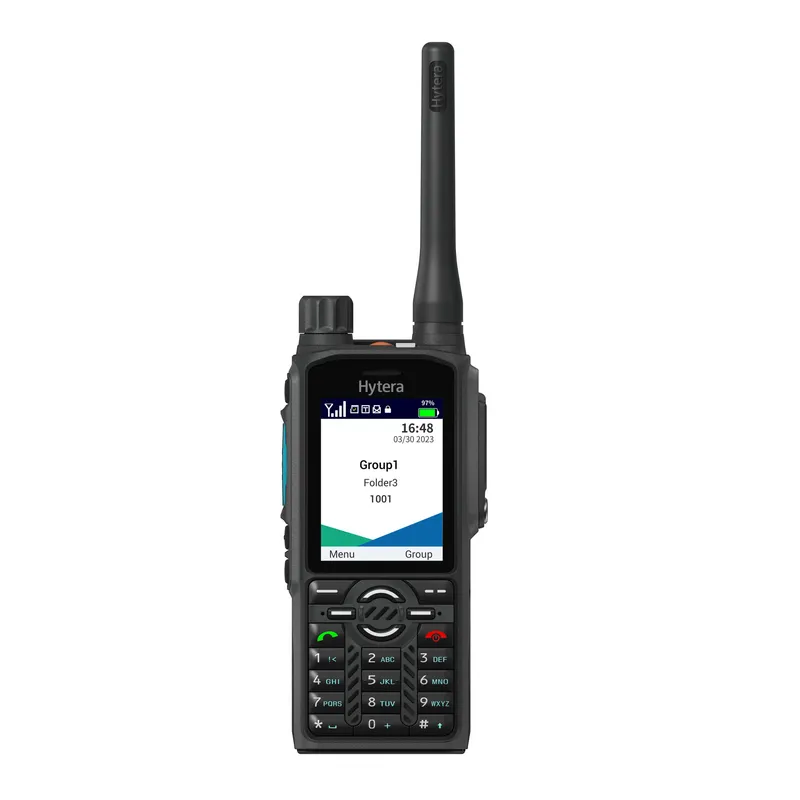
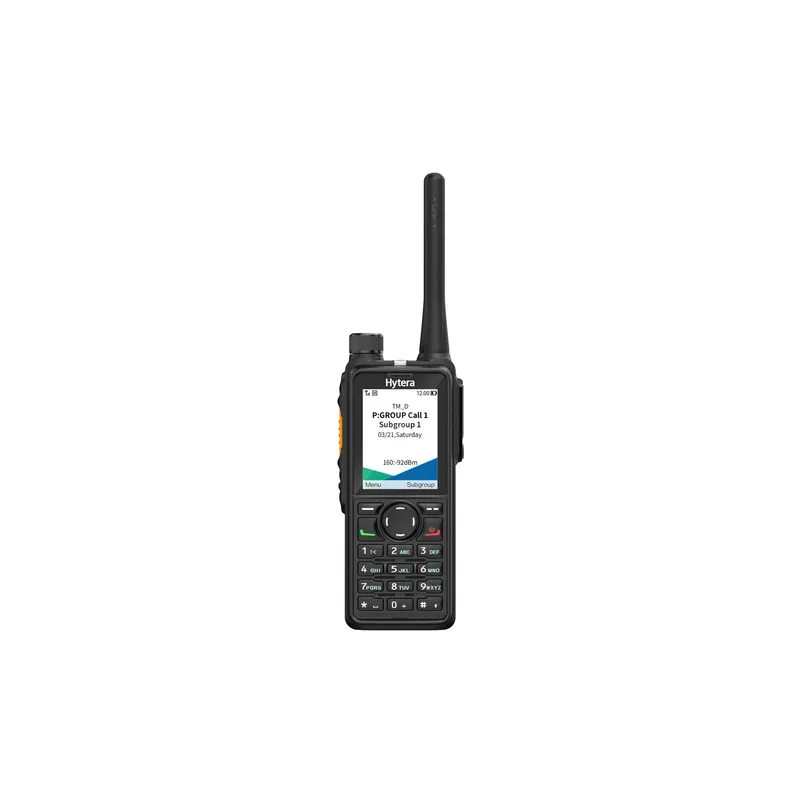
The answer is a handset per crew member, on the same talkgroups as the vehicle, able to reach the infrastructure independently rather than through the vehicle. Where the building defeats the handset — deep basements, lift cars, large hospital blocks — the answer is the building's own coverage, which is a hospital estate matter rather than an ambulance one, and worth raising with the sites a service attends often.
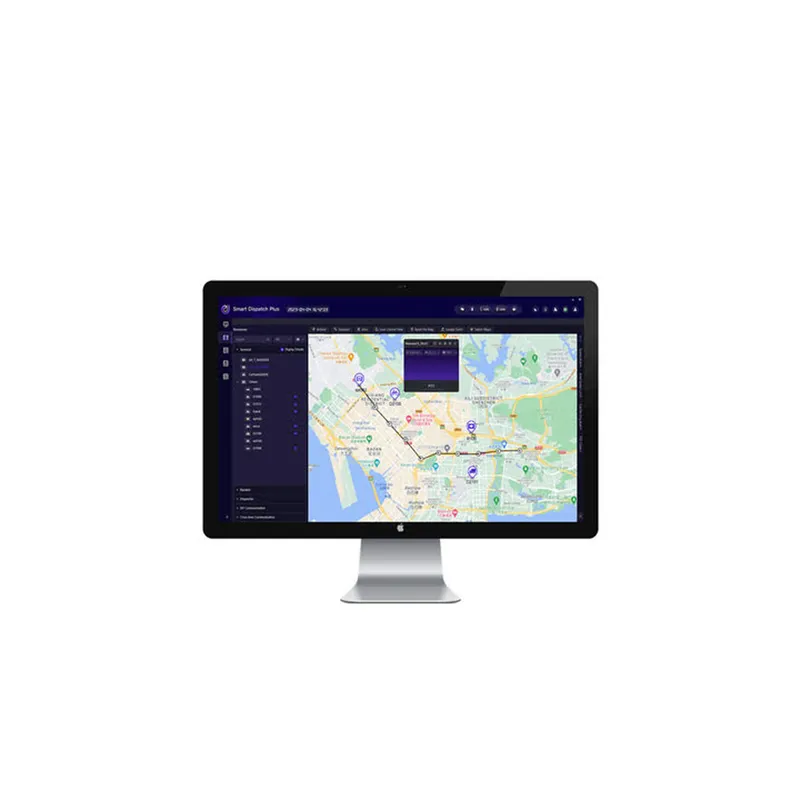
DMR with a dispatch system covers most private and regional operations well: individual and group calls, position reporting, text, emergency alarm with automatic identification, encryption, and a control position that sees the fleet on a map. Proportionate, affordable and adequate.
TETRA is the right answer where the service is part of public emergency provision: sub-300-millisecond call setup, priority and pre-emption so a critical call displaces routine traffic, encryption on the air interface, and a network engineered so losing one site degrades coverage rather than ending it.
PoC adds national reach and rich dispatch mapping without infrastructure, which suits long-distance transfers and inter-city work. It is an addition, not a foundation, because it stops where the mobile network stops — and major incidents are exactly when cellular networks congest.
The dispatch position is where the value concentrates:
Specify the acknowledgement path as deliberately as the alarm itself. An alarm that arrives and is not acknowledged is a system that has not worked.
An ambulance service covers a geography rather than a site, so coverage is designed as a network: repeater sites chosen by survey, linked over IP, with the deliberate overlap that makes handover between them clean.
Two properties matter more here than in commercial systems. Graceful degradation — losing one site should leave a hole, not a blackout, and handsets should fall back to direct mode. And backup power on every site with a stated runtime, because the events that cause power failures are the events that generate calls.
Test the coverage on the routes and at the addresses the service actually attends, not on a map.
Because a call is one to one, takes seconds to place, needs a free hand and cannot be heard by the rest of the team. A crew arriving at an incident needs the control room, the other crew member and sometimes a second vehicle to hear the same thing at once. Radio does that; a telephone call cannot.
On the link between the crew and the vehicle. Fleets equipped only with vehicle radios lose contact the moment the crew walks into a building — which is exactly when they are working, possibly in a basement or on a high floor, and most likely to need help. Handsets for every crew member close that gap.
For a national or regional emergency service, usually yes: guaranteed call setup under load, priority and pre-emption, encryption as standard and graceful degradation when a site fails. For a private patient-transport operator covering a city, well-designed DMR with a dispatch system is normally proportionate.
As an addition rather than a foundation. PoC gives national reach and rich dispatch mapping over the cellular network, which suits long-distance transfers. It stops where the network stops — basements, underground car parks, congested areas during a major incident — which is precisely when an ambulance service needs it most.
The Hytera product range, TechnoRF engineering, installation, maintenance, technical service and business continuity planning — brought together into a system designed for how your operation actually works.
We deliver not only what you need, but more than you expect .