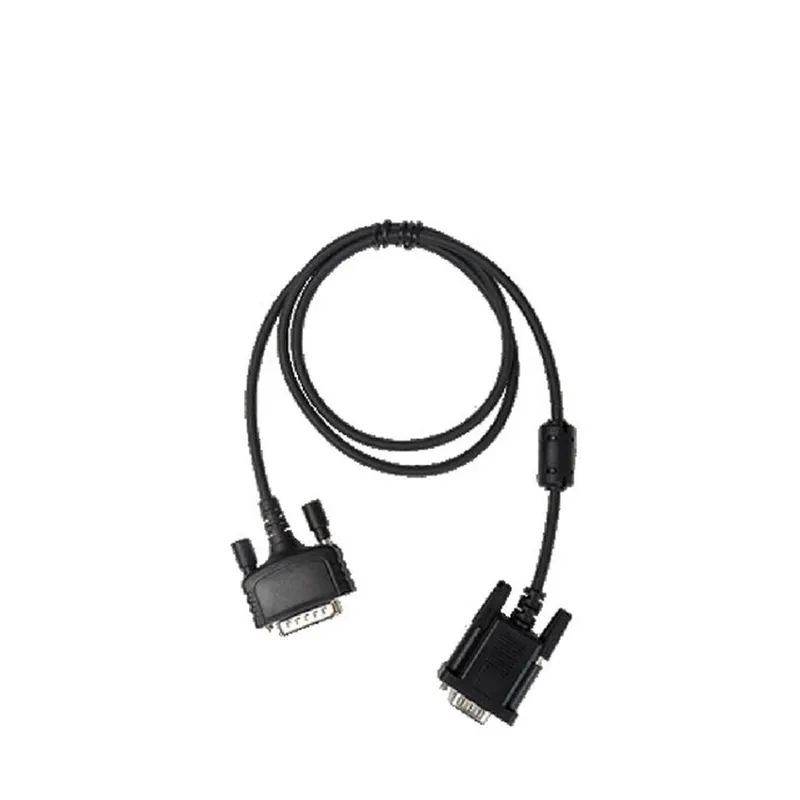
Hytera PC142 Back-to-Back Cable for Wireless Link


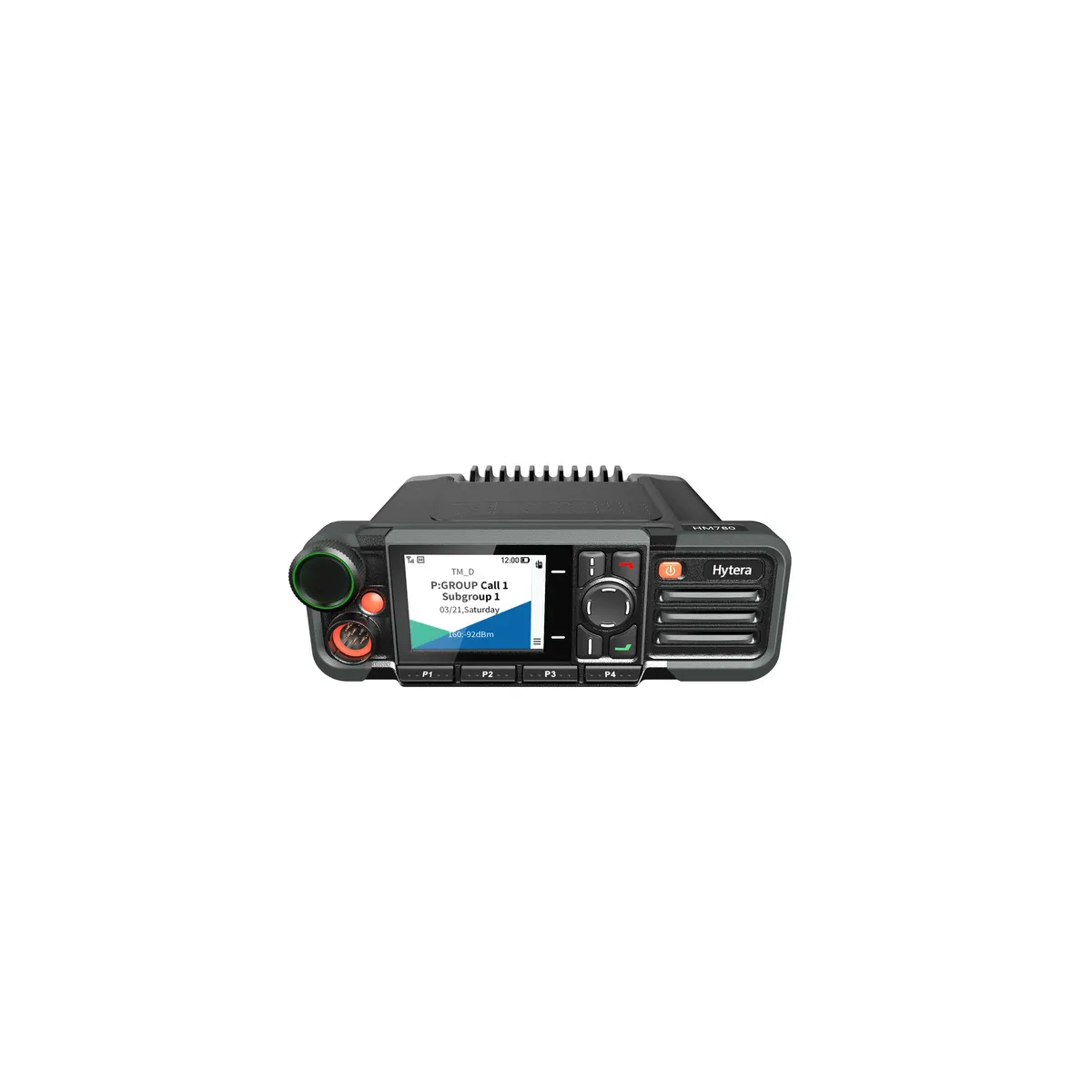
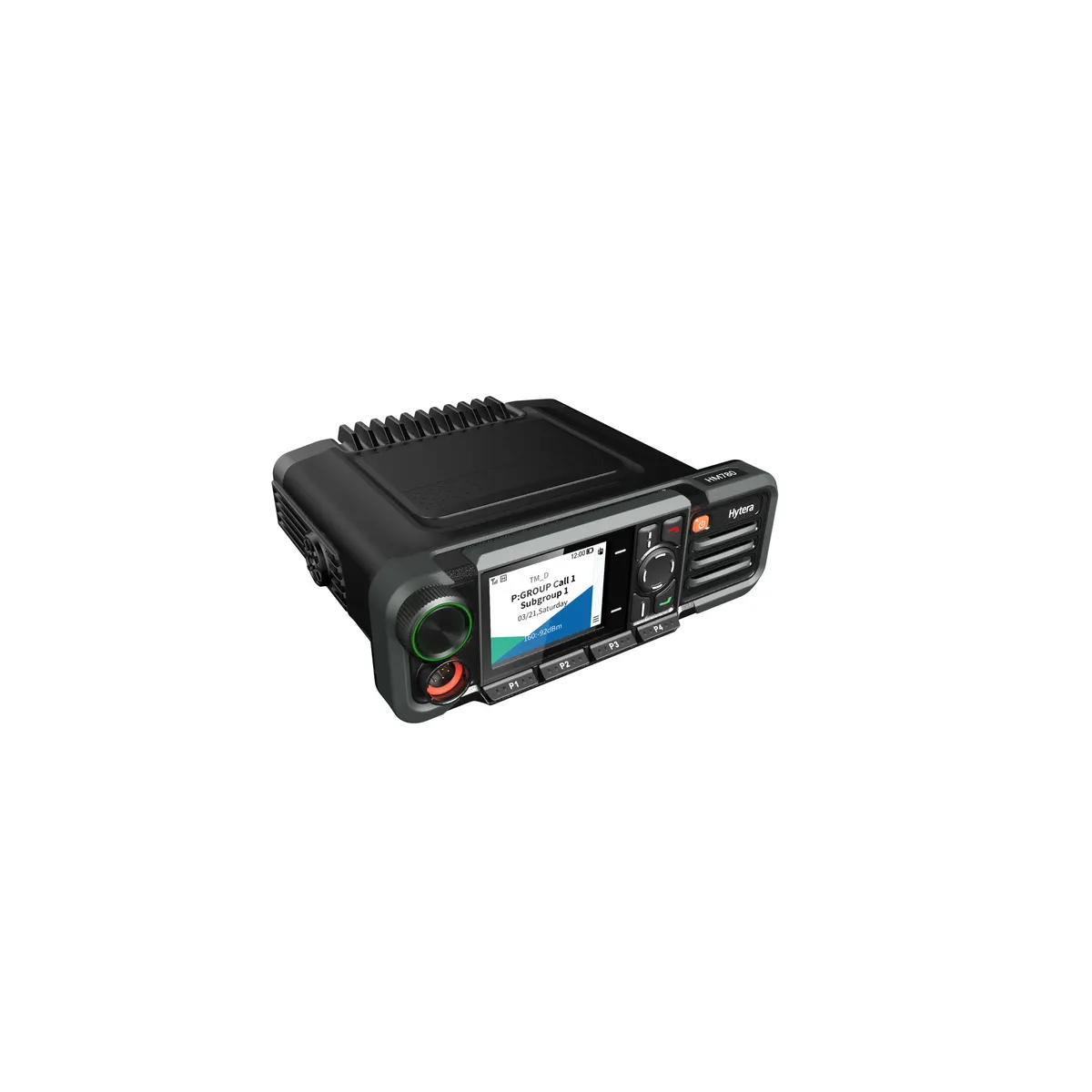
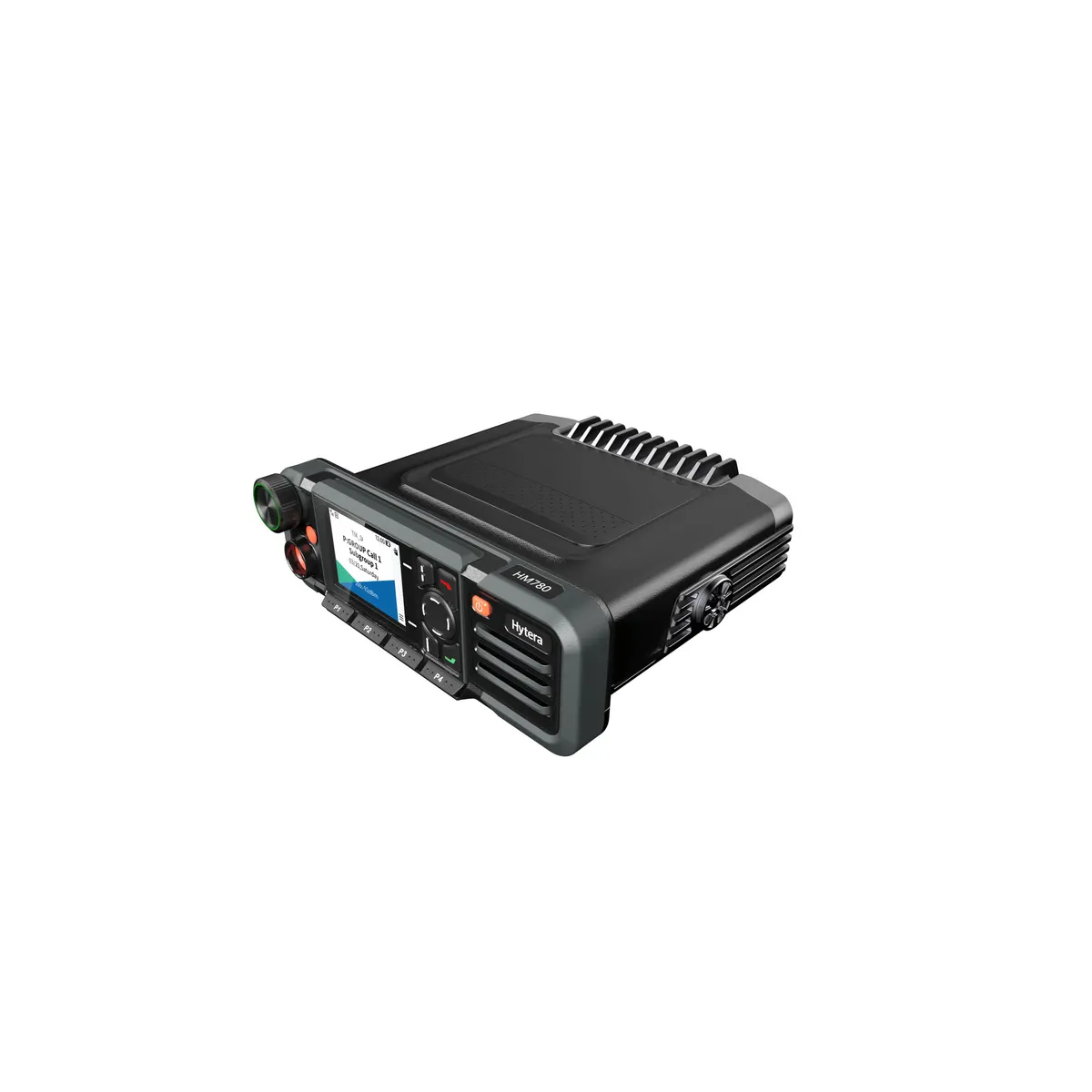
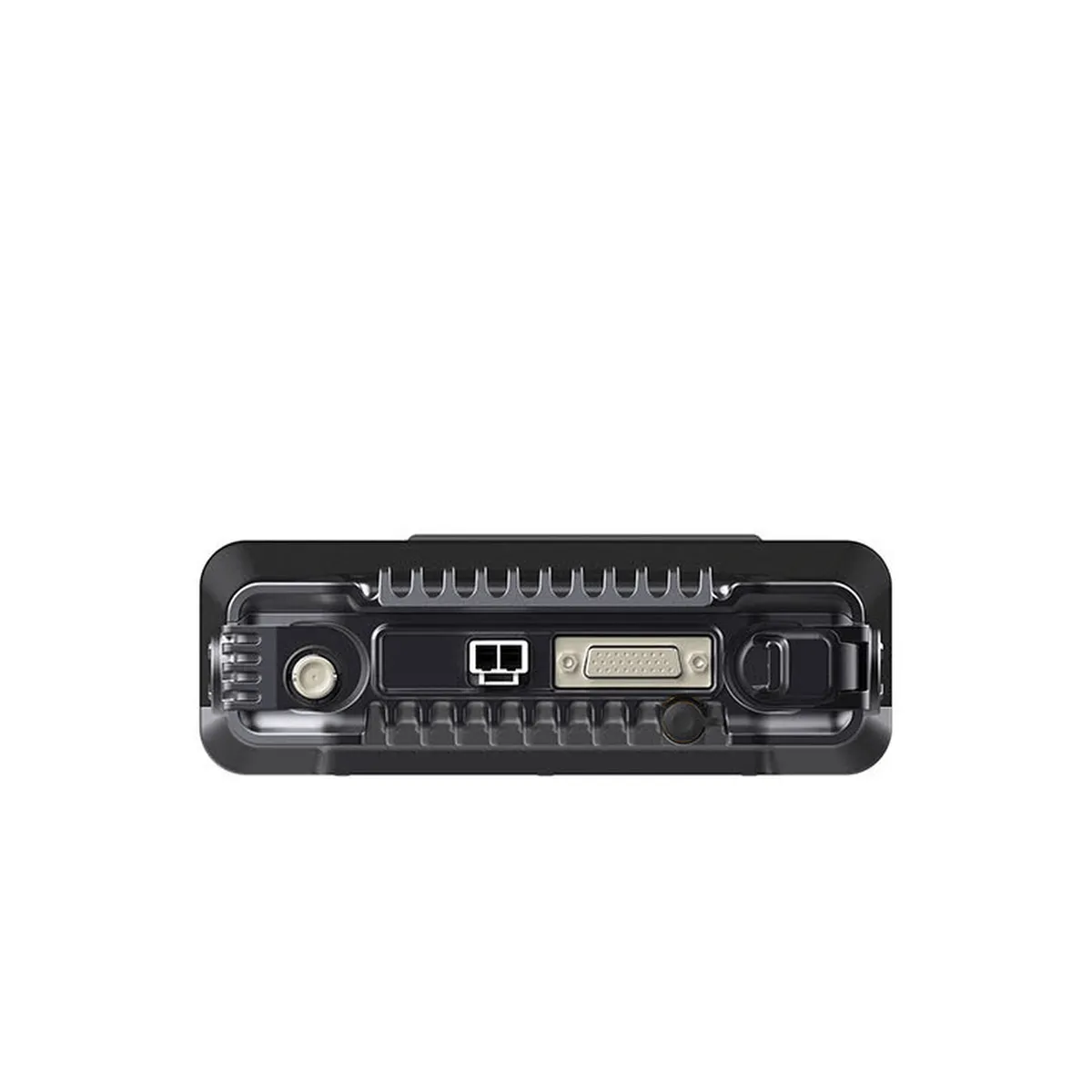
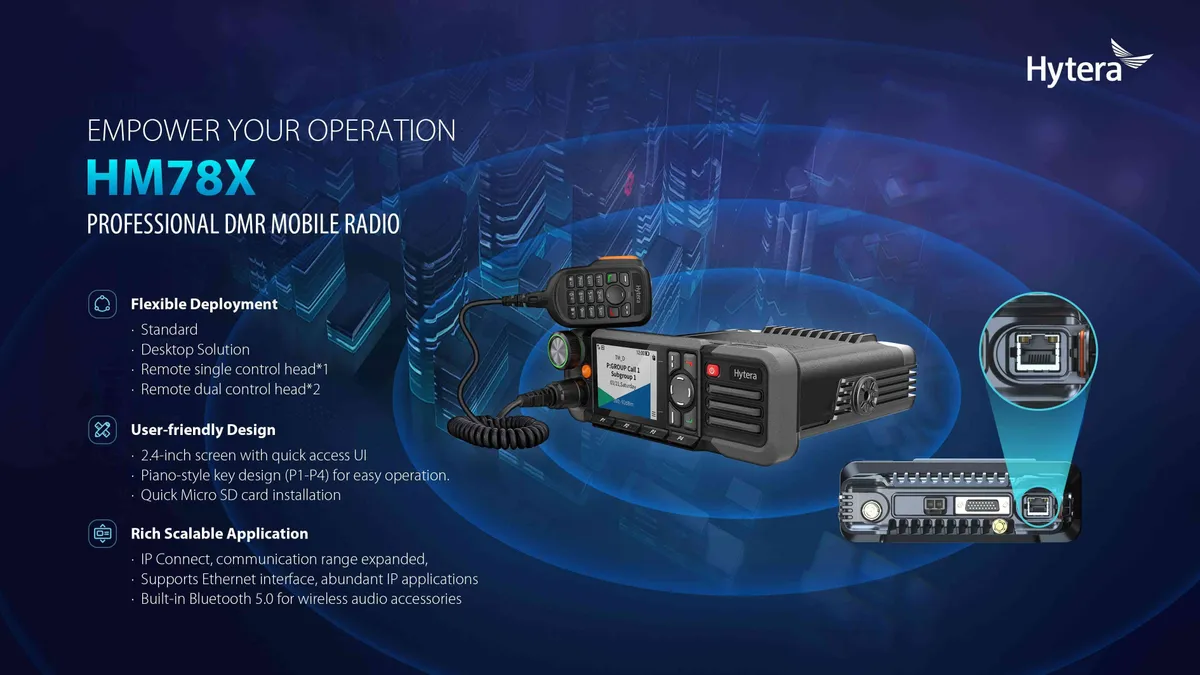
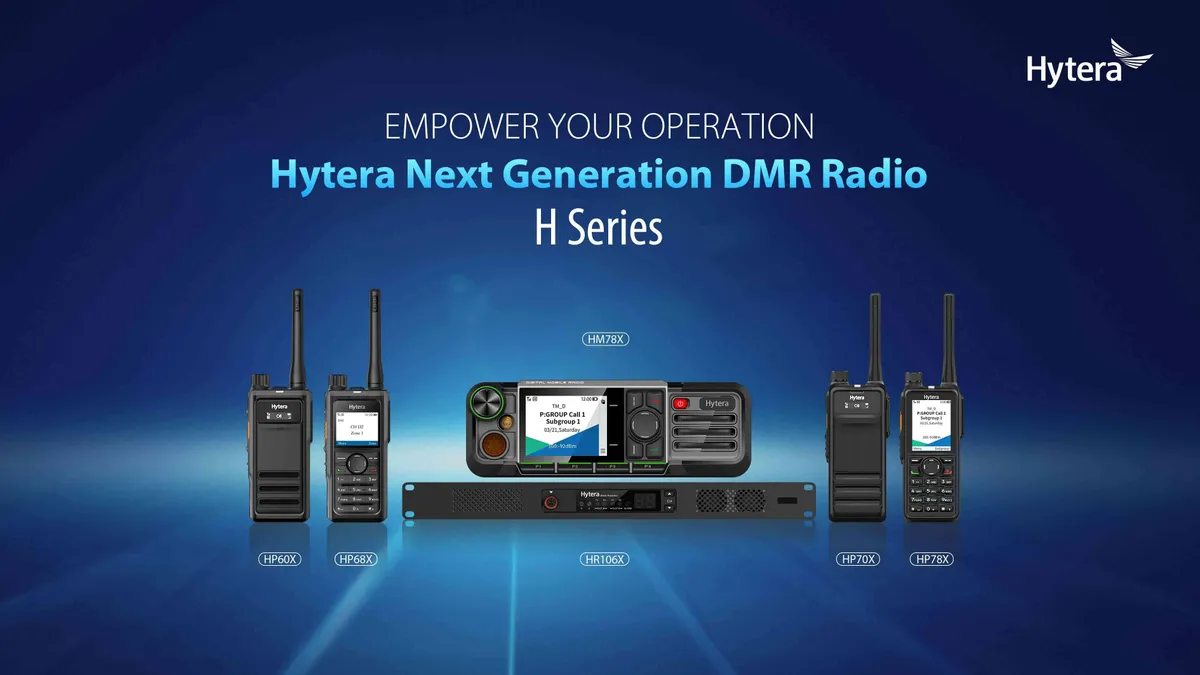
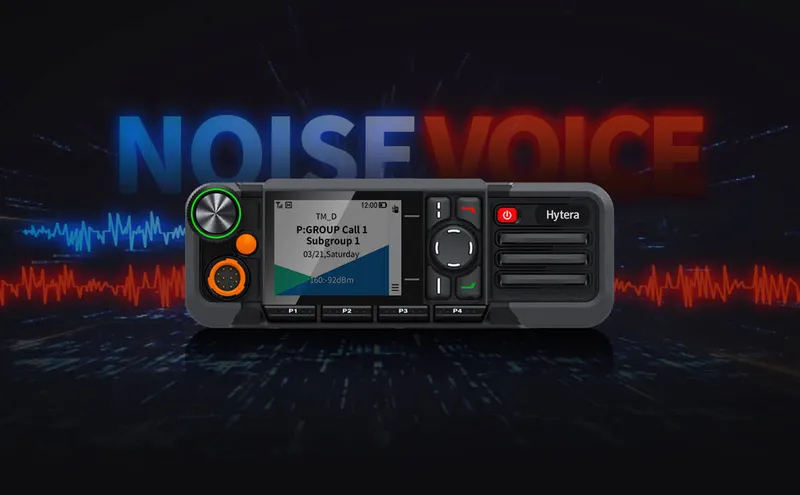
Only the technical values that differ between models are listed; identical rows are omitted. Values are taken from the manufacturer’s published data sheets.
| Property | Hytera HM789 Professional DMR Mobile Radio | Hytera HM659 Professional DMR Mobile Radio | Hytera HM689 Professional DMR Mobile Radio | Hytera HP689 Professional DMR Handportable Radio |
|---|---|---|---|---|
| Frequency Range | UHFv: 350–470 MHz, 450–527 MHz; VHF1: 136–174 MHz; UHF5: 806–825 MHz (transmit only), 851–870 MHz (transmit and receive), 896–902 MHz (transmit only), 935–941 MHz (transmit and receive) | UHF: 400~470MHz, 450~527MHz; VHF: 136~174MHz | UHF: 400~470 MHz, 450~527 MHz; VHF: 136~174 MHz | UHF: 400-527 MHz; VHF: 136-174 MHz |
| RF Output Power | Low: 1–25 W (136–174 MHz, 350–527 MHz); high: 5–50 W (136–174 MHz), 1–45 W (350–527 MHz); UHF5: 10–35 W (806–825/851–870 MHz), 10–30 W (896–902/935–941 MHz) | Low: 5–25 W, High: 5–45 W | Low: 5–25 W; High: 5–45 W | UHF: 4W/1W; VHF: 5W/1W |
| Channel Capacity | 1024 | 512 | 512 | 1024 |
| Zone Capacity | 64 | 32 | 32 | 64 |
| Weight | 1520g | 1100g | 1150g | 280g |
| Dimensions (H×W×D) | 61.5 x 177 x 179 mm | 164 x 154 x 42mm | 164 x 159 x 42 mm | 122 × 55 × 31.5 mm |
| Channel Spacing | 12.5 / 20 / 25 kHz | Analogue: 25/20/12.5 kHz; digital: 12.5 kHz | Analogue: 25/20/12.5 kHz; digital: 12.5 kHz | 12.5 kHz / 20 kHz / 25 kHz |
| Operating Voltage | 13.6V ±15% DC | 13.6V ±15% DC | 13.6V ±15% DC | 7.7 V (nominal) |
| Frequency Stability | ±0.5 ppm | ±0.5ppm | ±0.5 ppm | ±0.5 ppm |
| Antenna Impedance | 50Ω | 50Ω | 50Ω | 50 Ω |
| Sensitivity (Analogue) | 0.16 μV (typical) (12 dB SINAD); 0.18 μV (12 dB SINAD) | 0.16 μV (typical, 12 dB SINAD); 0.18 μV (12 dB SINAD) | 0.16 μV (typical) (12 dB SINAD); 0.18 μV (12 dB SINAD) | 0.16 μV (typical) (12 dB SINAD); 0.18 μV (12 dB SINAD) |
| Sensitivity (Digital) | 0.18 μV / BER5% | 0.18 μV / BER5% | 0.18 μV / BER5% | 0.18 μV / BER 5% |
Hytera PC142 Back-to-Back Cable for Wireless Link
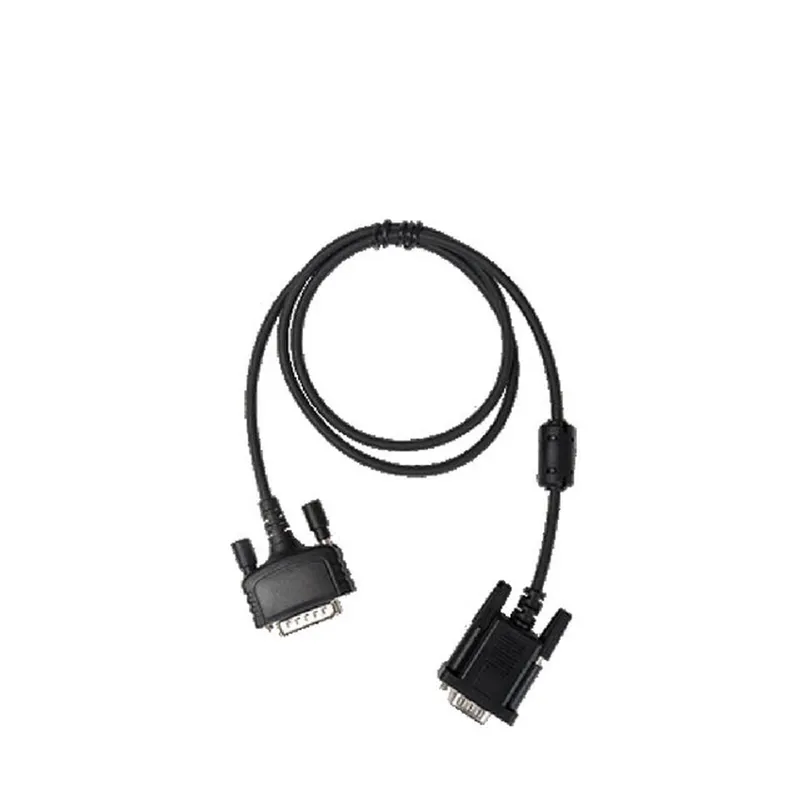
Hytera PC148 Data Cable, DB9 to DB26
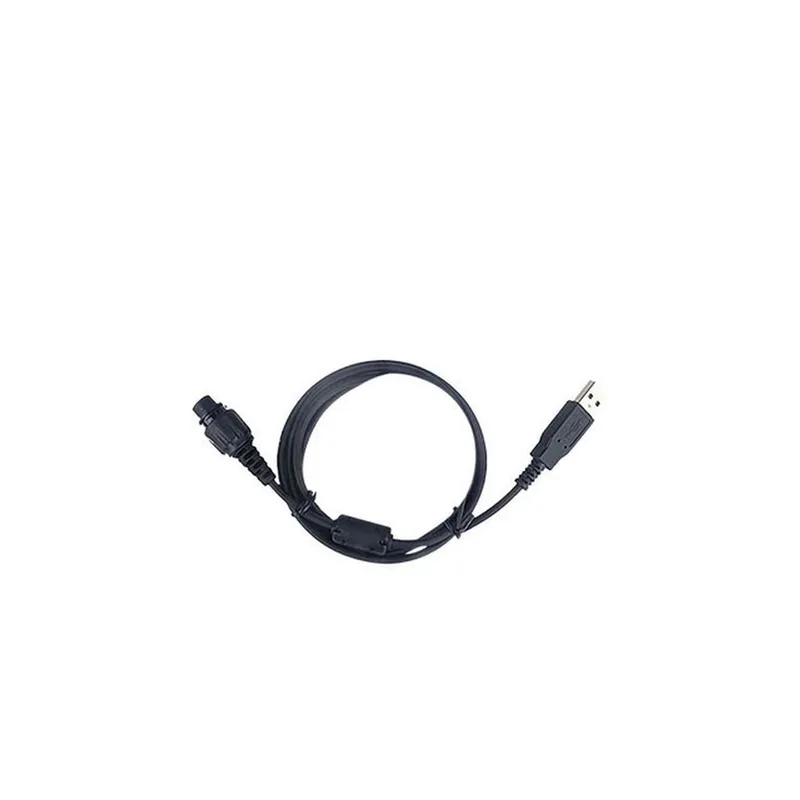
Hytera PC37 Programming Cable, USB to 10-Pin
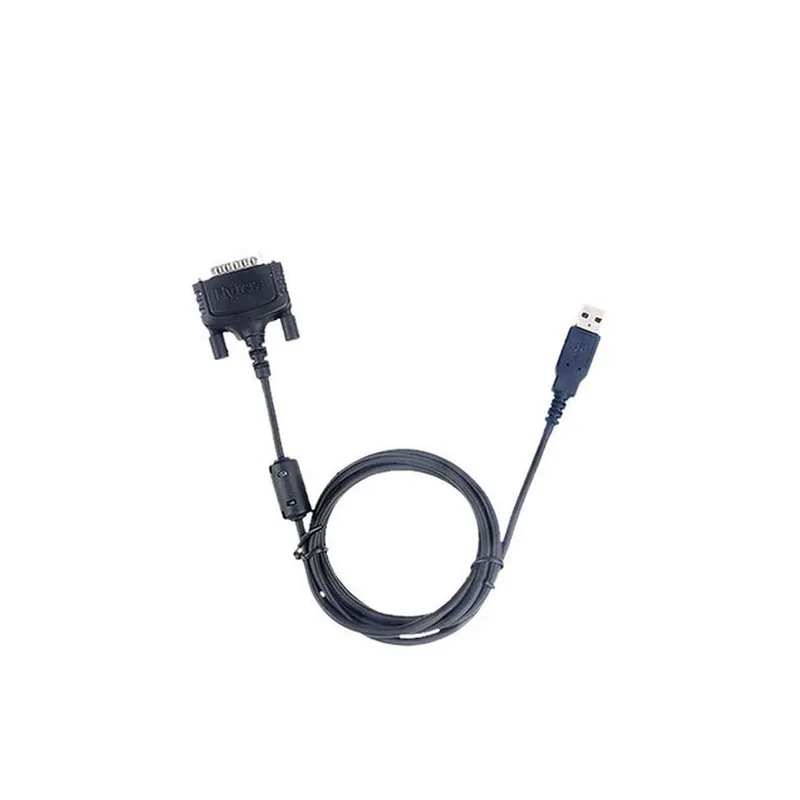
Hytera PC40 Programming Cable, USB to DB26
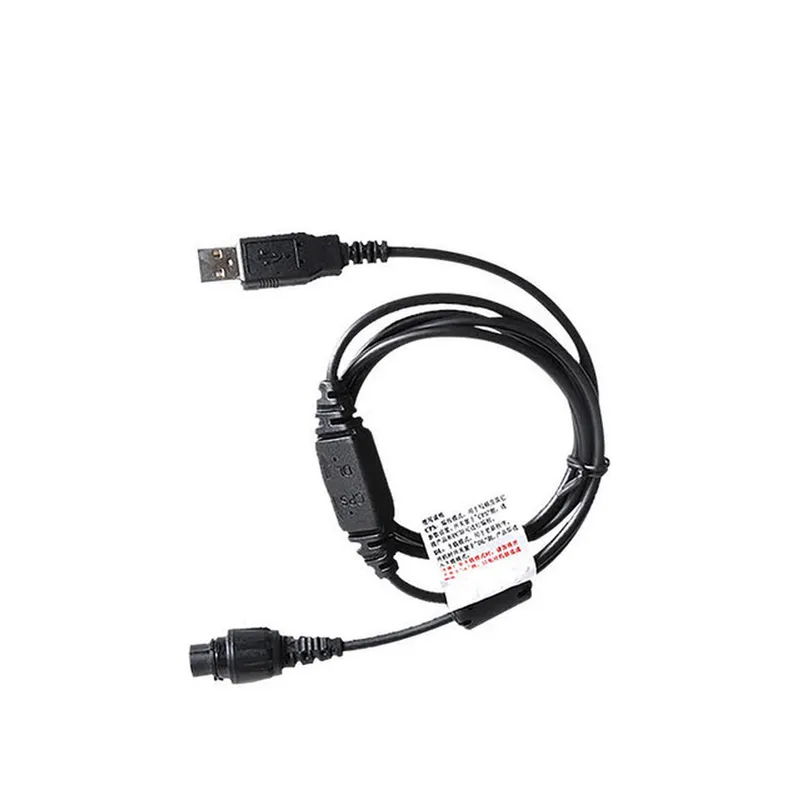
Hytera PC47 Programming Cable, USB to 10-Pin
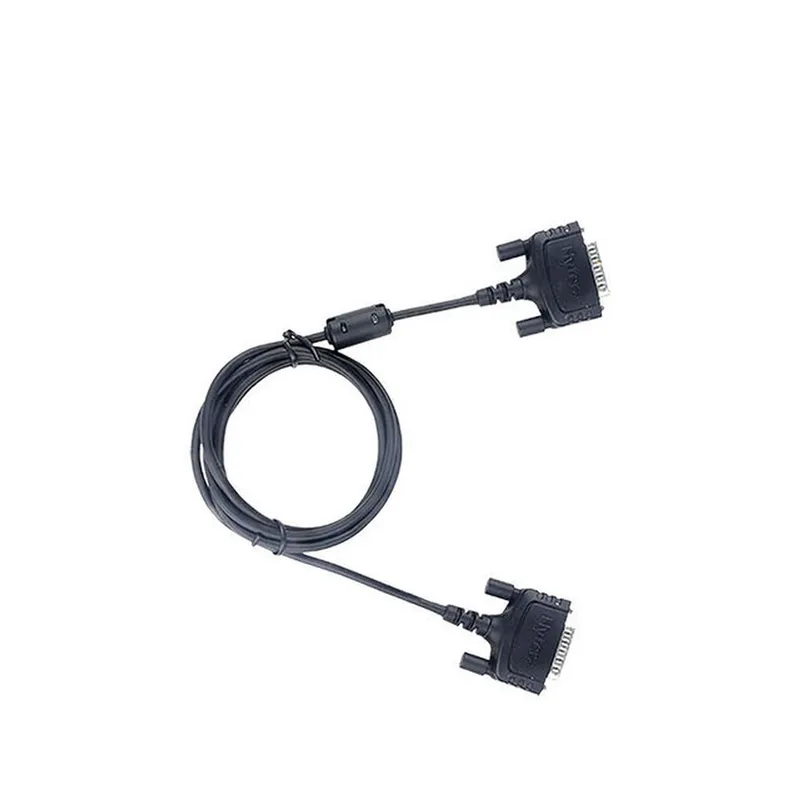
Hytera PC49 Back-to-Back Data Cable, DB26 to DB26
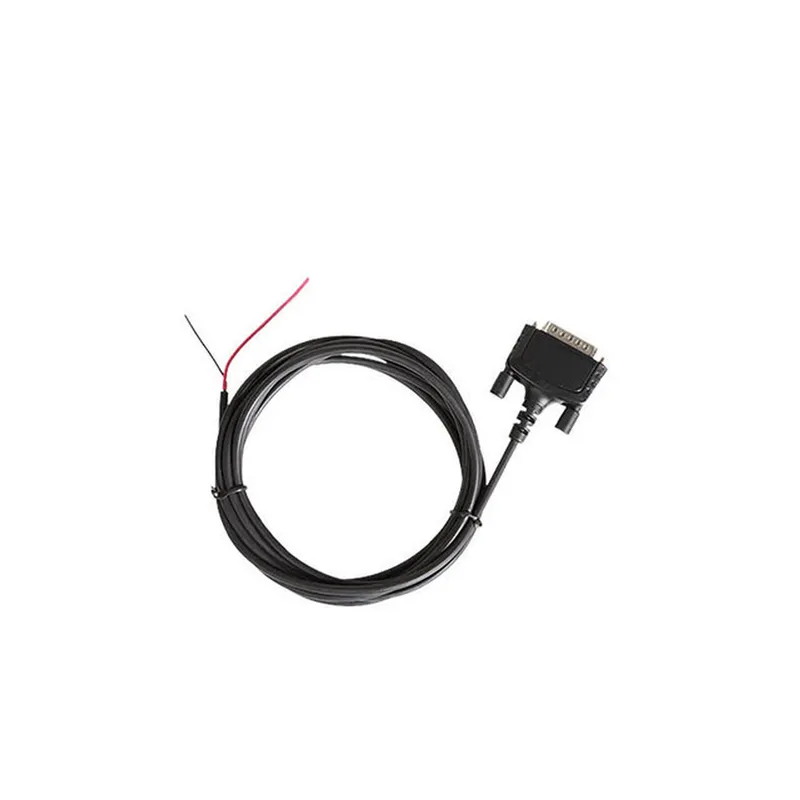
Hytera PC60 Ignition Sense Cable, DB26
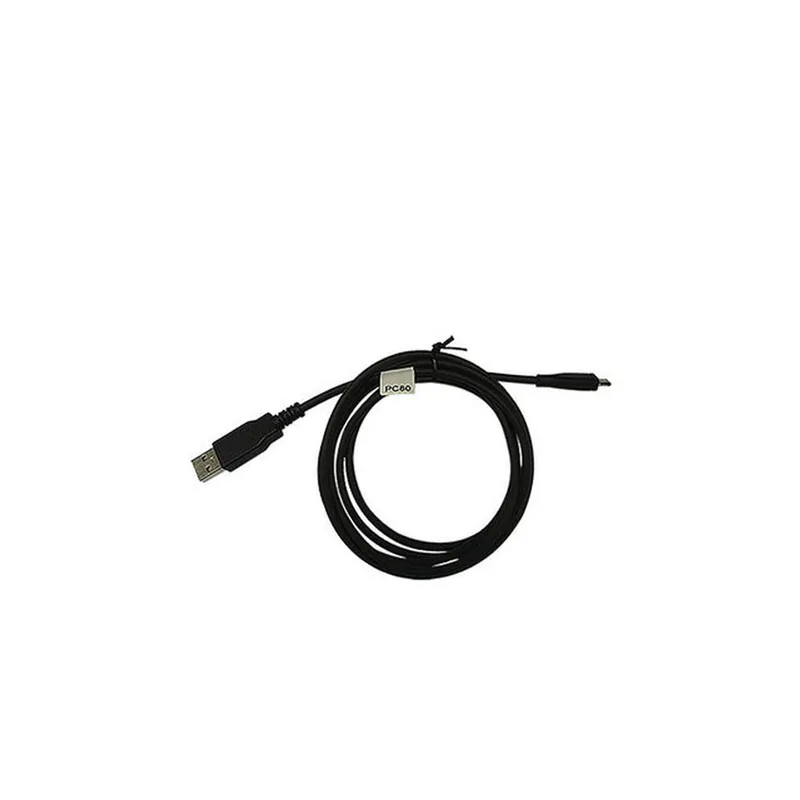
Hytera PC80 Programming Cable, USB to Micro-USB
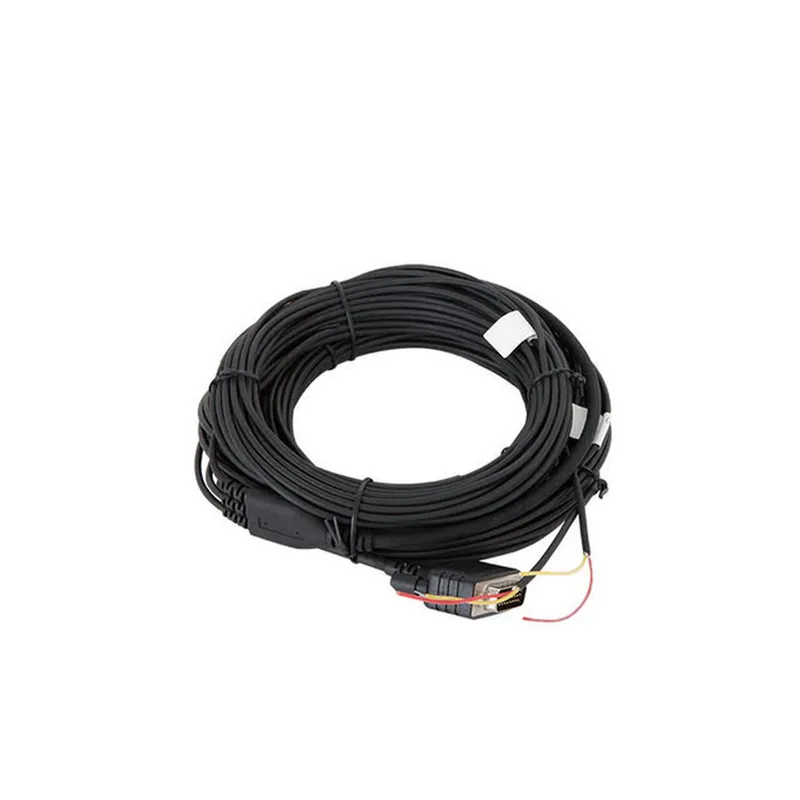
Hytera PC82 Mobile Radio Cable, DB26
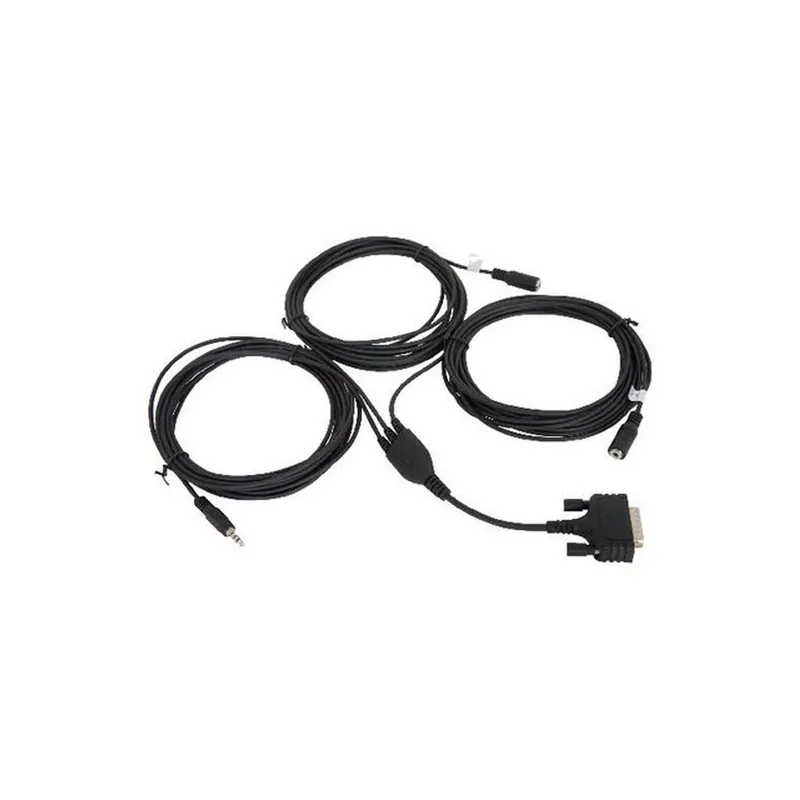
Hytera POA117 Ring-Type PTT Button
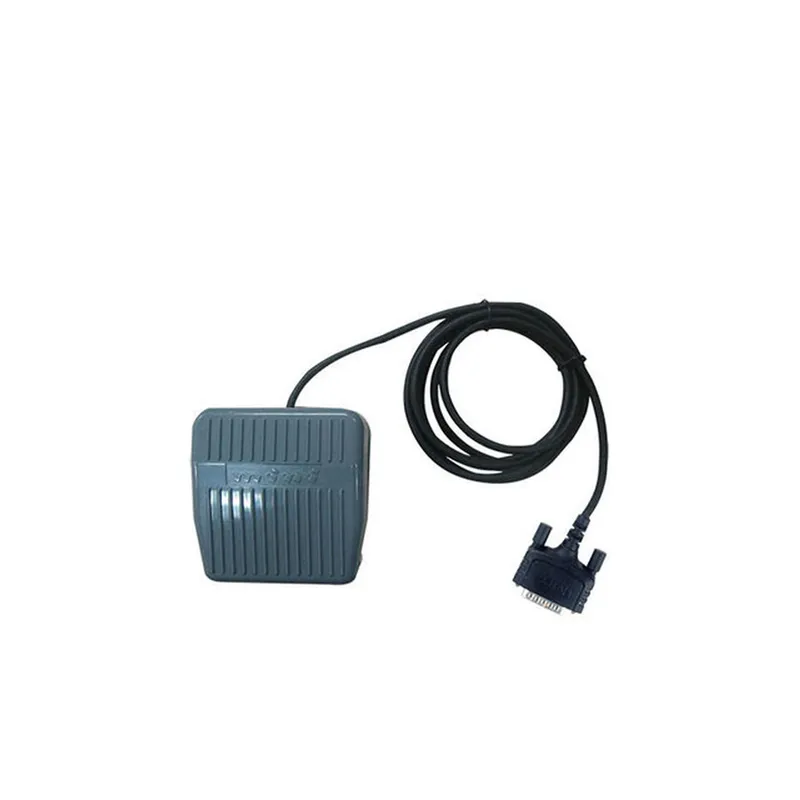
Hytera POA44 Foot Pedal Switch
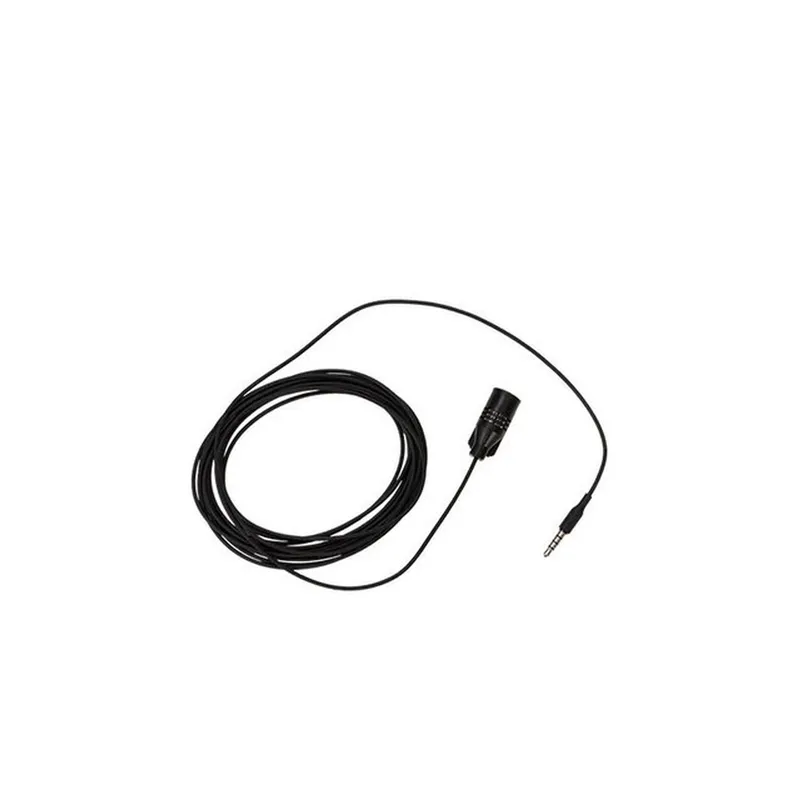
Hytera POA77 Vehicle Sun-Visor Microphone
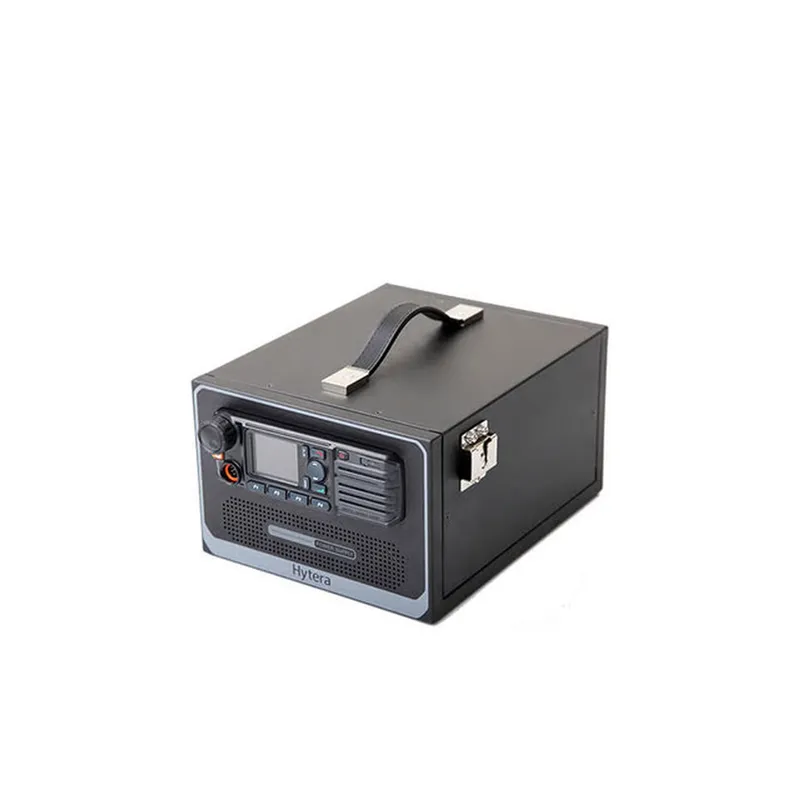
Hytera PS16001H Base Station Cabinet Power Supply
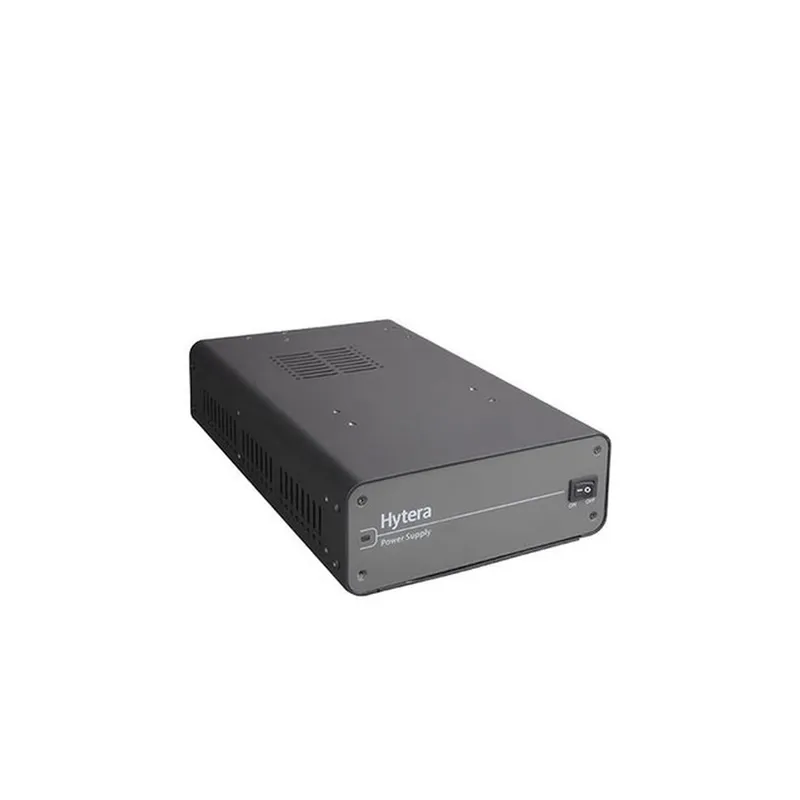
Hytera PS22002 Mobile Radio Power Supply, 220 W
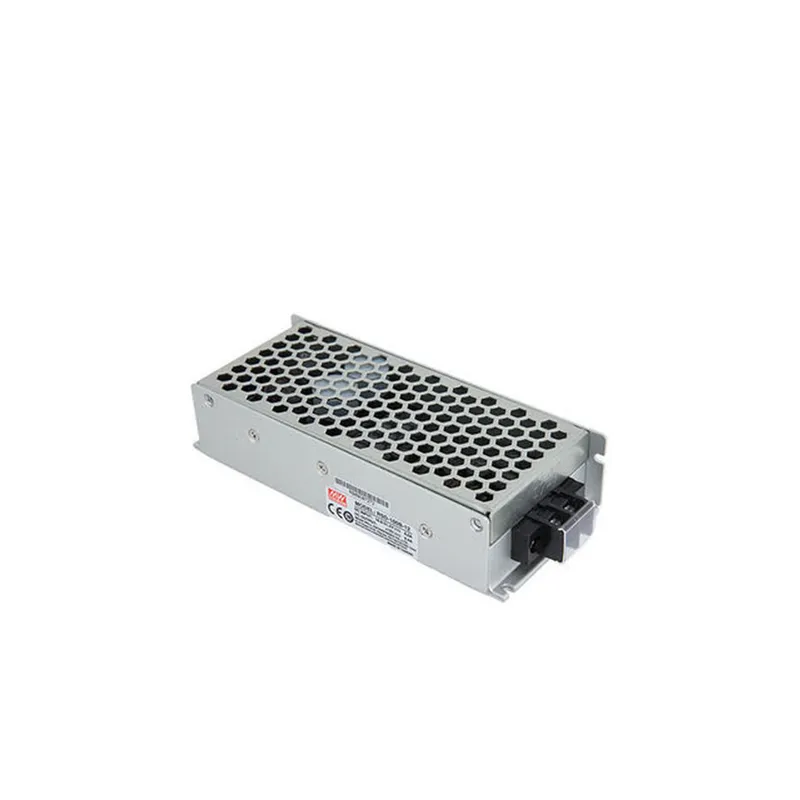
Hytera PV8002 Power Supply, 24 V to 12 V
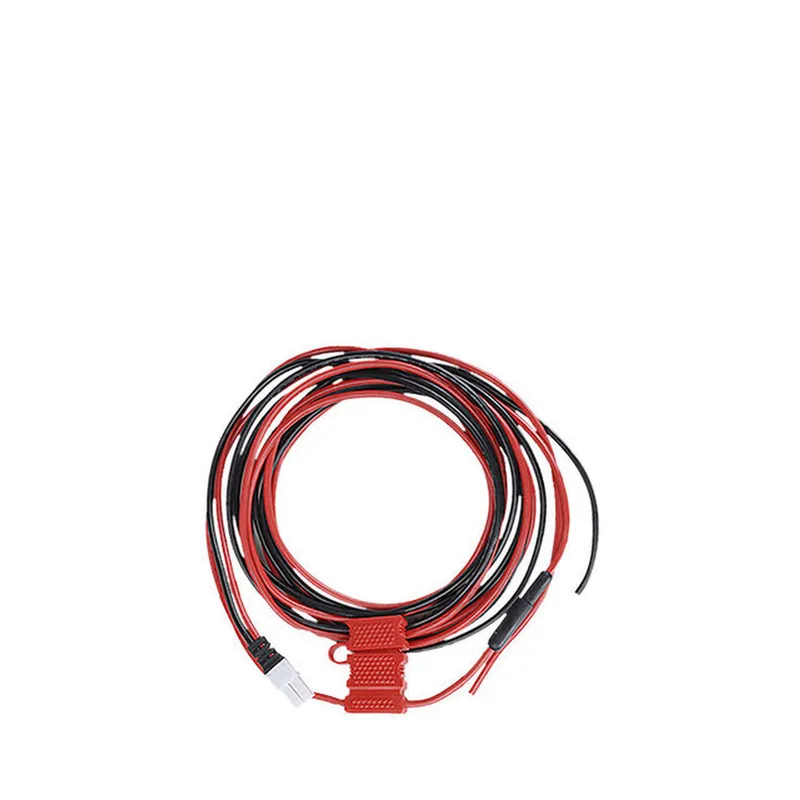
Hytera PWC10 Vehicle Power Cable
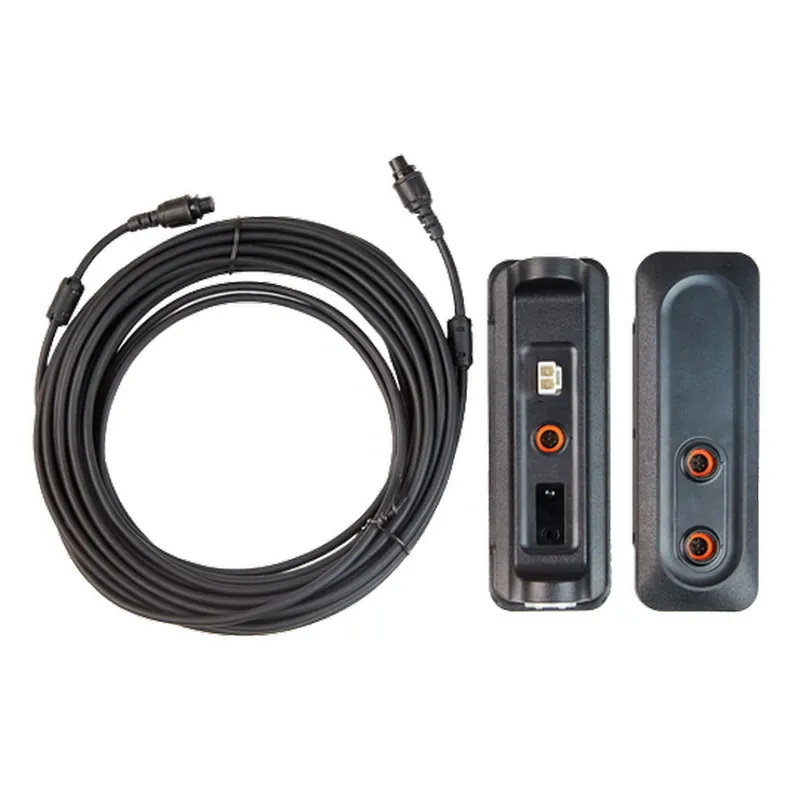
Hytera RCC32 Mobile Radio Remote Mount Kit, 10 m
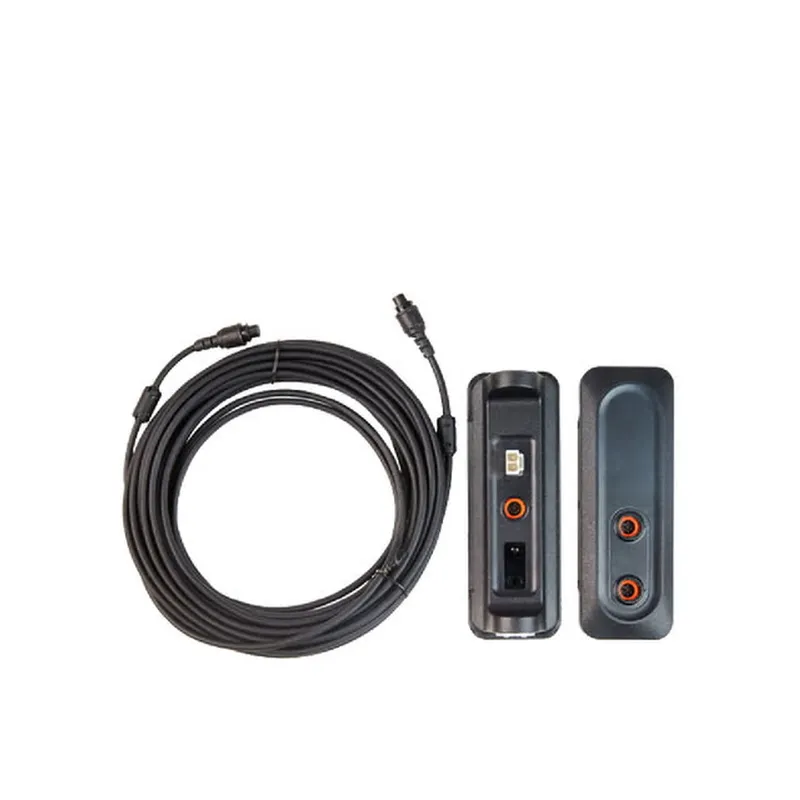
Hytera RCC33 Mobile Radio Remote Mount Kit, 3 m
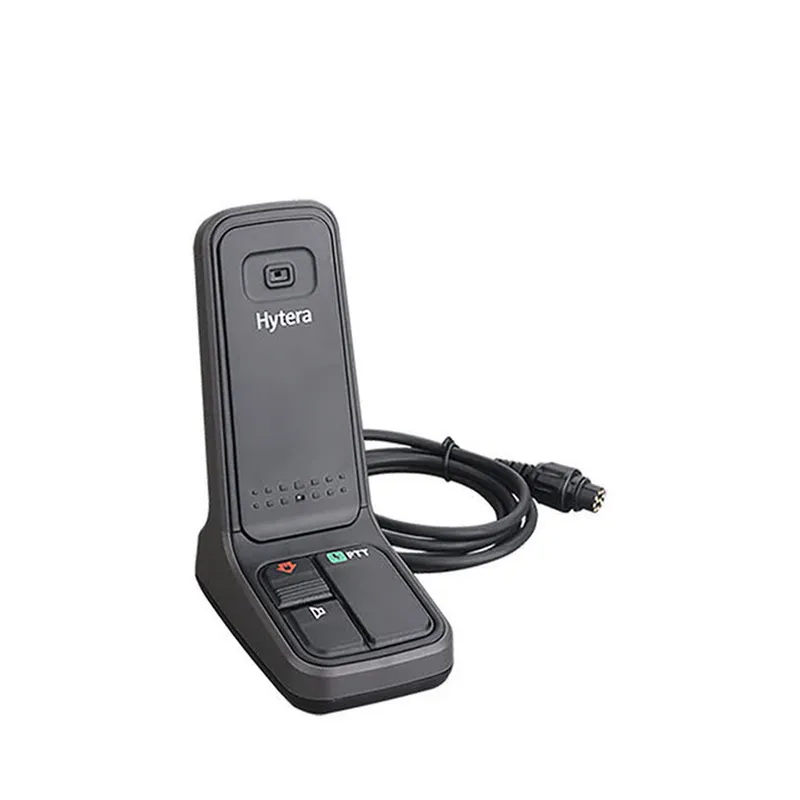
Hytera SM10A1 Desktop Microphone
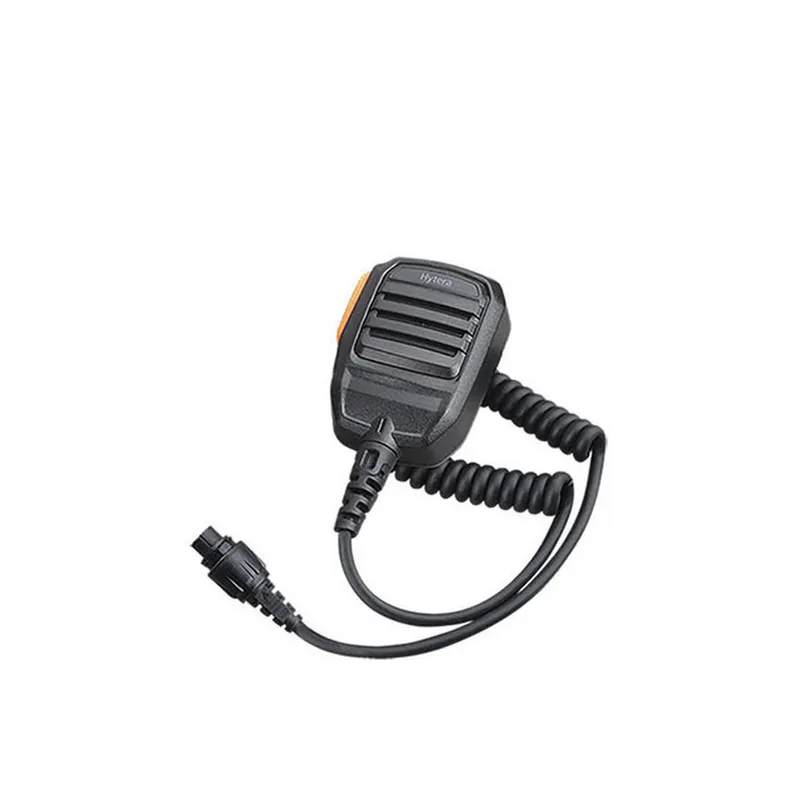
Hytera SM16A1 Palm Microphone
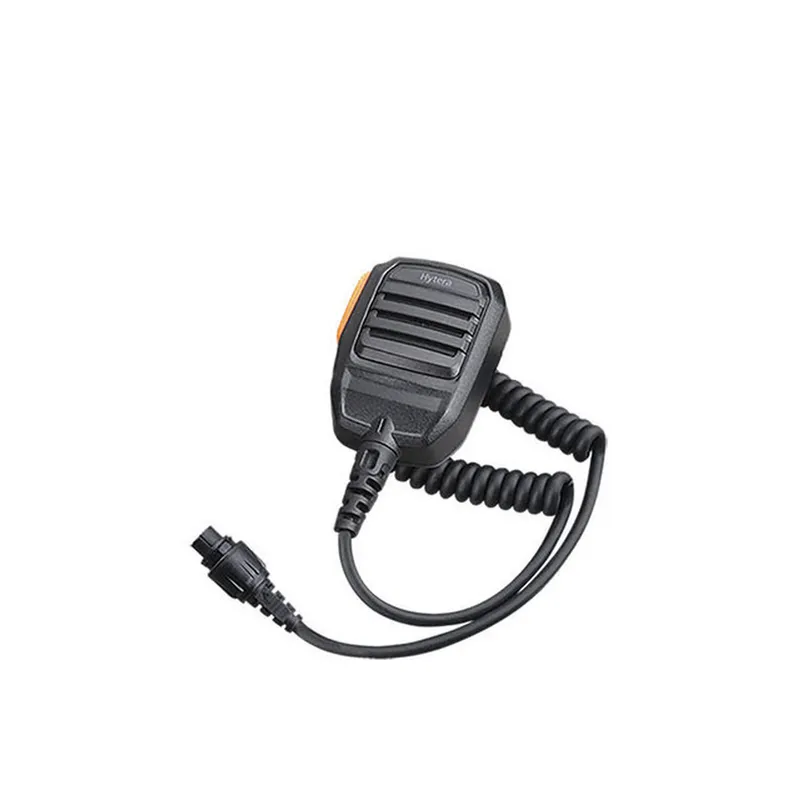
Hytera SM16A2 IP67 Palm Microphone
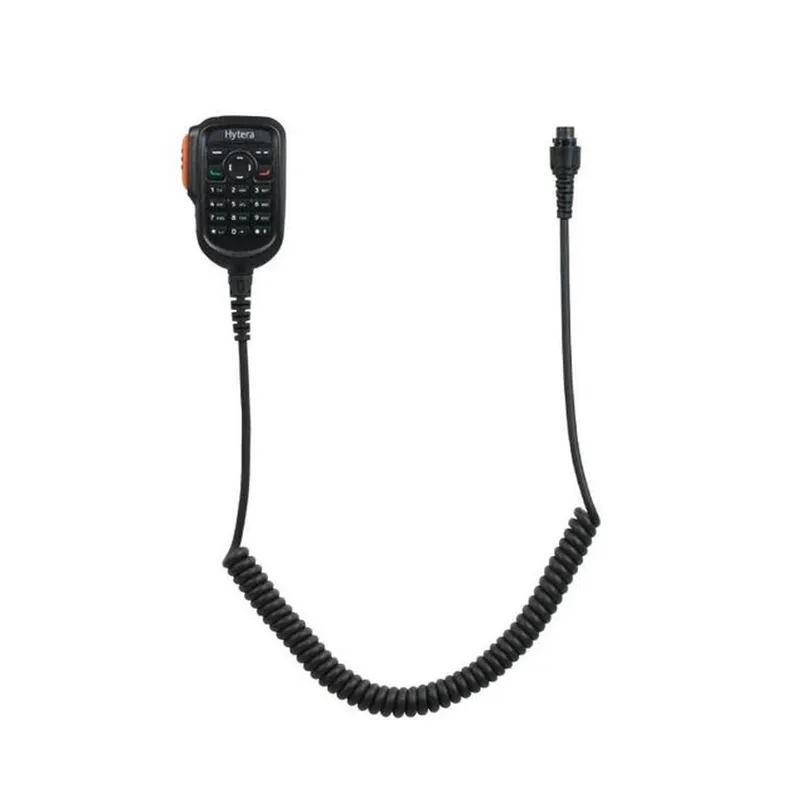
Hytera SM19A3 Palm Microphone with Keypad
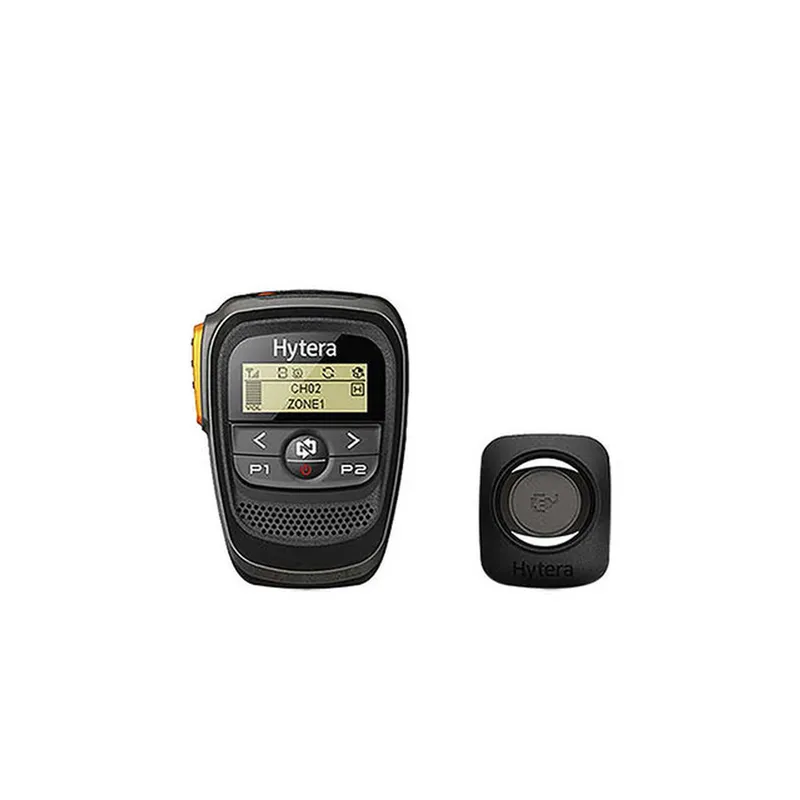
Hytera SM27W1 Wireless Remote Speaker Microphone
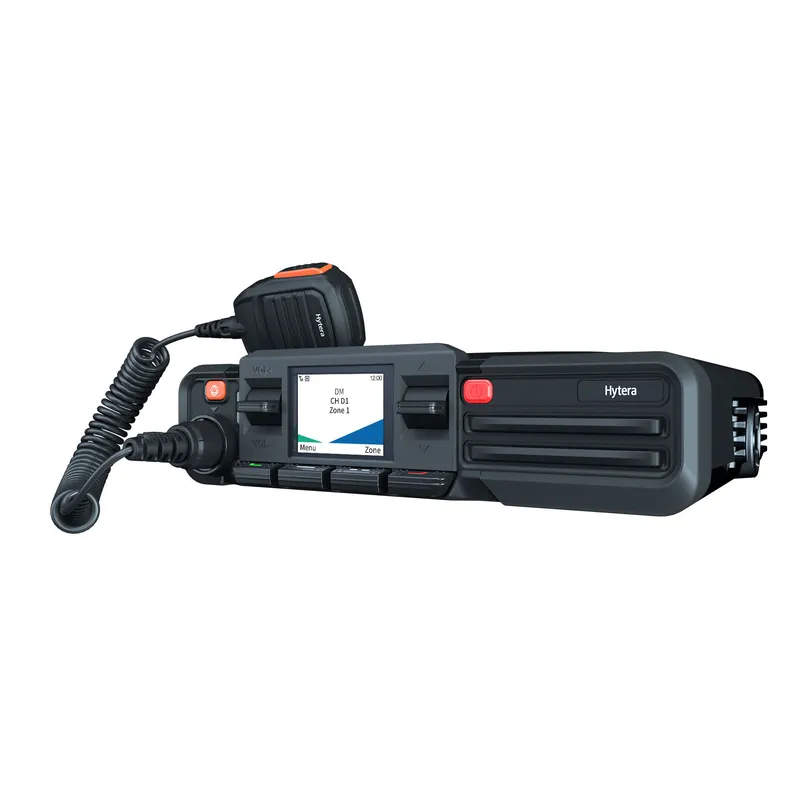
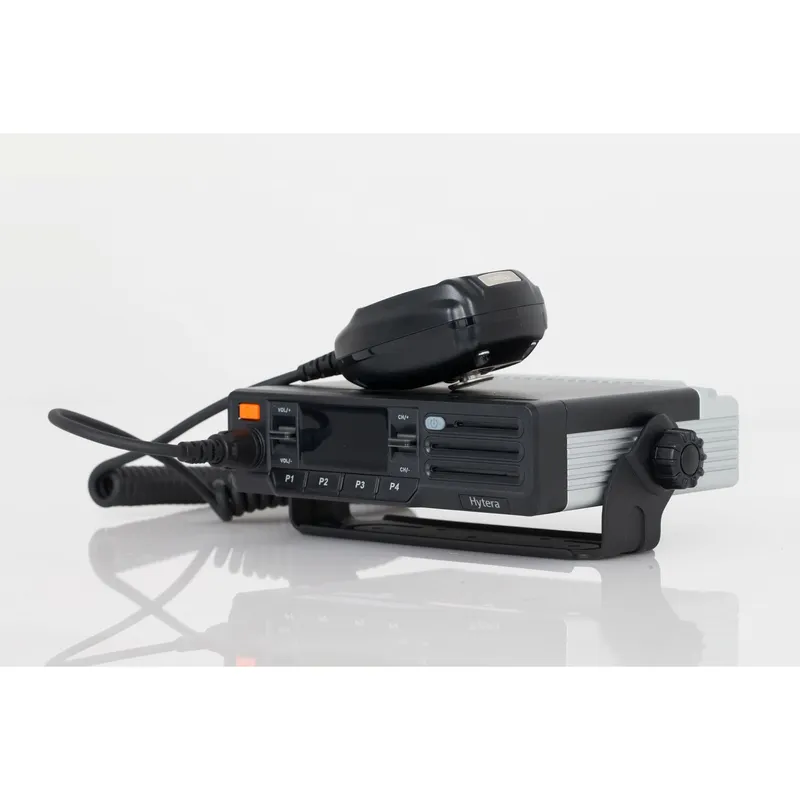
The Hytera HM789 operates across UHFv: 350–470 MHz, 450–527 MHz; VHF1: 136–174 MHz; UHF5: 806–825 MHz (transmit only), 851–870 MHz (transmit and receive), 896–902 MHz (transmit only), 935–941 MHz (transmit and receive). Several band versions exist; which one to buy follows from the frequency assigned to your organisation. UHF passes between walls and obstructions more readily, which is why it is preferred inside buildings, industrial plants and dense urban areas. VHF carries further over open ground and water at the same power. The 700/800 MHz band is used for public safety and specially assigned systems.
RF output power is Low: 1–25 W (136–174 MHz, 350–527 MHz); high: 5–50 W (136–174 MHz), 1–45 W (350–527 MHz); UHF5: 10–35 W (806–825/851–870 MHz), 10–30 W (896–902/935–941 MHz). More power is not automatically better: it extends range and shortens battery life at the same time. Teams working close to a repeater are usually served by the low setting, which also lengthens the shift.
Capacity is 1024 channels across 64 zones. A zone is a page of grouped channels — separate zones are defined for different sites, different shifts or joint working with another organisation. On a multi-site system that grows, this is what lets the channel plan be extended without a rebuild.
Receiver sensitivity is 0.18 μV / BER5%. Sensitivity states how weak a signal the radio can still decode, and a lower number is better. At the edge of coverage it determines range as much as transmit power does — communication usually fails not because the other party cannot hear, but because the radio cannot decode a weak signal.
Ingress protection is IP54. IP67 and above means the device withstands immersion in one metre of water. The rating only holds if the fitted battery and the accessory jack cover carry the same class; a standard battery lowers the protection of the whole assembly.
Operating temperature range is -30°C ~ +60°C.
We deliver not only what you need, but more than you expect .