
Sigun Mining — Site Communication in Hard Conditions


Mining combines the two hardest radio problems at once: enclosed underground volumes that no surface antenna reaches, and atmospheres that require certified equipment. TechnoRF designs surface and underground systems, from leaky feeder galleries to fleet coordination on the surface.
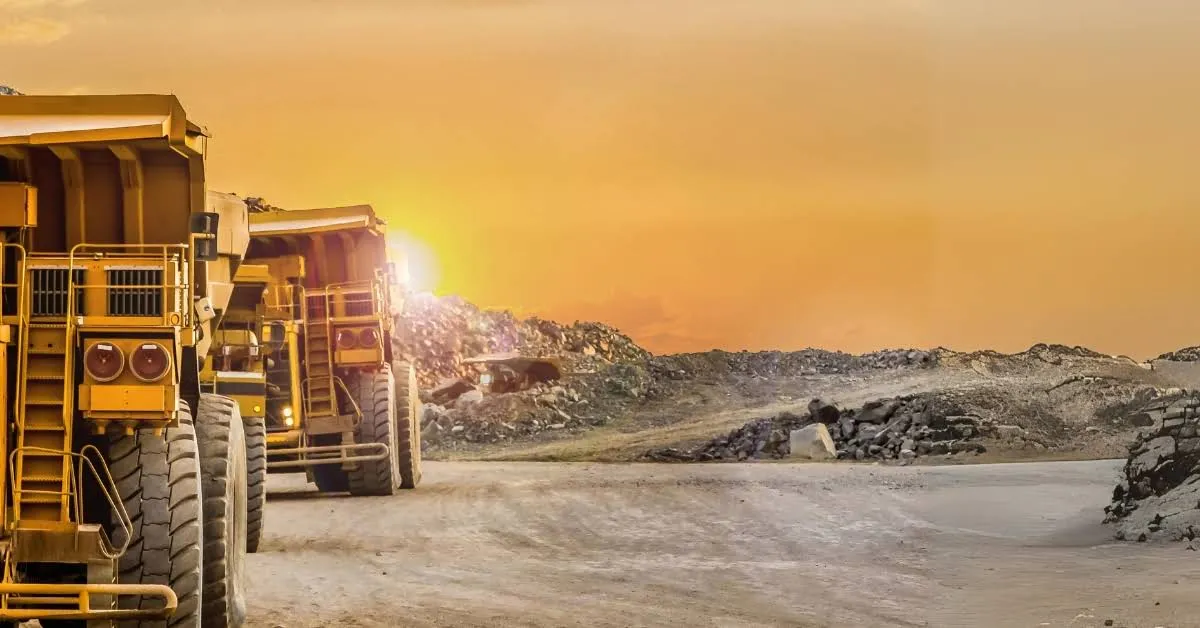
Mining puts the two hardest problems in radio in the same project: coverage in enclosed underground volumes, and equipment certified for an atmosphere that can ignite.
No surface antenna reaches into a gallery. The signal has to be carried in by leaky feeder cable — coaxial cable slotted so that it radiates and receives along its whole length — with amplifiers at intervals to restore level as cable loss accumulates.
The design questions that matter:
The surface operation is a wide-area problem of a familiar kind: haul roads, pit benches, crushing and processing plant, workshops, stores, weighbridge and the perimeter. Terrain shields signal and the geometry changes as the pit deepens, so a design correct at commissioning needs periodic re-verification.
Fleet coordination — haul trucks, loaders, service vehicles — is usually the largest single traffic source, and separating it from safety and supervisory traffic is the first talkgroup decision.
Coal workings and any area where flammable gas or combustible dust can accumulate require ATEX or IECEx certified equipment, certified as a complete assembly including the battery. Surface areas around fuel storage, explosives magazines and dust-generating handling plant are frequently classified even where the workings are not.
The zone map comes from the mine's explosion protection assessment. TechnoRF specifies equipment against it and maintains the certified battery and spares pool that keeps the estate compliant in practice, not only on the day it was purchased.
Underground personnel tracking should be specified at zone resolution and evaluated on what a supplier can demonstrate in galleries like yours. Claims of metre-level underground positioning deserve scepticism.
Mines are hard on equipment: dust, water, vibration, impact and chemical exposure. Battery life shortens, seals fail, cable and connectors take damage. A workable service model has a stocked spares pool on site, a scheduled inspection routine, and coverage re-verification as the workings extend.
See support services or get in touch.
By carrying the signal in. A leaky feeder cable runs the length of the galleries, radiating and receiving along its whole length with amplifiers at intervals to offset cable loss. Surface antennas do not reach underground at any practical power, so the cable and its power supply are the system rather than an accessory to it.
That is what the design has to answer in advance. A cable fed from one end only loses everything beyond a break; fed from both ends it degrades instead. Refuge chambers need independent communication, cabling needs fire-resistant specification and route separation, and there needs to be a defined fallback for personnel beyond a damaged section.
Coal mines and any workings where flammable gas or combustible dust can accumulate, yes — and the classification comes from the mine’s own explosion protection assessment, not from the equipment supplier. Many metal and aggregate operations are not classified underground but still have classified surface areas around fuel and explosives storage.
Yes, at zone resolution rather than metre precision. Readers placed at gallery intersections and access points record which zone a tag was last seen in, which is what an evacuation roll-call actually needs. Systems promising precise underground positioning should be examined closely against what they can demonstrate in your galleries.
The Hytera product range, TechnoRF engineering, installation, maintenance, technical service and business continuity planning — brought together into a system designed for how your operation actually works.
We deliver not only what you need, but more than you expect .