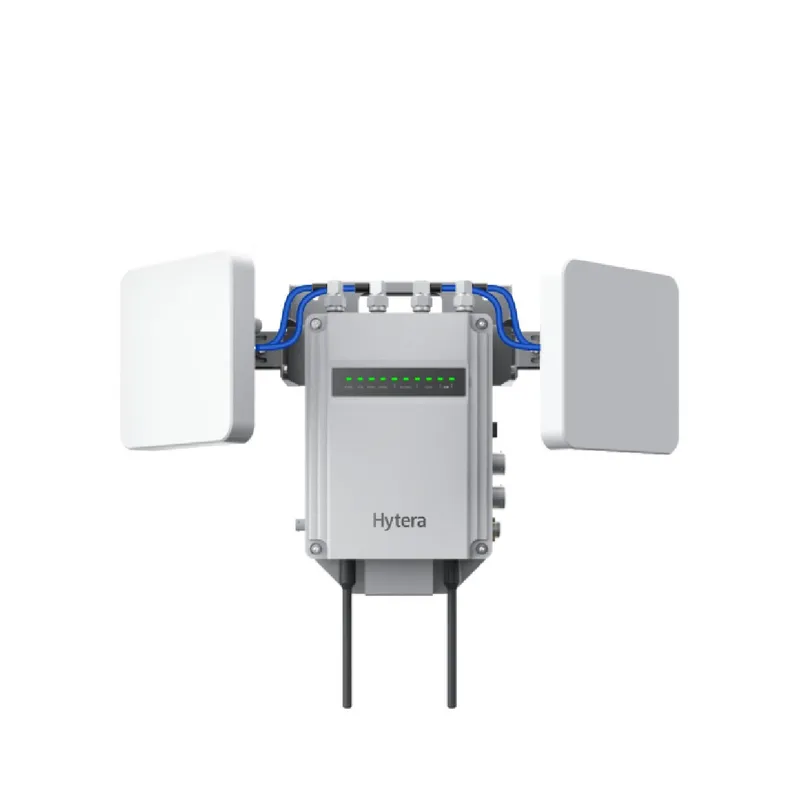
Hytera BDNode Broadband Data Node


Broadband and narrowband solve different problems: LTE carries video, telemetry and data, while DMR or TETRA carries voice that must not fail. TechnoRF designs hybrid architectures in which both run as one operational system, with a single dispatch position and defined fallback.
Hytera BDNode Broadband Data Node
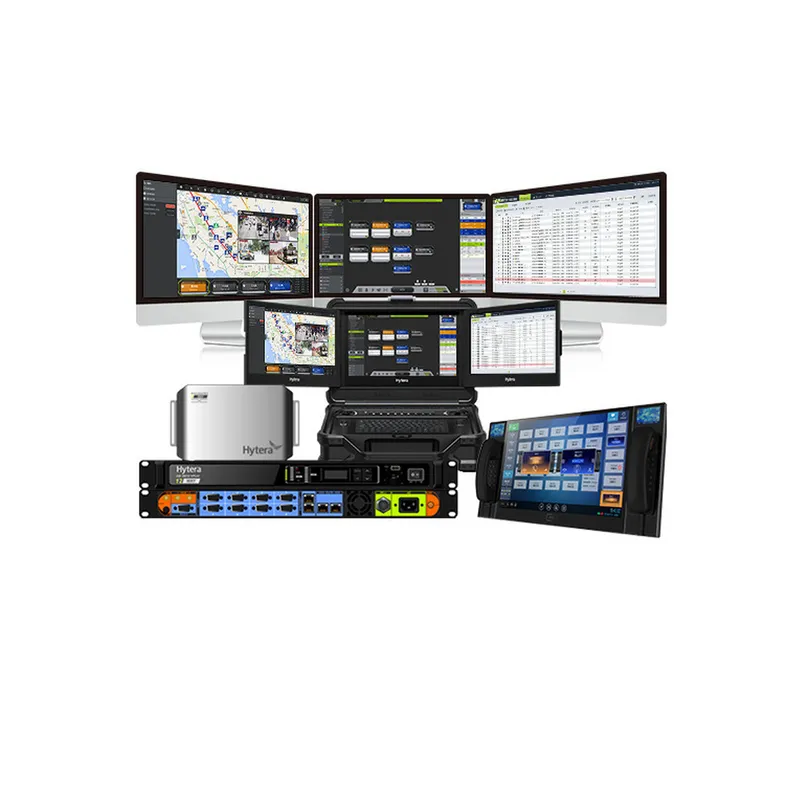
Hytera Converged Communication System
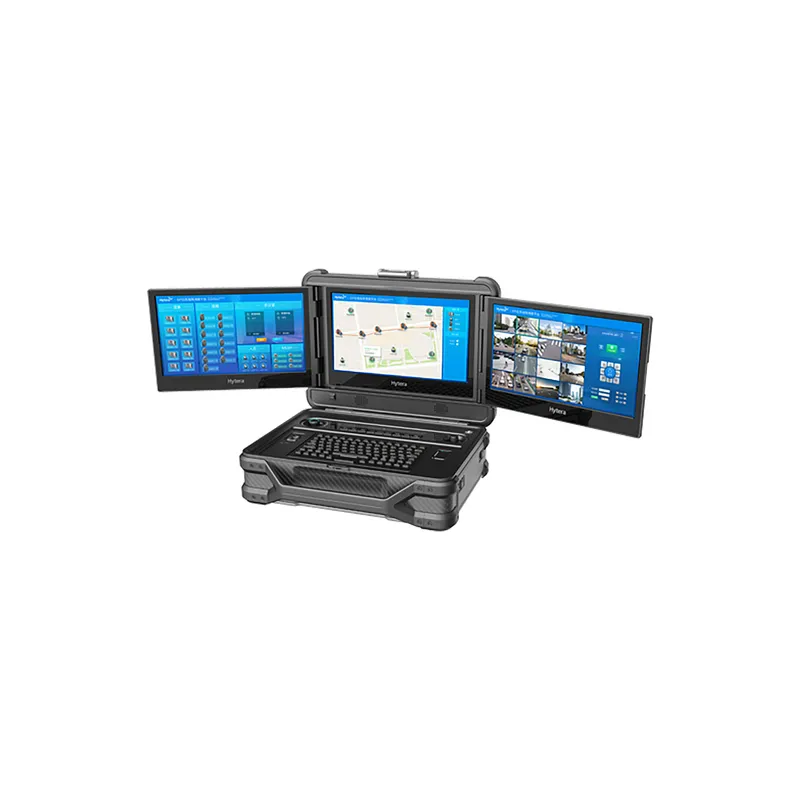
Hytera E-Center Portable Field Command and Dispatch Console
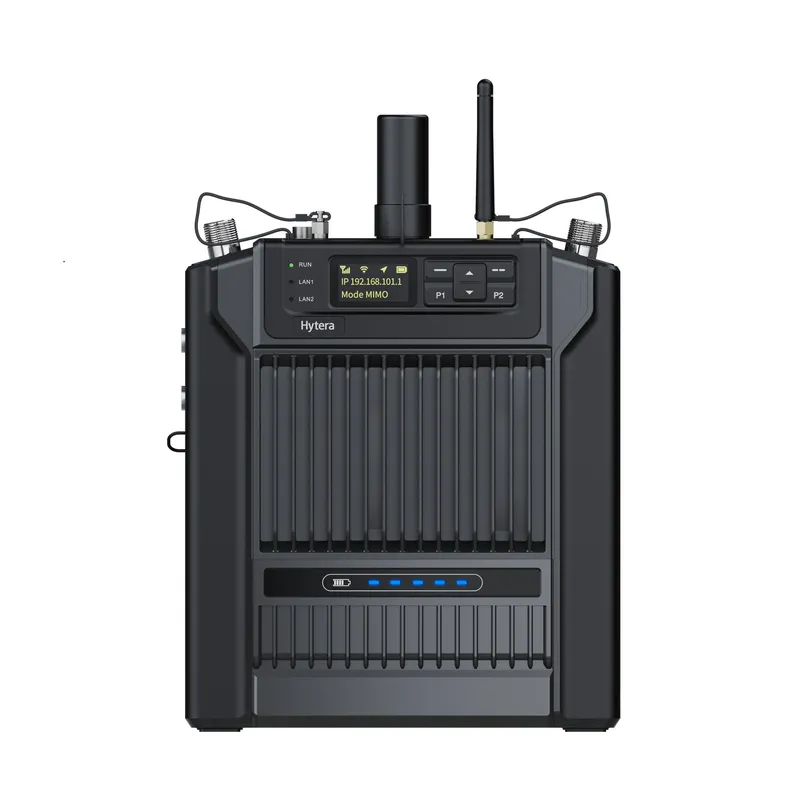
Hytera E-Mesh580P Portable Broadband Mesh Device
Hytera Integrated Command and Control Solution
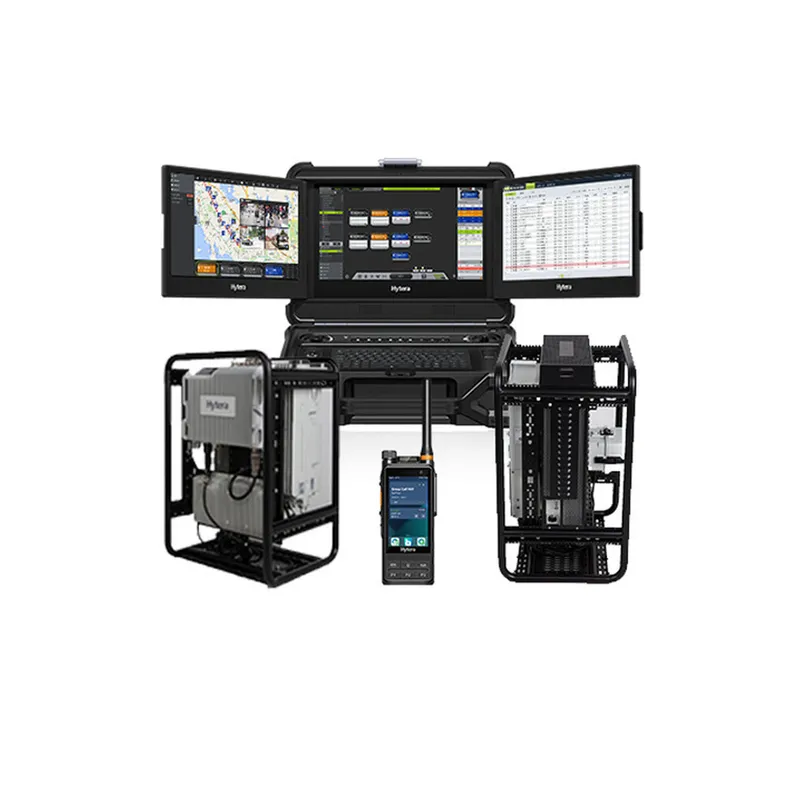
Hytera Fast Deployment Broadband Trunking Solution
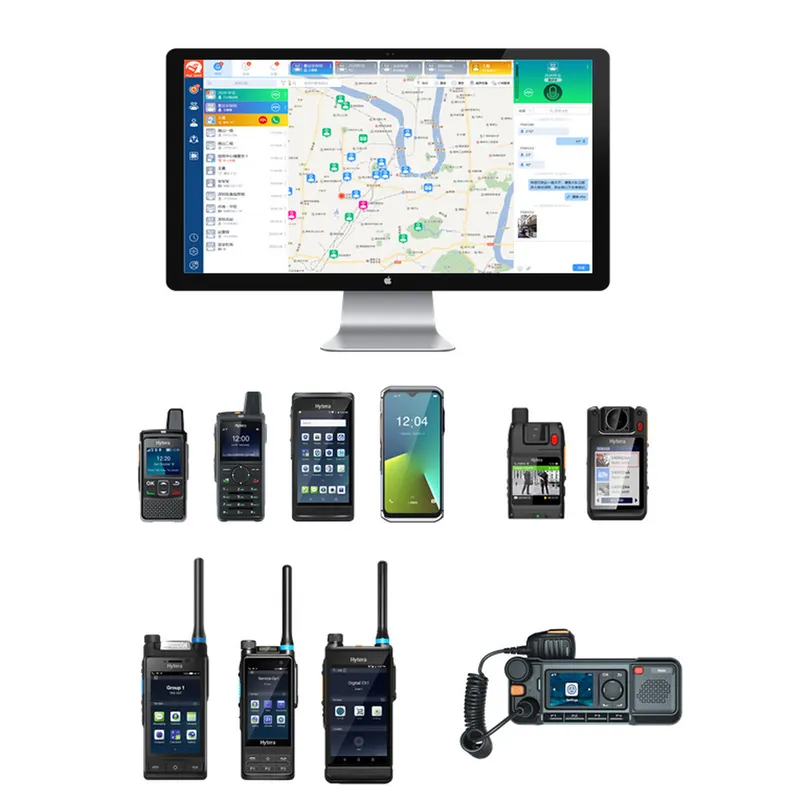
Hytera HyTalk as a Service Multimedia PTT Service
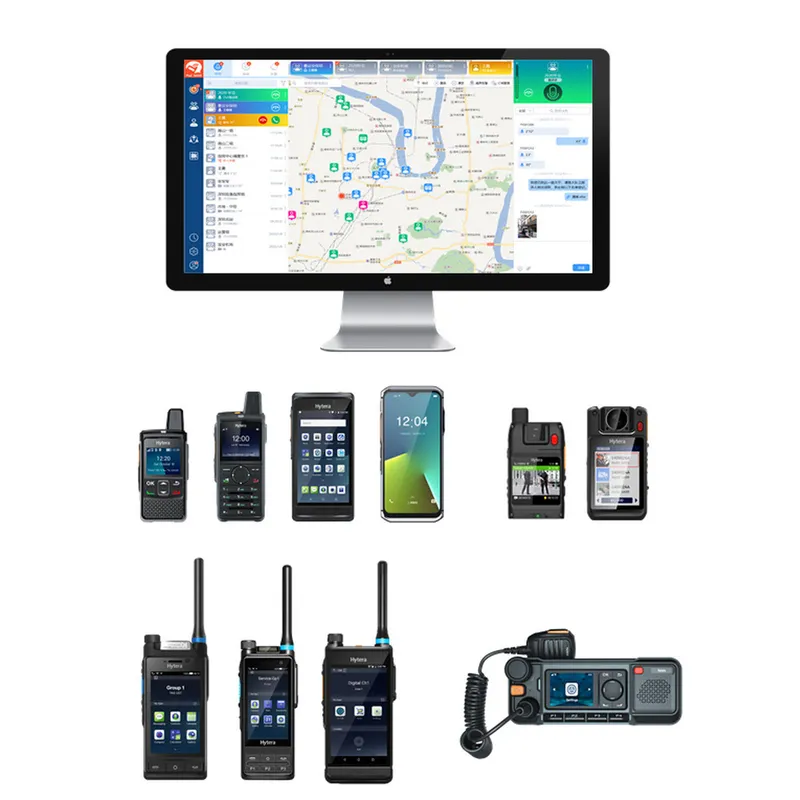
Hytera HyTalk by Case Direct User Mode On-Premises Solution
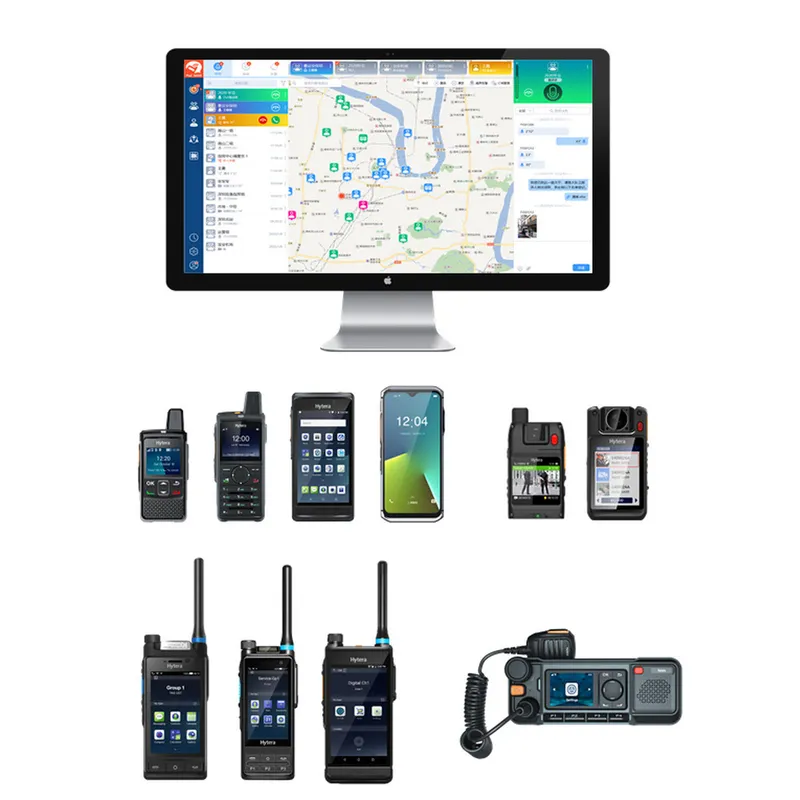
Hytera HyTalk by Case Operational Mode Operator-Managed Solution
Hytera HyTalk Lite Channel Package
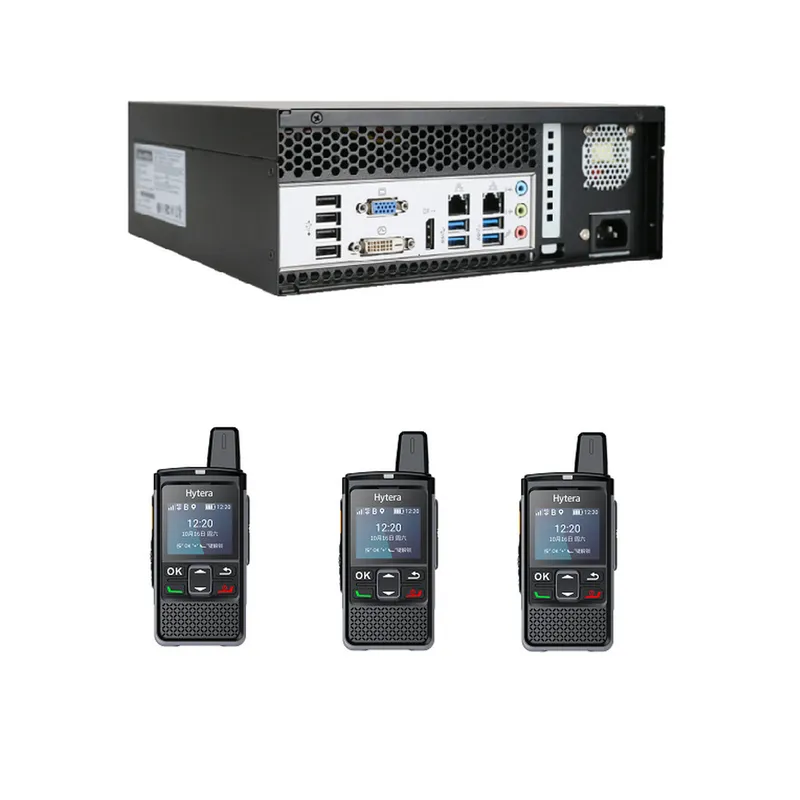
Hytera HyTalk Lite Small Business PTT Solution
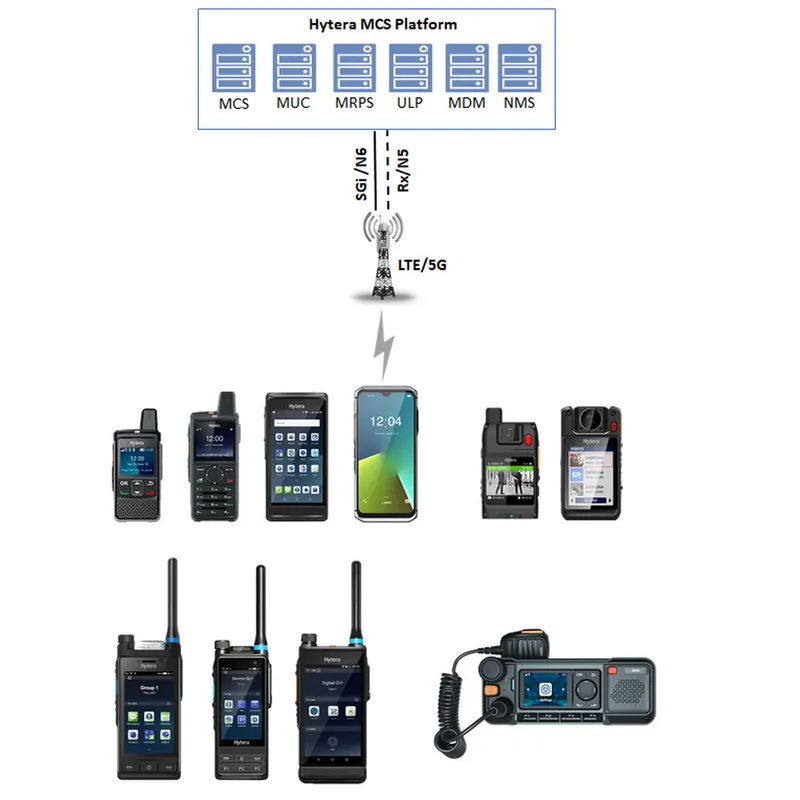
Hytera HyTalk MC for End Users MCX Solution
The question is put as "LTE or radio". It is the wrong question. The two carry different traffic with different failure characteristics, and mature field communication systems now run both.
| Narrowband (DMR / TETRA) | Broadband (LTE / PoC) | |
|---|---|---|
| Group voice | Sub-second setup, built for it | Workable, dependent on the network |
| Video | Not possible | Native |
| File and image transfer | Not possible | Native |
| Telemetry and sensors | Small payloads only | Native |
| Behaviour under congestion | Unaffected — your spectrum | Degrades with everyone else |
| Behaviour with damaged infrastructure | Direct mode still works | Stops |
| Cost of national coverage | High — you build it | Low — you rent it |
Read the table vertically and the design writes itself. Voice that must not fail goes on infrastructure you control. Everything that needs bandwidth goes on broadband. Neither layer pretends to be the other.
The gateway and the single dispatch view are what make it a system rather than two systems bought by the same organisation. Without them, a dispatcher watches two screens and the coordination benefit disappears.
Where the operator network is not acceptable — an airport, a port, a mine, a large industrial site — a private LTE network on dedicated or shared spectrum serves only your users. Capacity is yours, coverage is engineered to your requirement including indoors, and the network stays available when public networks congest.
It is a significant investment: spectrum authorisation, core network, radio sites, and the operational competence to run a cellular network. It is justified where the site is large, the data volume is real, and the consequence of losing connectivity is measured in production or in safety.
Body-worn and vehicle cameras change what a control room can do — and change what the network must carry. The design rule that holds up in practice: record locally and continuously, stream on demand or on alarm. Continuous streaming from every camera saturates any network and is almost never what the operation actually needs.
Retention, access control and lawful handling of the footage are part of the project, not an afterthought. Under KVKK, recorded personnel and third parties have rights that the system design has to accommodate.
We start from the operation rather than from a product list: which traffic must never fail, which merely should not fail, and what each is worth. From there come the layers, the gateway, the dispatch design and the fallback behaviour — what happens, specifically, when each part is unavailable.
See command and control for the dispatch layer, business continuity for the fallback design, or get in touch.
Not for critical voice. LTE excels at video, telemetry and data — things narrowband radio genuinely cannot carry. It is weaker at exactly what radio is built for: sub-second group call setup, operating when infrastructure is damaged, and functioning when the network is congested. The mature answer is not replacement but a hybrid, with each layer carrying what it is good at.
Ownership of the failure mode. On an operator network you rent coverage and share capacity with the public, which is efficient until an incident congests the cell you depend on. A private LTE network on dedicated or shared spectrum serves only your users and stays up when public networks do not, at substantially higher cost and with a spectrum authorisation to obtain.
Yes, and it should. A dispatcher who must watch two consoles will miss something. TechnoRF integrates DMR or TETRA talkgroups and PoC or LTE users into a single operator view, so a call reaches the right people regardless of which layer they are on. See our command and control service.
Where an incident later has to be reconstructed — security, enforcement, high-risk industrial work — yes, and the recording is the value rather than the live stream. Continuous live streaming of every camera saturates any network and is rarely useful; streaming on demand or on alarm, with local recording throughout, is the design that actually works.
The Hytera product range, TechnoRF engineering, installation, maintenance, technical service and business continuity planning — brought together into a system designed for how your operation actually works.
We deliver not only what you need, but more than you expect .