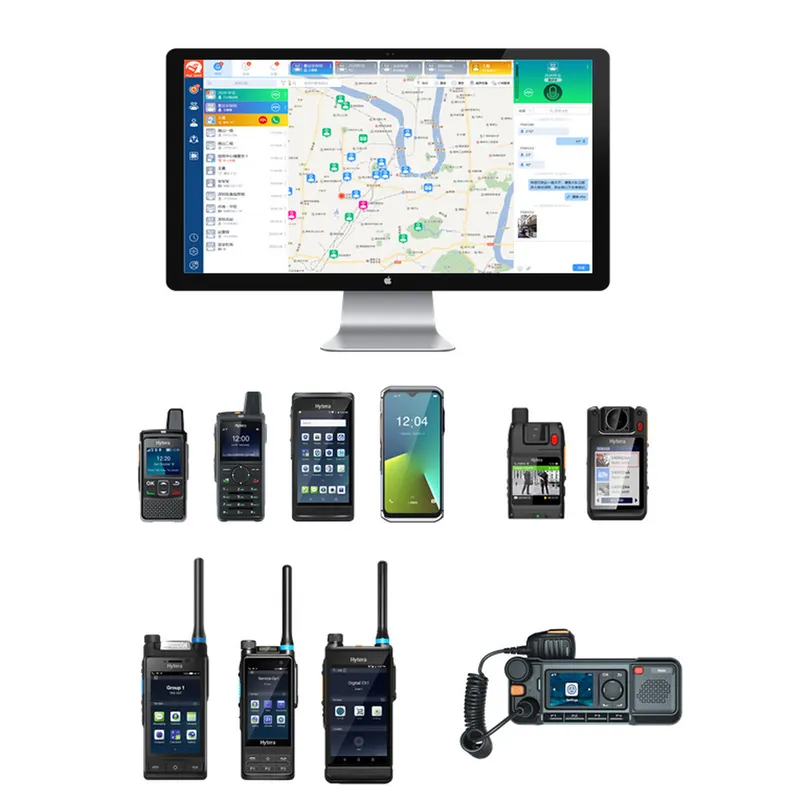
Hytera HyTalk as a Service Multimedia PTT Service


PoC (Push-to-Talk over Cellular) carries radio traffic over mobile broadband instead of dedicated RF infrastructure. Coverage becomes national on day one with no repeaters and no frequency licence, at the cost of depending on the operator network. It suits fleets spread across the country.
Hytera HyTalk as a Service Multimedia PTT Service
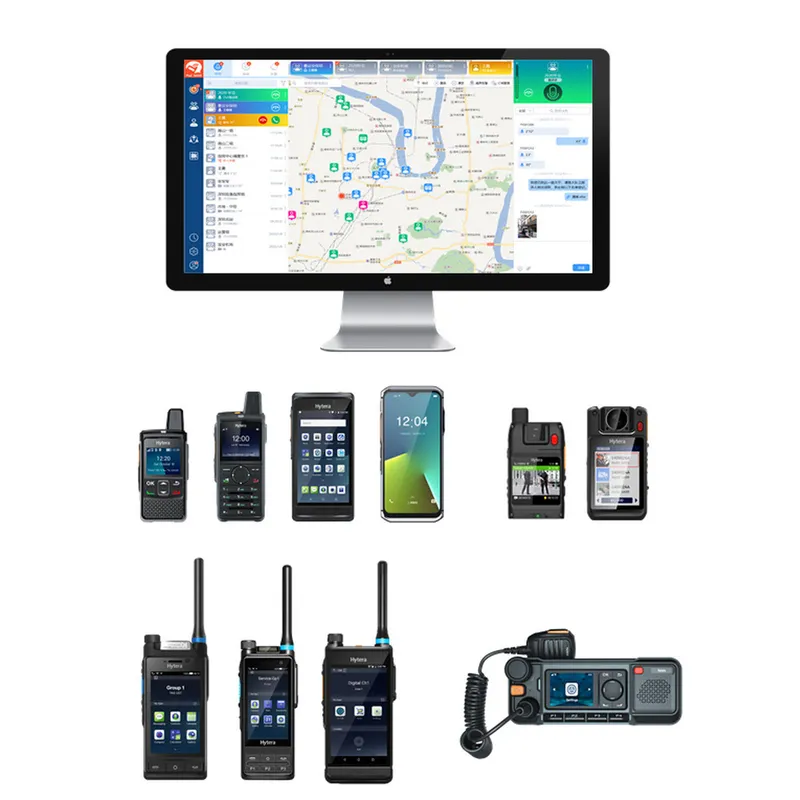
Hytera HyTalk by Case Direct User Mode On-Premises Solution
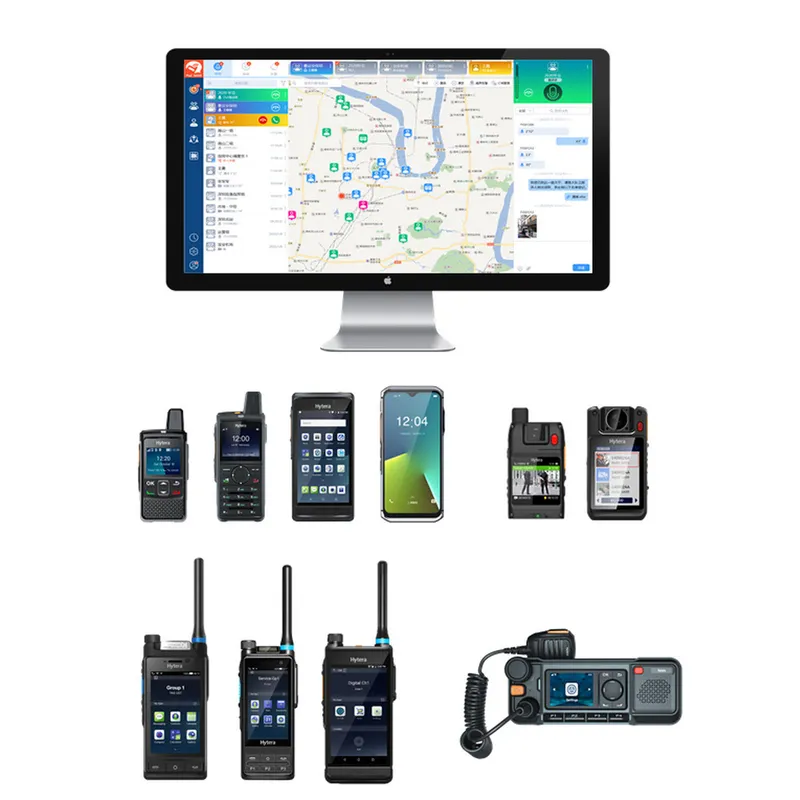
Hytera HyTalk by Case Operational Mode Operator-Managed Solution
Hytera HyTalk Lite Channel Package
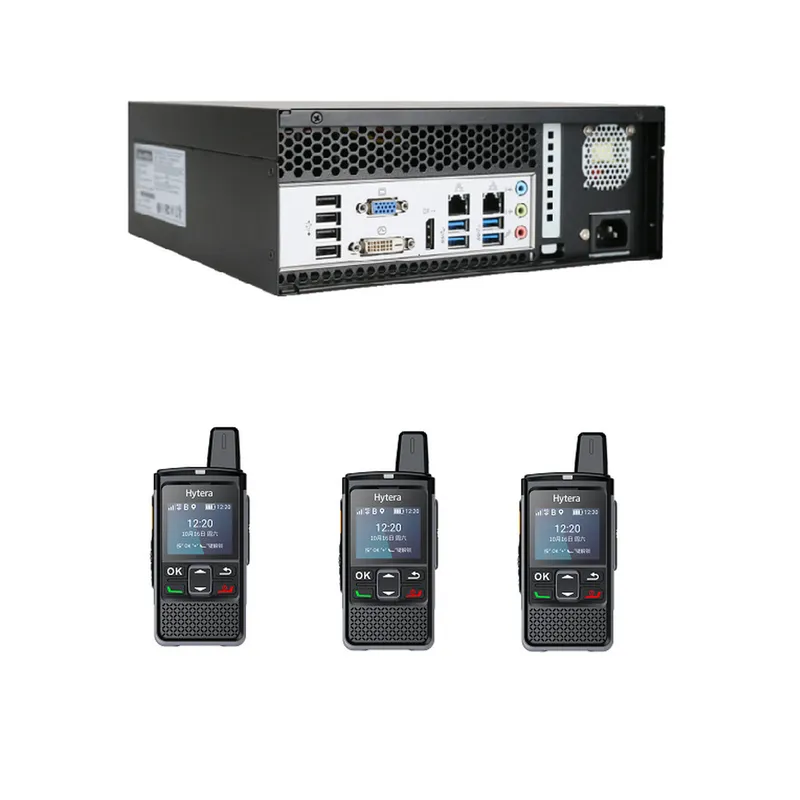
Hytera HyTalk Lite Small Business PTT Solution
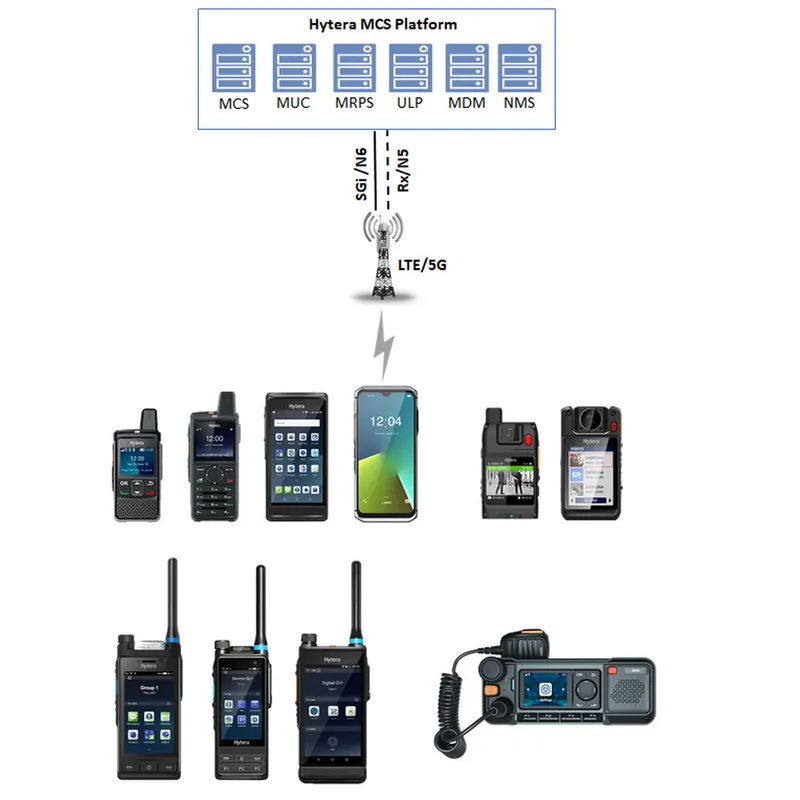
Hytera HyTalk MC for End Users MCX Solution
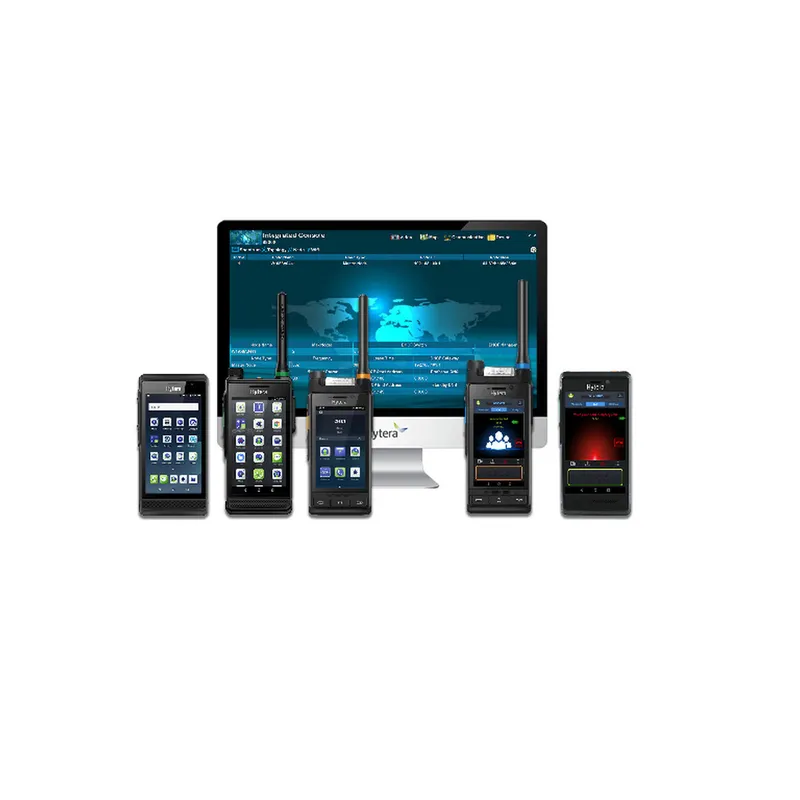
Hytera HyTalk MC for MNOs MCX Platform
Hytera HyTalk MC Mission-Critical Multimedia Communication Platform
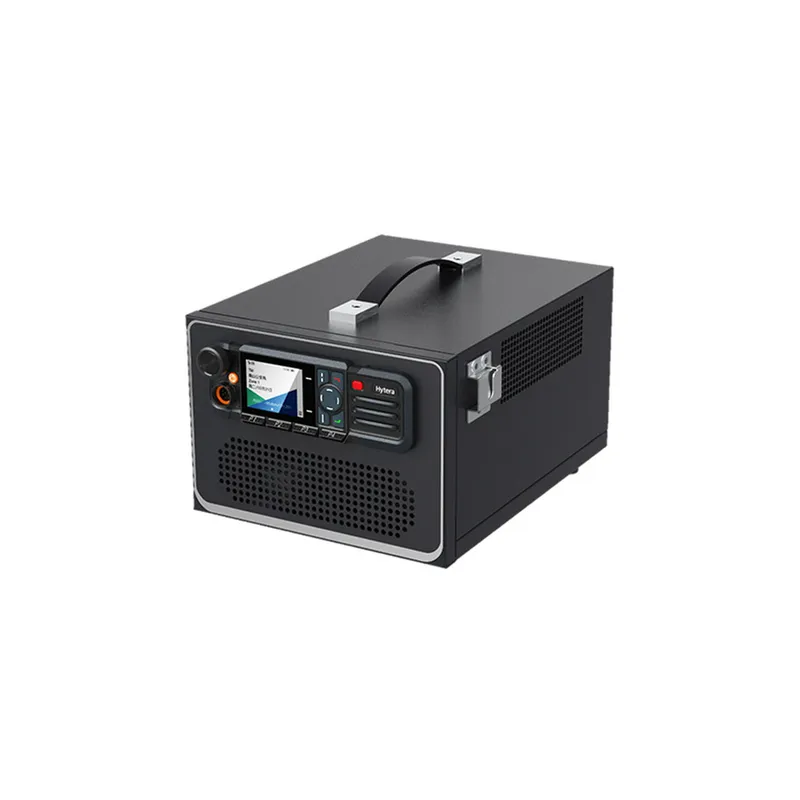
Hytera HyTalk PMR Gateway Solution
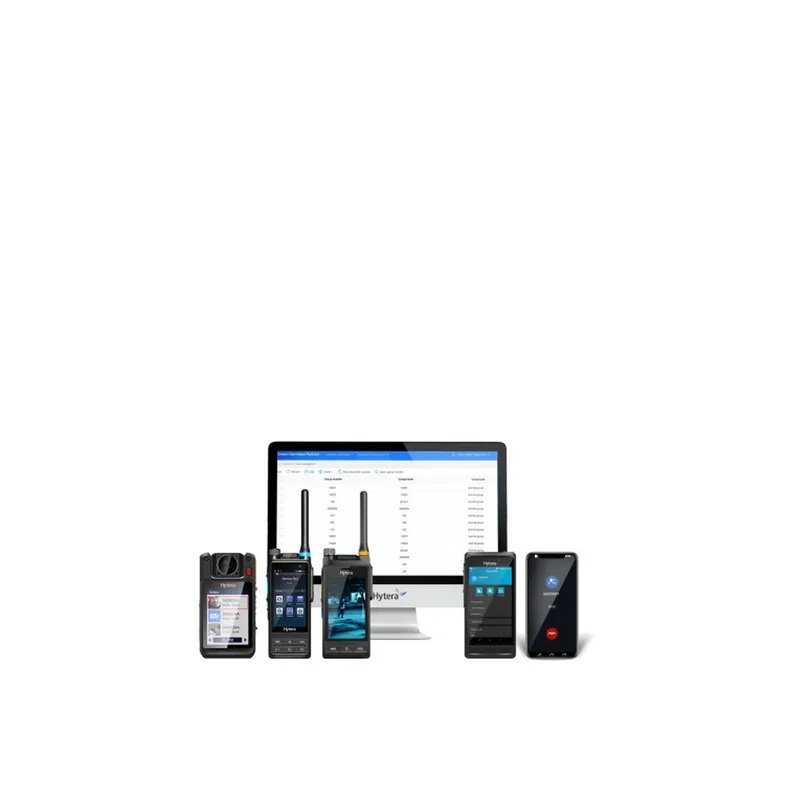
Hytera HyTalk PoC Platform
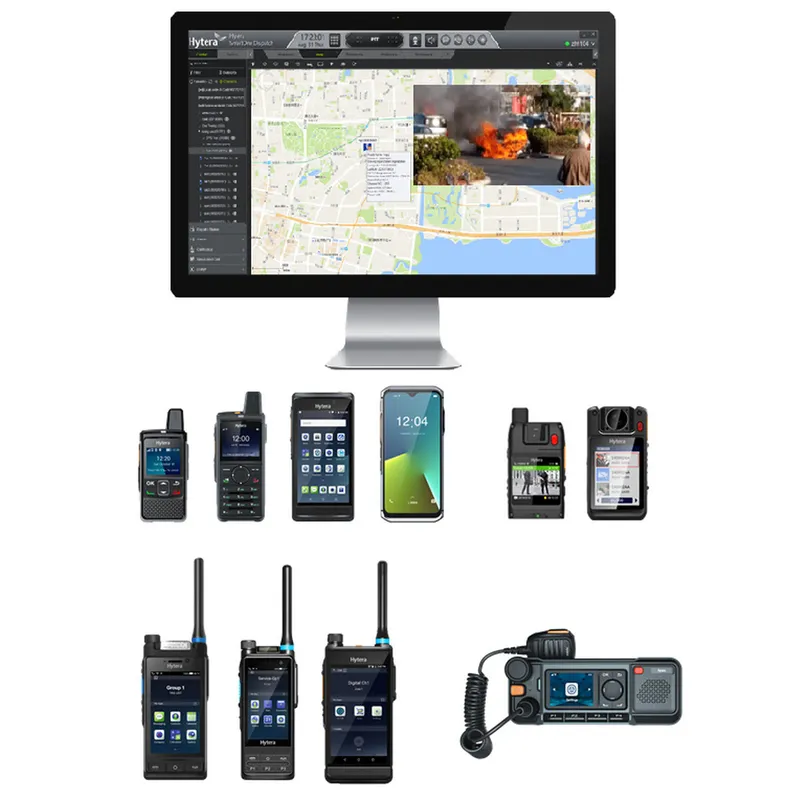
Hytera HyTalk Pro by Case PMR-to-PTToC Migration Solution
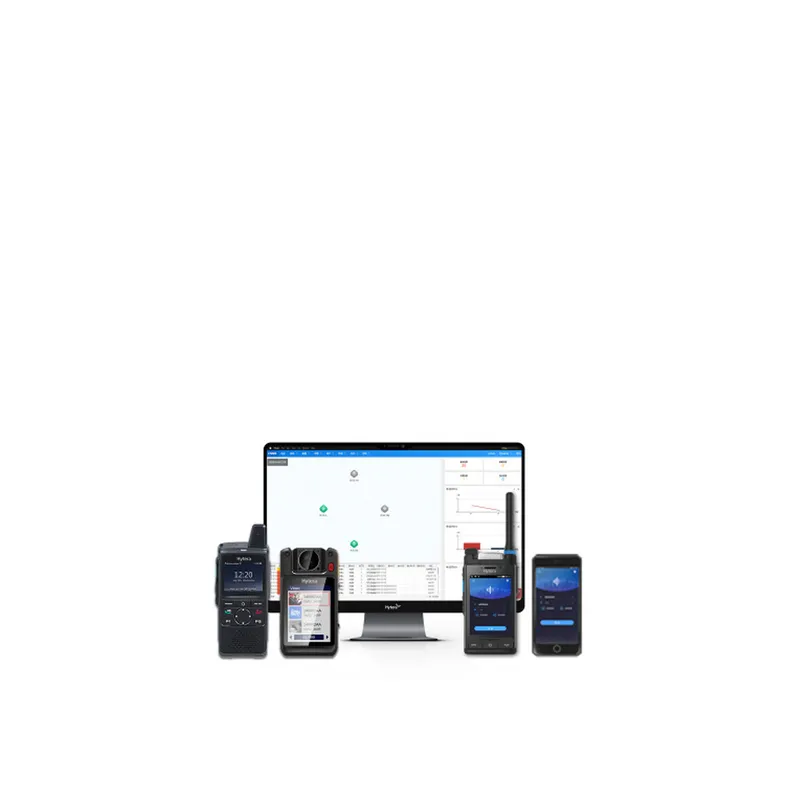
Hytera HyTalk Pro Channel Package
PoC — Push-to-Talk over Cellular — carries group radio traffic over mobile broadband instead of over dedicated radio infrastructure. There are no repeaters, no masts, no frequency application, and coverage on the first day is the operator’s national coverage.
What does not change is the user experience. A Hytera PoC handset has a physical PTT key, a loud speaker, a rugged sealed body and a battery sized for a shift. The driver presses the key and talks to the group. Nothing about the operation needs retraining.
What changes is everything behind that:
| DMR / TETRA | PoC | |
|---|---|---|
| Coverage | What you build | The operator’s national footprint |
| Infrastructure | Repeaters, antennas, sites, power | None |
| Frequency licence | Required, per frequency | None |
| Cost model | Capital, then near-zero running | Low capital, monthly per device |
| Range limit | Your coverage design | Anywhere with mobile data |
| Dependency | Your own equipment | A commercial network |
| Behaviour in a major incident | Unaffected | May congest with everyone else |
The last two rows are the whole argument. PoC removes the infrastructure problem by outsourcing it, which is excellent value right up until the moment the outsourced network is the thing that fails.
That last case is the most common in practice. A site keeps its DMR system for on-site work and adds PoC for the long-distance fleet, with a gateway so both hear the same dispatcher.
Because traffic already traverses an IP network, features that would need extra infrastructure on a conventional system come as standard: live position on a map, route history, geofence alerts, voice recording, individual and group calls, text and image messaging, video streaming from the handset, and an operator dispatch console reachable from a browser.
For an operation that has never had visibility of its field fleet, this dispatch layer is frequently worth more than the voice service.
Three questions decide it:
1. Where do the users work? Concentrated on one site favours DMR; scattered across provinces favours PoC. 2. What does an outage cost? If the answer includes safety, PoC alone is not sufficient. 3. What is the horizon? Over five years, subscriptions accumulate; over eighteen months they do not.
TechnoRF supplies Hytera PoC terminals, sets up the dispatch platform, configures groups and geofences, and — where the answer is neither one nor the other — builds the hybrid architecture that runs both. Get in touch.
Both exist and they are not equivalent. A PoC handset is built as a radio: a physical PTT key, a loud front-facing speaker, a rugged sealed body, an all-day battery and no distracting applications. A phone app on a consumer handset gives the same protocol with none of those properties, which is why it fails in an actual working environment.
The system stops. This is PoC’s defining trade and it must be stated plainly: coverage is the operator’s coverage, and during a major incident commercial networks congest exactly when the operation needs them. Where that risk is unacceptable, PoC is combined with DMR or TETRA on infrastructure you own, rather than used alone.
No. PoC uses the mobile operator’s licensed spectrum, so there is no frequency application and no repeater to authorise. In exchange there is a per-device monthly subscription, which is the cost model to compare against DMR’s higher one-off investment and near-zero running cost.
It depends entirely on geography and on time horizon. For a fleet scattered across provinces, DMR would need a repeater network that PoC replaces with a subscription, and PoC wins decisively. For one site with a hundred users, DMR pays for itself against subscriptions in roughly two to three years and then costs almost nothing. Calculate over five years, not over the purchase order.
The Hytera product range, TechnoRF engineering, installation, maintenance, technical service and business continuity planning — brought together into a system designed for how your operation actually works.
We deliver not only what you need, but more than you expect .