Specifications

Compatibility and Integration

PMR Systems
DMR Tier II/III, TETRA, PDT, analogue (voice bridge)
Broadband
HyTalk/PoC, LTE/5G terminals and applications
Dispatch/External
Integration with existing dispatch solutions and SIP/API-based systems (scenario dependent)

Identity and Policy

ID Mapping
ISSI/TEI/DMR ID ↔ HyTalk/PoC user and group ID
Policies
Group mapping table, access and priority policies

Deployment and Scale

Installation
Physical appliance or virtual machine
Topology
Single-site, multi-site or regional bridging
High Availability
Optional redundant nodes and automatic takeover

Calling and Messaging

Group Call
Synchronised group calls between PMR and PoC/LTE/5G
Private/Emergency
Individual and emergency call patching
Data/Messaging
Basic short message and status transfer (depending on platform capability)

Security and QoS

Encryption
Transport and/or end-to-end encryption options
QoS
Priority, pre-emption and bandwidth management

Operation

Management
Web-based interface, monitoring and logging
Maintenance
Remote configuration and software update

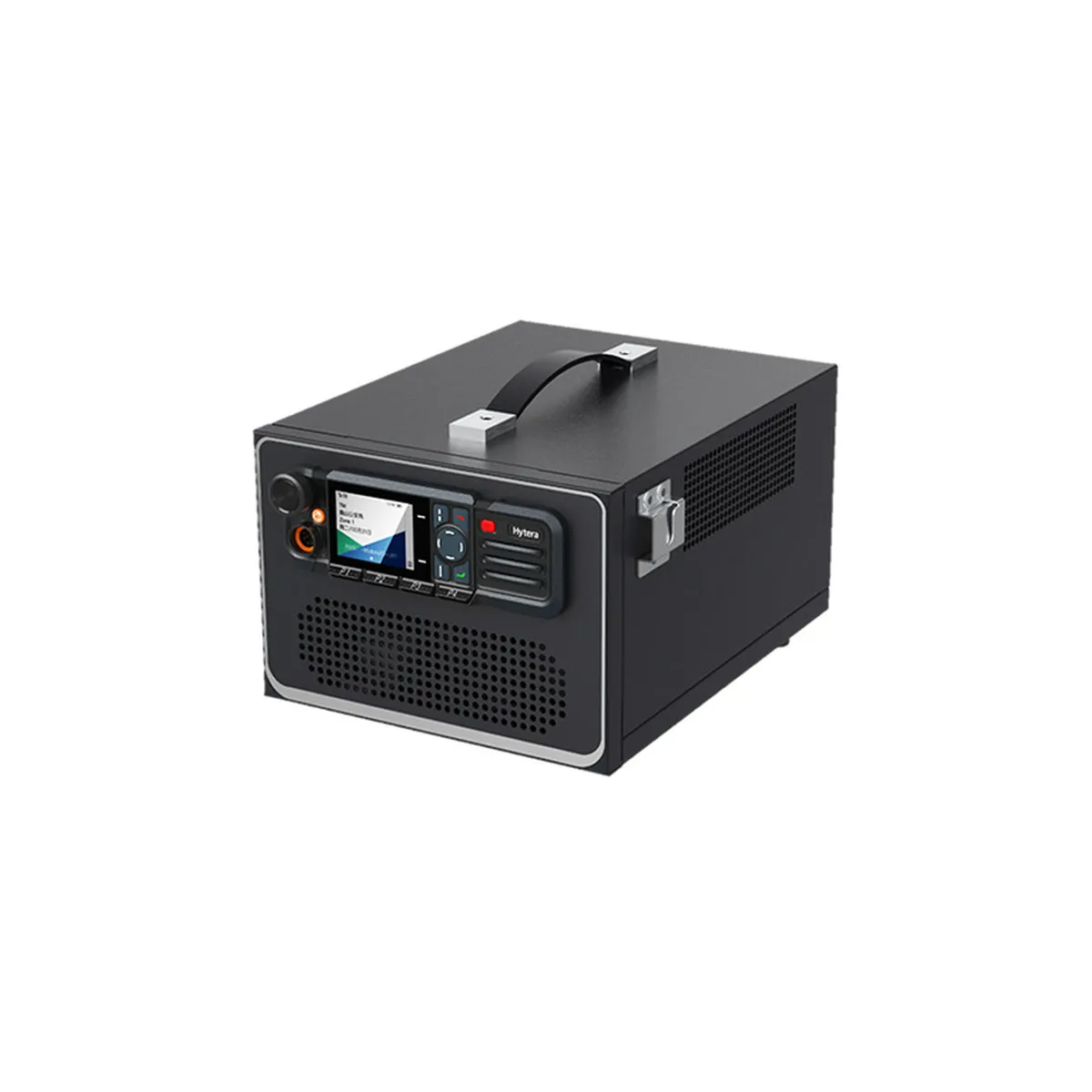
Hytera HyTalk PMR Gateway Solution — Detail

Broadband terminals cannot talk to a narrowband radio network on their own, and replacing the whole PMR estate to fix that is an investment most organisations cannot justify. The gateway is the third option.

What it bridges

  • Two-way calling between PMR (DMR, TETRA, PDT, analogue) and PoC, LTE and 5G endpoints — group, private and emergency calls, plus messaging
  • Group mapping and identity mapping — ISSI, TEI and DMR ID matched to HyTalk and PoC IDs, under common dialling rules and numbering
  • Vocoder conversion between the two worlds
  • Encryption and QoS carried across the bridge rather than terminating at it

Why identity mapping is the real work

Bridging audio is the straightforward half. What determines whether a mixed estate is usable is whether a radio ID and a broadband user ID resolve to the same person under one dialling plan. Without that, a dispatcher maintains two directories describing one workforce, and the mistakes happen at the boundary.

Where it is used

Public safety, transport, energy and utilities, industry, logistics and corporate security — anywhere a working PMR network exists and part of the workforce has moved to broadband terminals.

What to scope explicitly

Which features must carry across. Voice and group calls carry reliably; advanced data services and vendor-specific features generally do not. Writing that scope down at design time is what keeps the project measured against what it can actually do. See radio network integration.

We deliver not only what you need, but more than you expect .