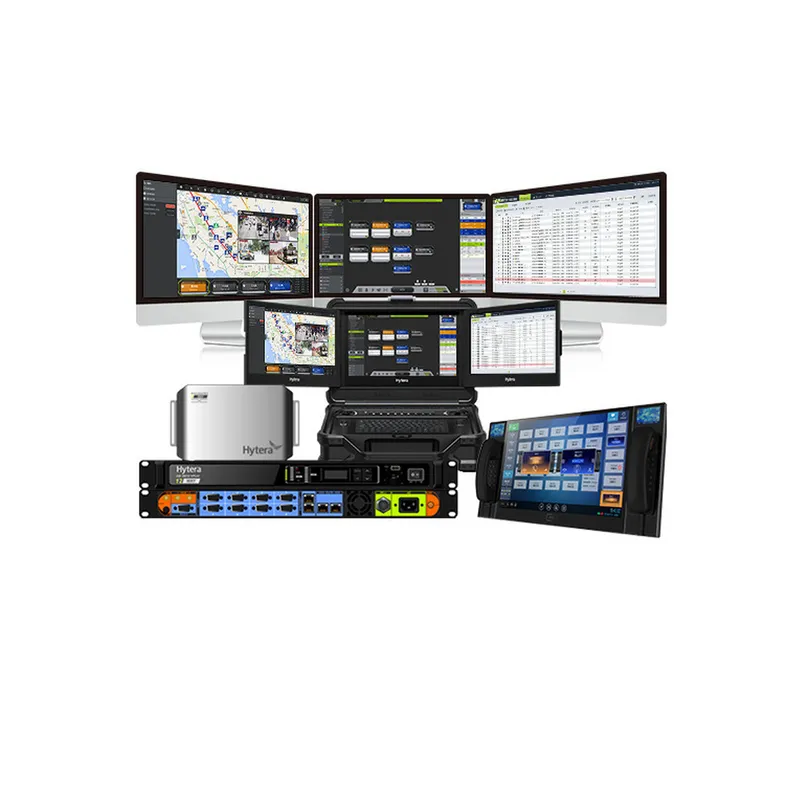
Hytera Converged Communication System


Industrial IoT connects sensors and equipment to systems that act on what they report. The technology choice follows the data profile — how often, how much, how far, on what power — and the value follows from having a decision attached to the data before the sensors are installed.
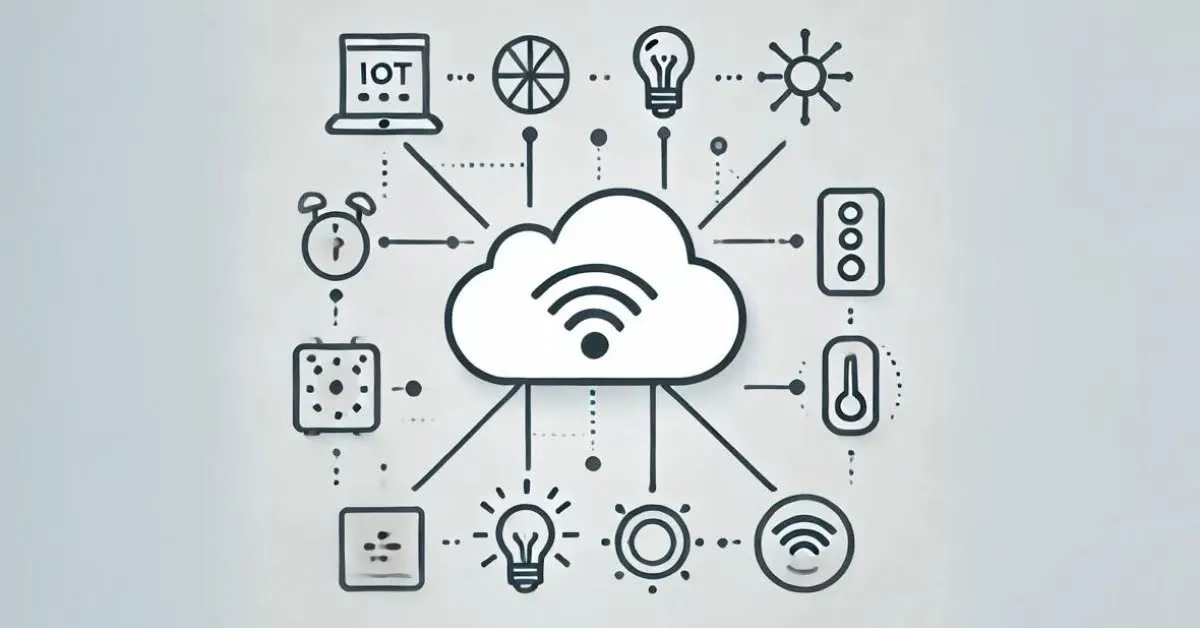
Industrial IoT means connecting equipment and sensors to something that acts on what they report. The technology is straightforward; the discipline is in deciding what is worth measuring.
The projects that pay for themselves begin with a decision currently made badly, late, or not at all:
Each of those has a measurable cost. Instrumenting it has a payback that can be calculated before the purchase. Instrumenting things because they can be instrumented produces dashboards that nobody opens.
| Technology | Range | Data rate | Power | Fits |
|---|---|---|---|---|
| LoRaWAN | Kilometres | Very low | Battery, years | Distributed sensors, wide area |
| NB-IoT / LTE-M | Operator coverage | Low | Battery, years | Sites without private infrastructure |
| Cellular (LTE) | Operator coverage | High | Mains or large battery | Cameras, gateways, vehicles |
| Wi-Fi | Tens of metres | High | Mains | Indoor devices near power |
| DMR data | Your radio coverage | Very low | Mains or vehicle | Telemetry alongside voice |
| Wired | Cable length | High | Mains | Anything that must not fail |
Most real deployments mix them. A site might run LoRaWAN for battery sensors across the yard, cellular for vehicle gateways, and wired connections for anything in the safety chain.
Reporting interval. It sets battery life, network load and how quickly a problem is noticed. Every minute is rarely necessary and always expensive.
Gateway placement and backhaul. A gateway is a radio site with the same coverage and power questions as any other, and a gateway with an unreliable backhaul is a sensor network with no output.
Security. Devices in the field are physically reachable. Encryption in transit, authenticated devices, segmented networks and a way to revoke a compromised unit are baseline requirements, not enhancements. See firewall and network security.
Lifecycle. Batteries are replaced, firmware is updated, devices fail and platforms change. A deployment of a thousand sensors with no update mechanism becomes a liability in its third year.
Field teams already carry radios. The most useful IoT integrations in practice are the ones that close the loop through that existing channel: an alarm condition raised by a sensor arrives as a call or a text on the technician's radio, and the dispatch position sees both the sensor state and the team's position on the same screen.
That integration is where a sensor network stops being a monitoring exercise and starts changing response time.
Requirement and payback analysis, network technology selection, coverage design for the chosen technology, gateway siting and backhaul, security and segmentation, integration with existing radio and dispatch, and ongoing maintenance. Get in touch.
It follows the data profile rather than fashion. LoRaWAN suits small payloads over kilometres on battery power lasting years. Cellular IoT suits sites already covered where per-device subscription is acceptable. Wi-Fi suits high data rates near mains power. Wired suits anything that cannot be allowed to fail. Most real deployments use two or three of these, chosen per device class.
No decision attached to the data. Sensors get installed, a dashboard is built, and nobody changes what they do because of it. The projects that pay back start from a decision that is currently made badly or too late — an unnoticed failure, an unnecessary journey, an avoidable stoppage — and instrument only what that decision needs.
On a well-designed low-power network, three to ten years, because the device sleeps almost all the time and transmits briefly. What destroys that figure is reporting frequency: a sensor sending every minute instead of every hour will not see out its second year. Choosing the interval is a design decision with a direct maintenance cost attached.
To a degree. DMR carries telemetry alongside voice and can serve a modest number of endpoints without a separate network. Beyond that the traffic competes with voice for capacity, and a dedicated low-power network is both cheaper and better behaved. We calculate the traffic budget before recommending a shared design.
The Hytera product range, TechnoRF engineering, installation, maintenance, technical service and business continuity planning — brought together into a system designed for how your operation actually works.
We deliver not only what you need, but more than you expect .