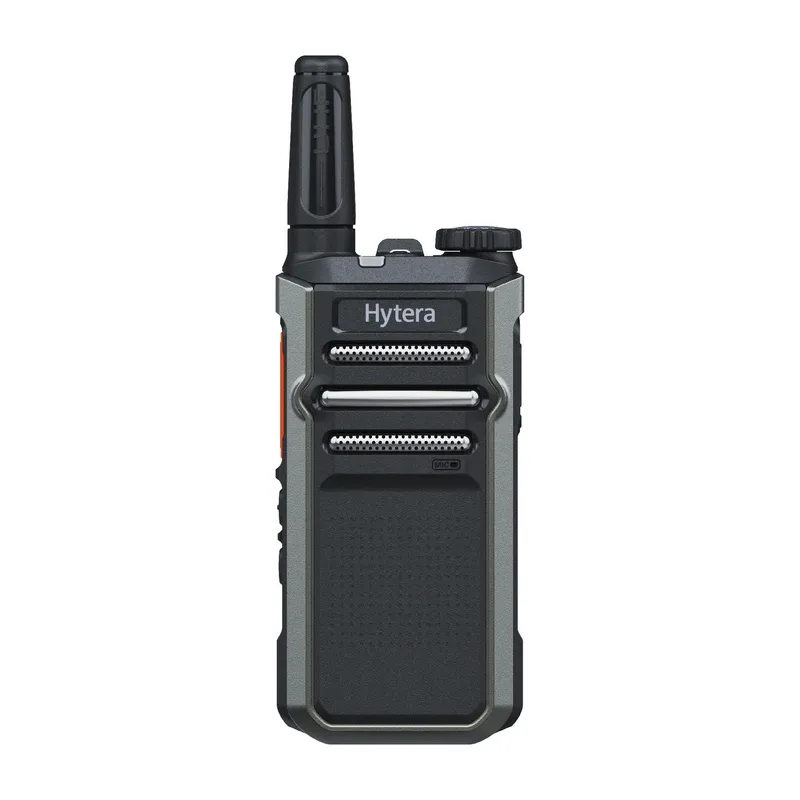
Hytera AP325 Handportable Radio


Communication solutions are the foundation on which organisations keep fast, reliable and sustainable contact between field teams and their control centres. TechnoRF designs, licenses, installs and maintains analogue, DMR, DMR Tier III, TETRA, PoC and specialised coverage systems.
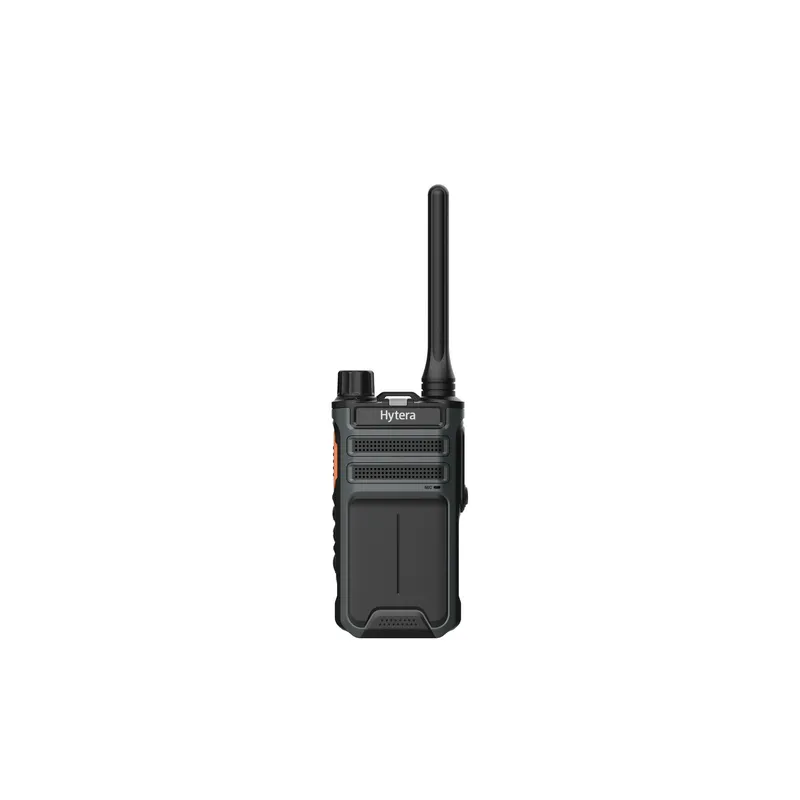
Hytera AP325 Handportable Radio
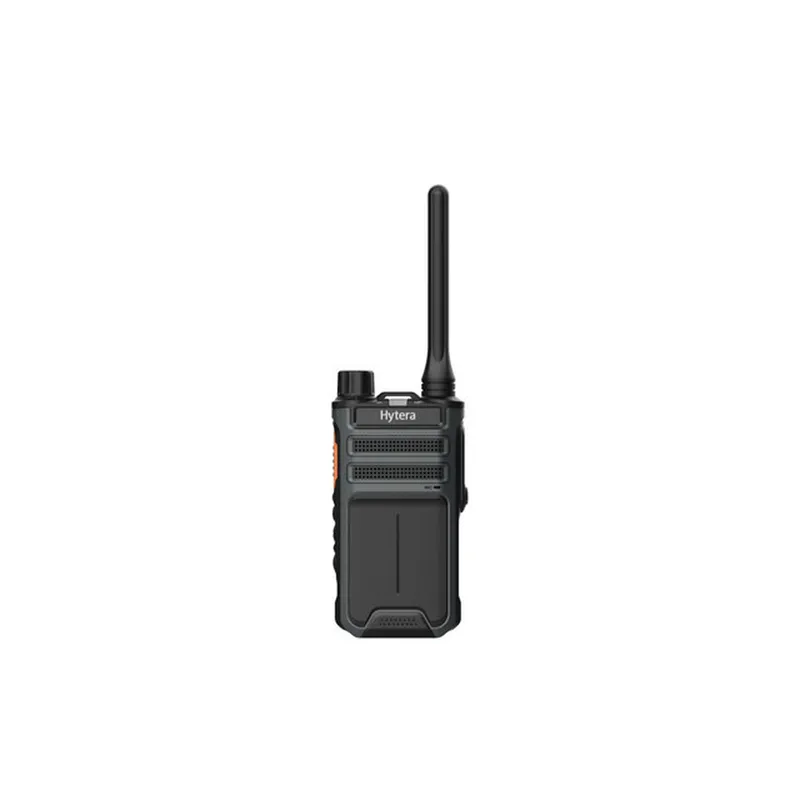
Hytera AP519 Handportable Radio
Hytera AP519LF Licence-Free Analogue Handportable Radio
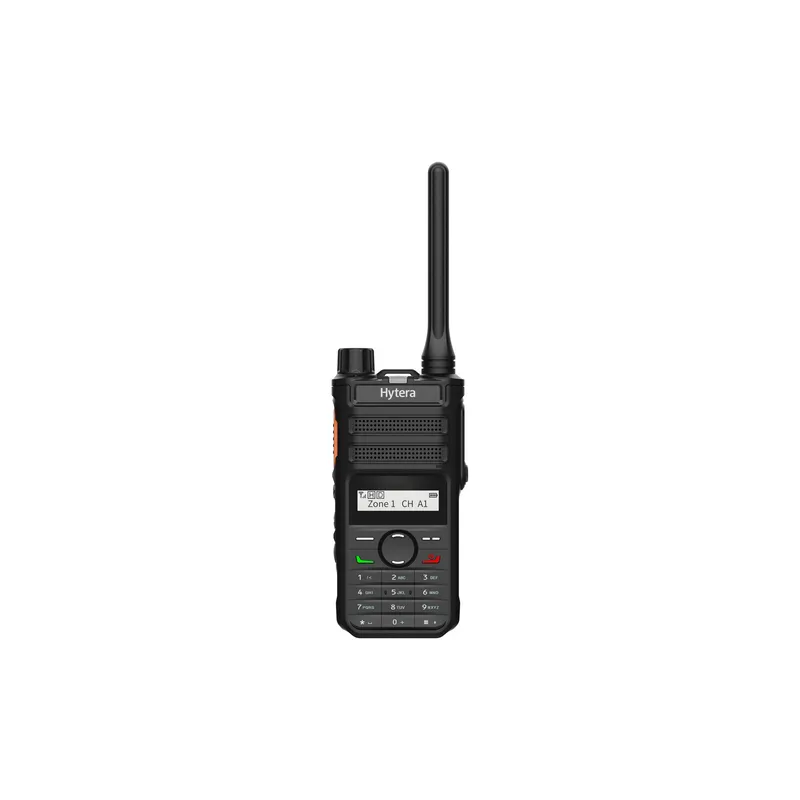
Hytera AP589 Handportable Radio
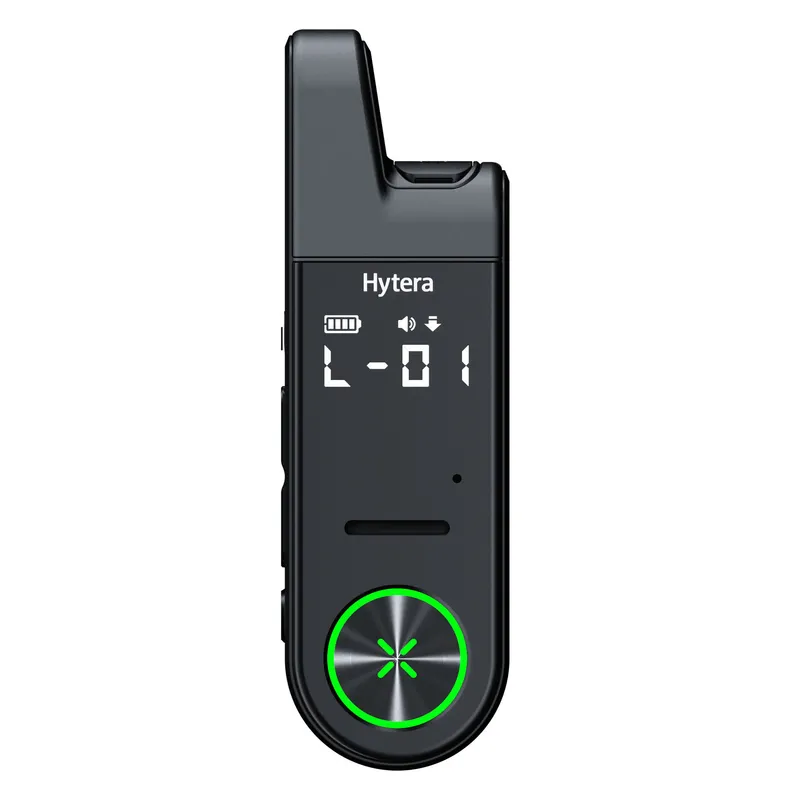
Hytera S1 Mini S-Series Compact Handportable Radio
Hytera S1 MiniLF S-Series Licence-Free Compact Handportable Radio
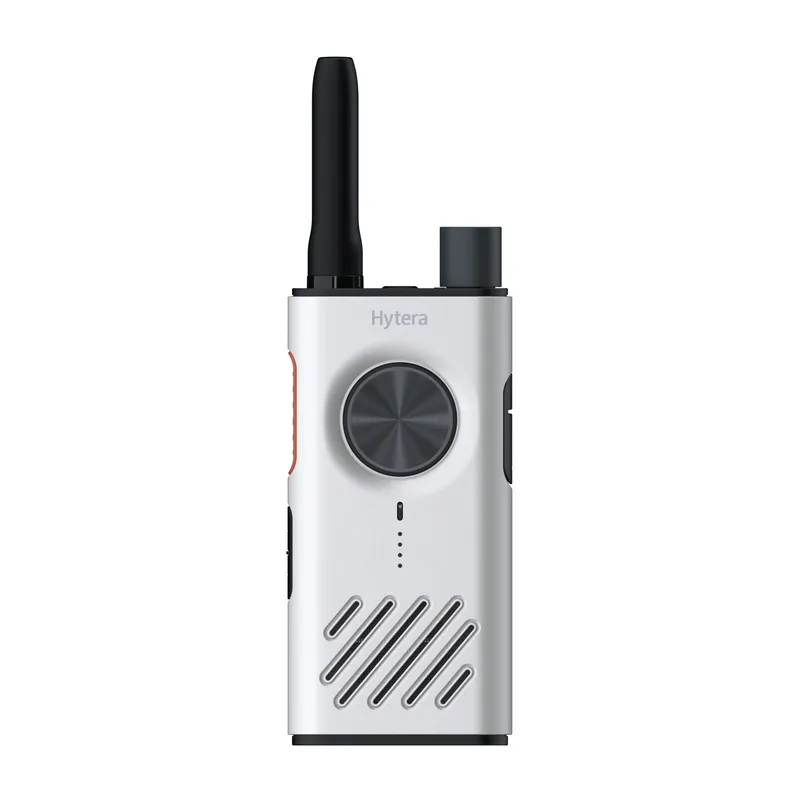
Hytera S1 S-Series Handportable Radio
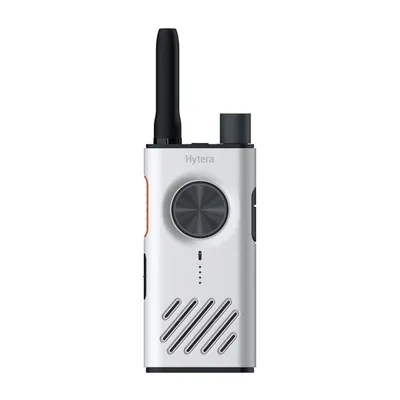
Hytera S1LF S-Series Licence-Free Handportable Radio
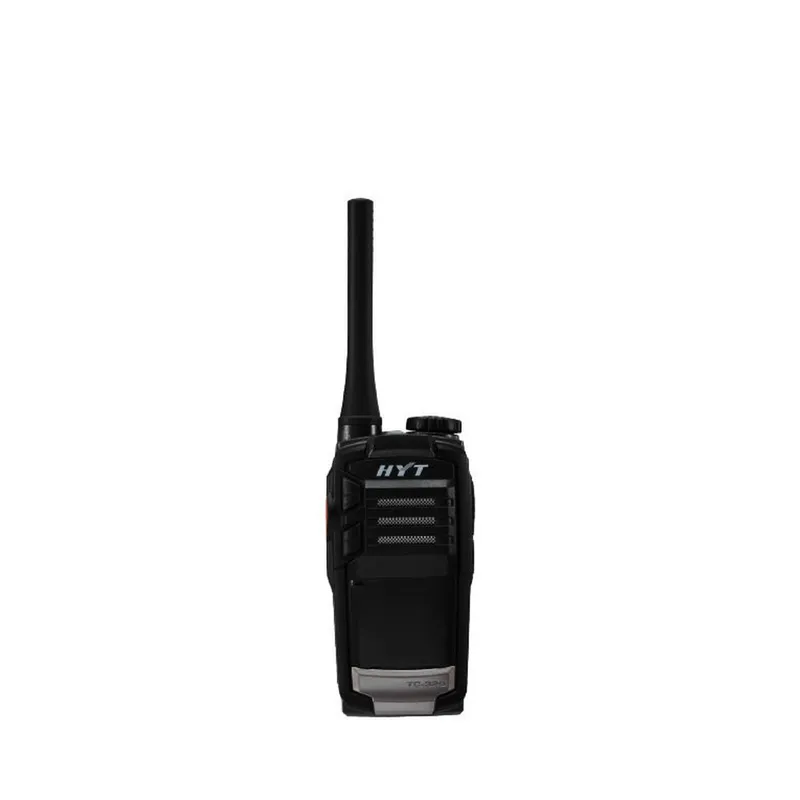
Hytera TC320 Entry-Level Handportable Radio
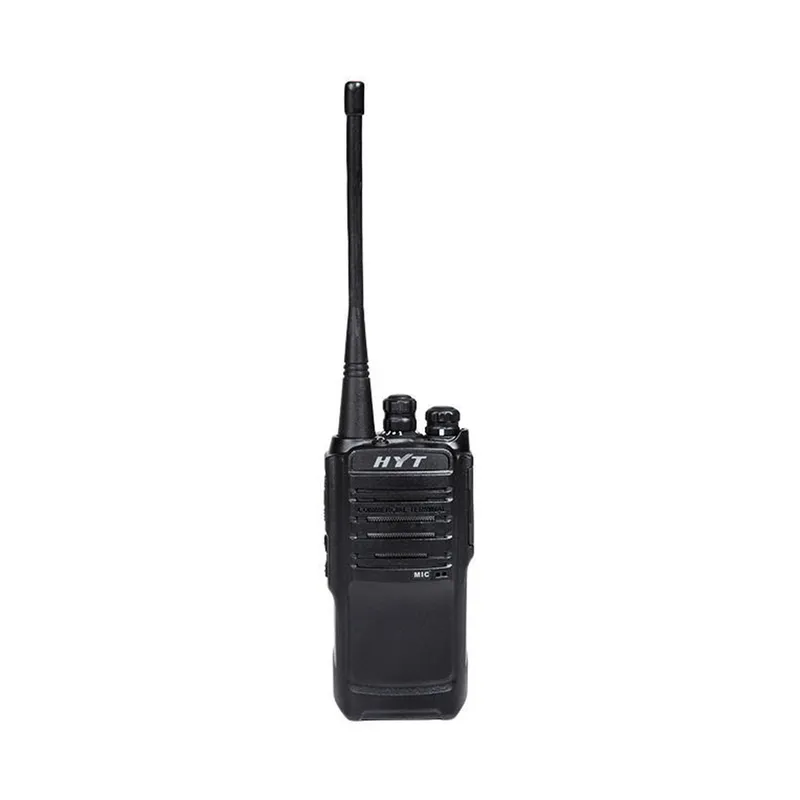
Hytera TC508 Professional Handportable Radio
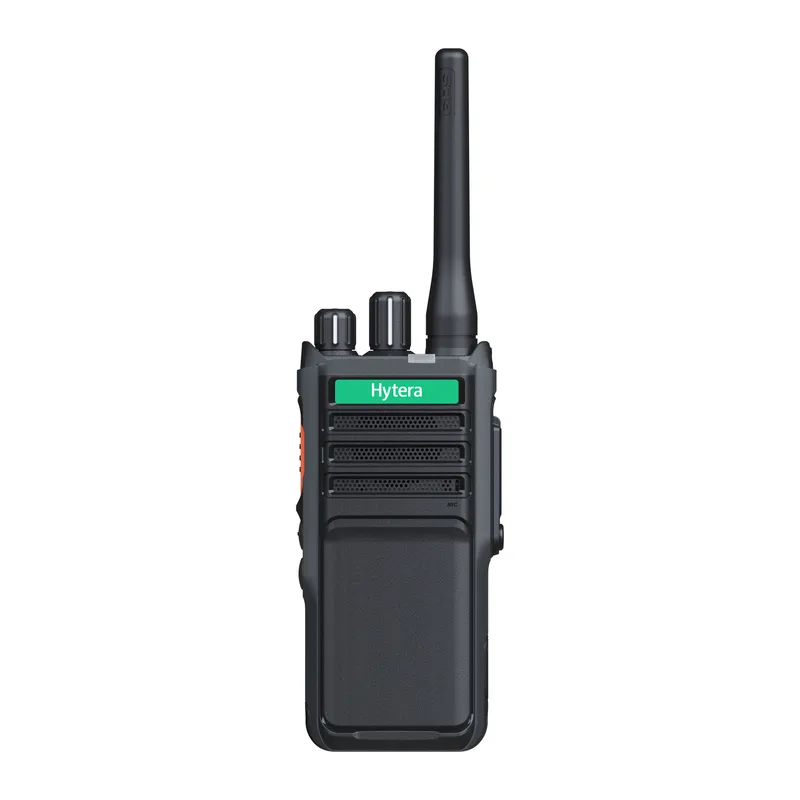
Hytera HP509 UL913 Intrinsically Safe DMR Handportable Radio
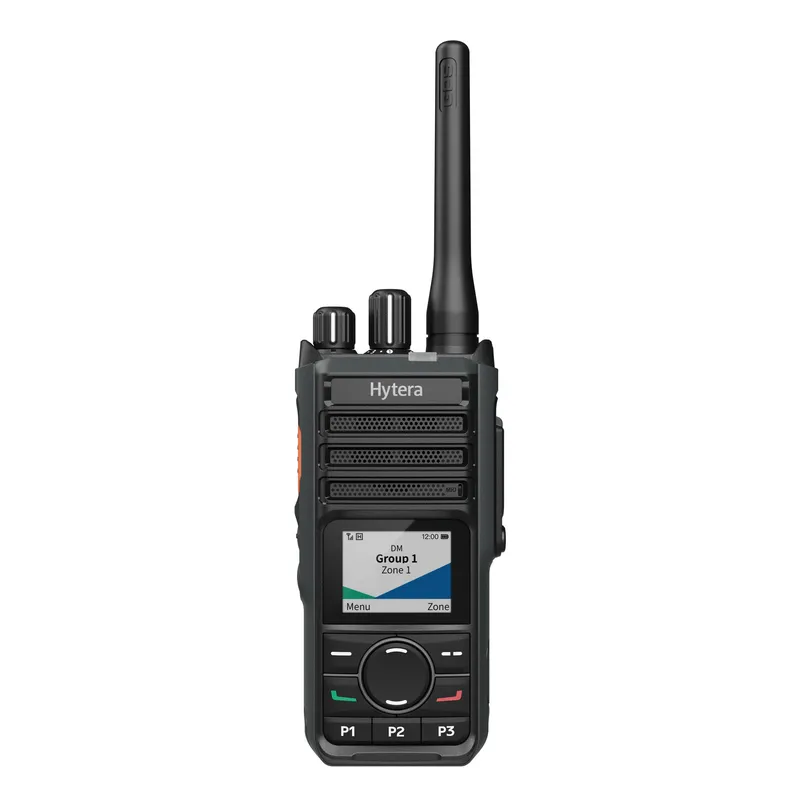
Hytera HP569 UL913 ATEX DMR Handportable Radio
Communication solutions are the foundation on which organisations keep fast, reliable and sustainable contact between field teams and their control centres. The technology is chosen from the operation, not from a catalogue.
| Technology | Where it fits | Main constraint |
|---|---|---|
| Analogue (PMR/LMR) | Small teams, single channel, simple coordination | One channel carries one conversation; no data |
| DMR Tier II | Mid-sized sites, single repeater | Fixed channels; users wait when a channel is busy |
| DMR Tier III | Large fleets, multiple repeater zones | Requires a controller and system design |
| XPT | Mid-scale, single-vendor systems | Not a standard trunking protocol |
| TETRA | Public safety, airports, metro, ports | Higher equipment and infrastructure cost |
| PoC / MCS | Fleets spread across the country | Coverage is the mobile operator's coverage |
| HF-SSB | Very long range without infrastructure | Low data rates, propagation dependent |
The decisive question is rarely "which is most advanced". It is how many seconds of outage the operation can absorb and how far apart the users are.
Whether one repeater covers a site depends on terrain, building structure, antenna height and the receiver's sensitivity — not on the transmit power printed on the box.
The order that works:
1. Requirement analysis — user count, group structure, growth plan 2. Site survey and RF coverage analysis 3. Technology selection and system design 4. Frequency planning and BTK licence application 5. Installation, programming and commissioning 6. Coverage verification measurement and handover
Reversing steps 2 and 3 — buying devices first — is the most expensive mistake in radio projects.
Tunnels, underground car parks, mines and multi-storey basements defeat ordinary coverage design. A single antenna cannot illuminate a long enclosed volume; signal attenuates rapidly against the walls.
The established answer is leaky feeder cable running the length of the space, with amplifiers at intervals to offset cable loss. Distributed antenna systems (DAS) serve the same purpose in buildings.
Where one repeater is not enough, sites are linked. Options include IP multi-site links over an existing corporate network, microwave links where no network exists, and simulcast where a single channel must be broadcast from several sites at once.
Simulcast requires precise timing between sites; where it is achieved, users move through the coverage area without switching channels.
Oil, gas, chemical, paint, flour and mining facilities require ATEX or IECEx certified radios. Certification is granted to the combination of device and battery: fitting a standard battery voids it and the device may no longer be used in the hazardous area.
The zone classification is set by the facility's explosion protection document — not by the equipment supplier.
Every project ends with a documented system: architecture diagram, channel and talkgroup plan, device-to-user mapping by serial number, coverage verification report, licence documentation, user guide and maintenance plan.
That documentation is what makes a system expandable and transferable years later. See company profile for the full process, or get in touch to discuss your site.
The deciding factors are geography and tolerance for outage, not user count. For a single site or campus, DMR is usually right: no monthly subscription, lower latency, no dependence on a mobile network. For a fleet spread across the country, the repeater network DMR would need costs far more than PoC. Where an outage means a risk to life, TETRA is the answer.
For professional systems, yes. Radios operating on allocated frequencies require a licence from BTK, the Turkish Information and Communication Technologies Authority. Unlicensed operation is an administrative offence under Law No. 5809. The only exemption is PMR446-class equipment that stays within defined power and antenna limits. TechnoRF prepares and follows the application.
Through RF coverage analysis: a link budget calculation using terrain and building data, followed by site measurement where needed. Buying equipment before coverage is assessed is the most common and most expensive mistake in radio projects — the shortfall only becomes visible after installation.
Yes, through gateways, and this is common in practice: DMR inside the facility, TETRA for interoperability with public agencies, and a dispatch position that hears both. Which features carry across depends on the gateway; voice and basic group calls generally do, advanced data services do not.
The Hytera product range, TechnoRF engineering, installation, maintenance, technical service and business continuity planning — brought together into a system designed for how your operation actually works.
We deliver not only what you need, but more than you expect .