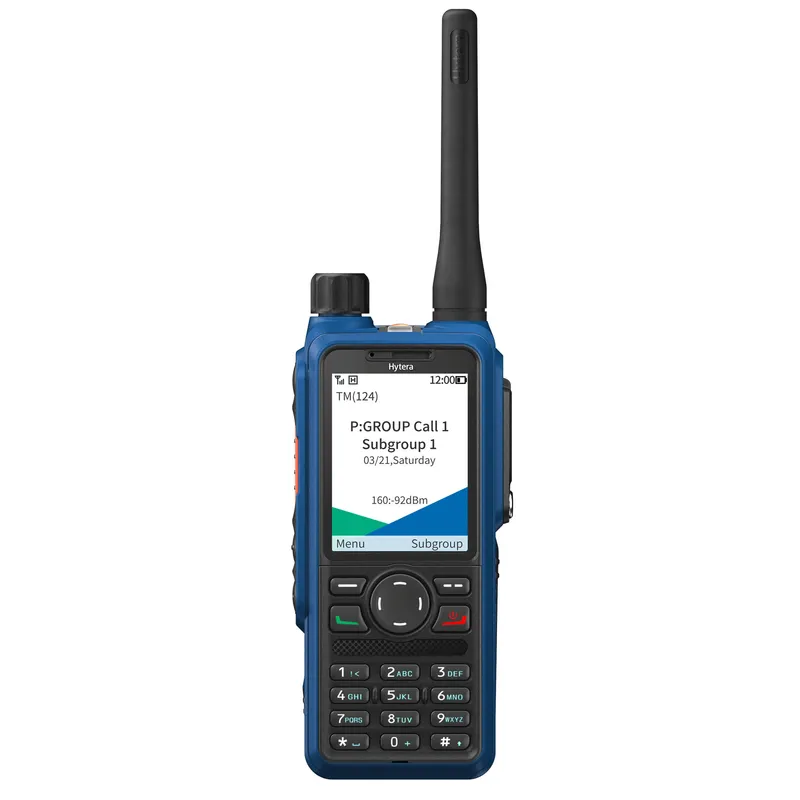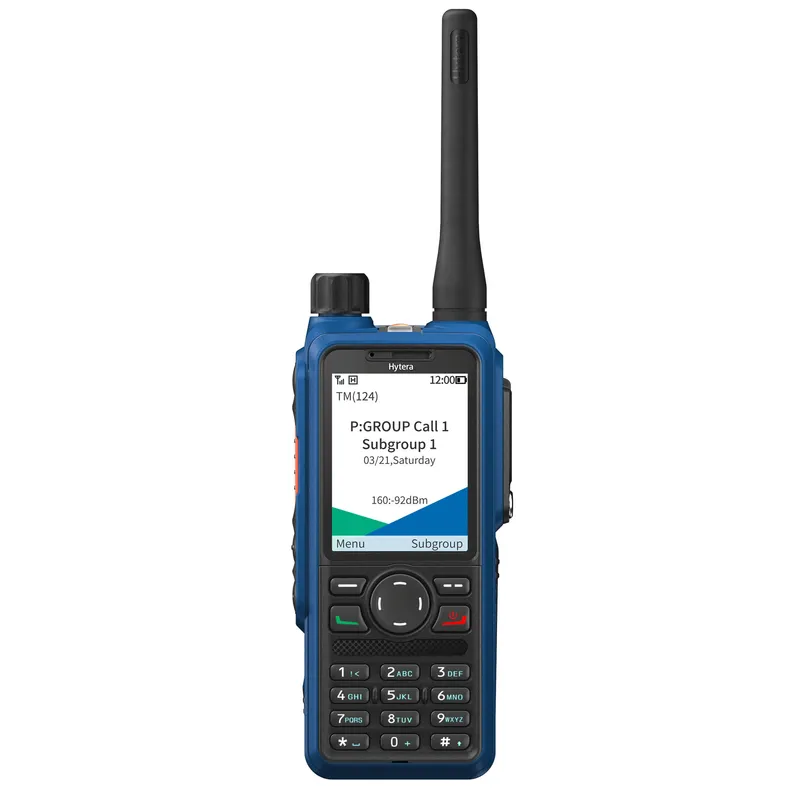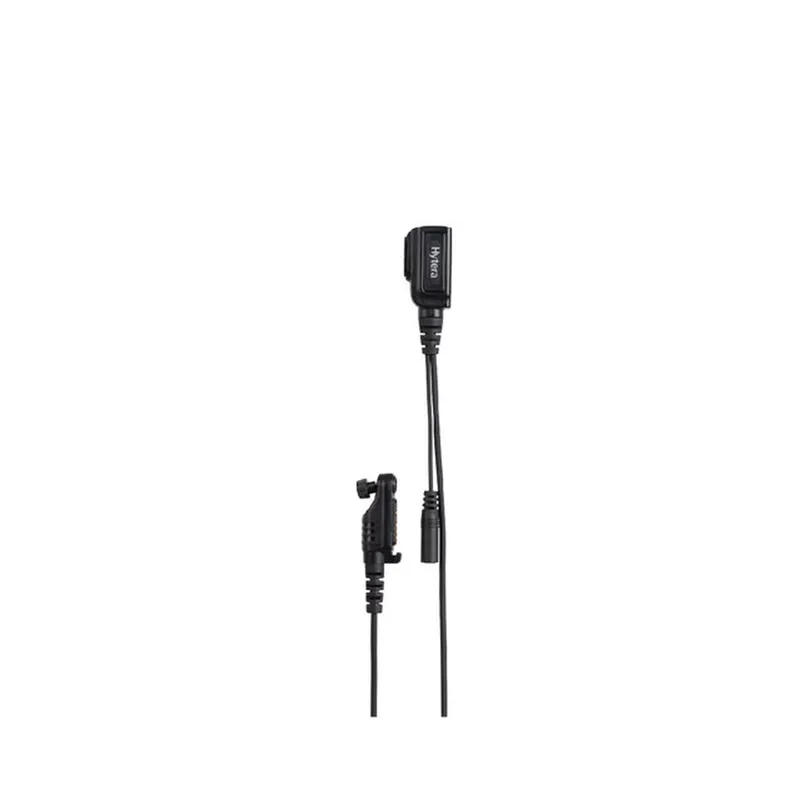
Hytera ACN02P PTT Microphone Cable


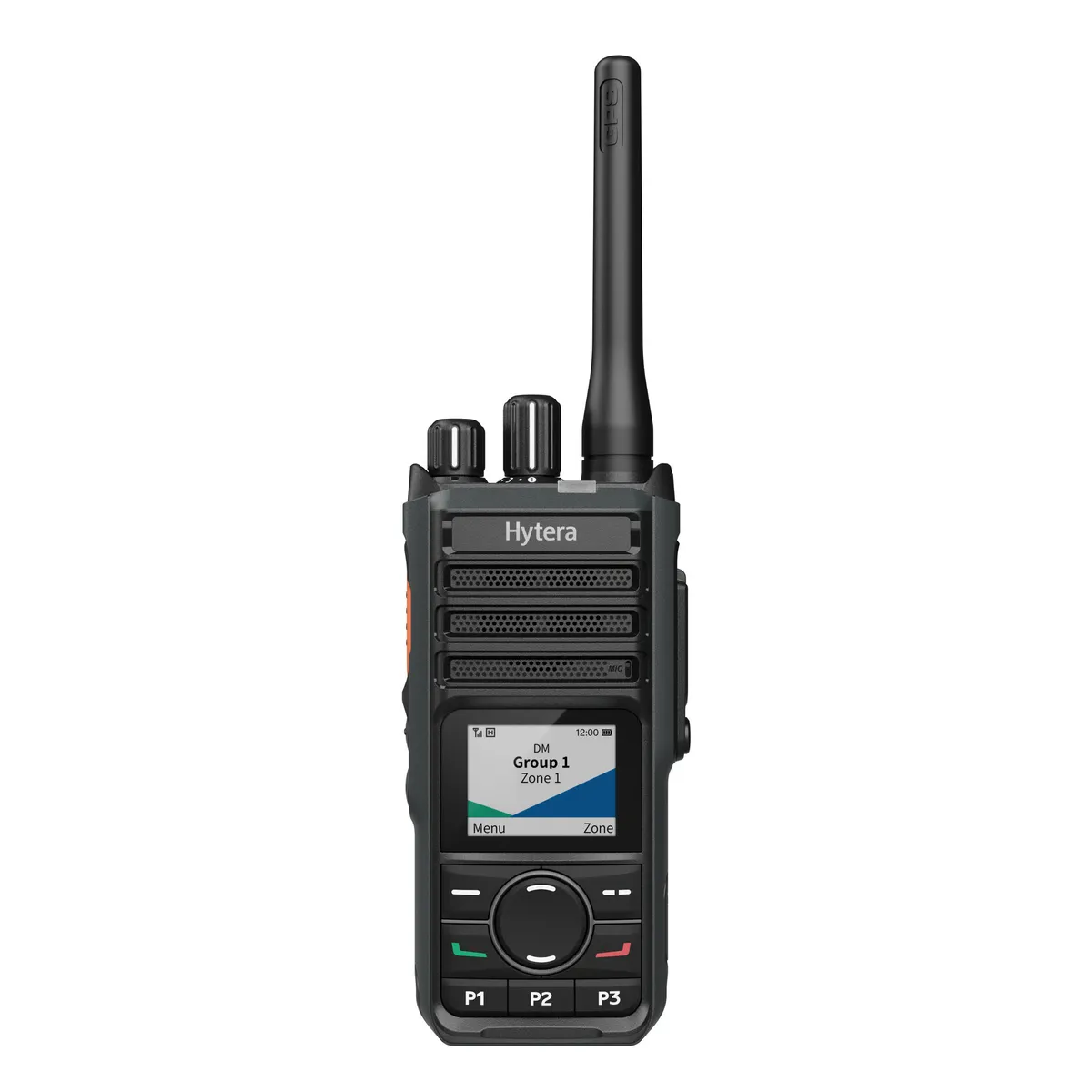
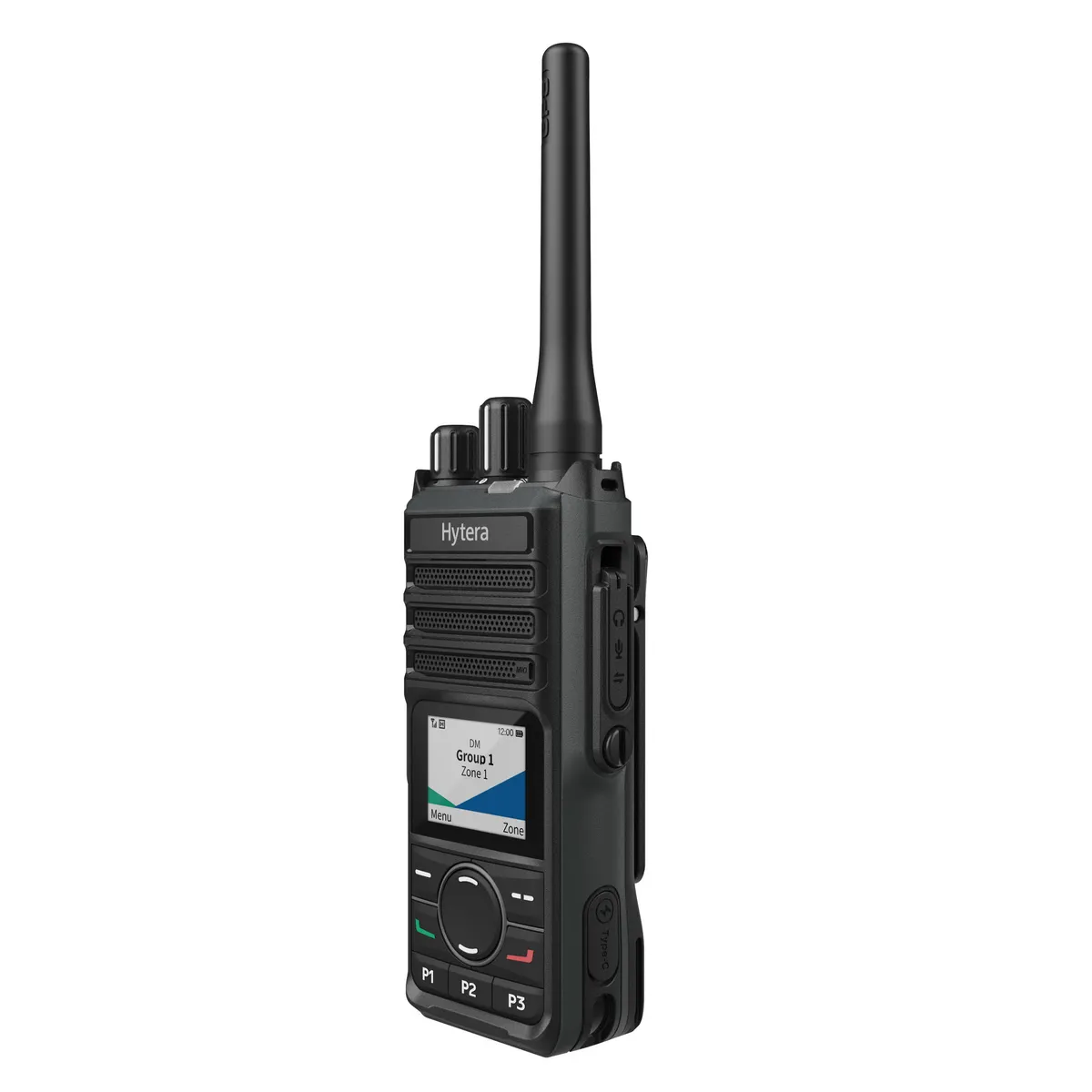
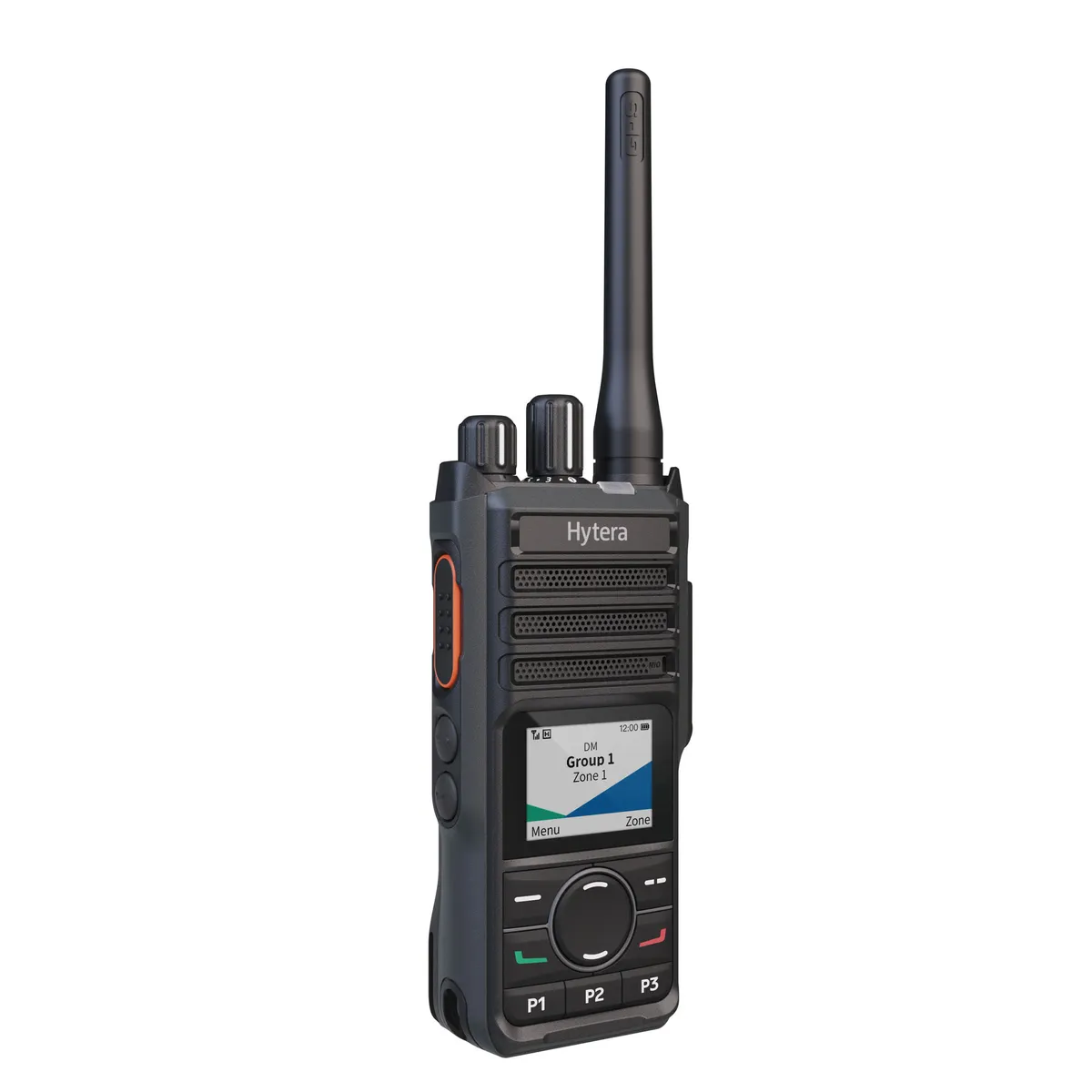
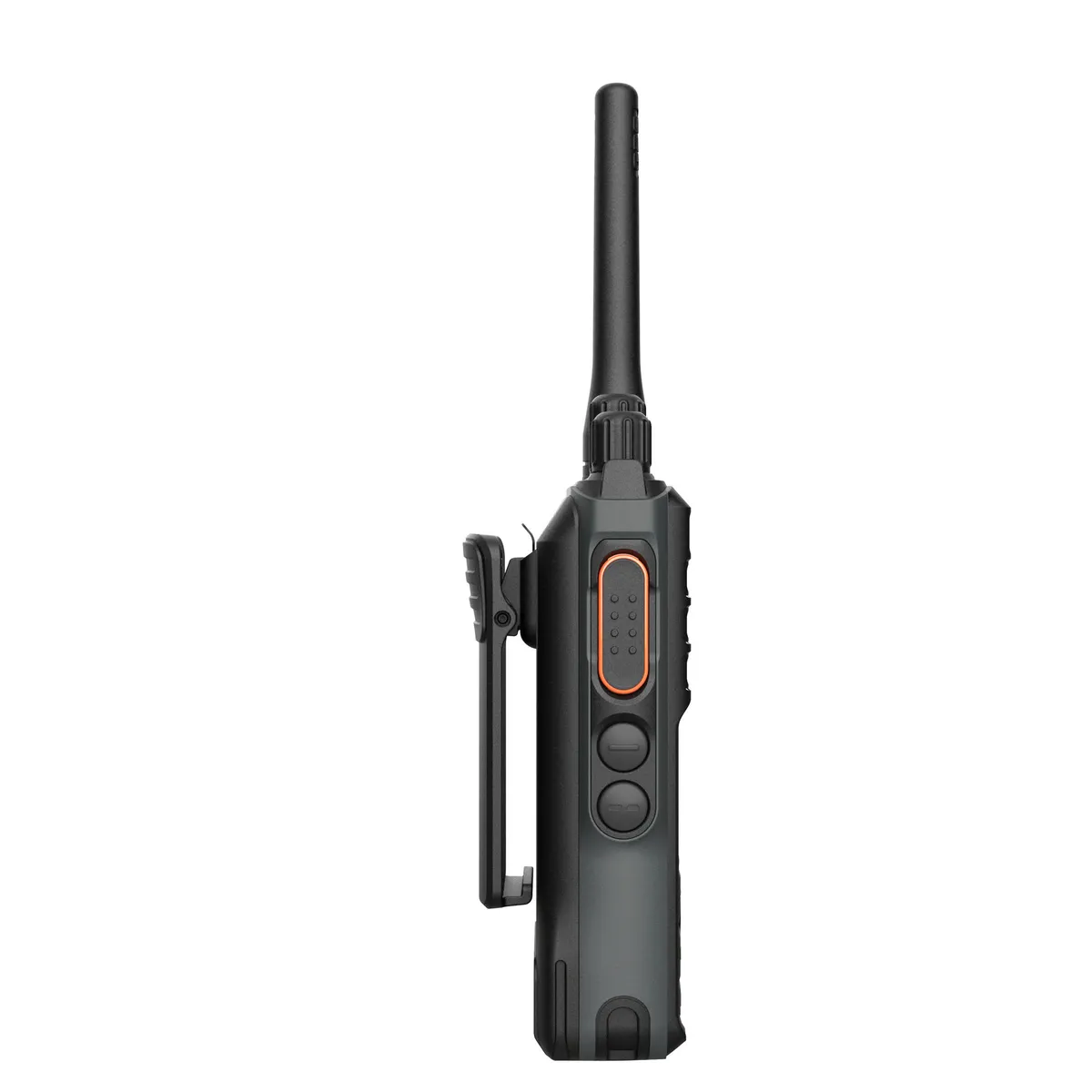
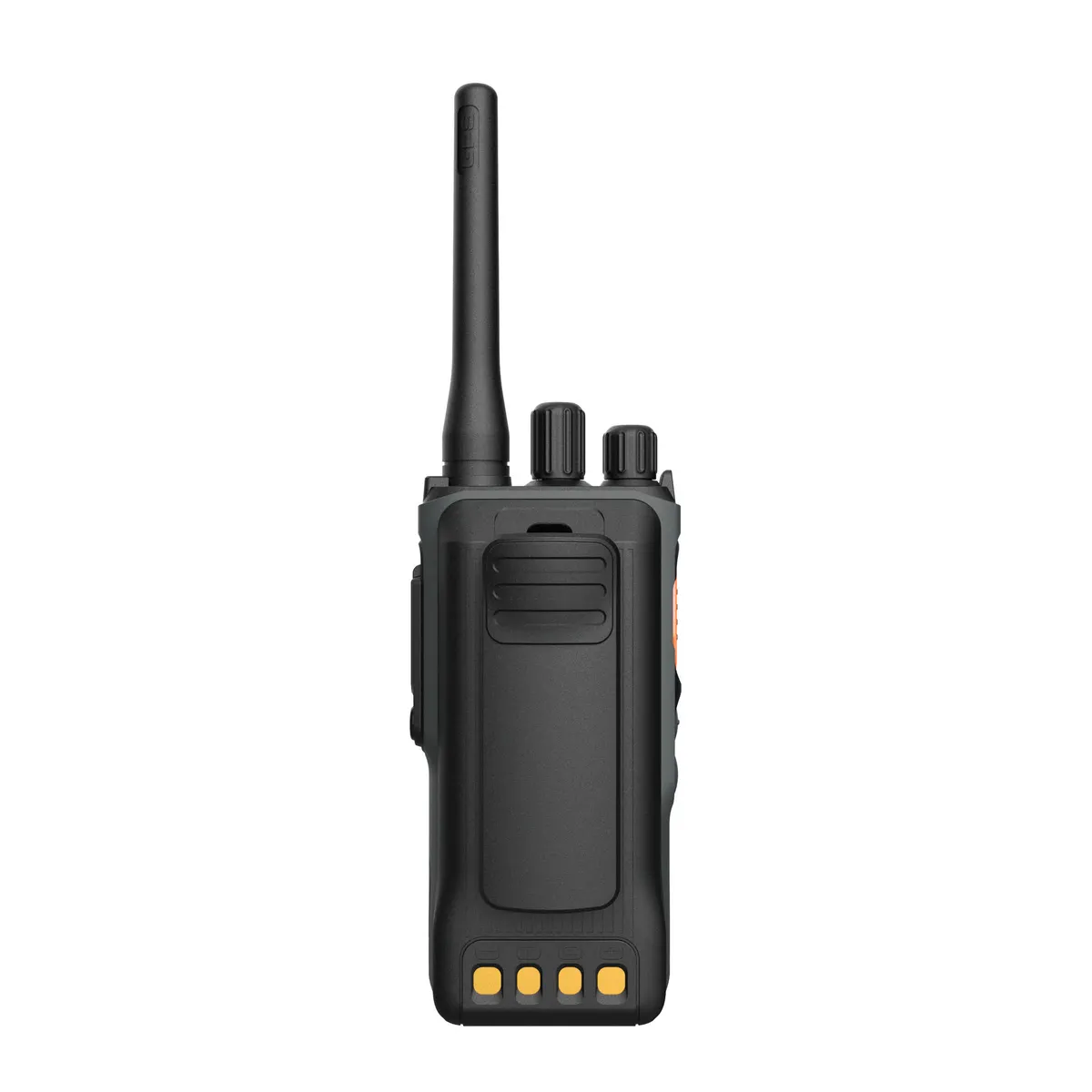
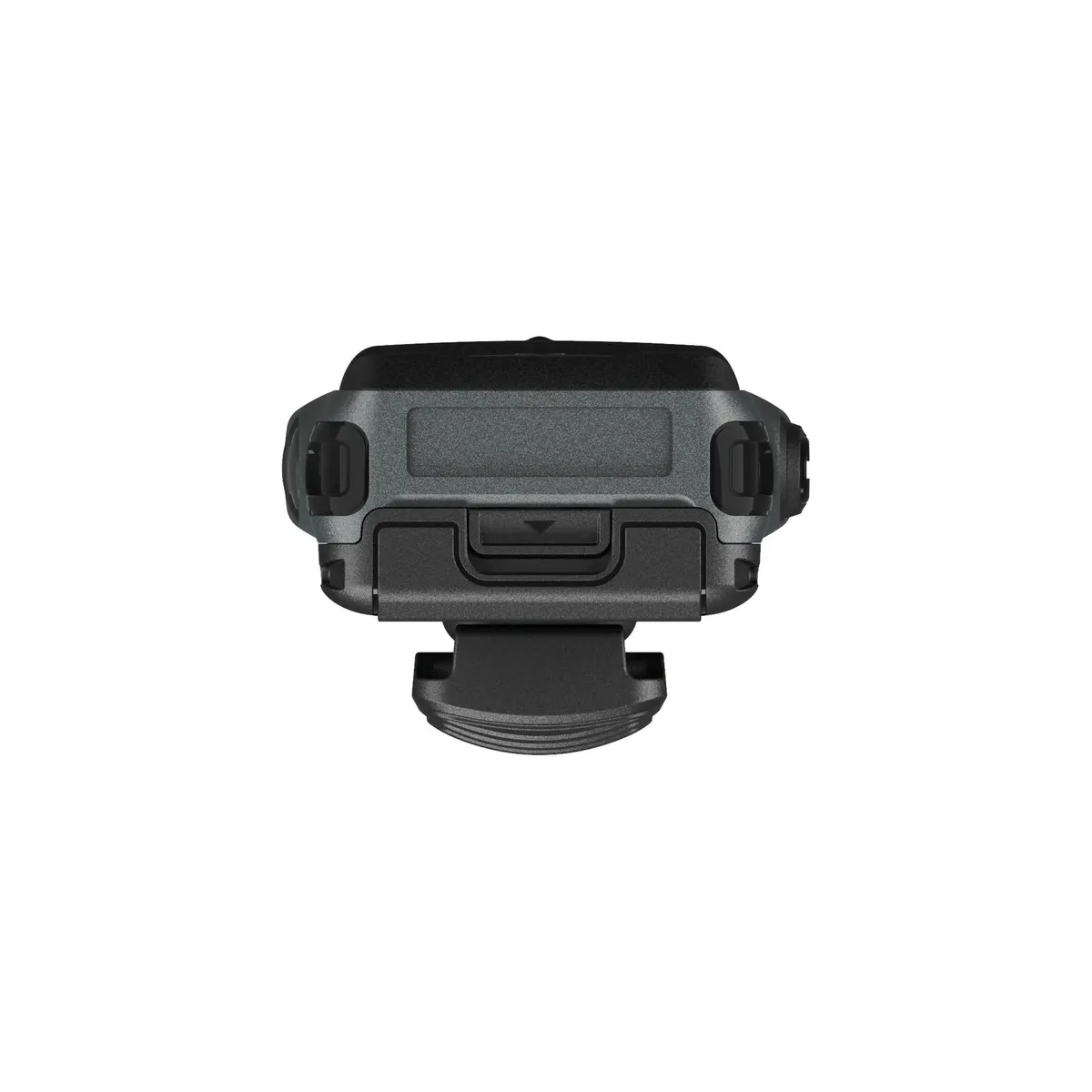
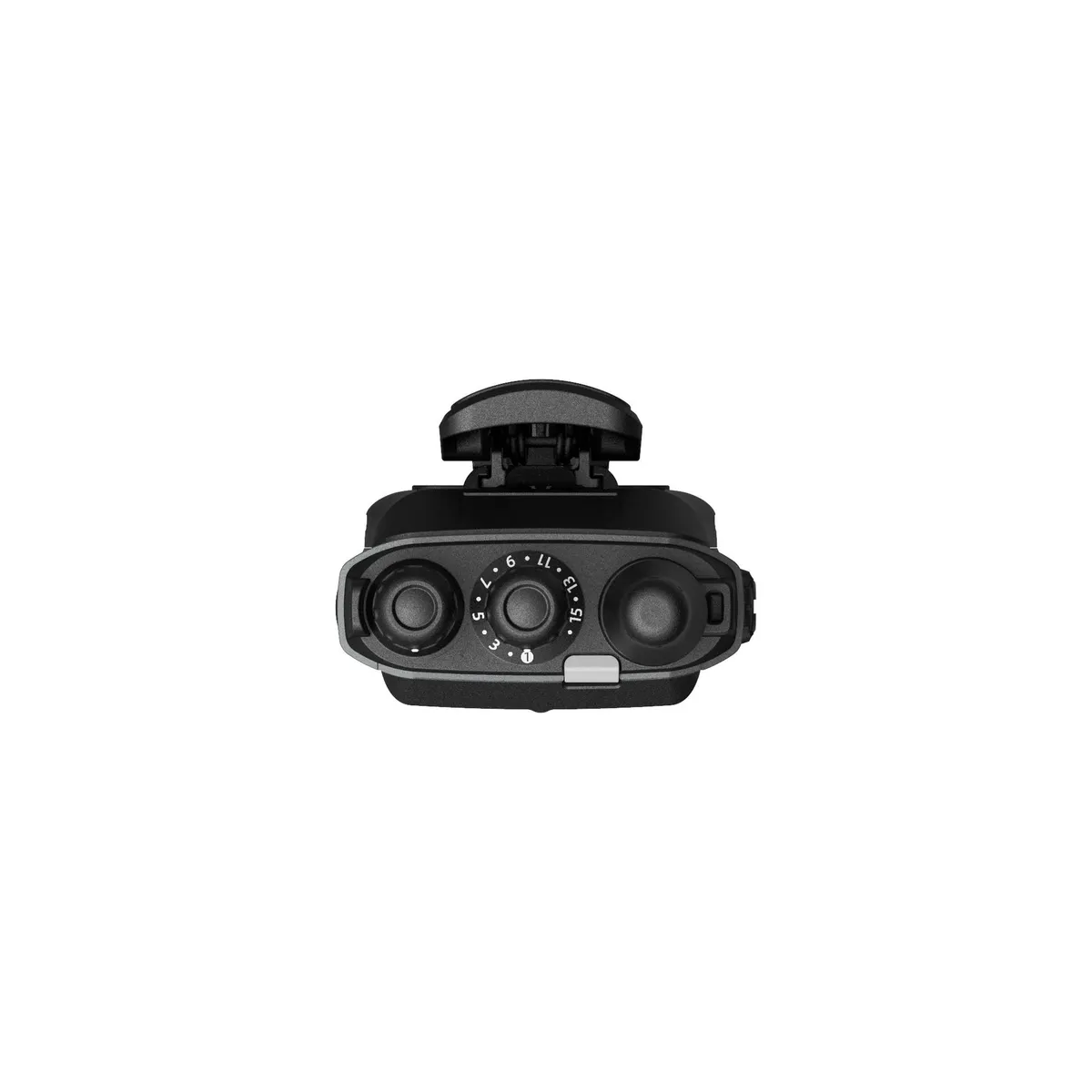
Only the technical values that differ between models are listed; identical rows are omitted. Values are taken from the manufacturer’s published data sheets.
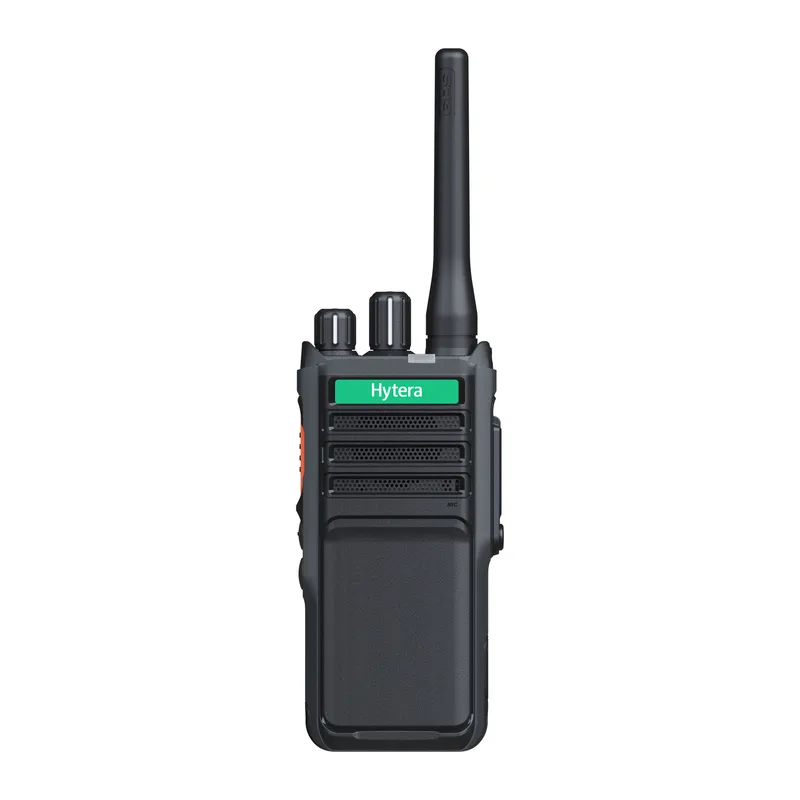
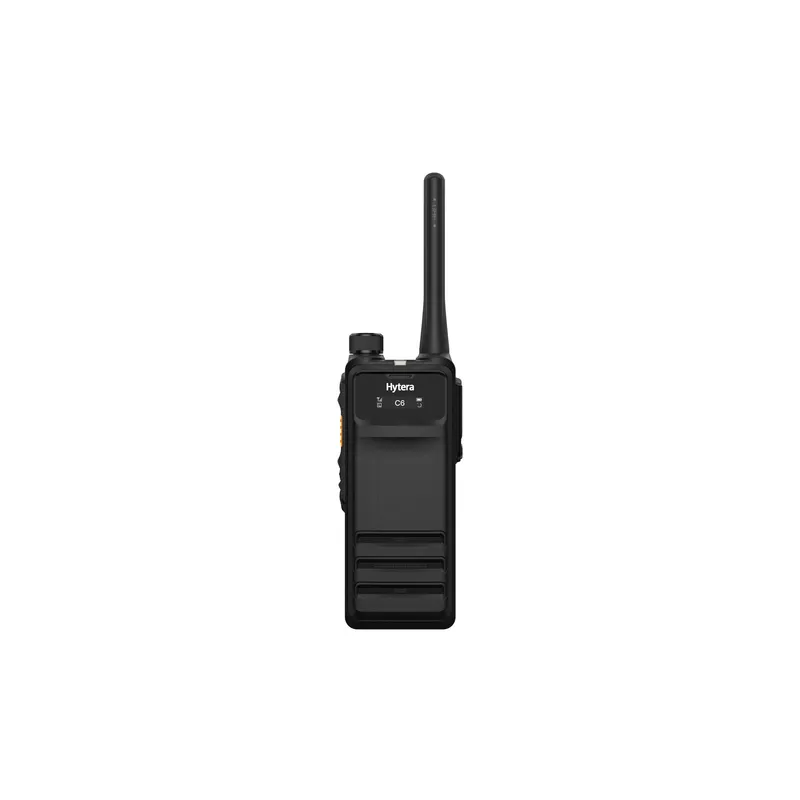
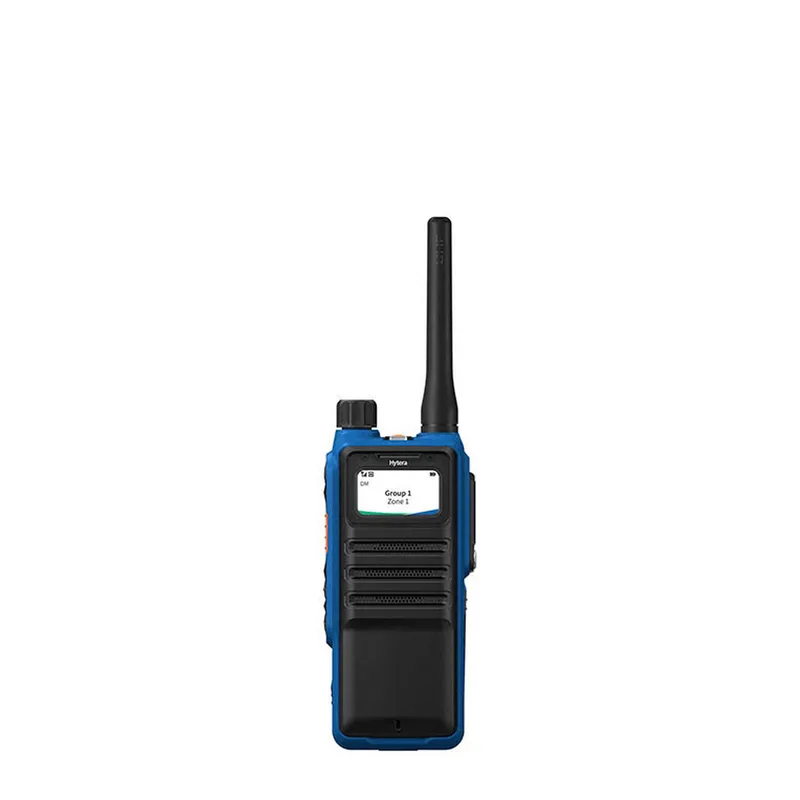
| Property | Hytera HP569 UL913 ATEX DMR Handportable Radio | Hytera HP509 UL913 Intrinsically Safe DMR Handportable Radio | Hytera HP709 UL913 ATEX DMR Handportable Radio | Hytera HP715Ex IIA ATEX DMR Handportable Radio |
|---|---|---|---|---|
| Frequency Range | 400-470MHz; 136-174MHz | 400-470 MHz (UHF); 136-174 MHz (VHF) | UHF: 350-470MHz; VHF: 136-174MHz | 400-480MHz; 136-174MHz; 350-400MHz; 330-400MHz |
| RF Output Power | UHF: 4W / 1W; VHF: 5W / 1W | UHF: 4W / 1W; VHF: 5W / 1W | UHF: 4W / 1W; VHF: 5W / 1W | UHF: 4W/1W; VHF: 5W/1W |
| Channel Capacity | 256 | 256 | 1024 | 1024 |
| Zone Capacity | 16 | 16 | 64 | 64 |
| Battery | 2400 mAh (Li-ion) | 2,400 mAh (typical) Li-ion | 2,850 mAh Li-ion, smart anti-counterfeit | 2150 mAh Li-Polymer, intrinsically safe |
| Battery Life | Digital: 23 hours (GPS off), 21 hours (GPS on) | Digital: 23 hours (GPS off), 21 hours (GPS on) | 29 hours (GNSS off), 25 hours (GNSS on) | 22 hours (GNSS off), 19 hours (GNSS on) |
| Weight | 321g | 300 g | 290g | 390g ±5g |
| Dimensions (H×W×D) | 119 × 55 × 33.5 mm | 119 x 55 x 33.5 mm | 132 × 55 × 36.5 mm | 130 × 55 × 37 mm |
| Operating Temperature | -20°C ~ +60°C | -20°C ~ +60°C | -30°C ~ +60°C | −30°C to +60°C (non-hazardous area); −25°C to +50°C (hazardous area) |
| Frequency Stability | ±0.5ppm | ±0.5 ppm | ±0.5ppm | ±0.5ppm |
| Antenna Impedance | 50Ω | 50 Ω | 50Ω | 50Ω |
| Sensitivity (Analogue) | 0.18 μV (12 dB SINAD); 0.16 μV (typical) | 0.18 μV (12 dB SINAD); 0.16 μV (typical, 12 dB SINAD) | 0.18 μV (12 dB SINAD); 0.16 μV (typical) | 0.16 μV (12 dB SINAD); 0.14 μV (typical) |
Hytera ACN02P PTT Microphone Cable
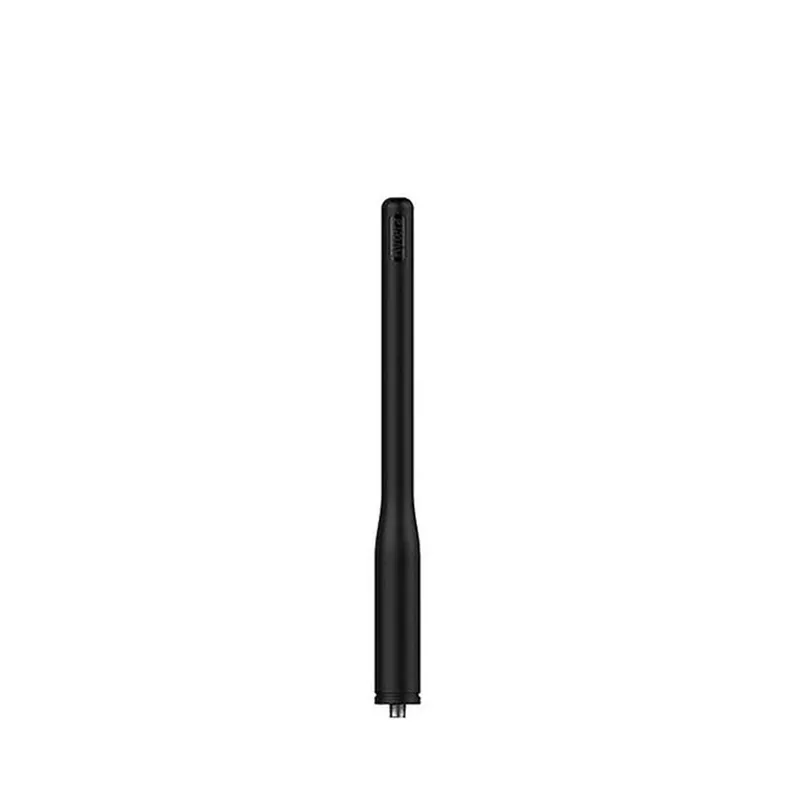
Hytera AN0141H06 VHF Antenna 136–147 MHz
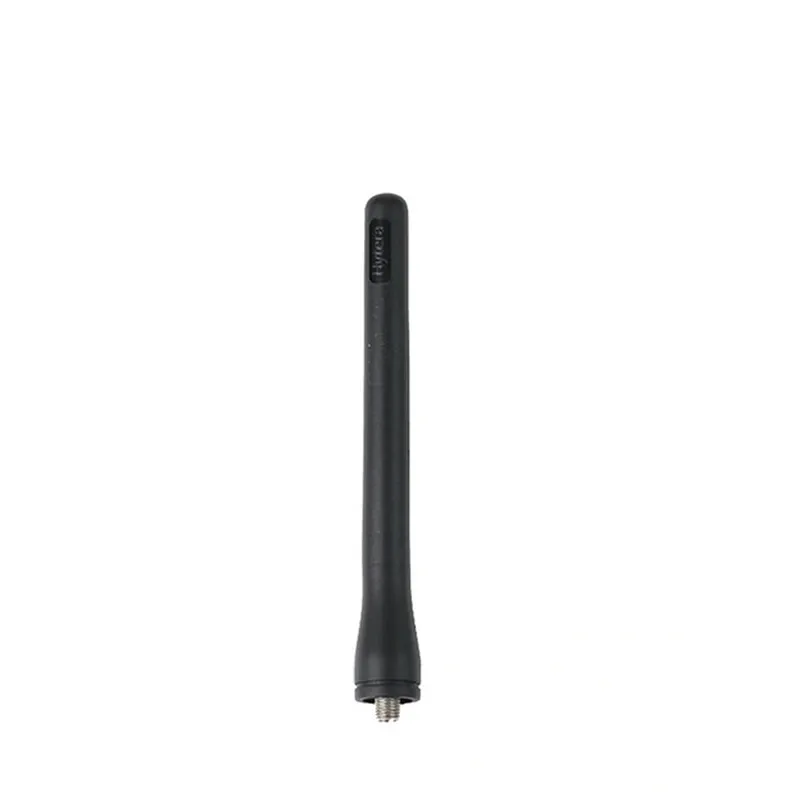
Hytera AN0141H08 VHF Antenna 136–147 MHz
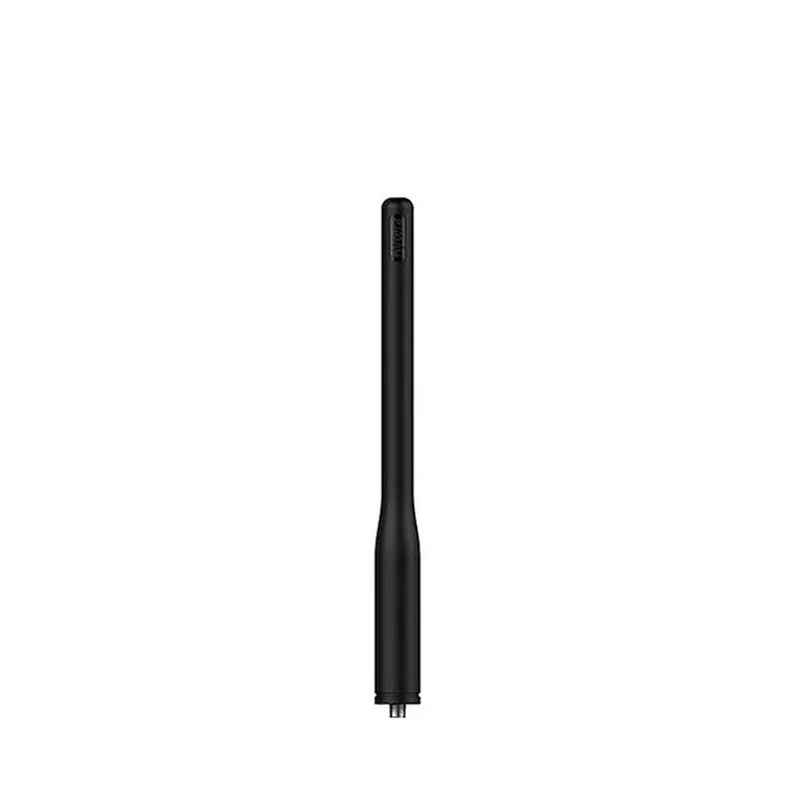
Hytera AN0141H11 VHF Antenna 136–147 MHz
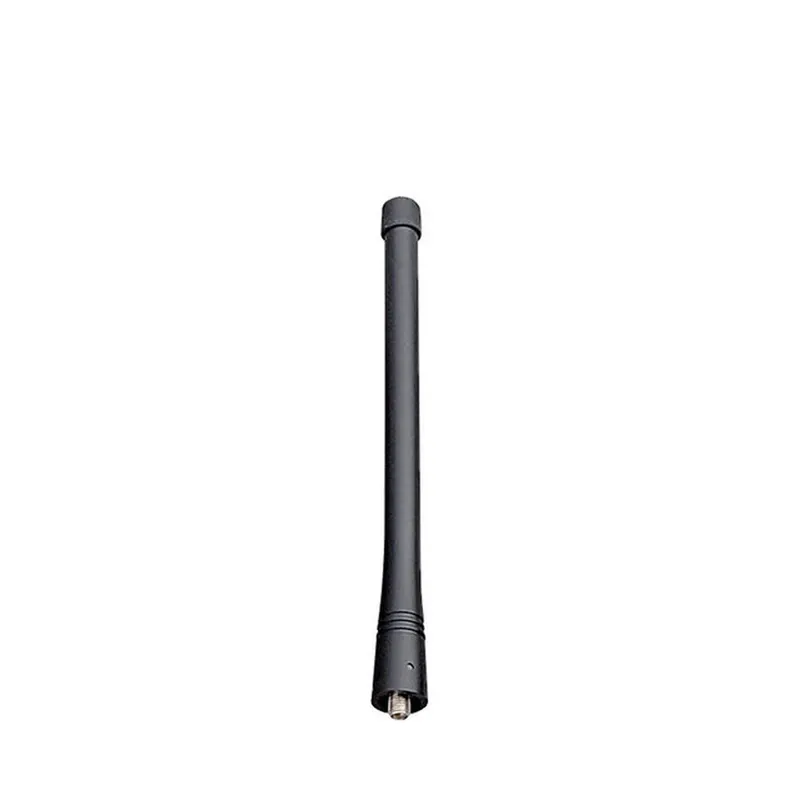
Hytera AN0143H08 VHF Antenna 136–150 MHz
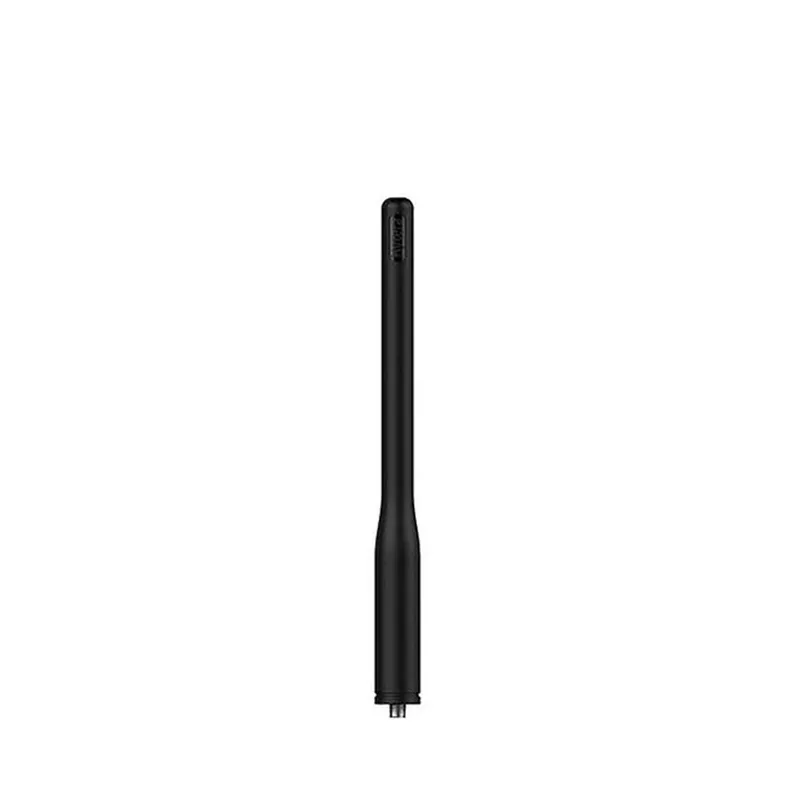
Hytera AN0153H07 VHF Antenna 147–160 MHz
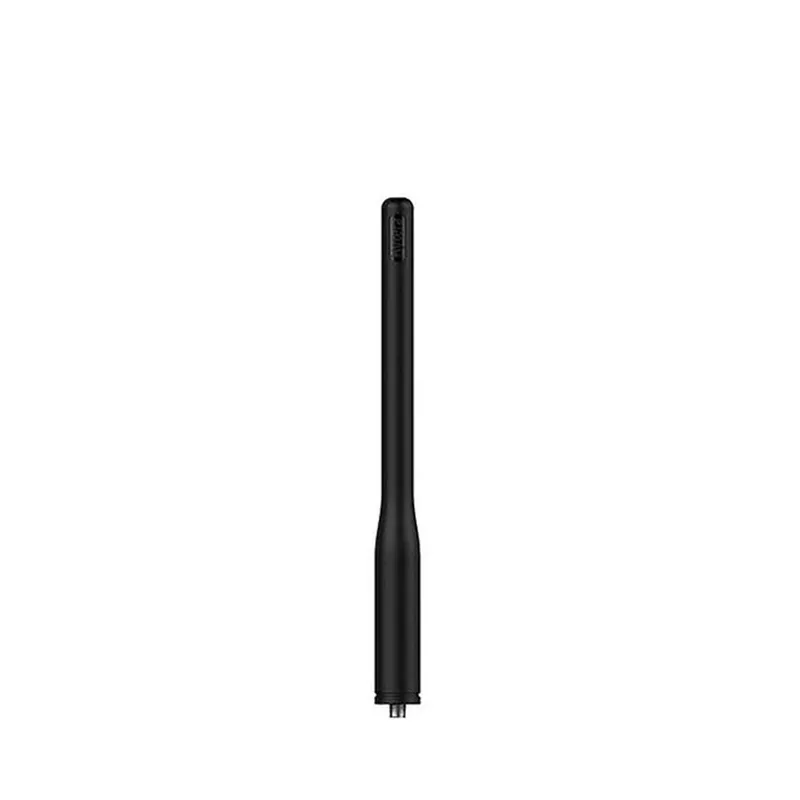
Hytera AN0153H12 VHF Antenna 147–160 MHz
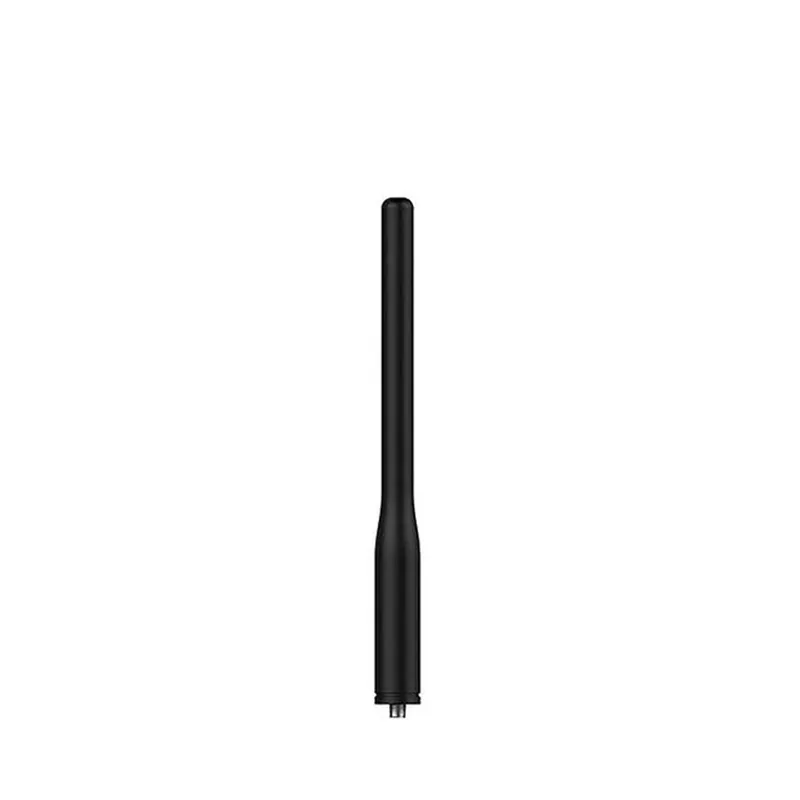
Hytera AN0153H13 VHF Antenna 147–160 MHz
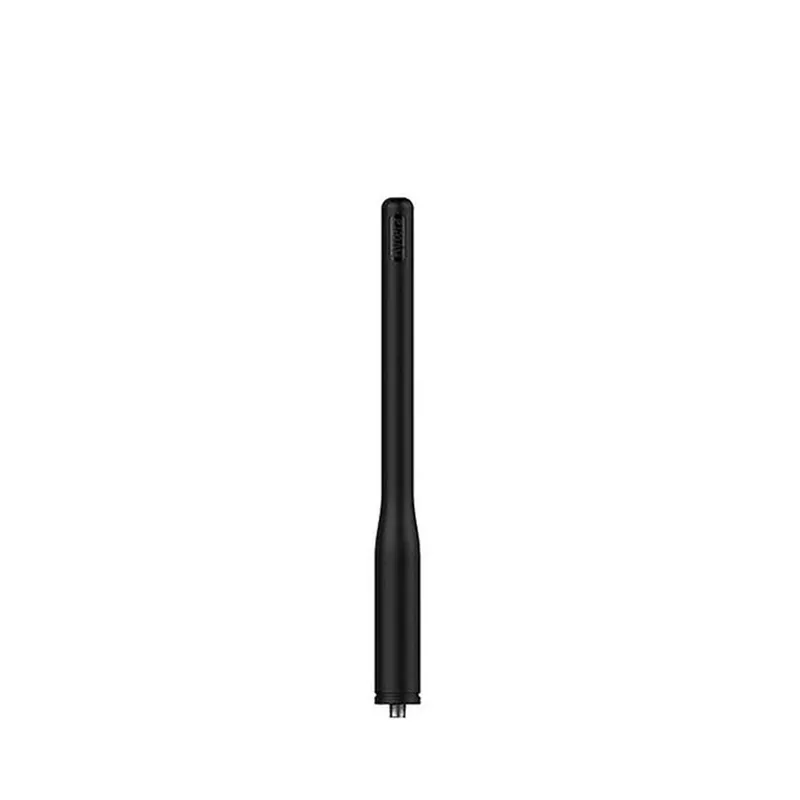
Hytera AN0155H08 VHF Antenna 136–174 MHz
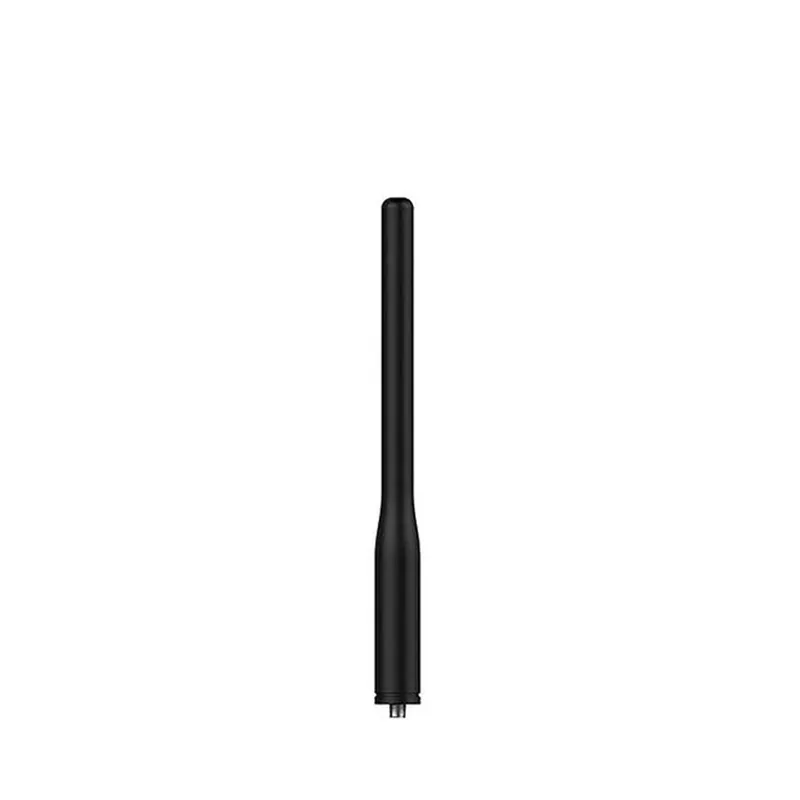
Hytera AN0155H09 VHF Antenna 136–174 MHz
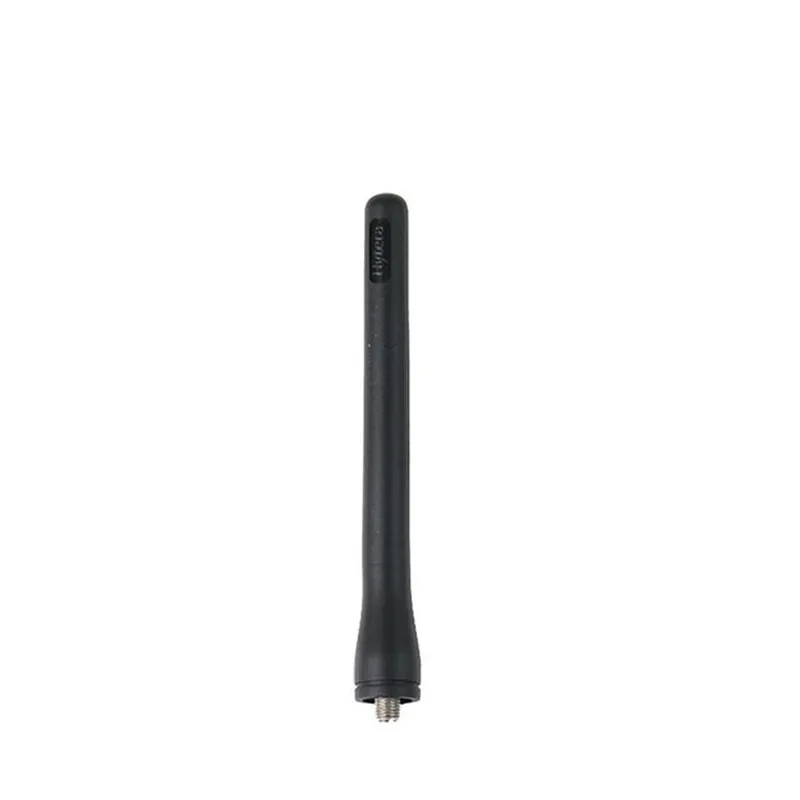
Hytera AN0157H01 VHF Antenna 150–165 MHz
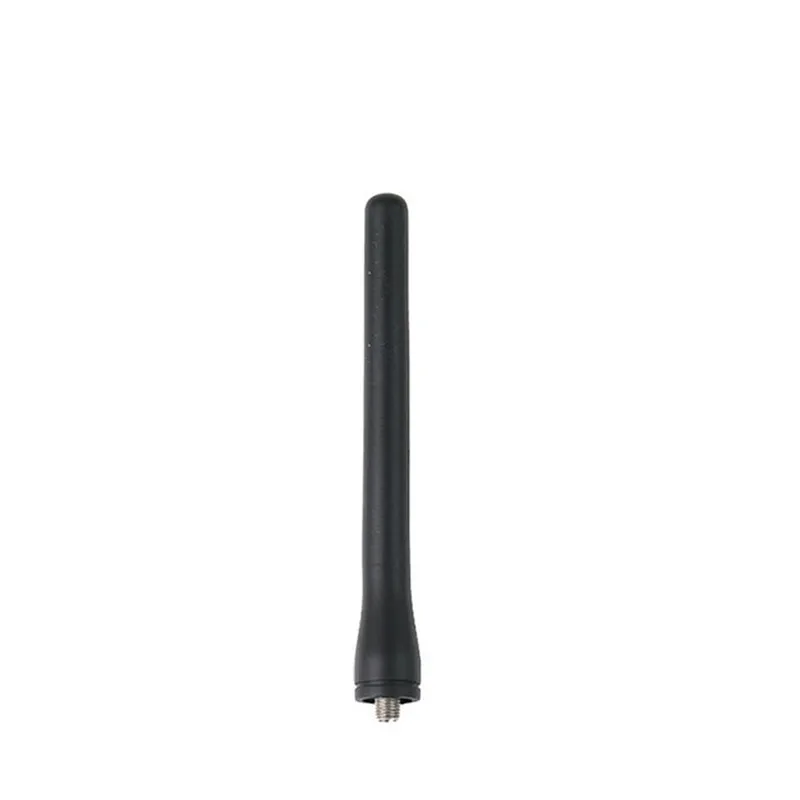
Hytera AN0157H02 VHF Antenna 150–165 MHz
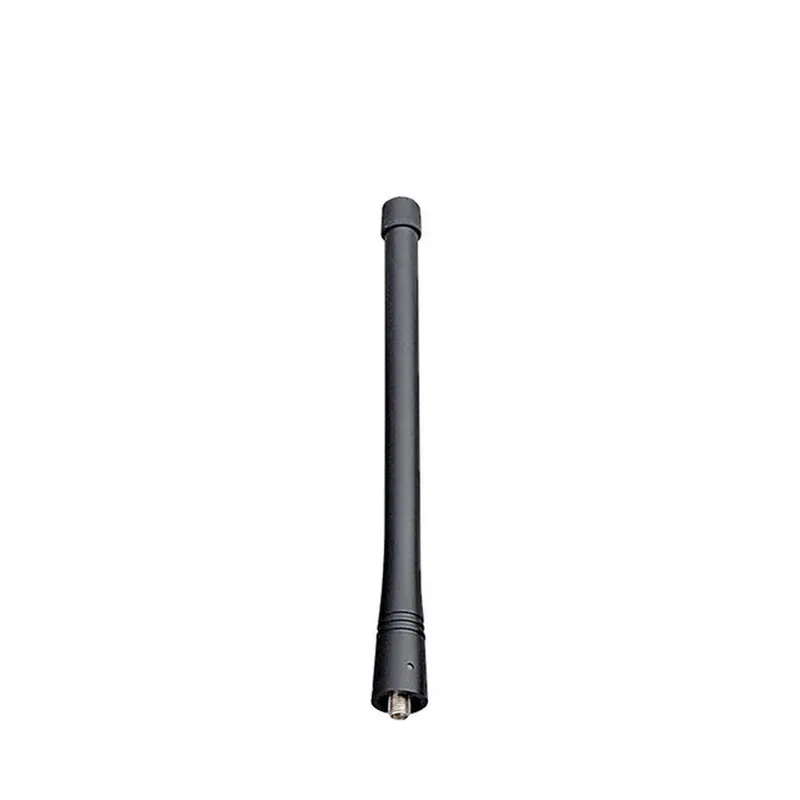
Hytera AN0160H13 VHF Antenna 146–174 MHz
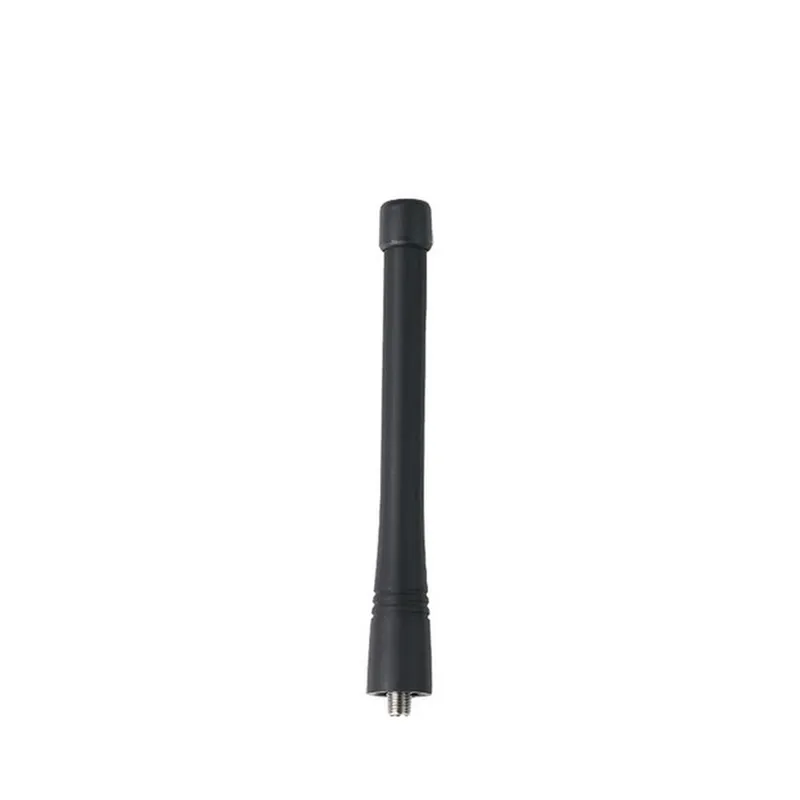
Hytera AN0160H16 VHF Antenna 145–175 MHz
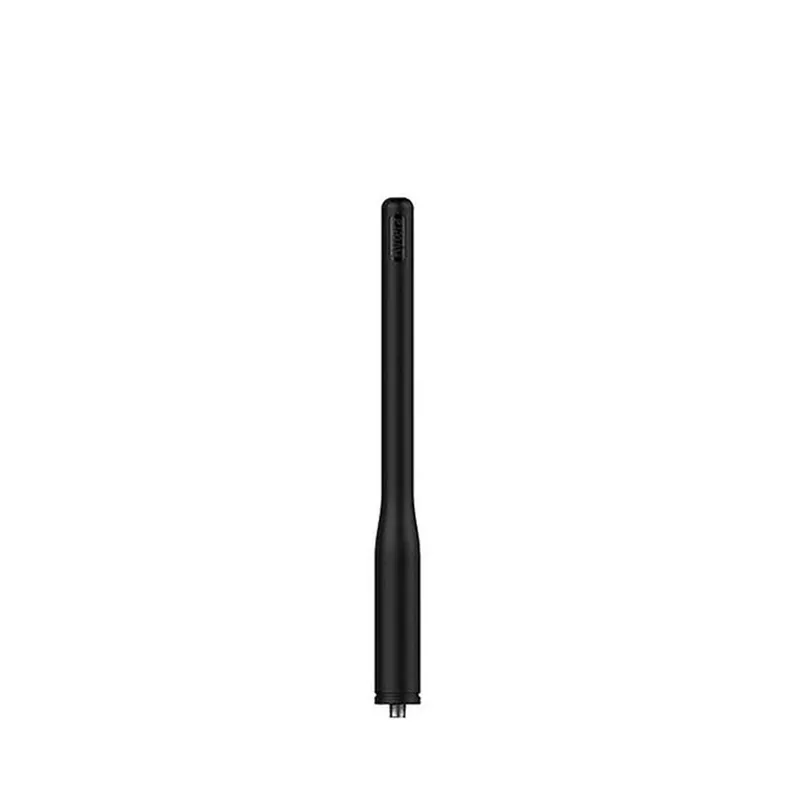
Hytera AN0167H06 VHF Antenna 160–174 MHz
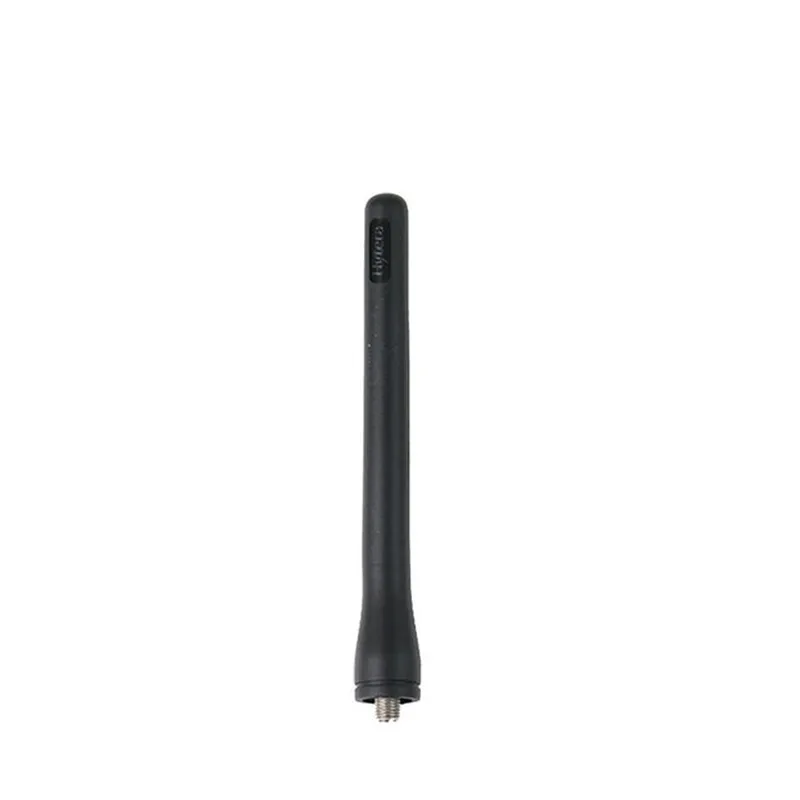
Hytera AN0167H07 VHF Antenna 160–174 MHz
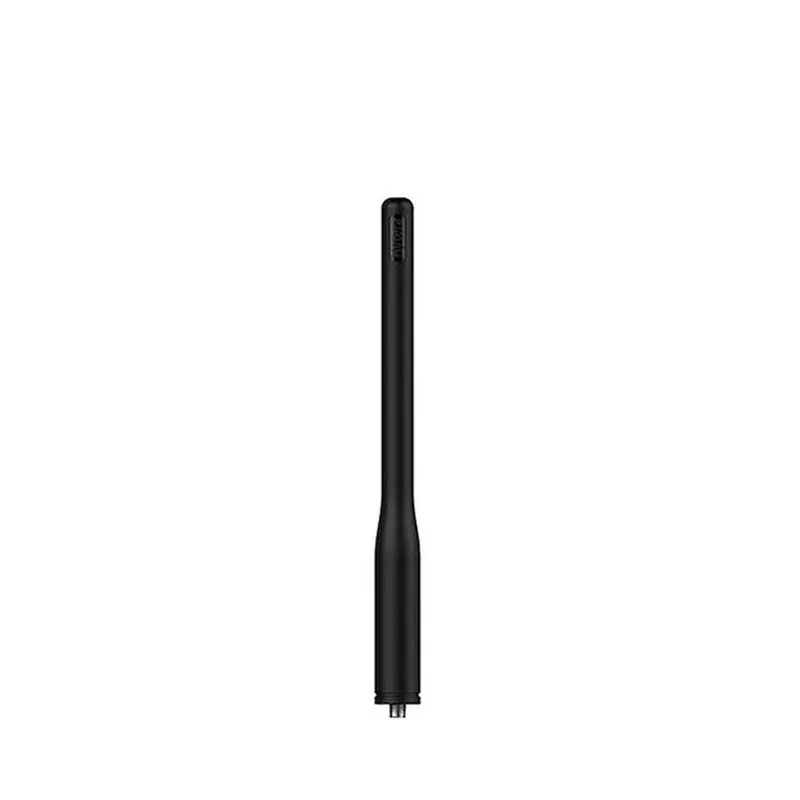
Hytera AN0167H11 VHF Antenna 160–174 MHz
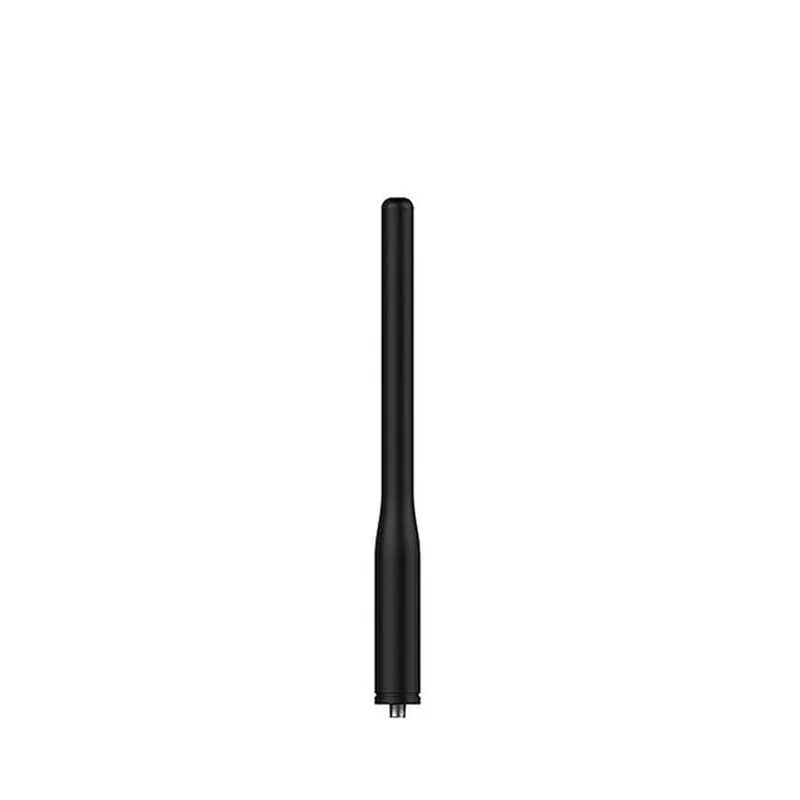
Hytera AN0167H12 VHF Antenna 160–174 MHz
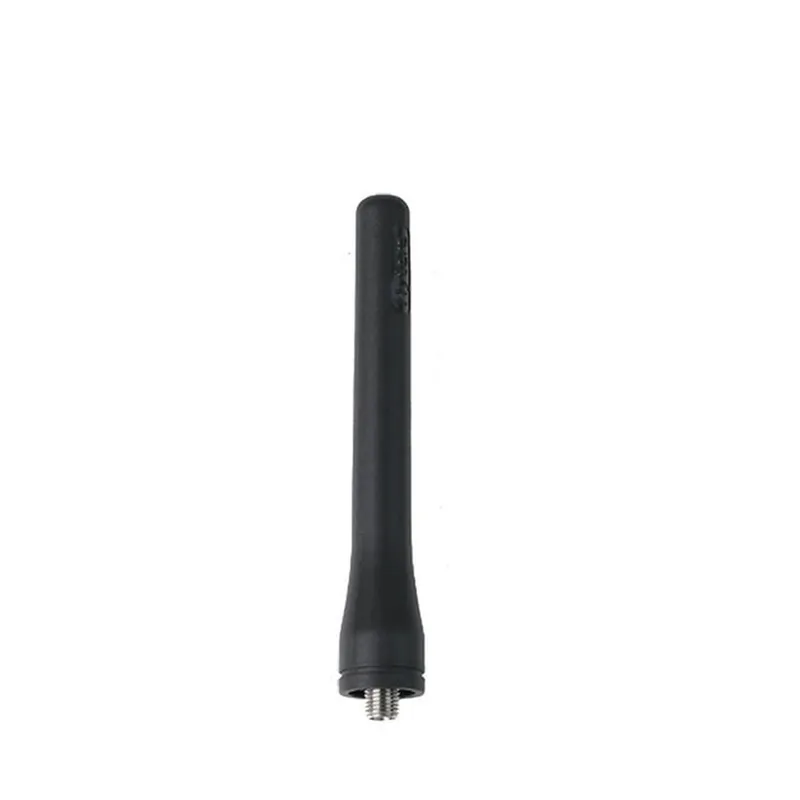
Hytera AN0375H18 UHF Antenna 350–400 MHz
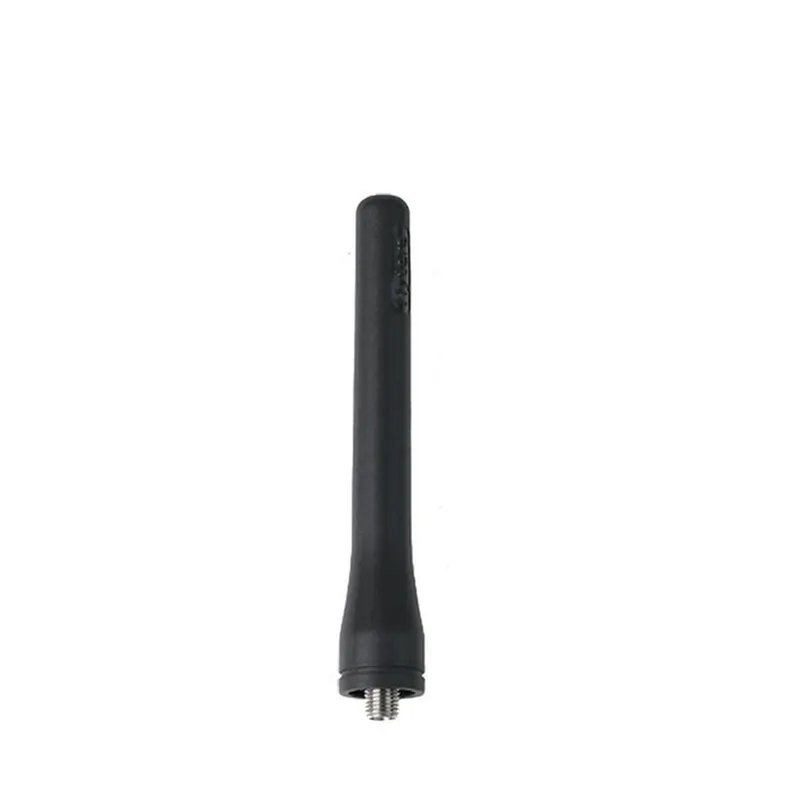
Hytera AN0435H13 UHF Antenna 400–470 MHz
Hytera AN0435H21 UHF Antenna 400–470 MHz
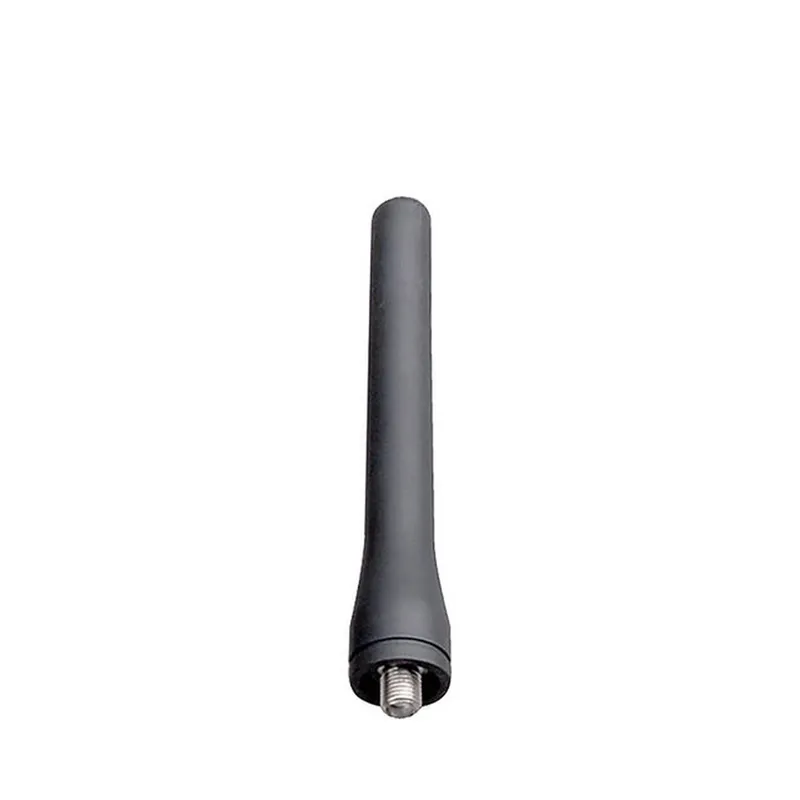
Hytera AN0435H22 UHF Antenna 400–470 MHz
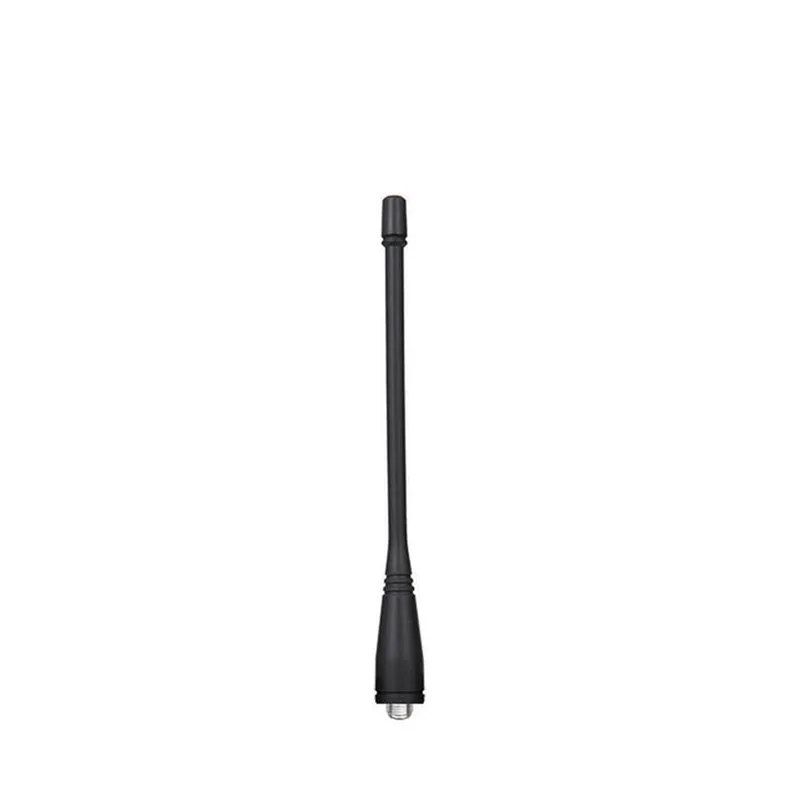
Hytera AN0435W09 UHF Antenna 400–470 MHz
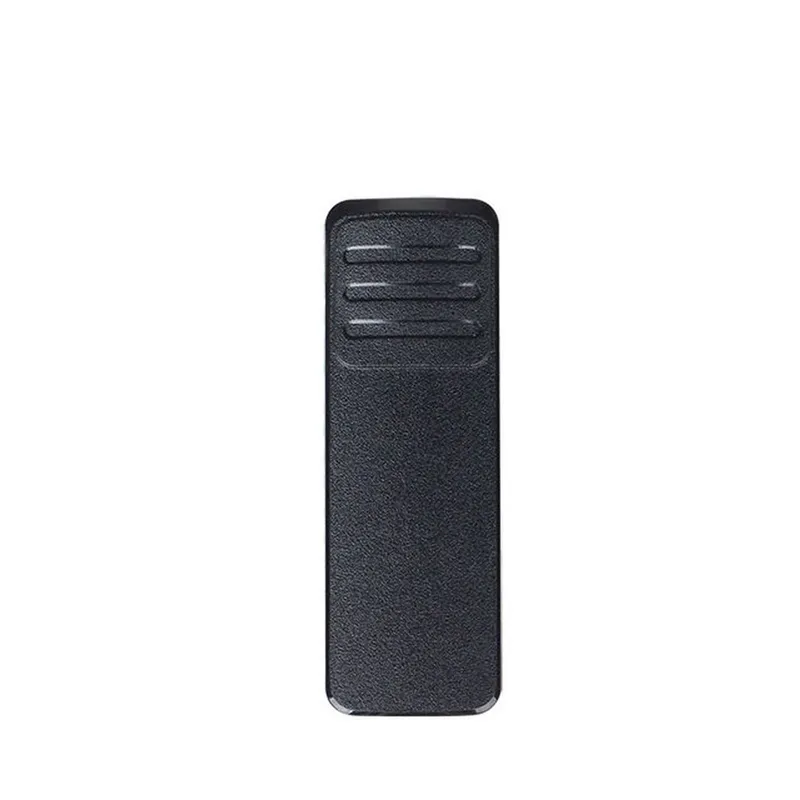
Hytera BC48 Spring Belt Clip
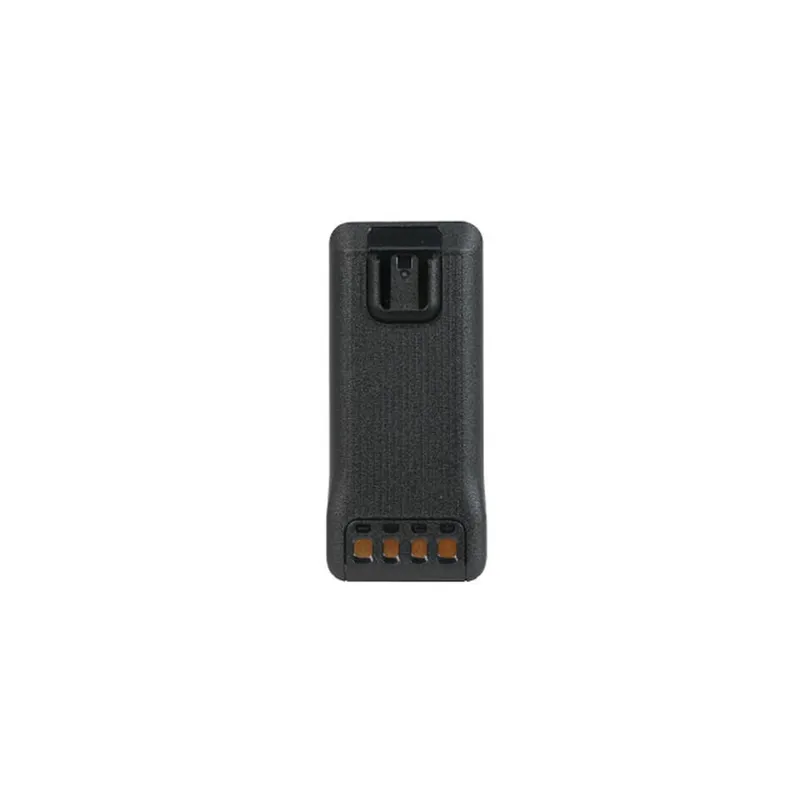
Hytera BL1508 Li-Ion Battery 1500 mAh
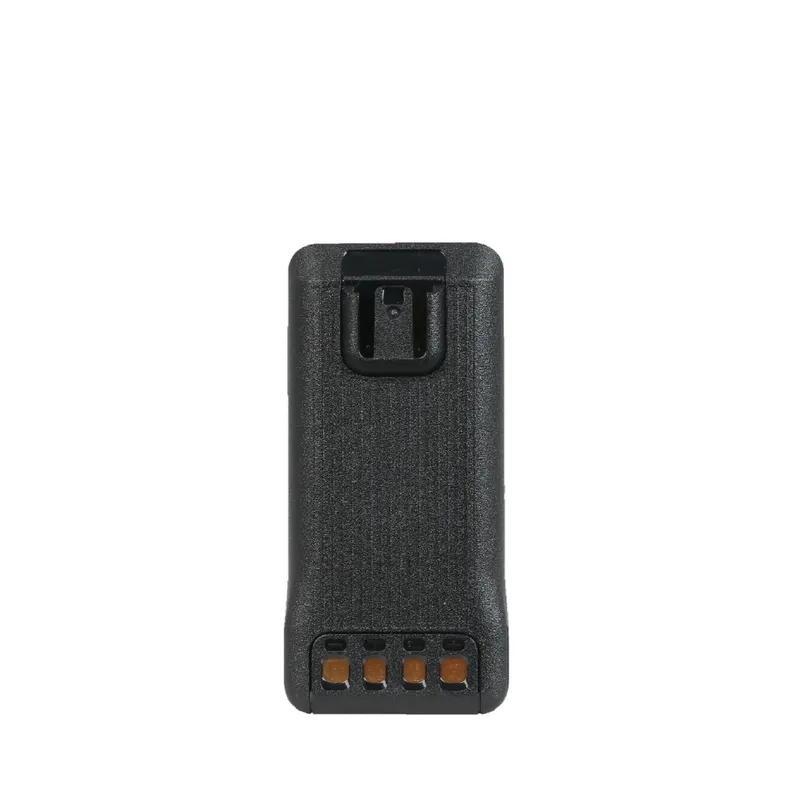
Hytera BP3005 Li-Polymer Battery 3000 mAh
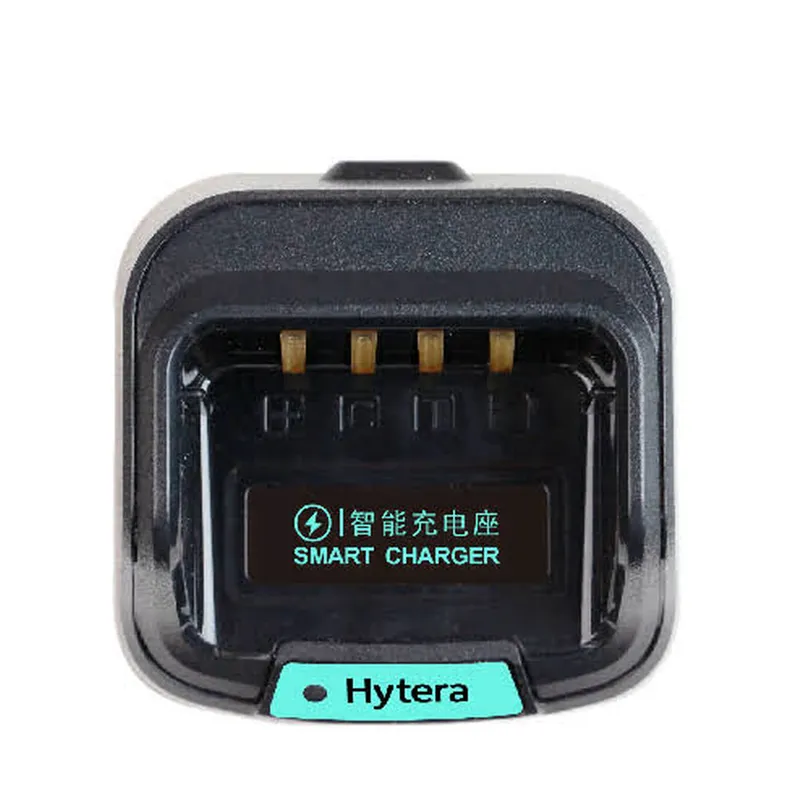
Hytera CH10L30 Smart Charger
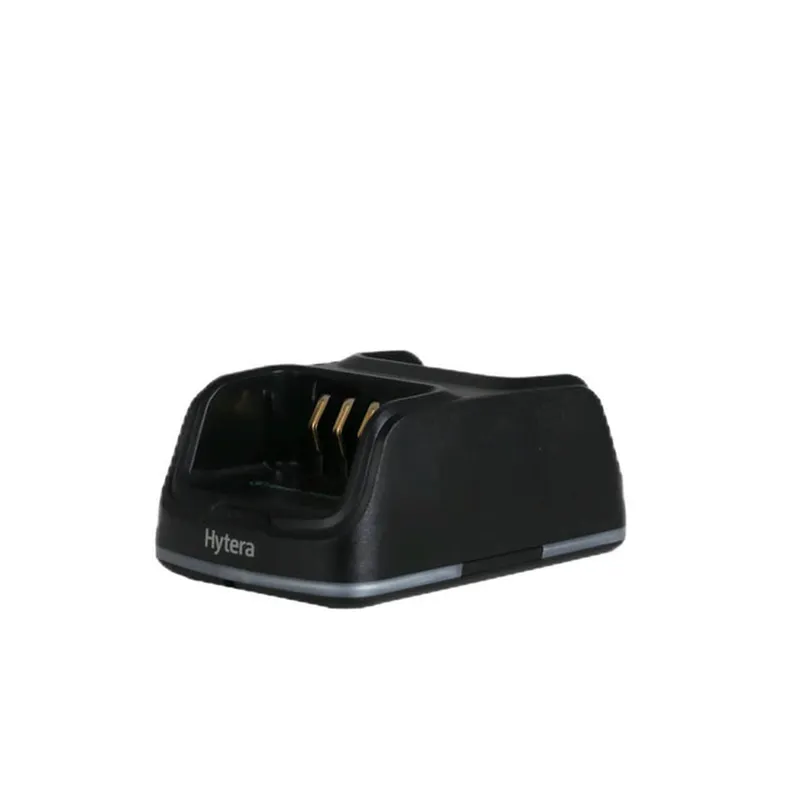
Hytera CH10L34 Smart Two-Bay Charger
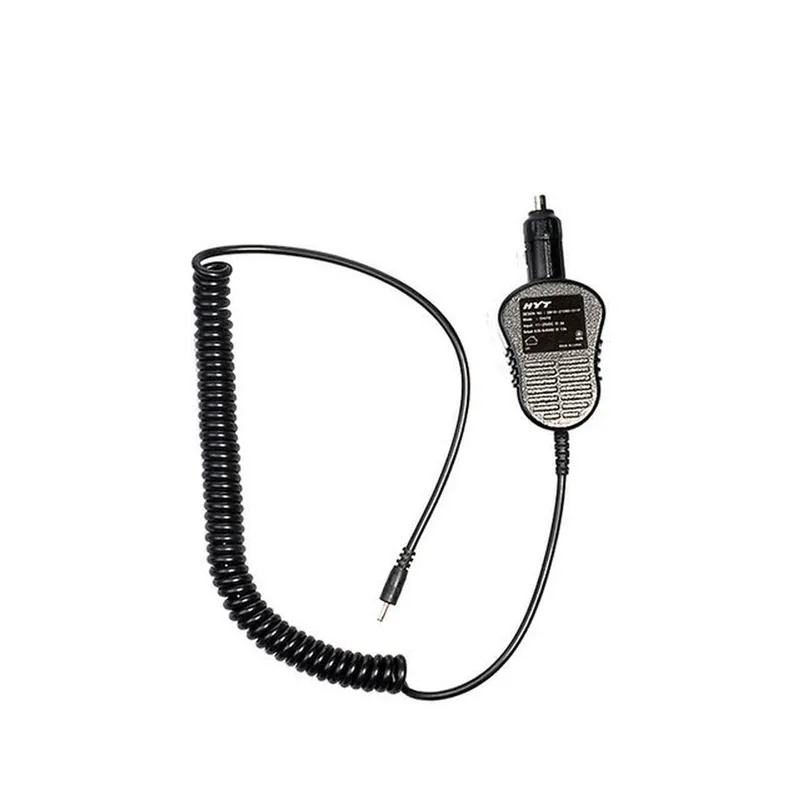
Hytera CHV09 Vehicle Power Adapter
Hytera EA01 Single-Wire Receive-Only Acoustic Tube Earpiece
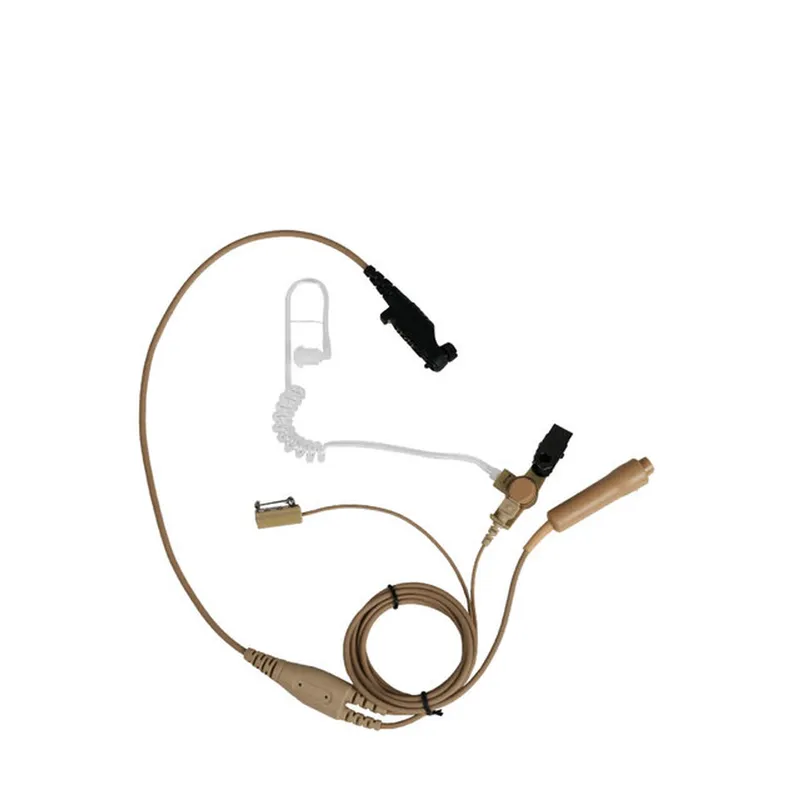
Hytera EAN21P Three-Wire Acoustic Tube Earpiece
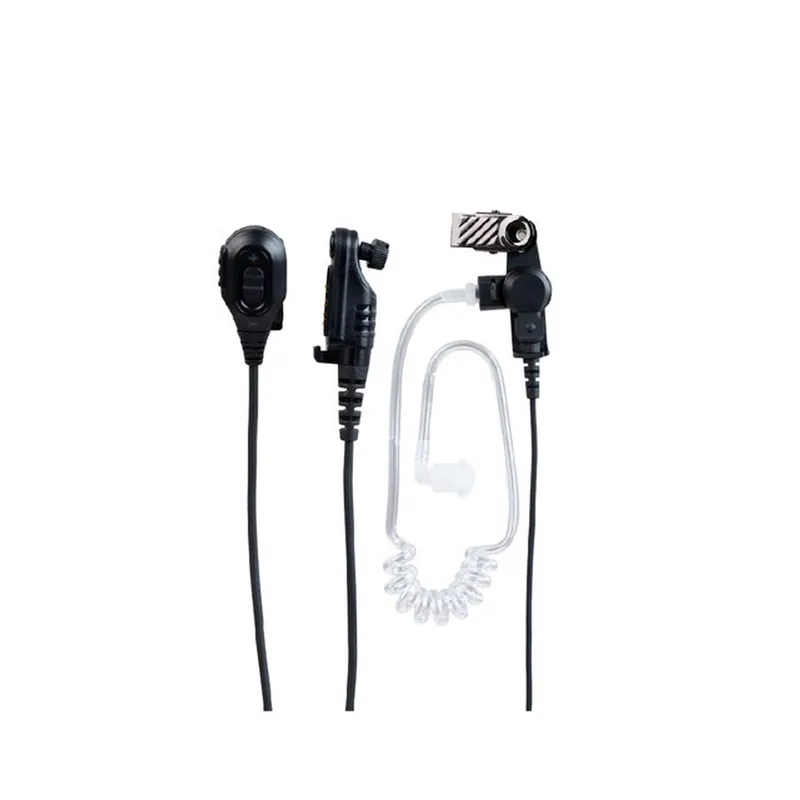
Hytera EAN24P Two-Wire Acoustic Tube Earpiece
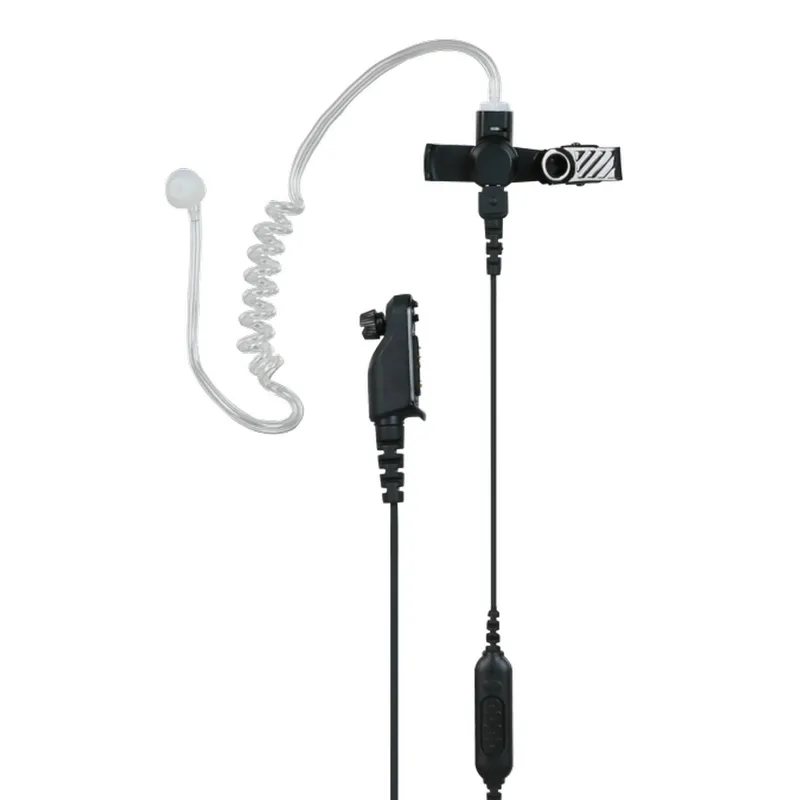
Hytera EAN33P Covert Acoustic Tube Earpiece
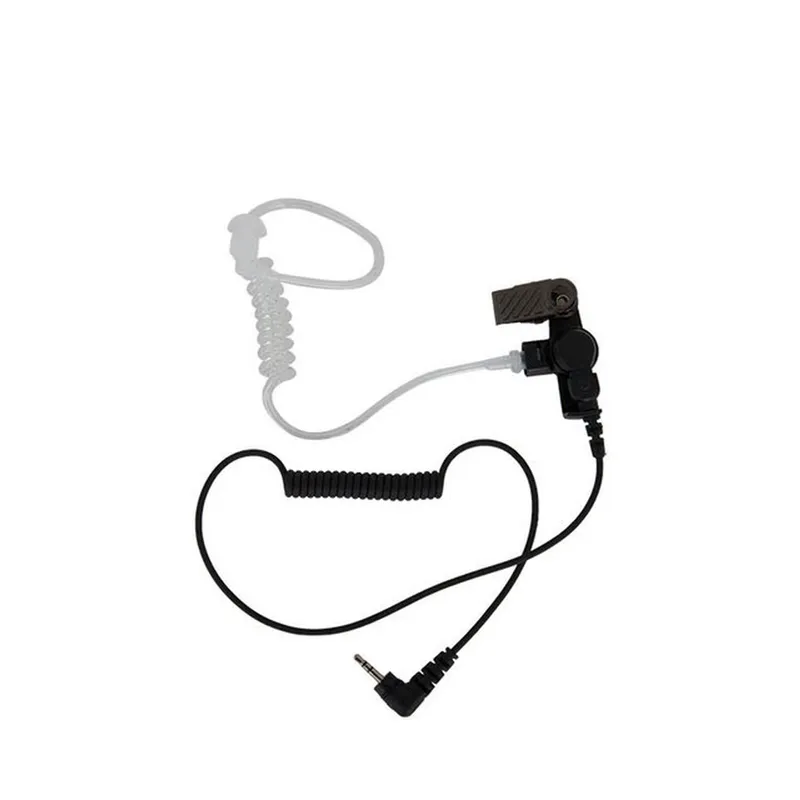
Hytera EAS03 Receive-Only Acoustic Tube Earpiece
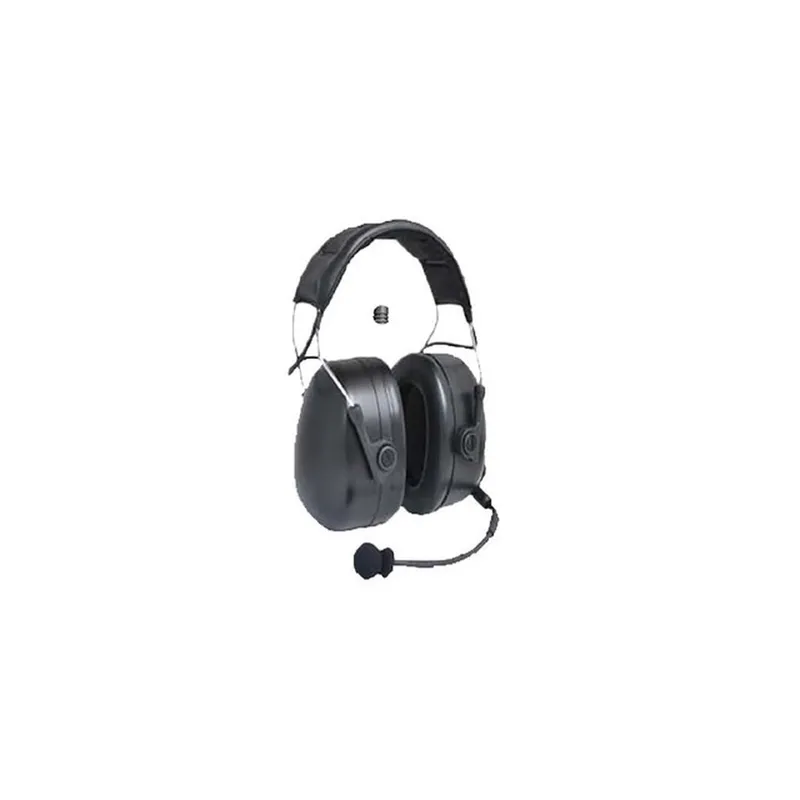
Hytera ECN21P Noise-Cancelling Headset
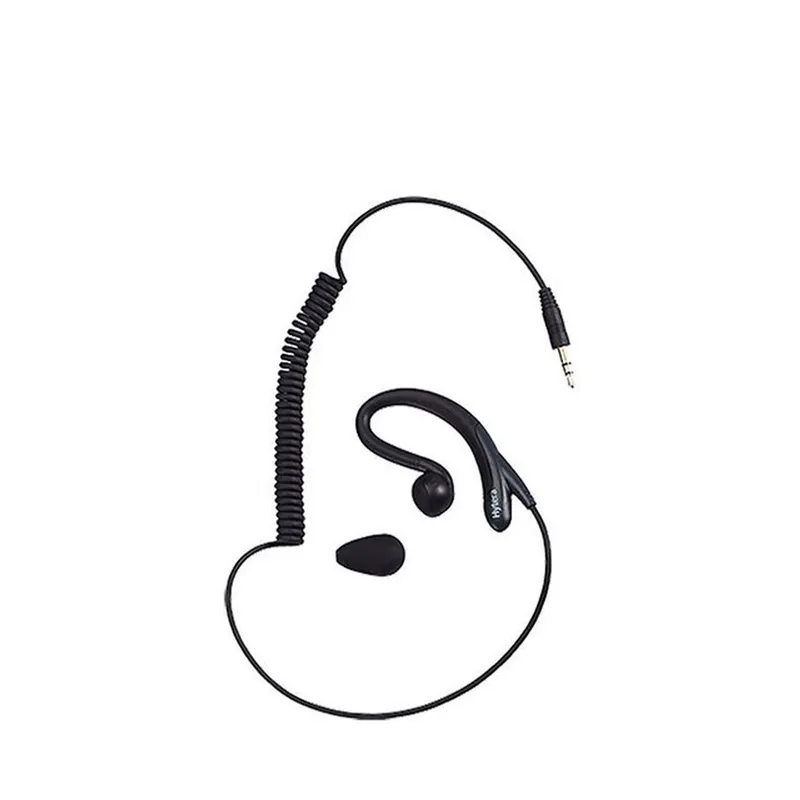
Hytera EH01 Receive-Only Earpiece
Hytera EH02 Receive-Only Earpiece
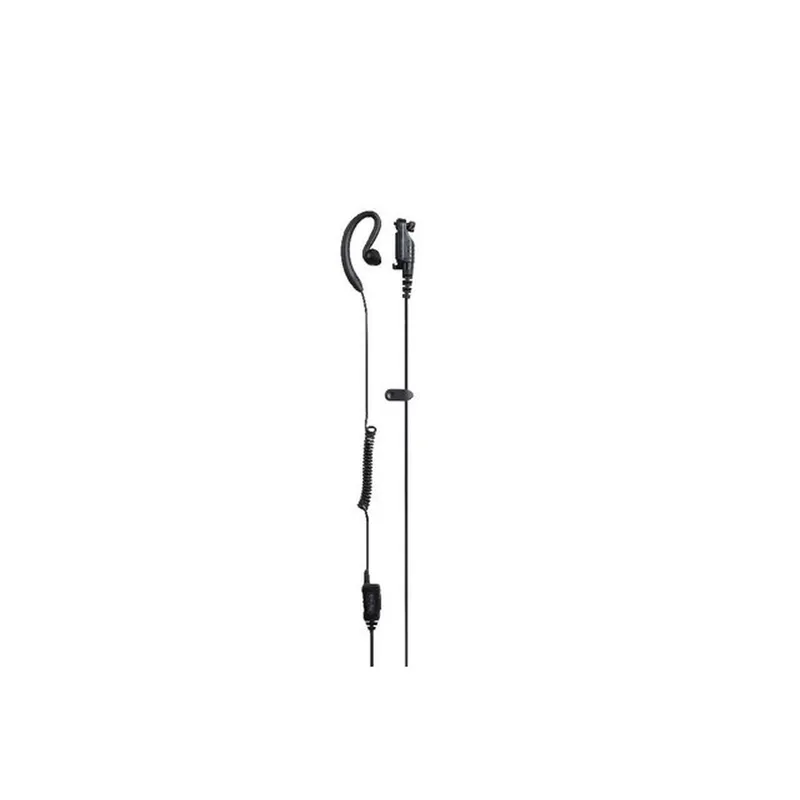
Hytera EHN26P C-Style Earpiece with Microphone
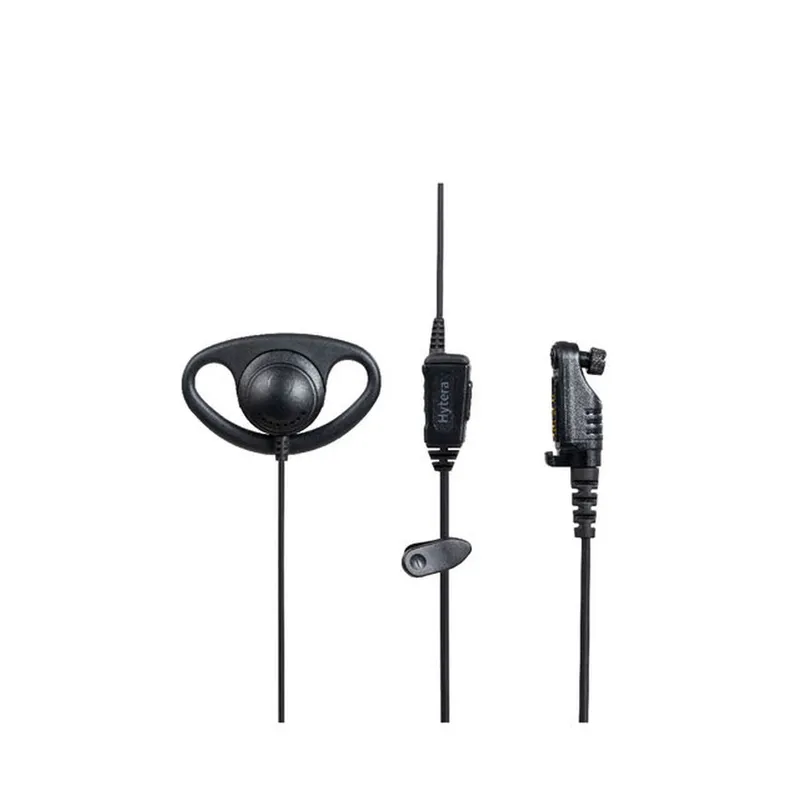
Hytera EHN40P D-Style Earpiece with Microphone
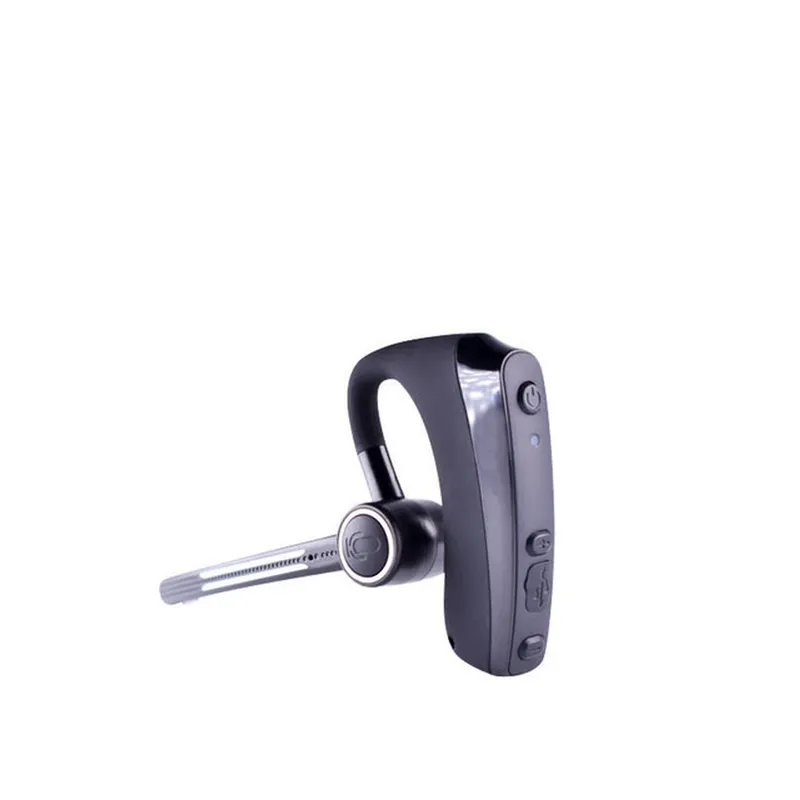
Hytera EHW07 Dual-PTT Bluetooth Headset
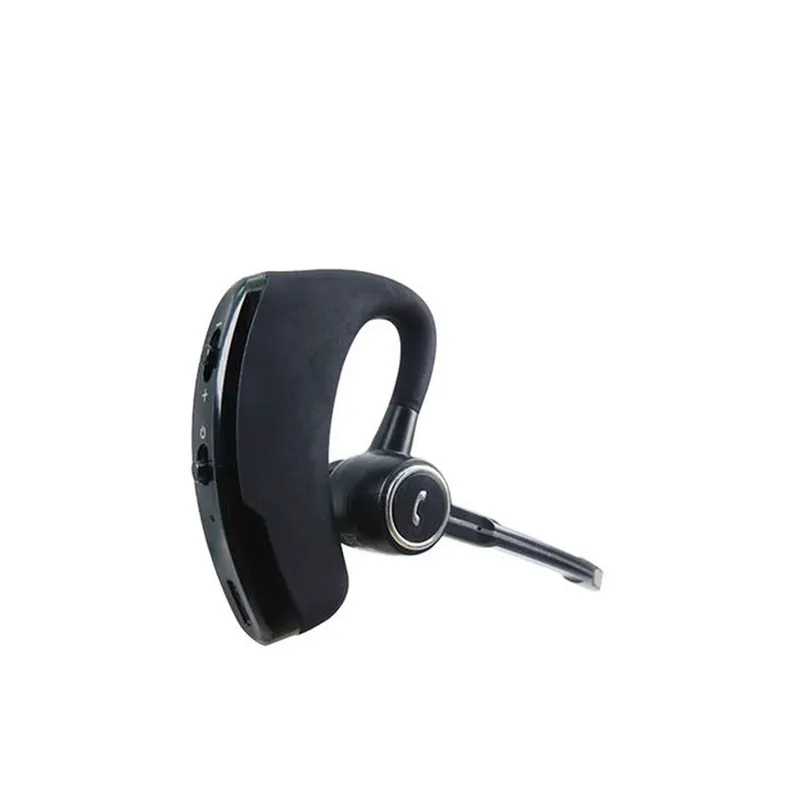
Hytera EHW08 Headset with Boom Microphone
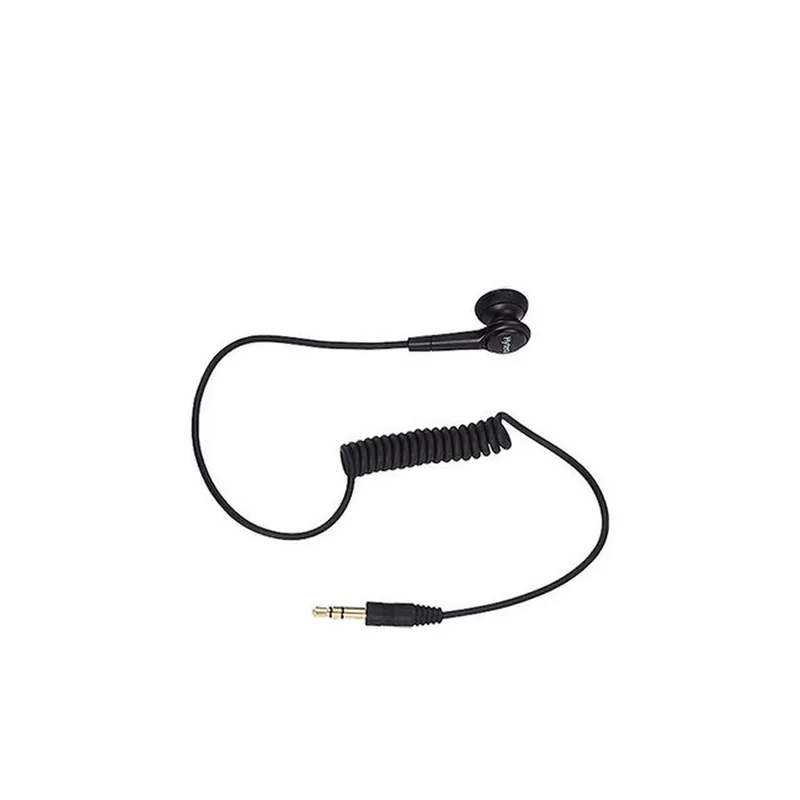
Hytera ES01 Receive-Only In-Ear Earpiece
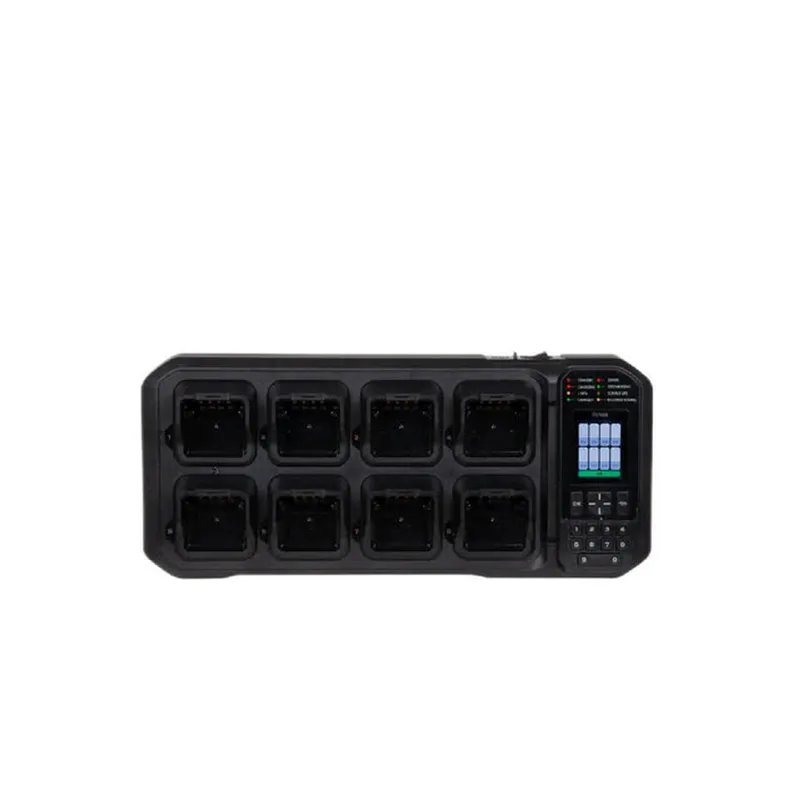
Hytera MCA26 Smart Battery Optimisation System
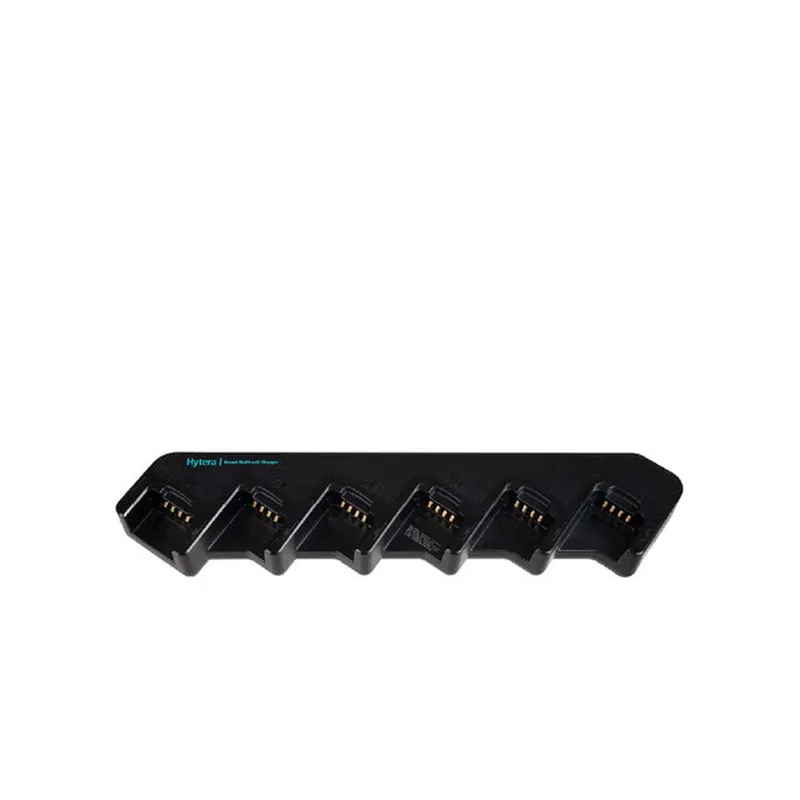
Hytera MCL39 Smart Multi-Unit Li-Ion Battery Charger
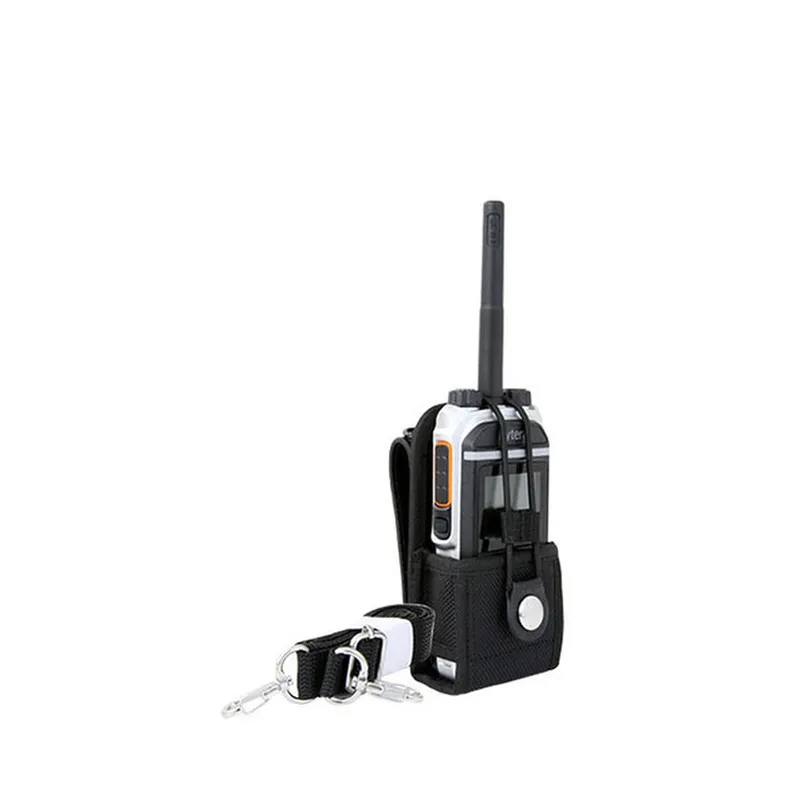
Hytera NCN011 Carry Case
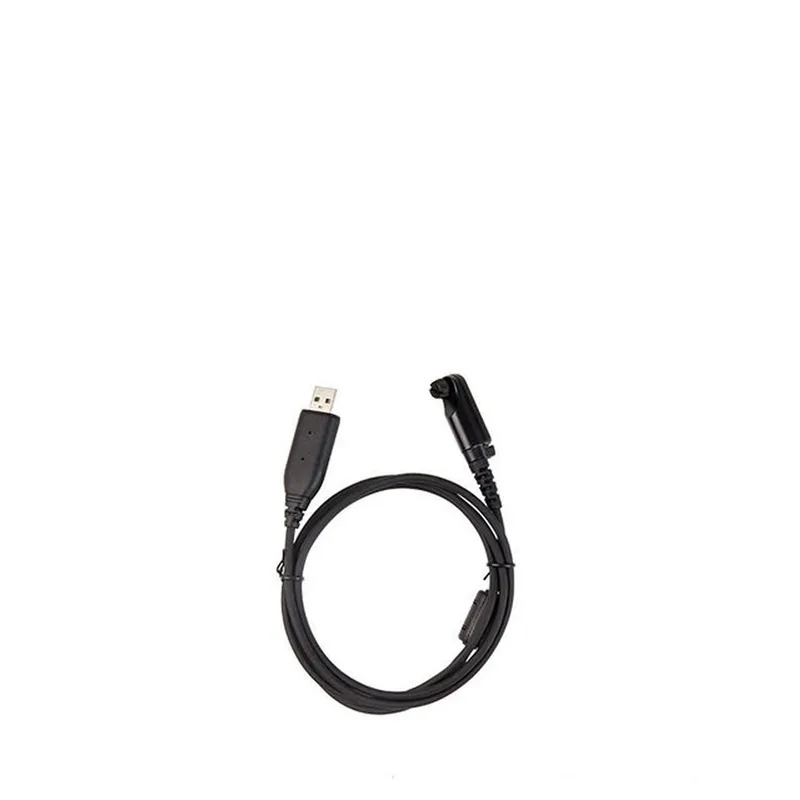
Hytera PC152 Programming and Data Cable, USB to 13-Pin
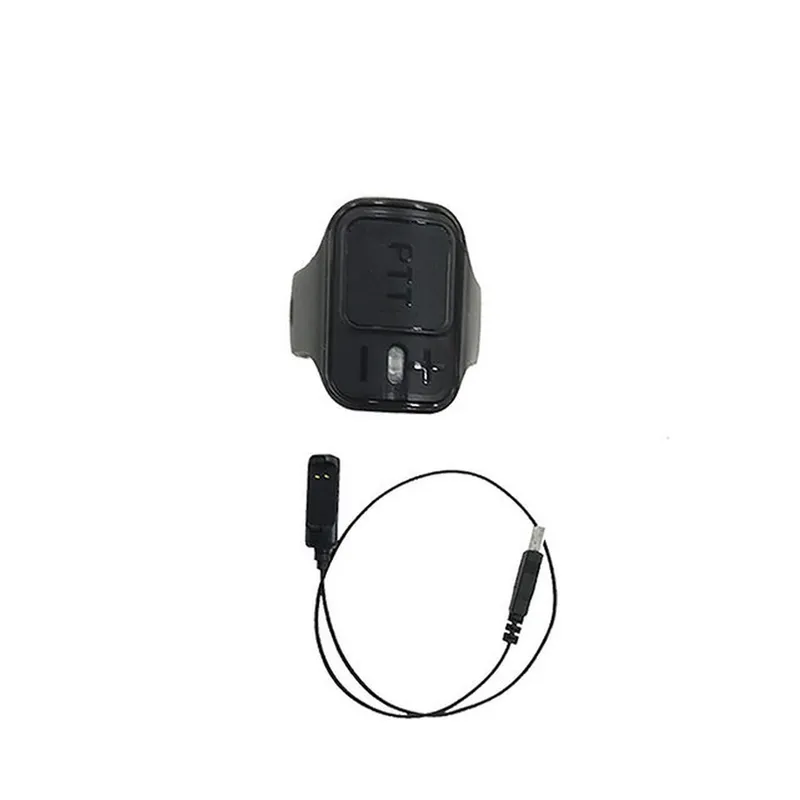
Hytera POA121 Finger PTT Button
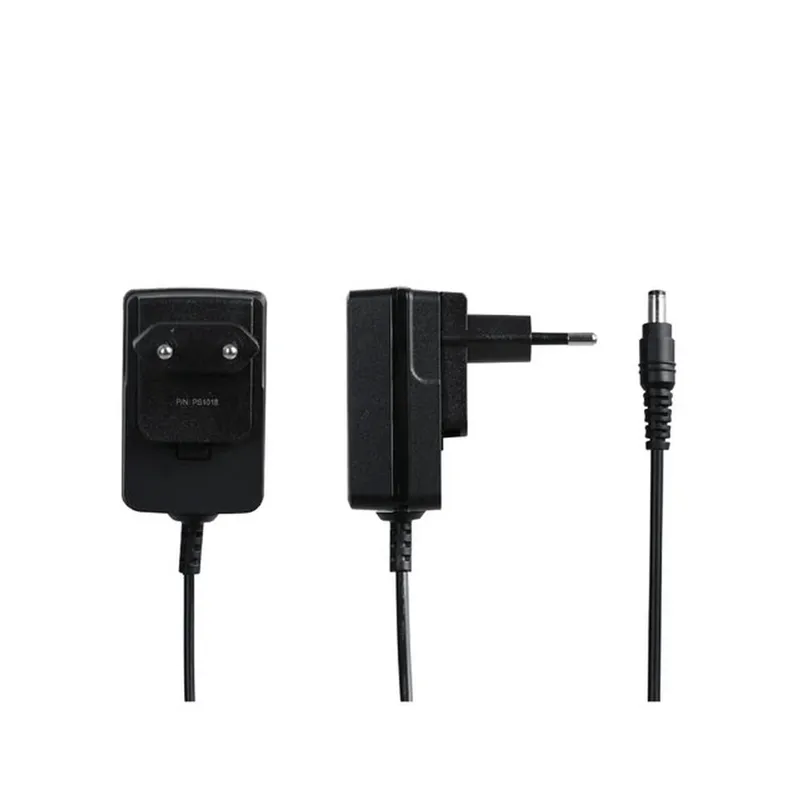
Hytera PS1018 Switching Power Adapter
Hytera RO03 Nylon Strap
Hytera RO3 Nylon Strap
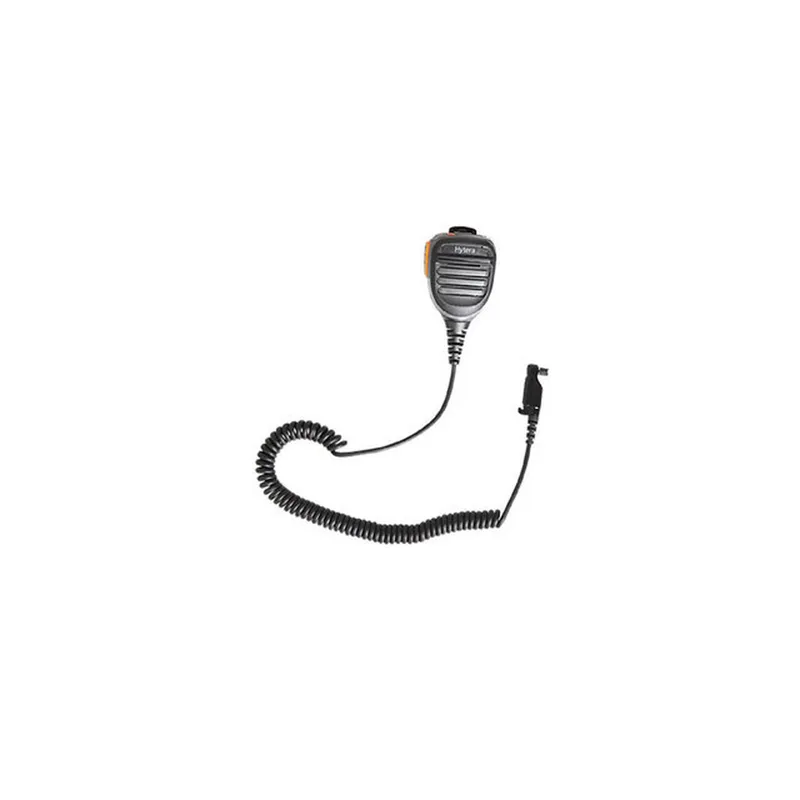
Hytera SM26N1P IP67 Remote Speaker Microphone
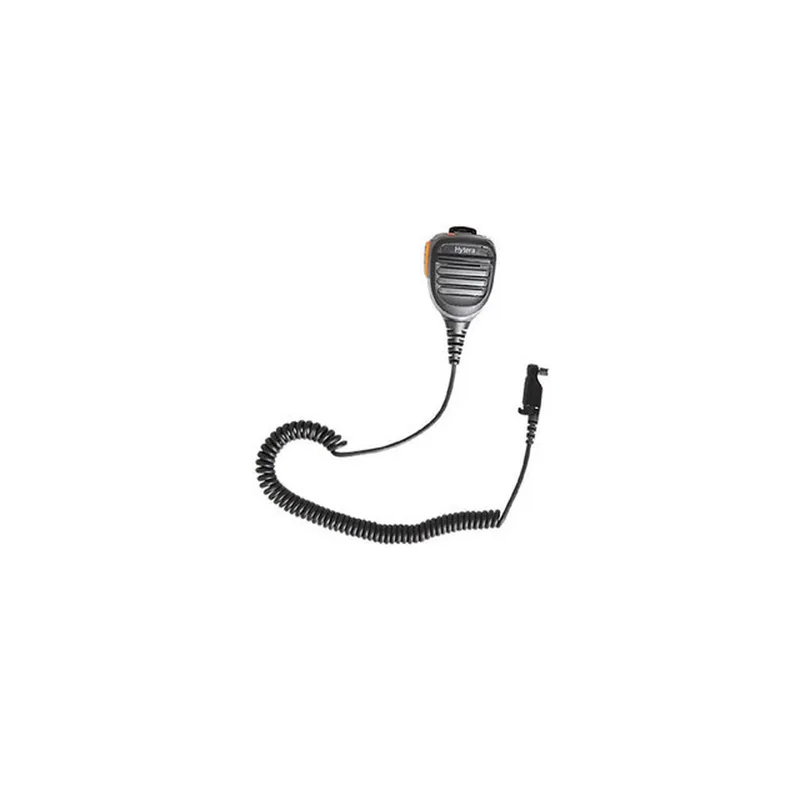
Hytera SM26N2P IP54 Remote Speaker Microphone
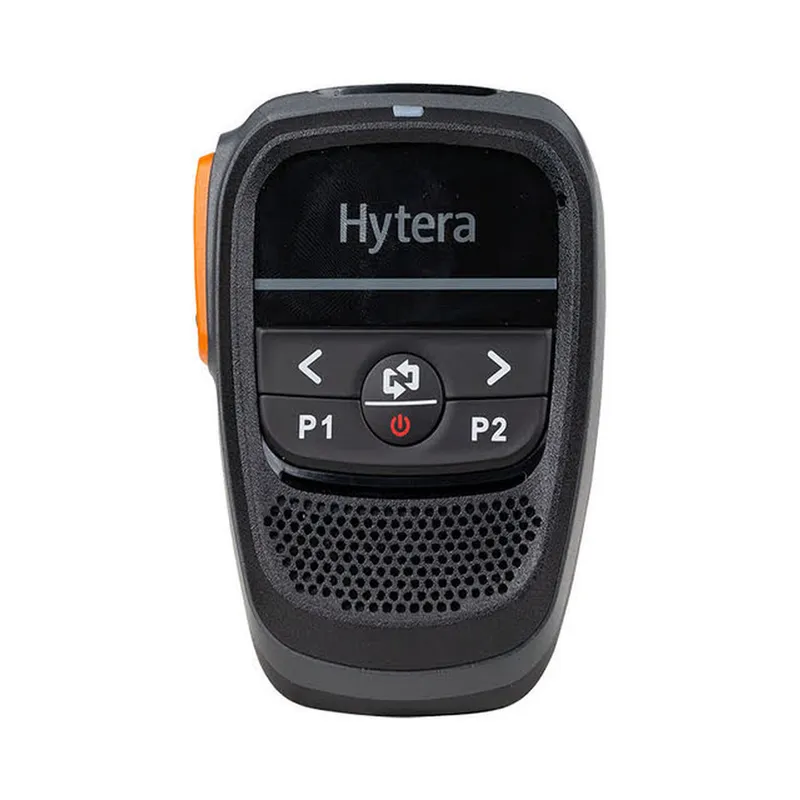
Hytera SM27W2 Wireless Remote Speaker Microphone
The Hytera HP569 operates across 400-470MHz; 136-174MHz. Several band versions exist; which one to buy follows from the frequency assigned to your organisation. UHF passes between walls and obstructions more readily, which is why it is preferred inside buildings, industrial plants and dense urban areas. VHF carries further over open ground and water at the same power.
RF output power is UHF: 4W / 1W; VHF: 5W / 1W. More power is not automatically better: it extends range and shortens battery life at the same time. Teams working close to a repeater are usually served by the low setting, which also lengthens the shift.
Capacity is 256 channels across 16 zones. A zone is a page of grouped channels — separate zones are defined for different sites, different shifts or joint working with another organisation. On a multi-site system that grows, this is what lets the channel plan be extended without a rebuild.
Battery 2400 mAh (Li-ion), with a manufacturer-quoted life of Digital: 23 hours (GPS off), 21 hours (GPS on). That figure is measured against the 5/5/90 duty cycle: 5% of the time transmitting, 5% receiving, 90% standby. High power, analogue mode and cold weather all shorten it.
The manufacturer’s own figures show a marked reduction with location reporting enabled. Where fleet tracking is used, shift planning should follow the lower number.
Receiver sensitivity is 0.18μV / BER5%. Sensitivity states how weak a signal the radio can still decode, and a lower number is better. At the edge of coverage it determines range as much as transmit power does — communication usually fails not because the other party cannot hear, but because the radio cannot decode a weak signal.
Durability is documented to MIL-STD-810H. The MIL-STD-810 series covers drop, vibration, thermal shock, humidity and dust testing; on field equipment it is a measured result rather than a marketing claim.
Operating temperature range is -20°C ~ +60°C.
The hazardous-area certification is Class I, Division 1, Group C-D, T4; Class II, III, Division 1, Group E-G, T135°C; Class I, Division 2, Groups A-D, T4; Ta: -20°C to 60°C. Certification is granted to the assembly of radio and battery: fit a standard battery, antenna or earpiece and the approval no longer applies, and the device may not be used in the hazardous area.
Which zone and gas group a device may be used in is read from the markings on its case; the classification of the area itself comes from the facility’s explosion protection document. The two must match.
We deliver not only what you need, but more than you expect .