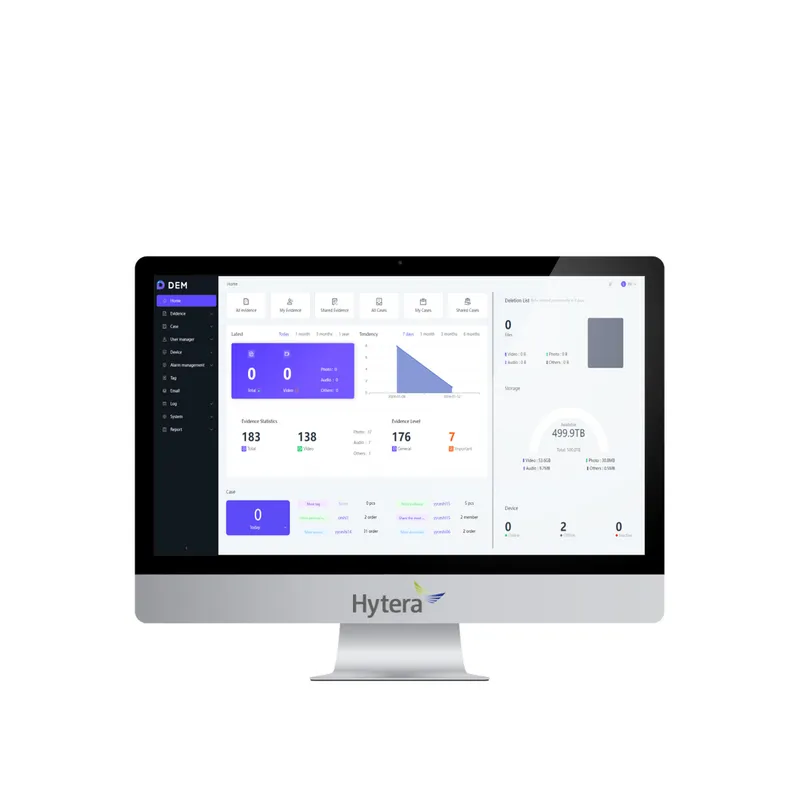
Hytera DEM Digital Evidence Management Platform


Municipalities coordinate many distinct field services across a whole district, procure through public tender, and need systems that stay serviceable for a decade. TechnoRF prepares the technical basis, designs coverage and supports the estate long after handover; four of our 48 reference projects are local government.
Hytera DEM Digital Evidence Management Platform
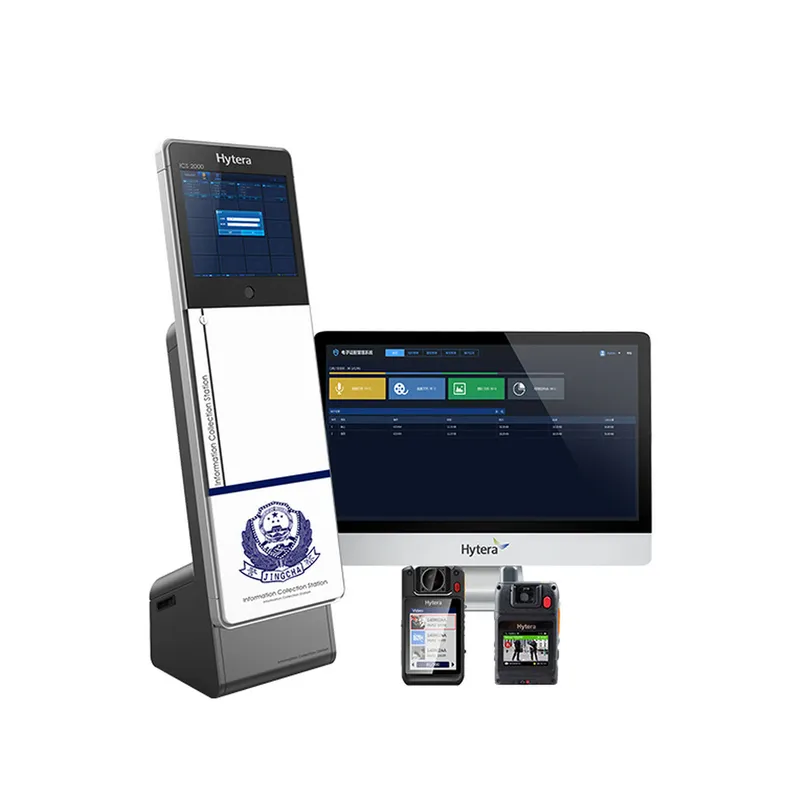
Hytera Digital Evidence Management Solution
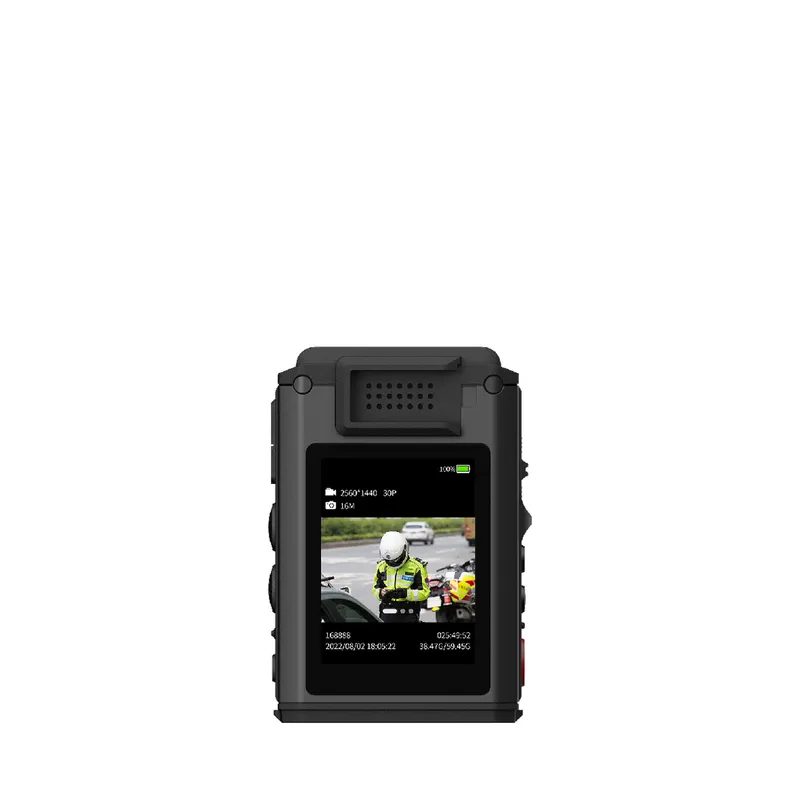
Hytera GC550 Ultra-Compact 2K Body-Worn Camera
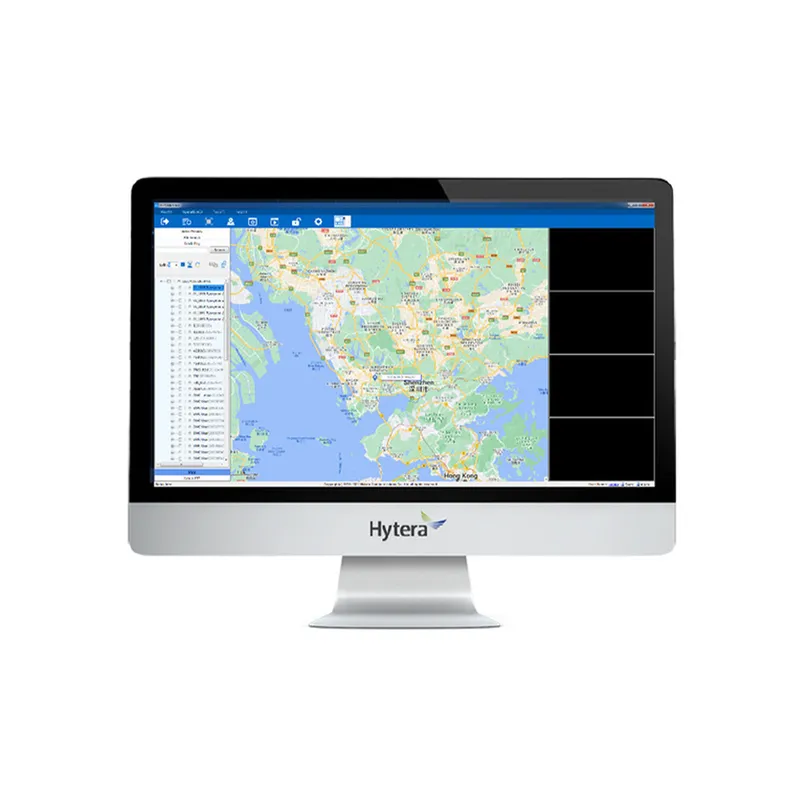
Hytera HHS Mobile Video Surveillance and Dispatch Platform
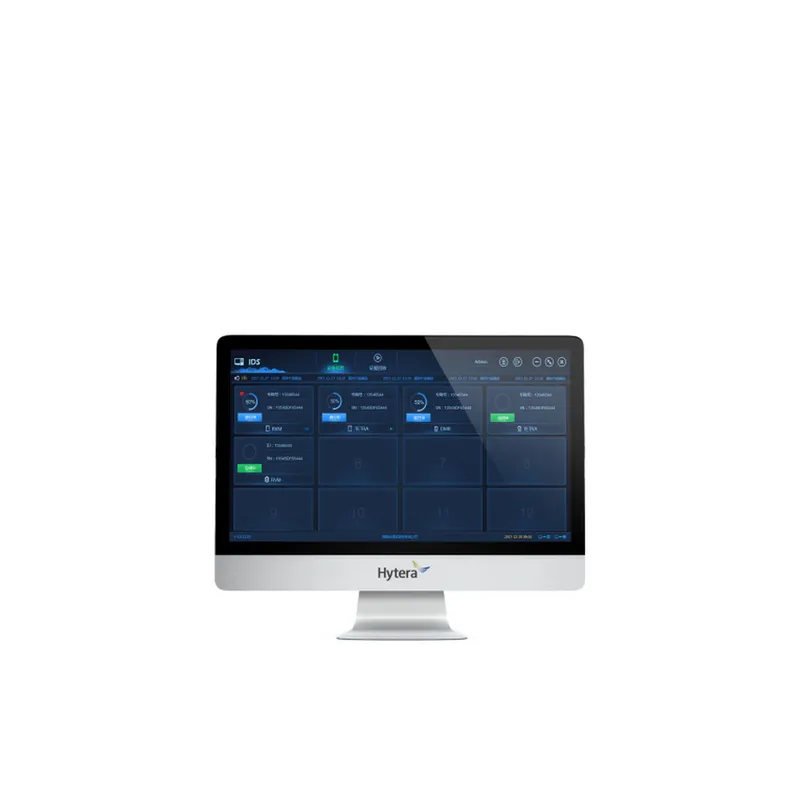
Hytera IDS Integrated Data Collection Software
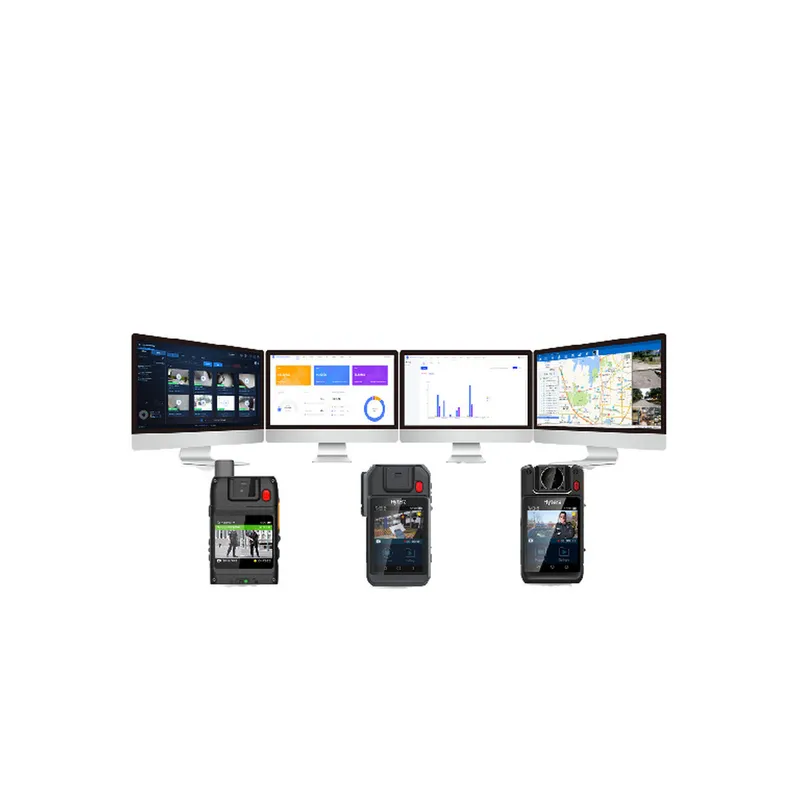
Hytera Mobile Video Surveillance DEM Digital Evidence Management Solution
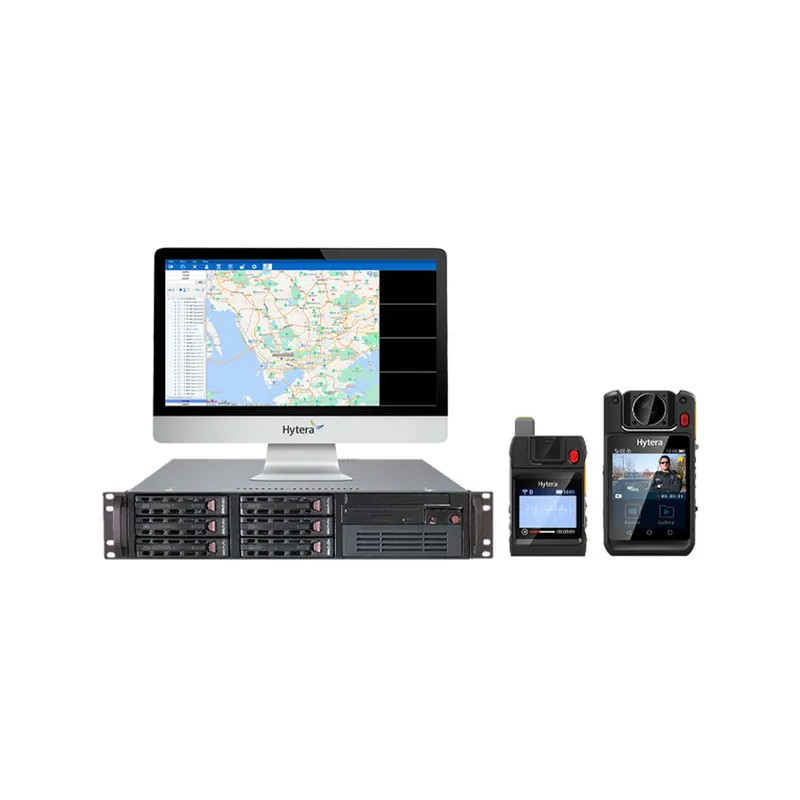
Hytera Mobile Video Surveillance Solution
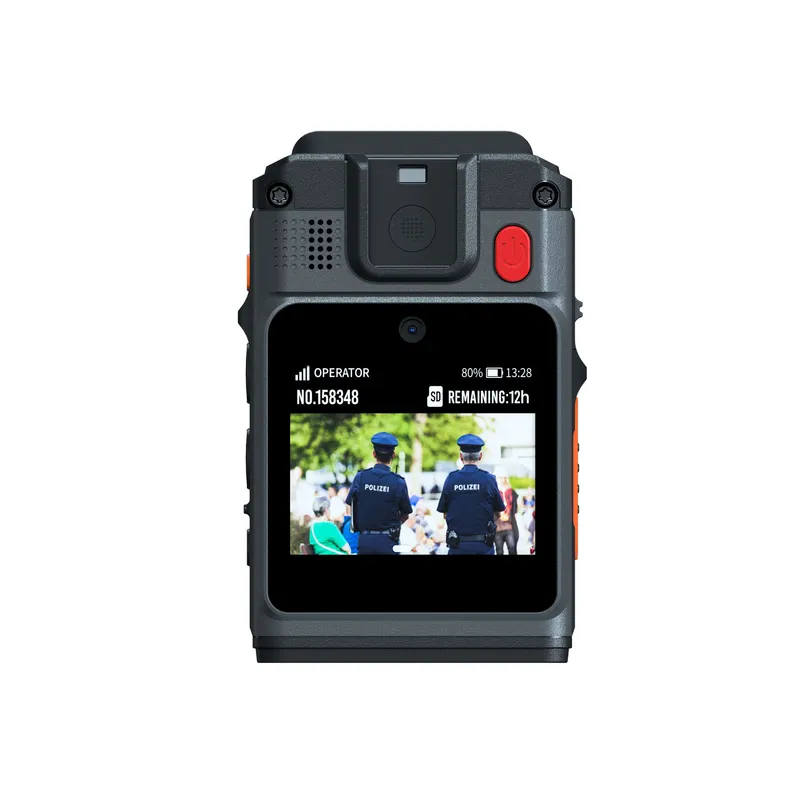
Hytera SC580 Smart 4G Body-Worn Camera
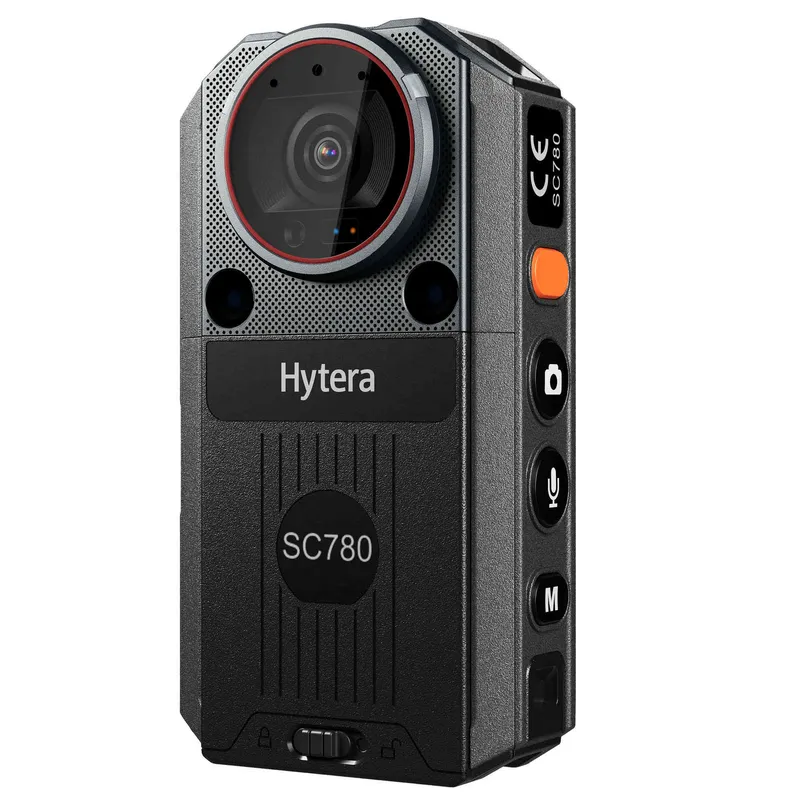
Hytera SC780 Advanced 4G LTE Body-Worn Camera
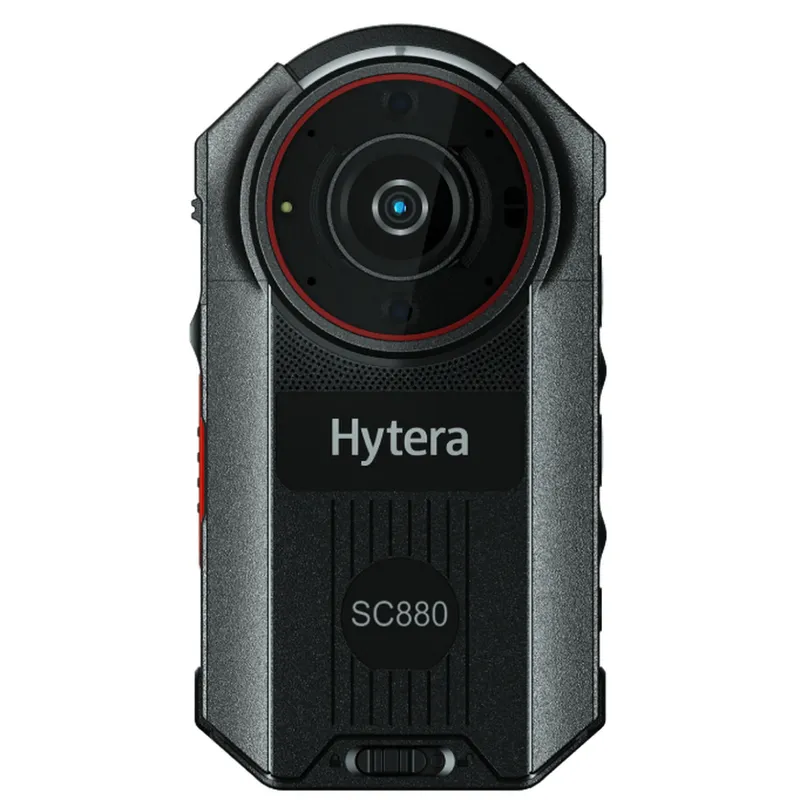
Hytera SC880 5G Smart Body-Worn Camera
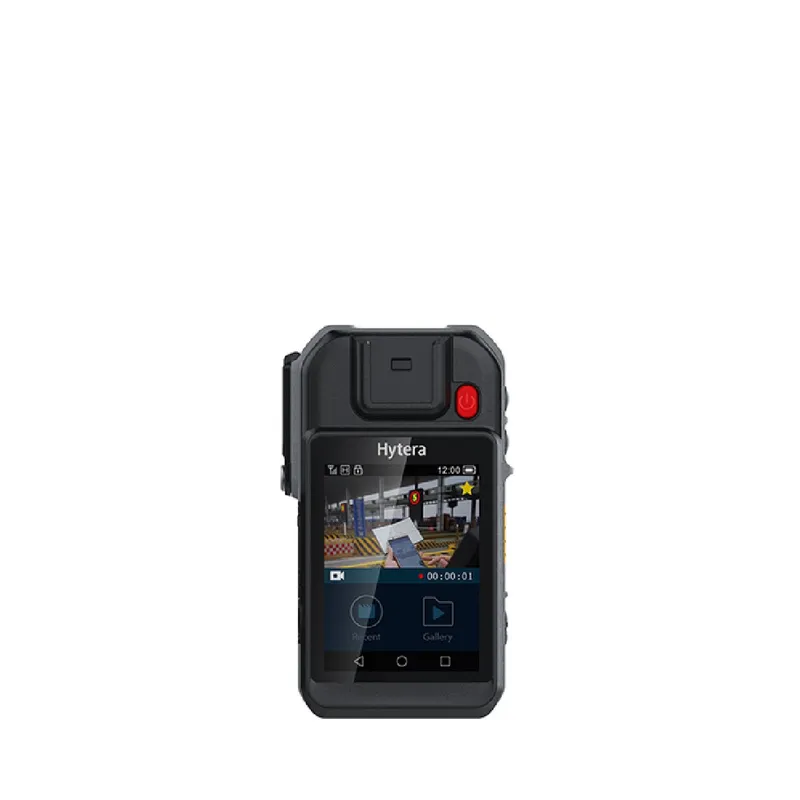
Hytera VM750D Smart 4G Body-Worn Camera
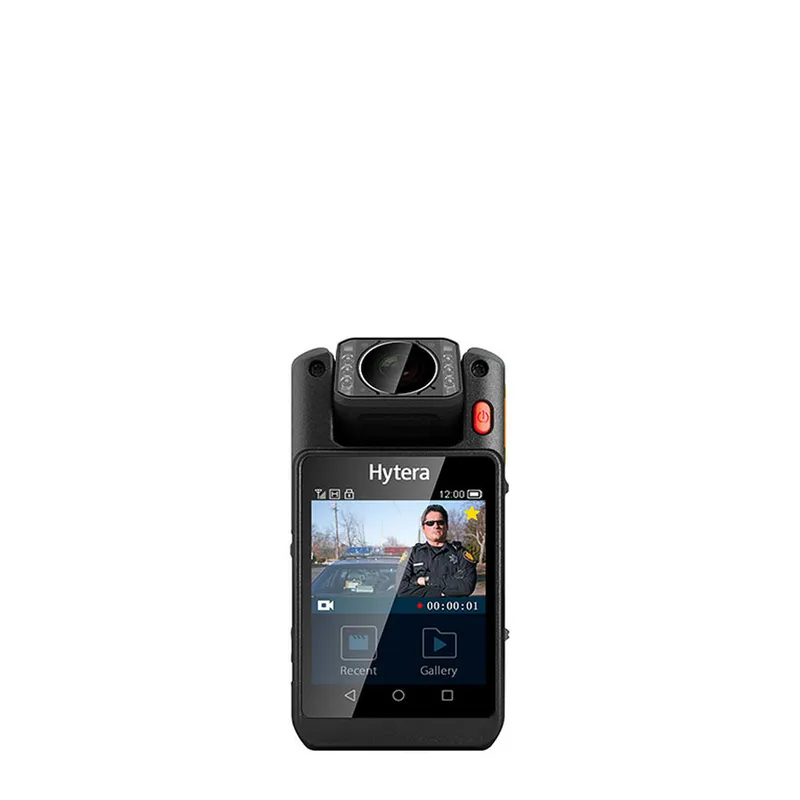
Hytera VM780 LTE Smart Body-Worn Camera

AFAD — Disaster and Emergency Management Authority

Antalya Provincial Agriculture and Forestry Directorate

Bolu Municipality — Emergency Repeater During Snow Operations

Çukurova University — Body-Worn Cameras for Campus Security

Istanbul Provincial Agriculture and Forestry Directorate

Karaman AFAD — Joint Disaster Repeater Overhaul

Karaman Special Provincial Administration — Repeater Restoration

Kocaeli Metropolitan Municipality — Multi-Service Field Communication

Uzunköprü Municipality — Private Secretariat Coordination
Municipal communication is unusual in the number of separate services sharing one system: cleansing, parks, water, roads, zabıta, fire, transport, cemeteries, social services and emergency response — each with its own patterns, all across the same district.
Many talkgroups, one system. Each service coordinates independently, and a control position hears all of them. Traffic that mixes departments becomes unusable within a week.
District-wide coverage. Not one site — a whole administrative area with terrain, dense urban districts and outlying settlements.
Capacity for the busy hour. Morning dispatch, an incident, a snowfall. Sizing for average load produces a system that fails when it is being relied on.
A ten-year horizon. Municipal systems are procured to last. Spares availability, repairability and the ability to extend matter more than the specification of any individual radio.
One repeater covers a neighbourhood, not a district. The options:
| Approach | When |
|---|---|
| Multi-site over the municipal IP network | Where the network already reaches candidate sites |
| Multi-site over microwave | Where it does not |
| Simulcast | Where users must never change channel while driving |
| PoC supplement | Outlying settlements not worth a repeater |
Simulcast deserves particular consideration in municipal work. Drivers crossing between coverage areas will eventually forget to change channel, and the call that goes unanswered will be during an incident. Simulcast removes the failure mode permanently, at the cost of precise synchronisation between sites.
DMR conventional serves smaller municipalities well. DMR Tier III trunking becomes correct where many departments compete for channels — capacity is pooled and priority handled properly. TETRA appears in metropolitan authorities with public-safety responsibilities and interoperability requirements.
The decision follows department count, geography and what an outage costs. Headcount alone is a poor guide.
Public procurement rewards a specification written around requirements and verification. A defensible municipal specification states:
Naming a model instead restricts competition, invites challenge, and still does not guarantee coverage in your district. TechnoRF prepares the technical basis — including coverage survey results — without prejudicing a competitive process.
Municipal systems outlive the administrations that buy them, which makes documentation the deliverable that matters most: architecture, channel and talkgroup plan, radio-to-user mapping by serial number, coverage report, licence file and maintenance schedule.
Four of TechnoRF's 48 published reference projects are local government bodies. See company profile or get in touch.
Requirements and verification, not model numbers. Coverage stated by area and by user type with a measurement method, talkgroup structure, capacity at peak, response times for faults, spares provision, training, documentation and a licence transfer. A specification written around one manufacturer’s datasheet restricts competition and still does not guarantee the system works in your district.
With repeaters, sited by survey. One repeater rarely covers a district, so several are linked — over the municipal IP network where it reaches, or by microwave where it does not. Where users should never have to change channel while driving across the district, simulcast puts the whole area on one channel at the cost of precise synchronisation.
Through defined gateways and by agreement, yes, and it is worth arranging before it is needed. Direct interoperability depends on which systems the agencies operate; a gateway bridging talkgroups is the practical route, with the scope agreed in advance rather than improvised during an incident.
The system becomes the coordination backbone, so it must be designed for that case rather than for a normal Tuesday. Battery reserve at repeater sites that outlasts a power outage, capacity headroom for several times normal traffic, a fallback if a site is lost, and mobile equipment that can be deployed where infrastructure has failed. See disaster and emergency for the layered approach.
The Hytera product range, TechnoRF engineering, installation, maintenance, technical service and business continuity planning — brought together into a system designed for how your operation actually works.
We deliver not only what you need, but more than you expect .