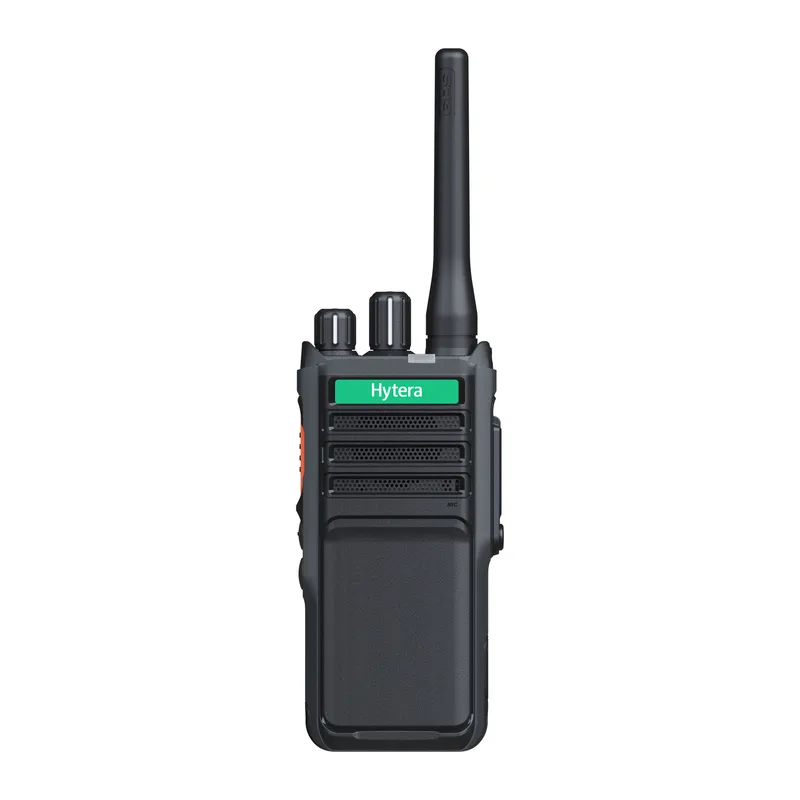
Hytera HP509 UL913 Intrinsically Safe DMR Handportable Radio


In explosive atmospheres a radio must not be capable of producing an ignition source. ATEX and IECEx certification is granted to the complete assembly — radio, battery, antenna and accessories together — so substituting a standard battery voids the approval and removes the device from lawful use in the hazardous area.
Hytera HP509 UL913 Intrinsically Safe DMR Handportable Radio
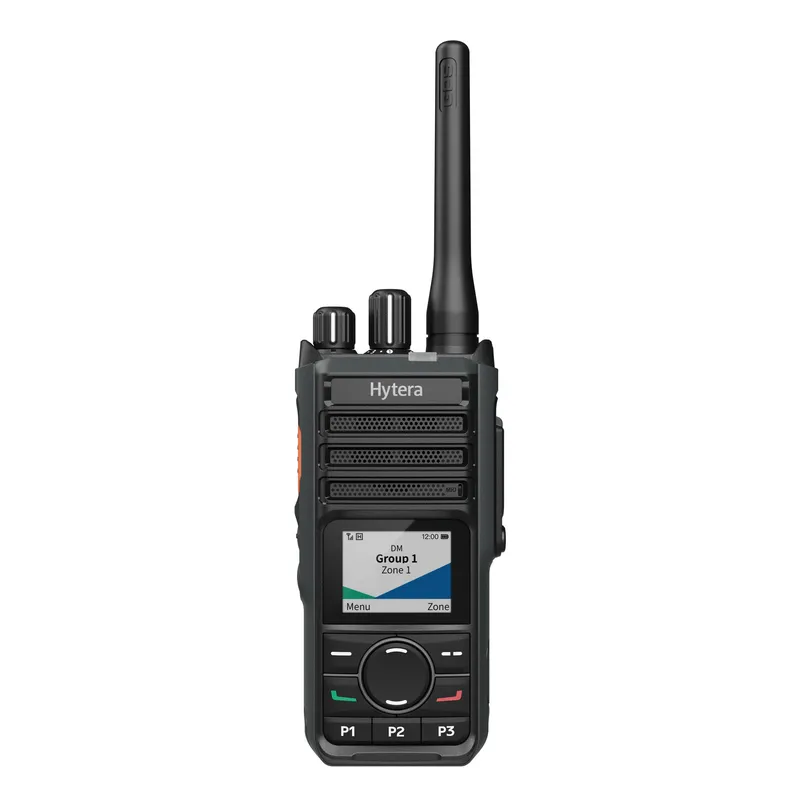
Hytera HP569 UL913 ATEX DMR Handportable Radio
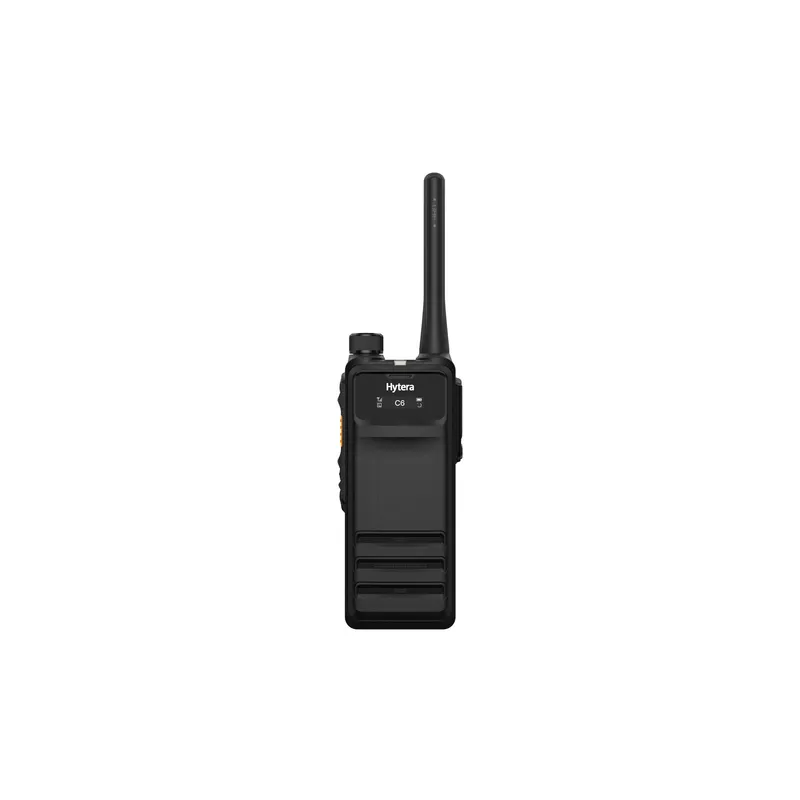
Hytera HP709 UL913 ATEX DMR Handportable Radio
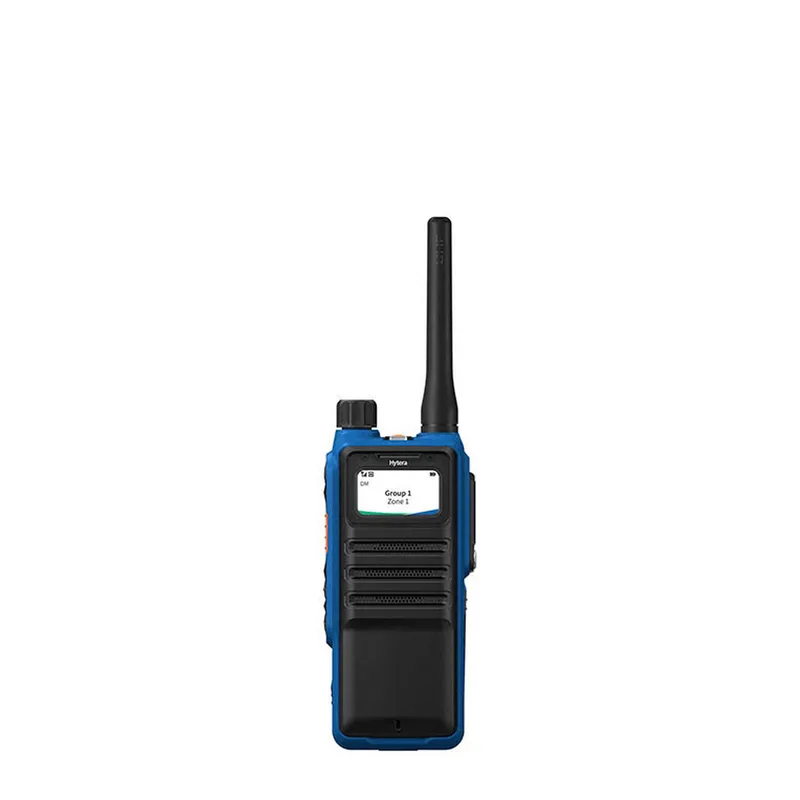
Hytera HP715Ex IIA ATEX DMR Handportable Radio
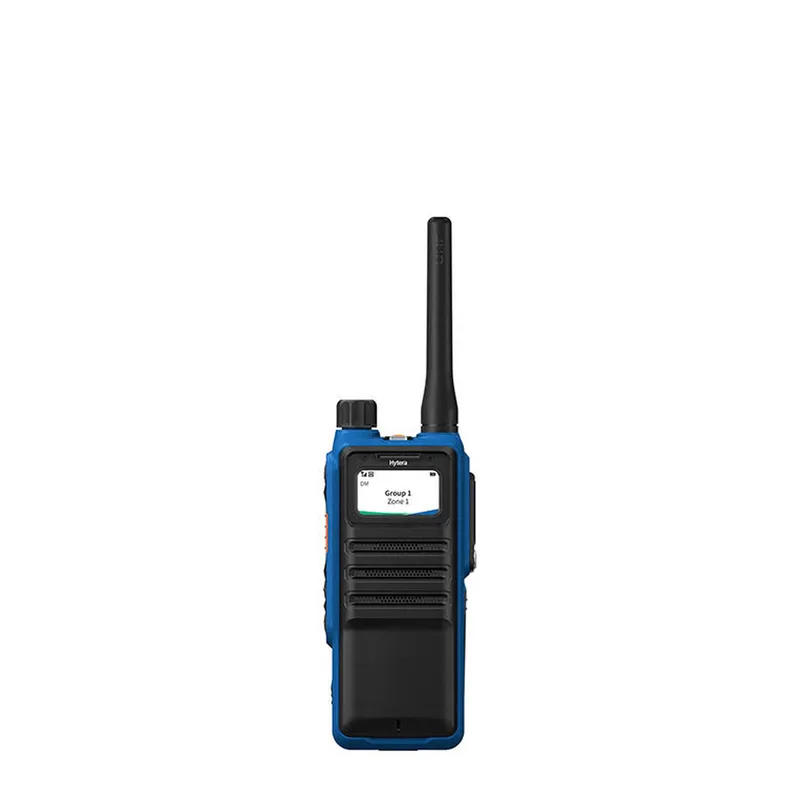
Hytera HP715Ex IIC ATEX DMR Handportable Radio
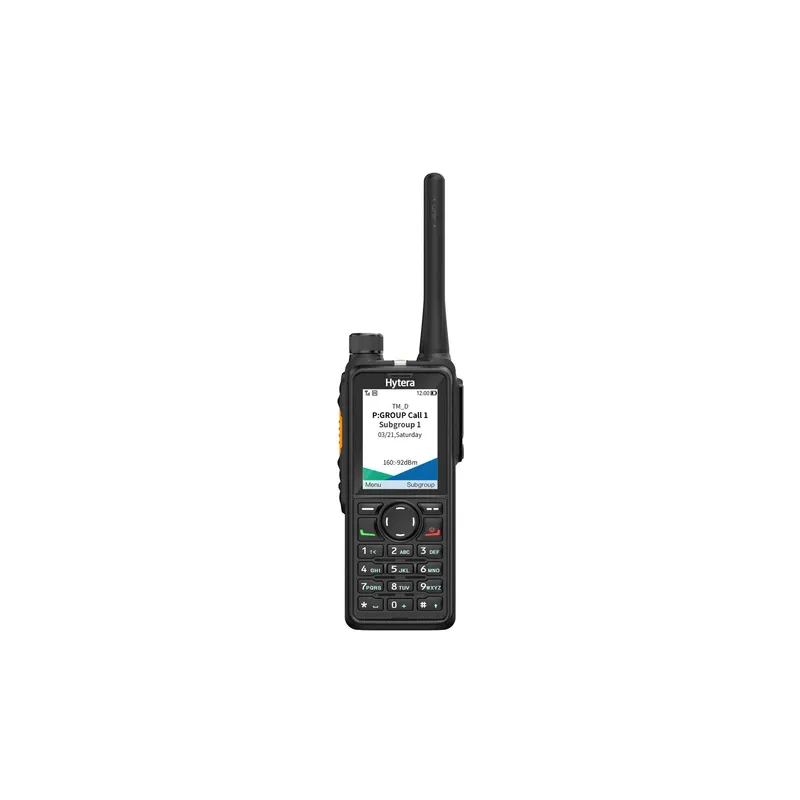
Hytera HP789 UL913 ATEX DMR Handportable Radio
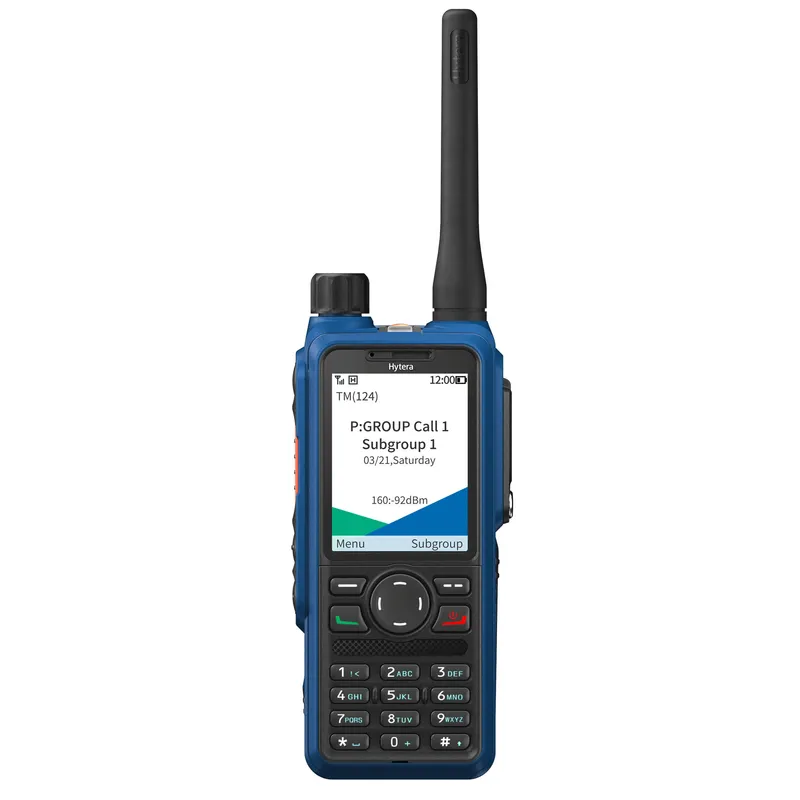
Hytera HP795Ex IIA ATEX DMR Handportable Radio
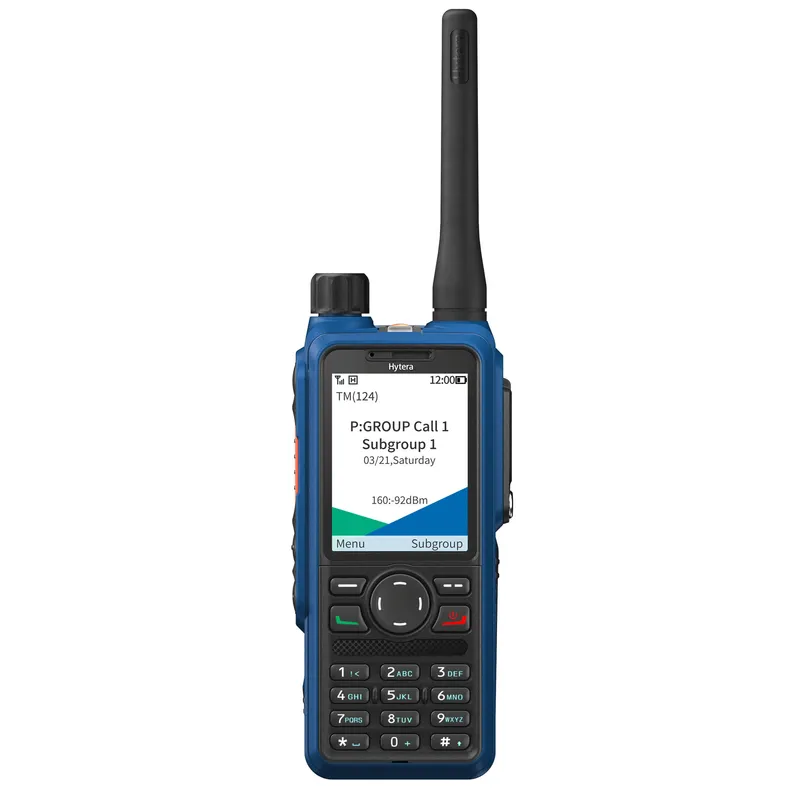
Hytera HP795Ex IIC ATEX DMR Handportable Radio
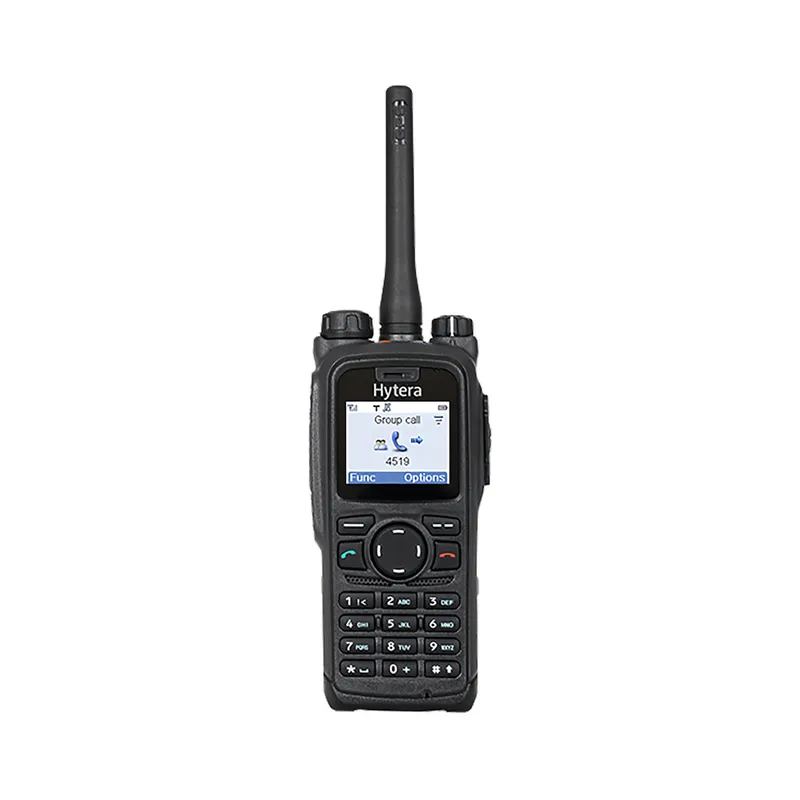
Hytera PT580H Plus UL913 TETRA Handportable Radio
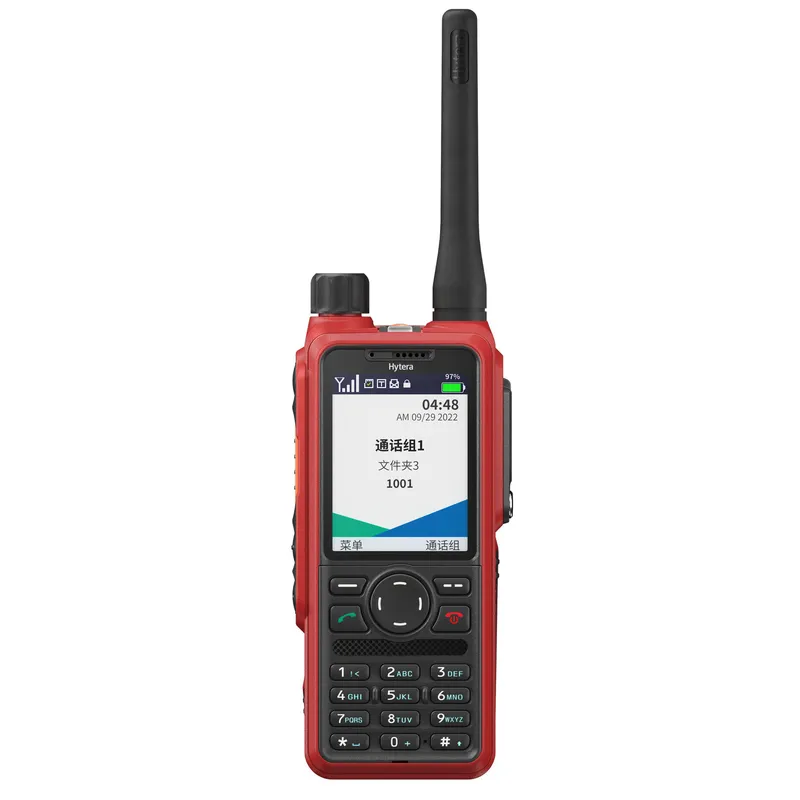
Hytera PT890Ex Intrinsically Safe TETRA Handportable Radio
Where flammable gas, vapour or combustible dust can be present, a radio is not judged on coverage or audio quality first. It is judged on whether it can produce a spark or a hot surface.
An ATEX or IECEx certified radio is engineered so that, in normal operation and under defined fault conditions, it cannot release enough energy to ignite the surrounding atmosphere. That is achieved by limiting stored and switched energy, by encapsulation, and by controlling surface temperature.
The critical point, and the one most often missed in practice: certification is granted to the complete assembly. The radio plus that battery, and where applicable that antenna and that speaker microphone. Change any certified component for an uncertified one and the approval no longer applies — instantly, and regardless of the markings on the housing.
| Marking | Meaning |
|---|---|
| Zone 0 / 20 | Explosive atmosphere present continuously or for long periods |
| Zone 1 / 21 | Likely to occur in normal operation |
| Zone 2 / 22 | Unlikely, and short-lived if it occurs |
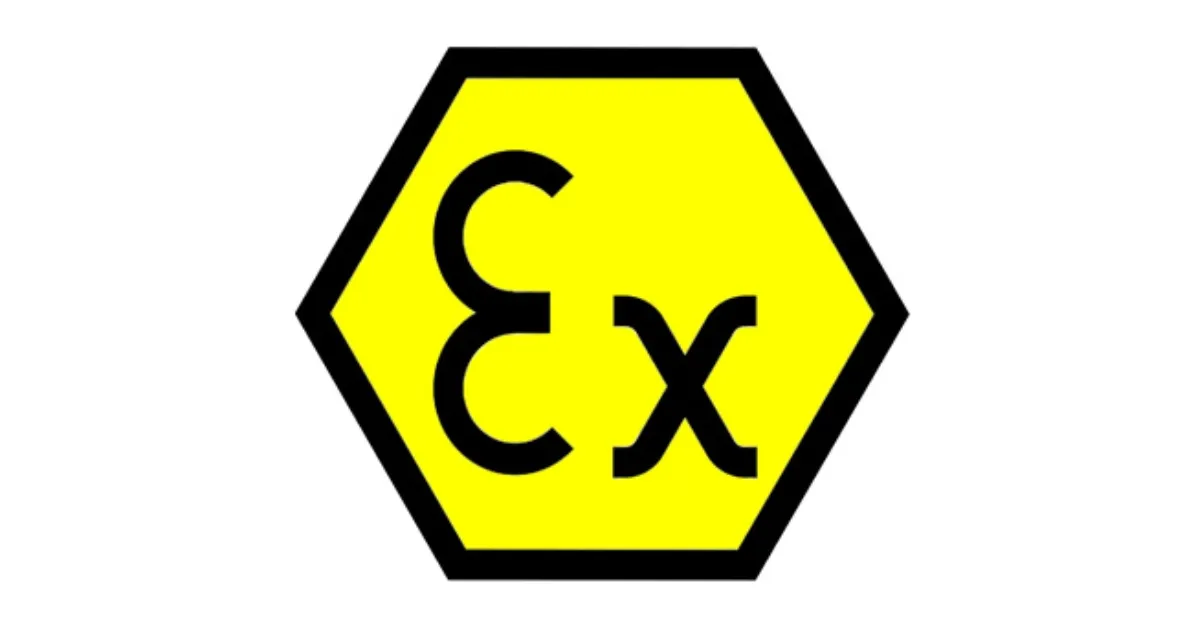
| IIA / IIB / IIC | Gas group — propane / ethylene / hydrogen and acetylene |
| T1 … T6 | Maximum surface temperature, T6 the strictest at 85 °C |
| Ex ia / ib | Intrinsic safety level — ia for Zone 0, ib for Zone 1 |
Equipment certified for a more demanding class may be used in a less demanding one; the reverse is never true. A Zone 1 radio does not enter Zone 0.
The zone map itself comes from the facility’s explosion protection document. Suppliers do not classify zones, and a supplier who offers to is a warning sign.
The hazardous-area constraint narrows the equipment list; it does not by itself choose the system. That follows the same logic as anywhere else:
Where the plant includes enclosed process structures, tank farms or underground sections, coverage inside them is a separate design problem and is solved separately.
TechnoRF supplies certified Hytera equipment against your zone classification, maintains the spares and battery pool, handles certified repair, and keeps the documentation that an inspection will ask for.
Oil, gas and petrochemical plants, refineries and tank farms, chemical and paint production, mines and their surface handling, grain silos, flour mills and feed plants, energy facilities with fuel handling, and pharmaceutical solvent areas. Dust hazards — flour, grain, sugar, wood, metal powder — are frequently underestimated and are covered by the same regime. Get in touch.
The assembly, not the model. Certification applies to the radio together with a specific battery, and where relevant a specific antenna and audio accessory. Fitting a standard battery to an ATEX radio ends the certification immediately — the device is then simply an uncertified radio, and using it in the hazardous area is a violation regardless of what is printed on its case.
The facility’s own explosion protection document, prepared under Turkish regulation transposing the ATEX directives. It classifies each area by zone and identifies the substances present, and therefore the gas or dust group and temperature class. The equipment supplier does not make this determination and should not be asked to; we specify equipment against the classification you provide.
Read them in order. Zone 0, 1 or 2 gives how often an explosive gas atmosphere is present — continuously, occasionally, or rarely and briefly; 20, 21 and 22 are the dust equivalents. IIA, IIB and IIC give the gas group, with IIC (hydrogen, acetylene) the most demanding. T1 to T6 caps the maximum surface temperature, T6 being the strictest at 85 °C.
No. Repair must be carried out by an authorised facility using original certified parts, and undocumented repair voids the certification exactly as a wrong battery does. This is a genuine operating cost that belongs in the purchase decision: ATEX estates need a maintained spares pool and a documented repair route, not a local workshop.
The Hytera product range, TechnoRF engineering, installation, maintenance, technical service and business continuity planning — brought together into a system designed for how your operation actually works.
We deliver not only what you need, but more than you expect .