
İçerik ADR Dangerous Goods Safety Consultancy — Field Inspection Radio


Logistics splits into two distinct communication problems: dense warehouse interiors where racking and steel structure defeat coverage, and vehicle fleets spread across provinces where no private infrastructure is economic. TechnoRF builds both, and bridges them into one dispatch view.
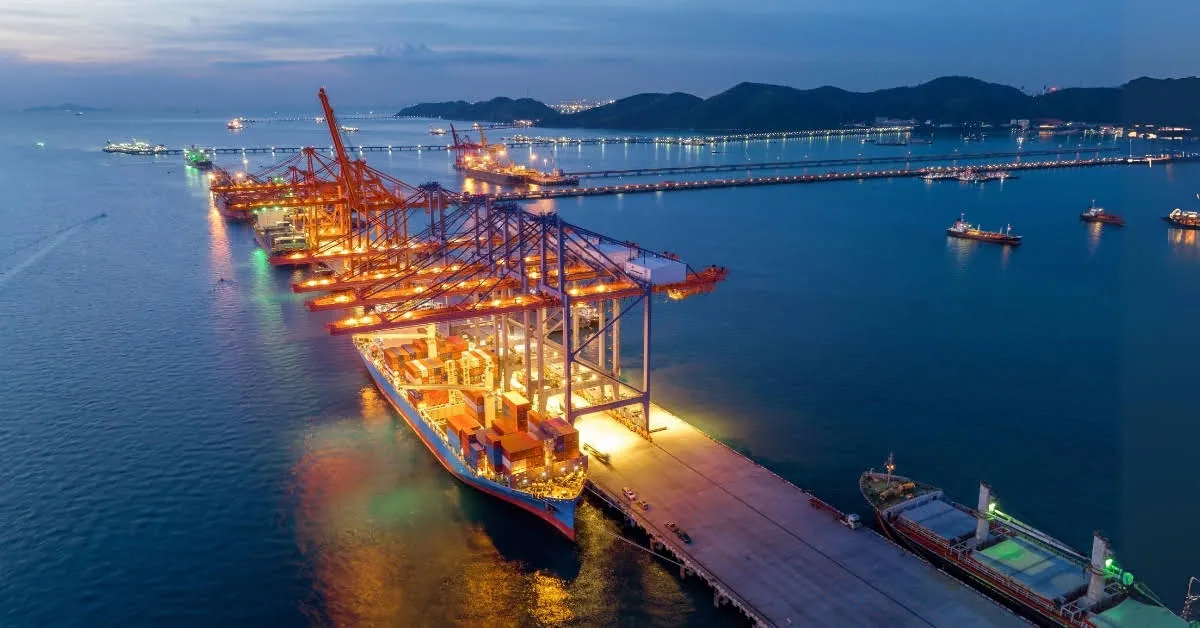
Logistics looks like one sector and behaves like two. Inside the building the problem is coverage through steel and stock; outside it the problem is geography. They need different answers.
A distribution centre is a difficult RF environment for reasons that do not appear on the floor plan:
The design consequence is straightforward: measure inside, with the racking loaded, and select accessories for the noise environment as part of the specification rather than afterwards.
A fleet operating across provinces cannot be covered by any private infrastructure at an economic cost. PoC over cellular is the correct answer, and it brings with it the capabilities a transport office actually wants:
The design that works for a distribution operation runs DMR inside the building — no subscription, low latency, full control — and PoC on the fleet, joined by a gateway so that a single dispatch position hears both.
Without the bridge, the transport office watches two systems and the yard becomes a coordination gap: the driver arriving is on one system and the loading team on the other.
The yard is where the two worlds meet, and it is frequently the worst-covered area on the site. Trailers, containers and parked vehicles block signal and move daily; the gate, weighbridge, loading docks and parking areas all need coverage that survives a full yard.
Yard coverage is designed with the yard full. Anything else measures a condition the operation is rarely in.
Traffic in logistics is sharply peaked — shift change, inbound waves, dispatch cut-off. A system sized on average load produces queues exactly when the operation is busiest.
Where a single site outgrows conventional channels, XPT pools capacity across repeaters without a central controller and covers most distribution centres comfortably.
Warehouse radios are dropped, run over and left in vehicles. A practical service model provides a stocked spares pool on site, a battery replacement cycle, accessory replacement as a consumable, and a coverage re-check after any significant racking change. Get in touch.
Because racking is not empty space. Steel uprights, stacked pallets and metal-clad walls absorb and reflect signal, and the picture changes as stock levels change — a system commissioned on an empty floor can fail when the warehouse is full. Coverage for warehouses is measured with the racking loaded, not before fit-out.
Yes, through a gateway, and this is the standard design for a distribution operation. The warehouse runs DMR on its own infrastructure with no subscription, the fleet runs PoC over cellular for national coverage, and a bridge plus a single dispatch position means the transport office hears both without watching two screens.
For vehicles spread across provinces, PoC decisively — building repeater coverage over that geography would cost far more than the subscriptions. For the warehouse itself, DMR wins over any horizon longer than about two to three years, because there is no per-device monthly cost. Most operations run both for exactly this reason.
It is a real constraint and it is solved with accessories rather than volume. Heavy-duty headsets for forklift and pick-face operators, noise-cancelling speaker microphones for supervisors, and vibrate alerts where audio will not be heard. Specifying radios without specifying the accessories for the noise environment is a common and avoidable failure.
The Hytera product range, TechnoRF engineering, installation, maintenance, technical service and business continuity planning — brought together into a system designed for how your operation actually works.
We deliver not only what you need, but more than you expect .