Denizli RWE Energy — DMR System Maintenance and Optimisation


A command and control centre brings radio traffic, device location, emergency calls and video onto a single operator screen. Its value lies not in the software itself but in uniting systems that would otherwise run blind to each other under one incident record.
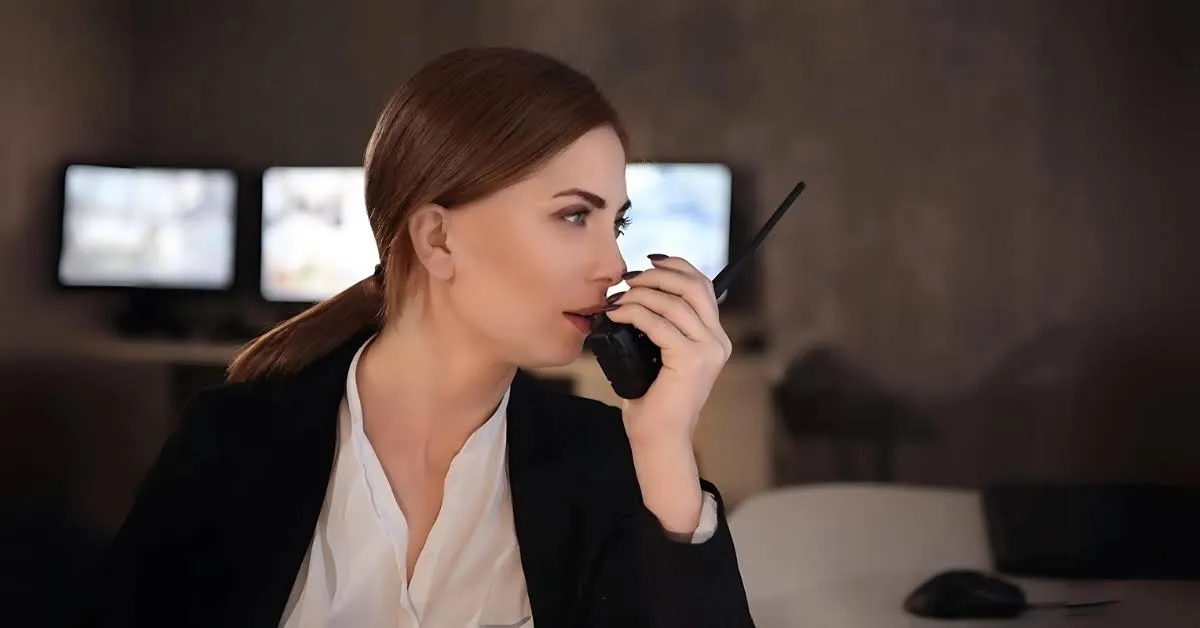
In most operations the systems run blind to one another: radio here, location tracking there, cameras elsewhere, alarms somewhere else. During an incident the operator watches four screens and joins the information up in their head.
A command and control centre collects those pieces onto one screen.
| Component | Function |
|---|---|
| Dispatch console | Group and individual calls, channel management, announcements |
| Map and location tracking | Device positions, route history, geofence alerts |
| Voice recording | Time-stamped recording of all traffic with playback |
| Incident management | Opening, assigning, tracking and closing an incident |
| Video integration | Body camera and fixed camera footage tied to the same incident |
| Reporting | Call statistics, response times, usage density |
Most organisations do not run a single technology: DMR inside the facility, PoC in the field, TETRA with public agencies, telephony in the office.
Unified communication solutions bring these onto one console. In practice: a field team carrying PoC devices can hear a DMR user inside the facility, and the operator can place both in the same talkgroup.
Operator count and layout. The number of consoles follows the number of operators working simultaneously. Screen layout and audio routing directly affect fatigue over a long shift.
Redundancy. The command centre must not become a single point of failure. Server and power redundancy, and the ability of the field to keep communicating when the centre is down, must be planned.
Recording policy. Retention period, access rights and deletion process for voice and video must be defined in advance. Under Turkish data protection law (KVKK) these are obligations, not options.
Training. Unused software features are wasted investment. Operator training and scenario exercises are part of handover.
Get in touch to discuss scope for your operation.
A combination of software and hardware that brings field communication and monitoring systems onto a single operator console. Radio traffic, device location, emergency calls, body camera video and alarm systems appear on the same screen. The operator sees who is where, makes group calls, records the incident and directs the response.
Usually not. A command and control centre makes sense where several teams are managed simultaneously and incidents must be recorded: hospital campuses, ports, large facilities, municipalities, public safety. For a single ten-person team the radio system alone is enough.
Yes — that is the purpose of unified communication solutions. DMR, TETRA, PoC, telephony and video systems can be combined on one console, so users on different technologies can hear one another while the operator manages all of them from a single screen. The scope depends on the interfaces the existing systems expose.
In most cases yes. What matters is whether the existing system exposes a data interface. Digital systems (DMR, TETRA, PoC) generally do; analogue systems cannot carry location or device identity, so functionality is limited.
The Hytera product range, TechnoRF engineering, installation, maintenance, technical service and business continuity planning — brought together into a system designed for how your operation actually works.
We deliver not only what you need, but more than you expect .