Energy and Utilities


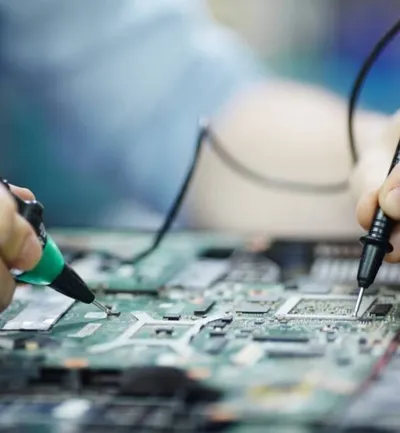
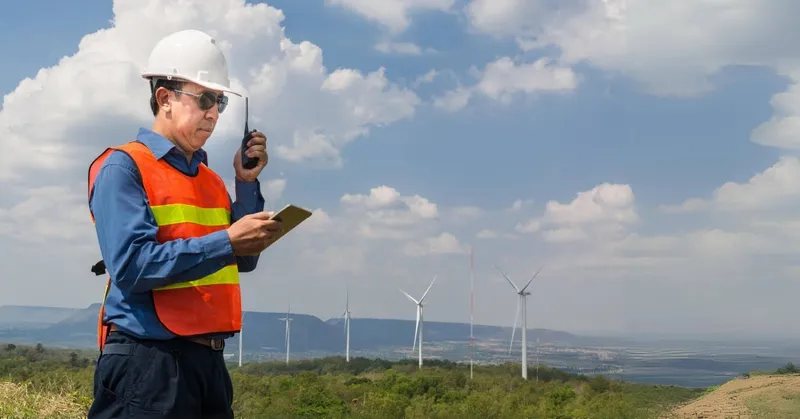
TechnoRF carried out comprehensive maintenance, measurement and optimisation on the Hytera RD625 DMR repeater and the wider radio estate at Denizli RWE Energy, which had been running without service since 2019. The aim was to raise reliability, reduce failure risk and bring the infrastructure back into line with operational requirements. Repeater modules were tested in detail, cooling paths and connections were cleaned, and the main antenna system, cabling and connectors were checked with professional measurement equipment. The duplexer was realigned with precision instruments and a faulty duplexer cable was replaced, removing signal loss. Field handsets were brought up to current firmware, GPS settings were optimised, and connection problems in the SmartOne Dispatch software were resolved. After the work the coverage target was met in full, dispatch integration was faster, and GPS position tracking became usable.
A DMR repeater does not stop working when it is neglected; it degrades along several axes at once, and none of them announce themselves. Dust builds on heat exchange surfaces until the amplifier reduces output thermally. Connectors oxidise and add loss. The duplexer drifts out of alignment, desensitising the receiver so that mobiles at the edge of the site can no longer be heard while the repeater still transmits at full power. Firmware falls several revisions behind the handsets in the field. Each of these is small; together they produce a system that everyone on site has quietly stopped trusting.
A faulty duplexer cable is a good example of a fault that is invisible without measurement. It does not break the link; it inserts loss into both the transmit and receive paths and, if intermittent, produces symptoms that come and go with temperature and vibration. Users report that "the radios are bad in the far building." Replacing it restored the signal budget that the coverage design assumed in the first place — which is why the coverage result after the work matched the original design rather than exceeding it.
Handsets running mismatched firmware behave inconsistently in ways that are hard to attribute, particularly around GPS reporting and data features. Bringing the fleet to a common current version removes a class of intermittent behaviour outright. GPS optimisation is the other half: reporting interval, fix acquisition settings and how position data is carried on the channel determine whether tracking is usable or whether it floods the channel and gets switched off.
Dispatch software is where a radio system becomes an operational tool rather than a talk path. On an energy site it carries position, status and call recording — which matter for shift management, for lone-worker safety and for incident review afterwards. Connection problems in the dispatch layer are frequently tolerated for years because the voice channel still works, and the capability is simply not used. Resolving them and reconfiguring the system returned the function the site had already paid for.
The case for scheduled maintenance on this class of system is not that failures are prevented but that degradation is caught while it is still cheap. Antenna and feeder condition, connector integrity, duplexer alignment, thermal performance, coverage measurement and firmware state are all measurable on a cycle. TechnoRF provides scheduled maintenance, RF optimisation, measurement and technical service for radio systems on energy sites in Turkey.
We deliver not only what you need, but more than you expect .