

Details
GPS stops at the door. Inside buildings, underground facilities and tunnels a position either cannot be obtained or is wrong by tens of metres — and a position that is wrong is more dangerous than no position at all, because it is acted upon.
What the system does
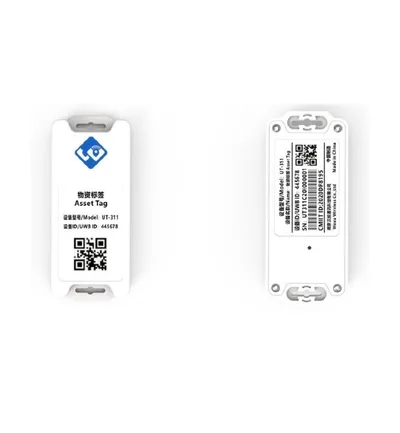
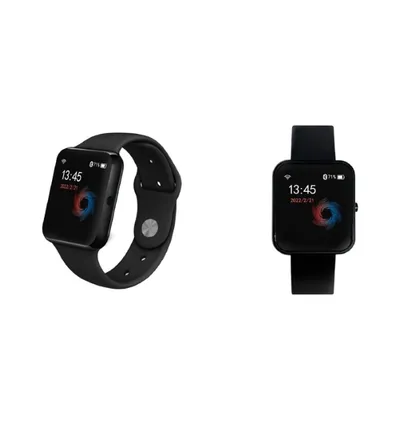
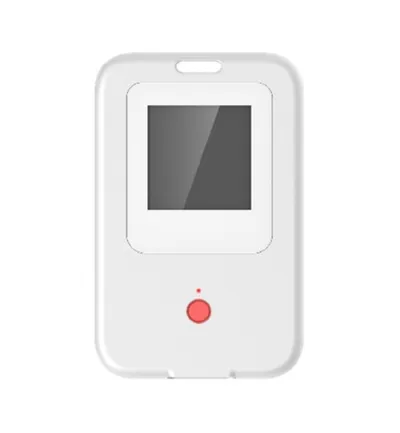
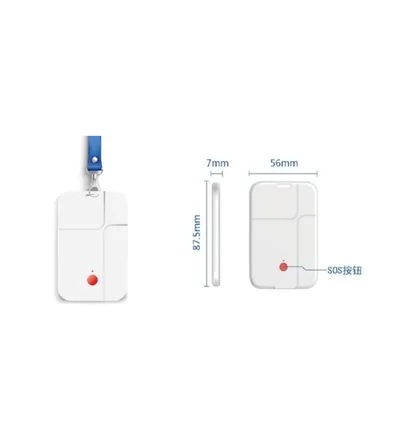
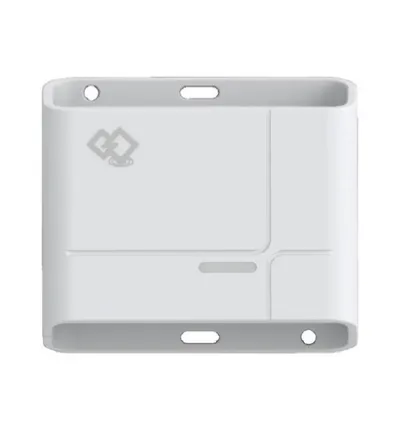
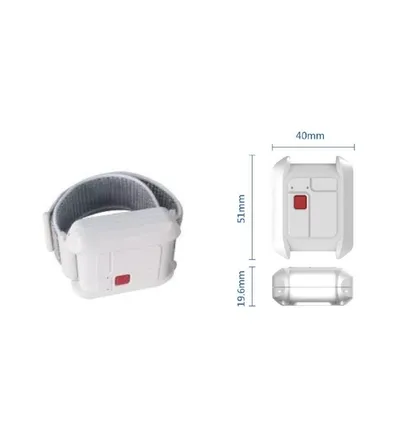
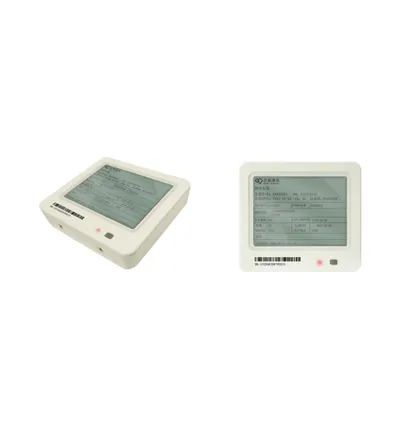
Anchors installed through the facility measure the signal from tags carried by personnel or fixed to equipment, and the server converts those measurements into a position.
Two questions determine the design:
1. What resolution is needed? Zone level (which floor, which hall) or precise (which machine)? 2. What is it for? Safety, or operational efficiency?
Safety applications need reliability and integration with the emergency call chain. Efficiency applications need coverage across the whole facility and reporting.
Technology choice
| Technology | Typical accuracy | Anchor density | Suited to |
|---|---|---|---|
| BLE | Zone / room level | Low to medium | Personnel presence, asset location |
| UWB | Sub-metre | High | Precise tracking, safety zones |
Higher accuracy is not always better: it costs more anchors, more cabling and more commissioning. The decision belongs to the operational question, not to the specification sheet.
Integration with the radio system
The most valuable configuration is the one where an emergency call carries a position.
A lone worker presses the emergency button on their radio or shoulder microphone. Without indoor positioning, the dispatch screen shows a device identity and no usable location. With it, the operator sees the floor and the zone — and the response starts in the right place.
This chain is designed as part of the command and control centre build.
Safety and privacy
Personnel tracking processes personal data. Purpose, legal basis, retention period, access rights and the information given to employees must be defined before the system is switched on. Under Turkish data protection law (KVKK) these are obligations.
In practice the systems that work are the ones where the purpose is clearly safety and the employees understand it. Systems perceived as surveillance are worked around, and a worked-around safety system protects nobody.
Get in touch for a site assessment.
Frequently Asked Questions
Why does GPS not work indoors?
GPS relies on very weak signals from satellites roughly 20,000 km away. Reinforced concrete, steel structures and earth cover attenuate those signals below the receiver's threshold. Inside a building a GPS receiver may still report a position, but the error can be tens of metres — enough to send a rescue team to the wrong floor.
How accurate is indoor positioning?
It depends on the technology and anchor density. BLE-based systems typically identify the zone or room a person is in. UWB-based systems can reach sub-metre accuracy but need more anchors. The right choice follows the operational question: is it enough to know which floor someone is on, or must you know which machine they are standing at?
Where is it most needed?
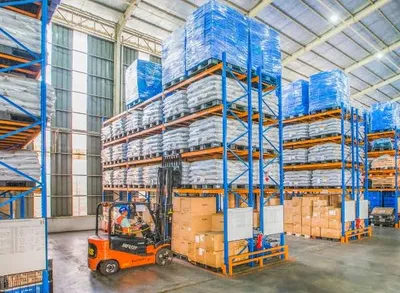
Wherever a lone worker can be injured out of sight: underground facilities, tunnels, mines, large plants, cold stores, hospital technical floors and multi-storey car parks. It also serves efficiency purposes — locating equipment, trolleys and mobile assets in large facilities.
Does it integrate with the radio system?
Yes, and that integration is where the value lies. When a lone worker presses the emergency button, the dispatch screen should show not only who called but where they are. Without indoor positioning that call arrives with no usable position.