AFAD — Disaster and Emergency Management Authority


An emergency communication trailer carries a complete communication centre to site: repeater and antenna mast, dispatch position, power generation and battery backup in a single towable unit. It is designed for the scenario where the fixed infrastructure is unavailable.
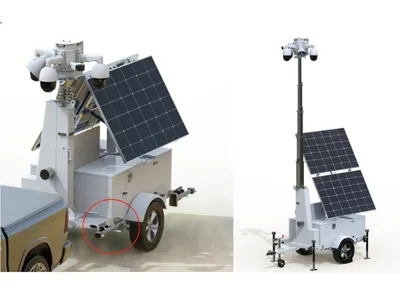
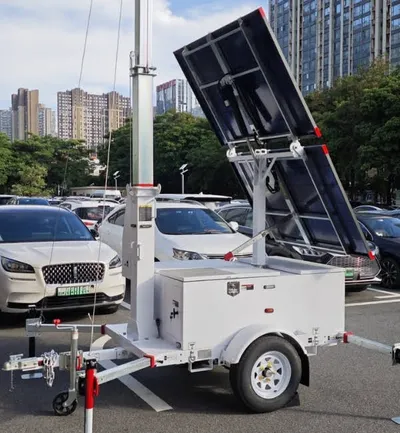
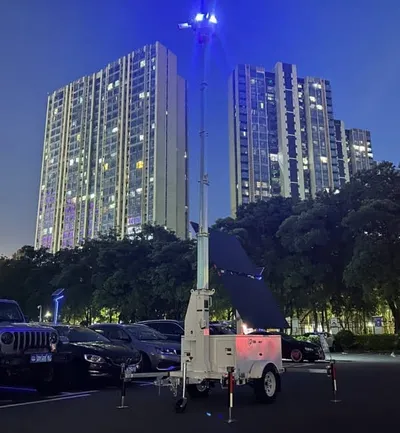
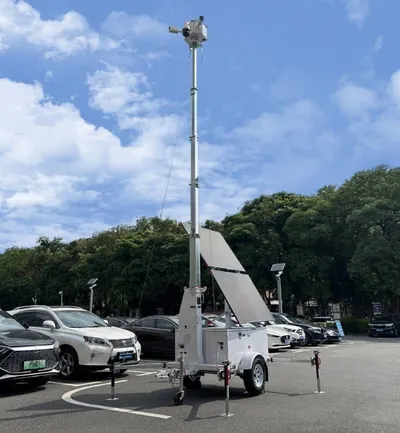
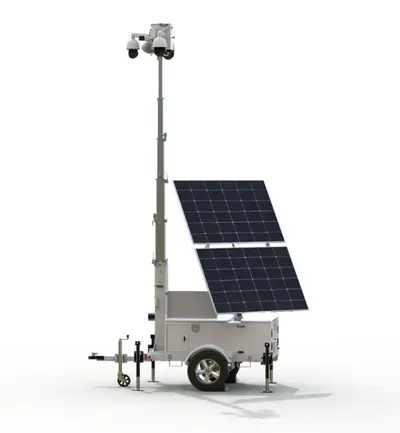
When the fixed infrastructure is gone, communication has to arrive on a tow bar.
Radio horizon is approximately 4.12 × √height(m) kilometres. Ten metres of mast gives roughly 13 km; forty metres gives roughly 26 km. Quadrupling the height doubles the range — quadrupling the transmit power does not come close.
This is why a deployable unit's mast is not an accessory but the core of its design.
A trailer that is not ready is not a backup. Four things keep it ready:
1. Scheduled power-up and verification 2. Battery cycling rather than long storage at full charge 3. Channel plan kept in step with the main system 4. Annual deployment exercise by the people who will use it
This cycle is planned as part of business continuity work.
Units operating on allocated frequencies require a BTK licence. The frequency situation is assessed before deployment and the application is handled by TechnoRF.
Get in touch to discuss specification and configuration.
A towable unit carrying a complete communication centre: repeater, telescopic antenna mast, dispatch position, power generation and battery backup. It is designed to establish communication where the fixed infrastructure has failed or never existed — disaster areas, temporary operations, large outdoor events.
The unit itself can be brought into service within minutes to a couple of hours depending on mast height and system scope. What determines the time in practice is not assembly but coverage verification and applying the channel plan. Keeping the equipment pre-programmed and charged shortens deployment significantly.
It depends on the battery bank and generator fuel capacity, both of which are sized to the required runtime during design. The calculation must account for reduced battery capacity in cold weather and for the resupply plan — fuel or spare batteries.
If it operates on allocated frequencies, yes: a BTK licence is required. Specific arrangements may apply to disaster and emergency use. The frequency situation should be assessed before deployment; TechnoRF handles the assessment and the application process.
The Hytera product range, TechnoRF engineering, installation, maintenance, technical service and business continuity planning — brought together into a system designed for how your operation actually works.
We deliver not only what you need, but more than you expect .