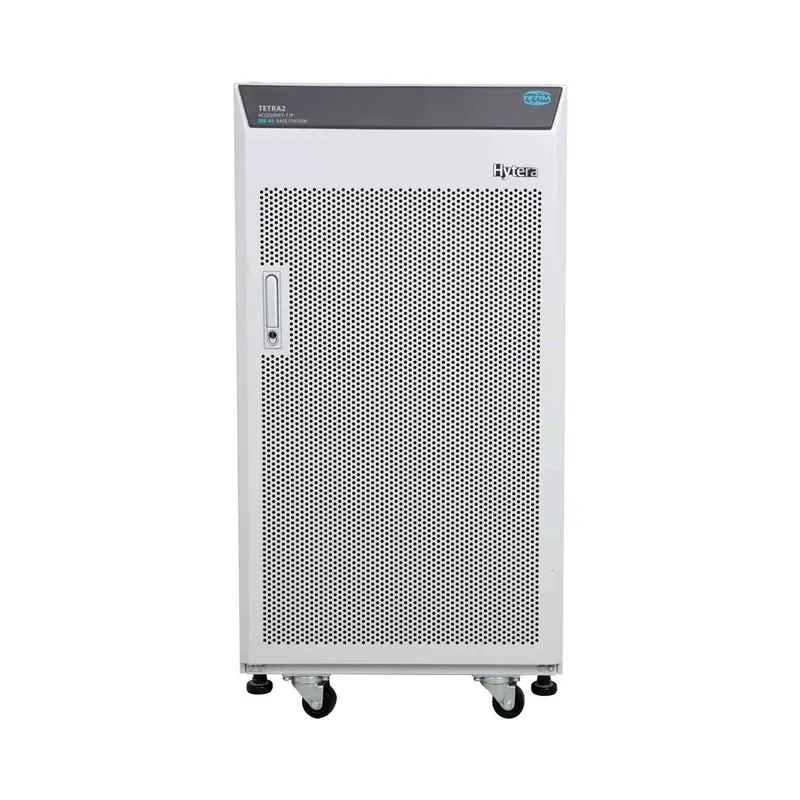
Hytera DIB-R5 Advanced TETRA Indoor Base Station


TETRA is the ETSI mission-critical trunked radio standard used by public safety, airports, metro systems, ports and critical infrastructure. It offers call setup under 300 ms, four time slots per 25 kHz carrier, end-to-end encryption and direct mode operation when infrastructure fails.
Hytera DIB-R5 Advanced TETRA Indoor Base Station
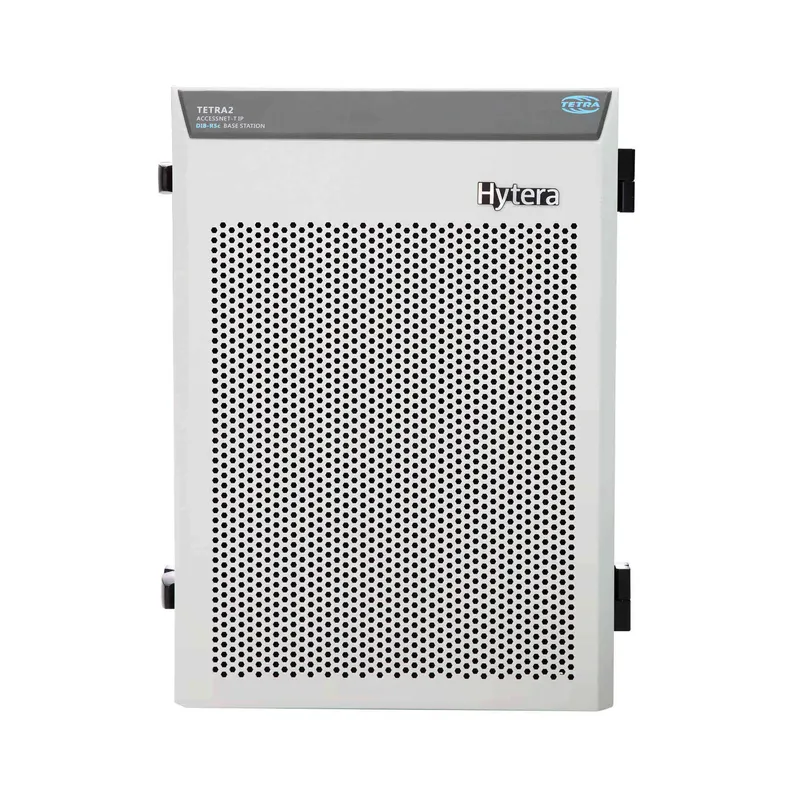
Hytera DIB-R5 Compact TETRA Indoor Base Station
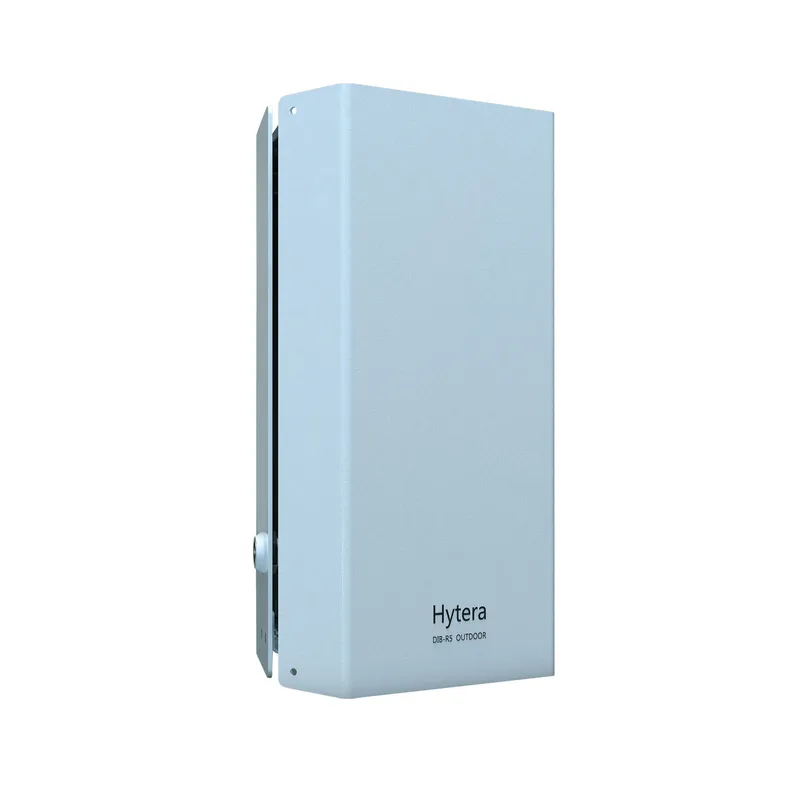
Hytera DIB-R5 Outdoor TETRA Base Station
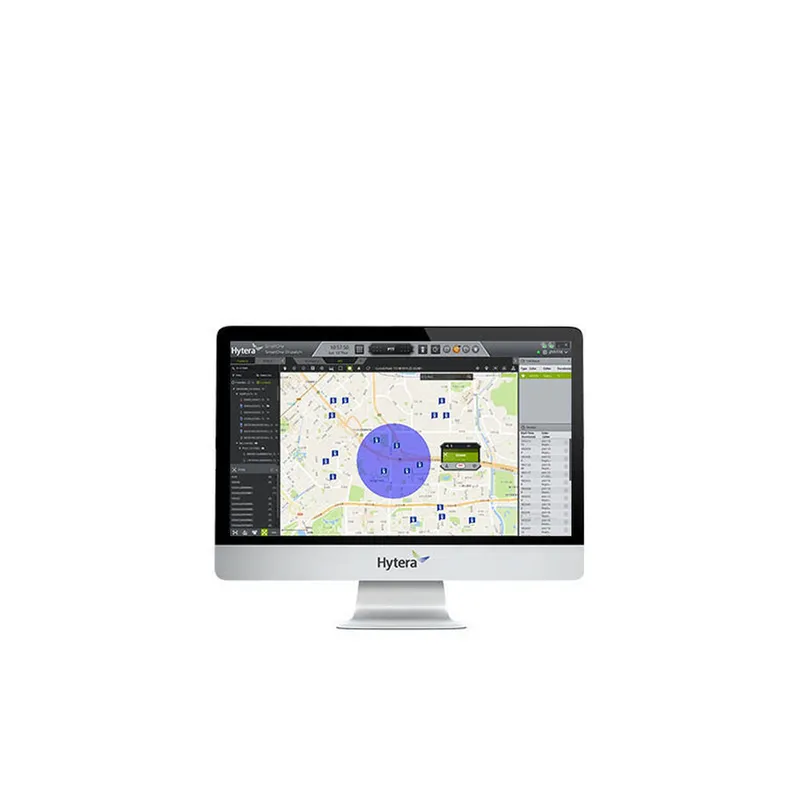
Hytera Dispatch System for TETRA
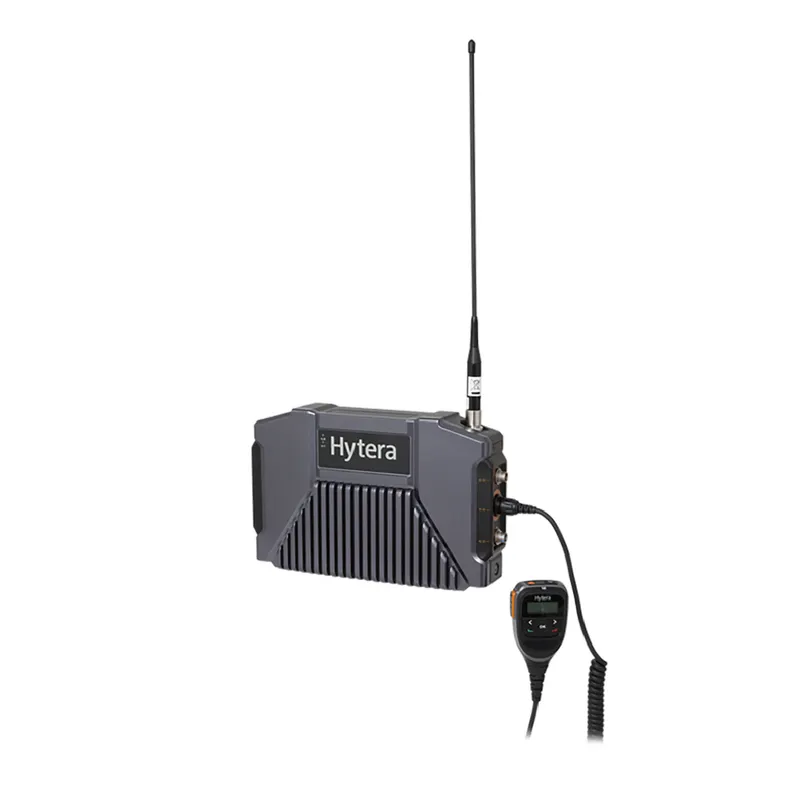
Hytera E-Pack TETRA100 Portable Ad Hoc Repeater
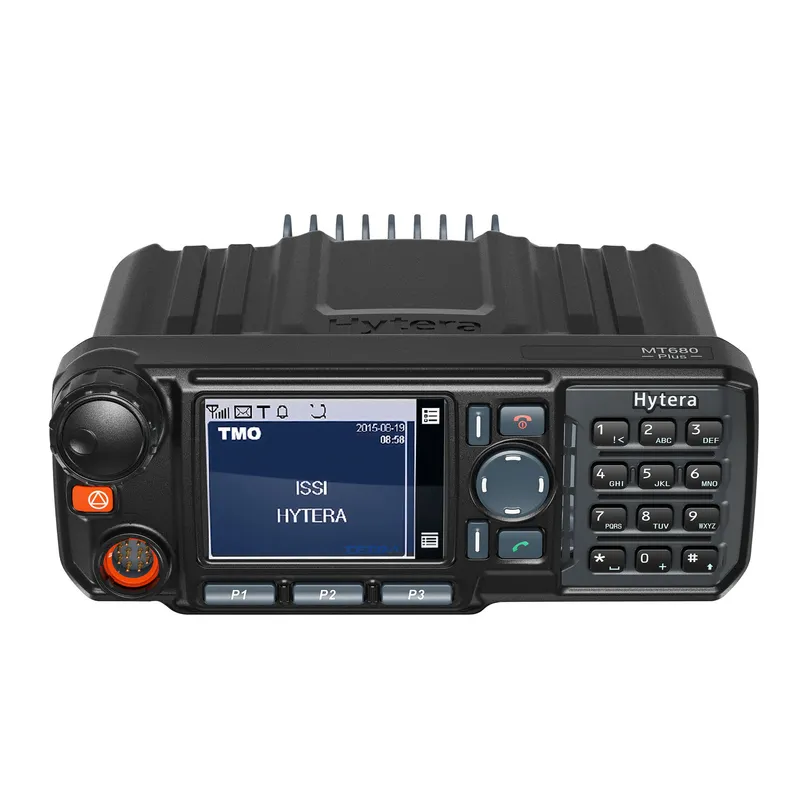
Hytera MT680 Plus Mission-Critical TETRA Mobile Radio
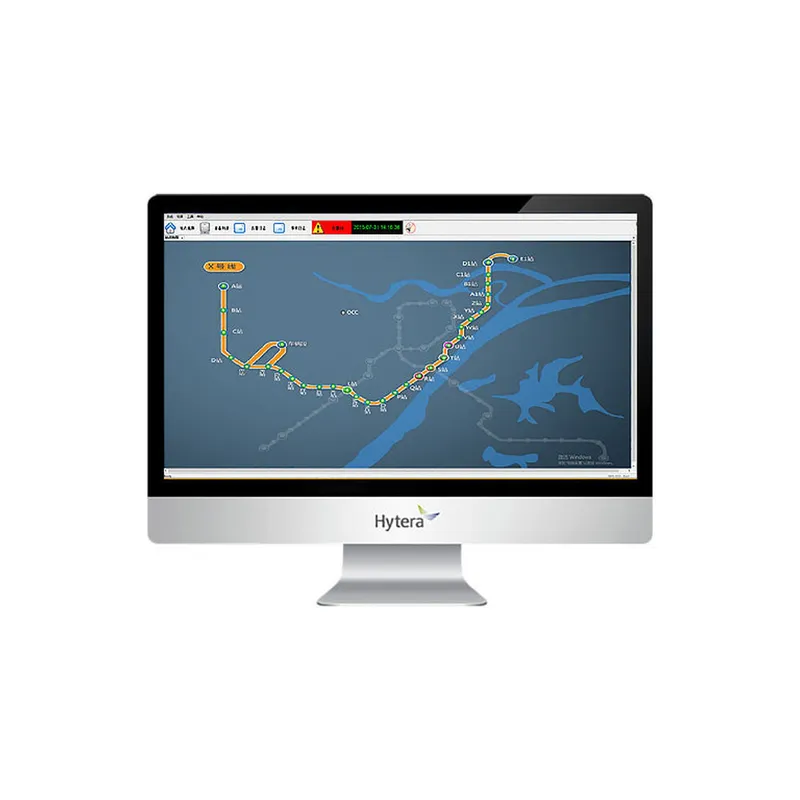
Hytera NMS TETRA Network Management System
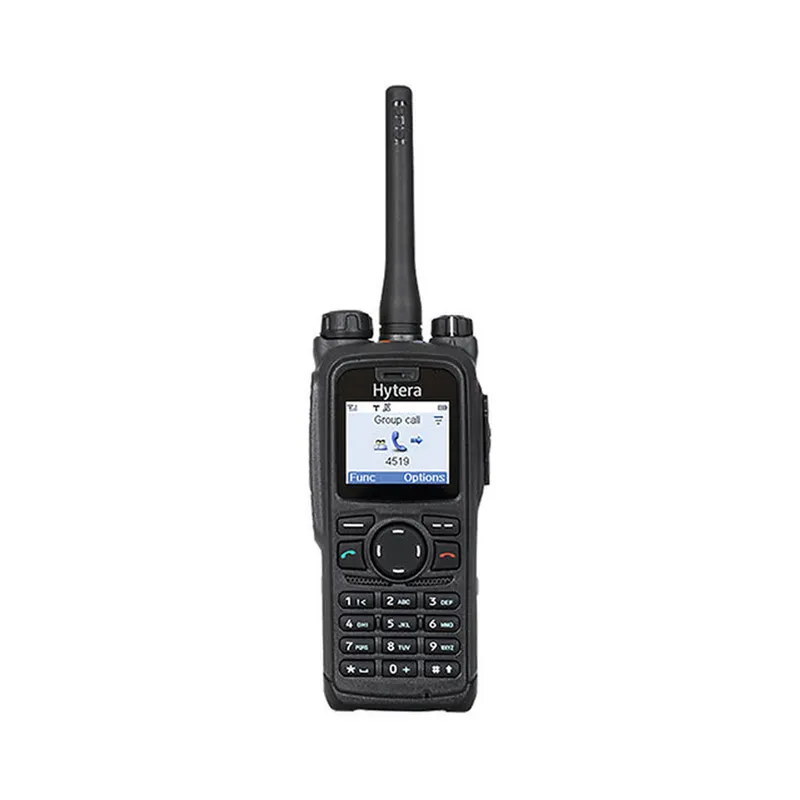
Hytera PT560H Mission-Critical TETRA Handportable Radio
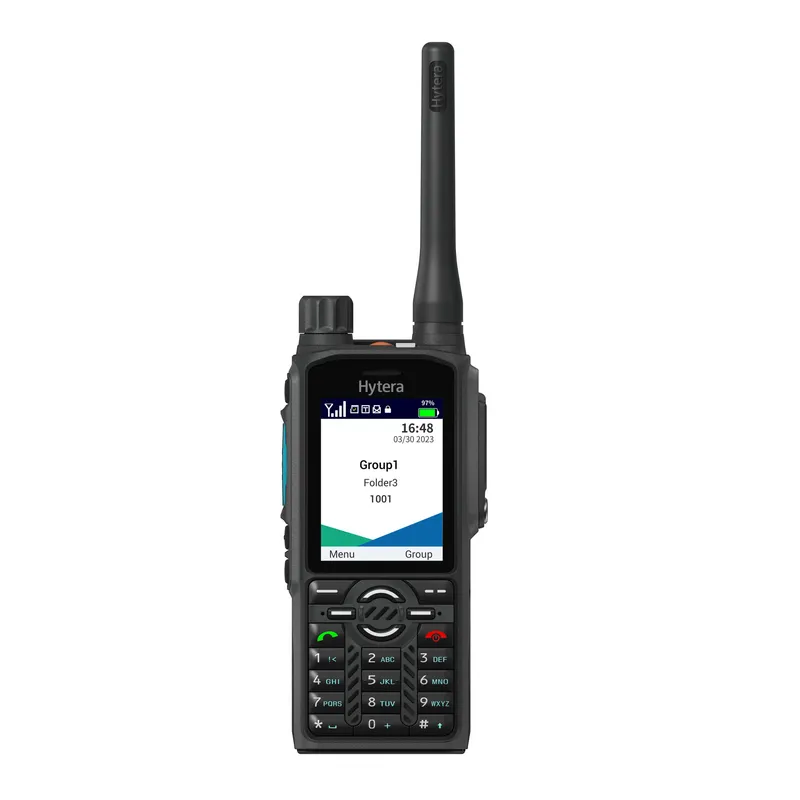
Hytera PT590 Mission-Critical TETRA Handportable Radio
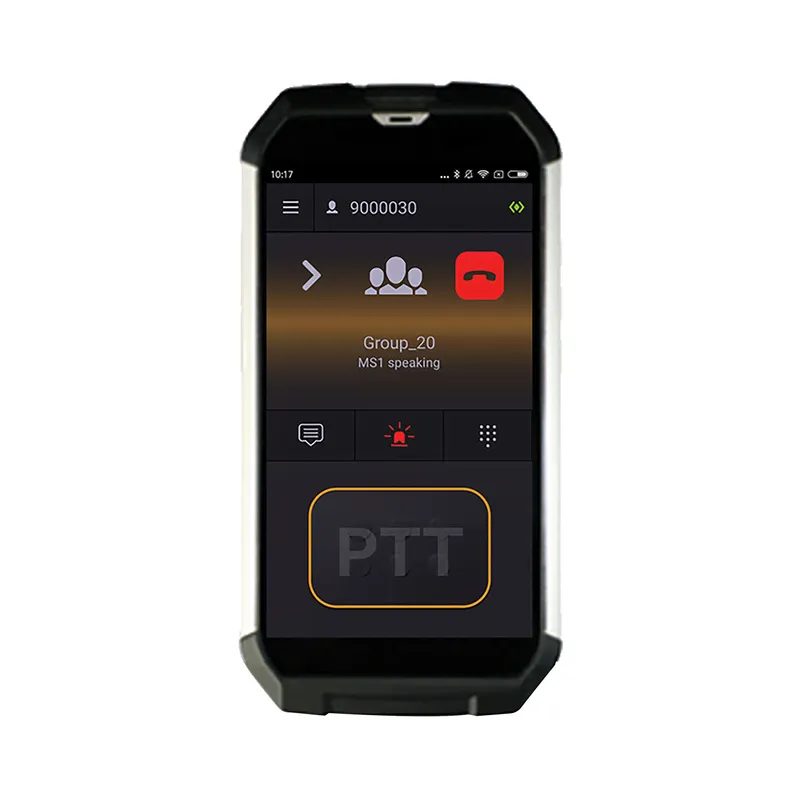
Hytera PTT Connect TETRA Broadband PTT Application
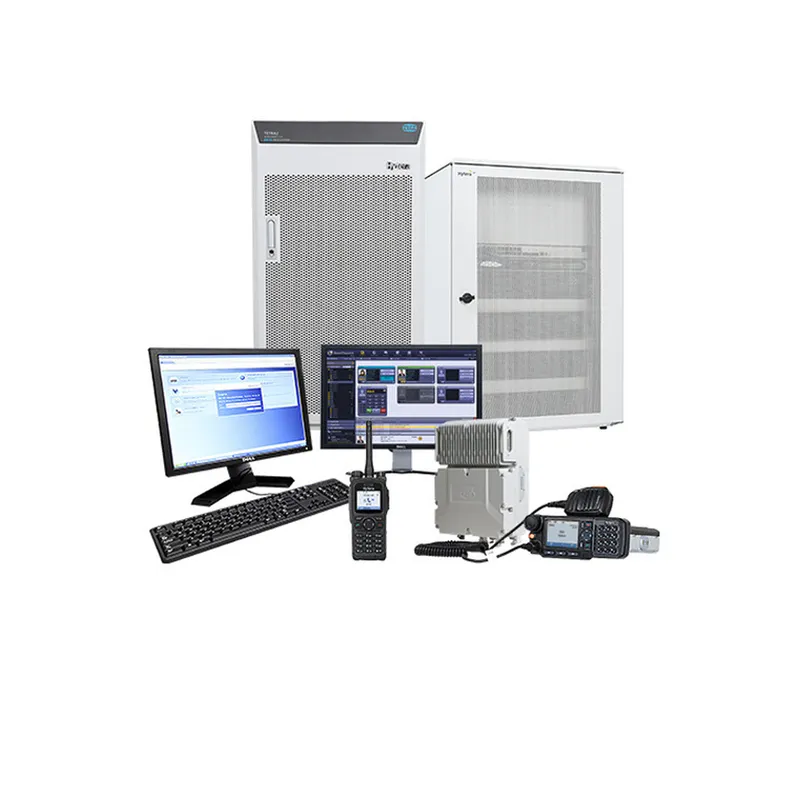
Hytera TETRA Centralised Architecture Solution
Hytera TETRA DGW Data Gateway
TETRA — Terrestrial Trunked Radio — is the ETSI standard written specifically for organisations whose communication cannot be allowed to stop. It is the technology behind emergency services, airports, metro systems, ports and large energy and chemical sites across Europe.
| Property | TETRA | Why it matters |
|---|---|---|
| Group call setup | Under 300 ms | The first word of a call is not lost |
| Carrier structure | 4 slots per 25 kHz | Four conversations per carrier |
| Direct mode (DMO) | Standard | Radios talk without infrastructure |
| Fallback mode | Standard | A site keeps working without the core |
| Encryption | Air interface plus end-to-end | Confidentiality is designed in |
| Priority and pre-emption | Per user and per group | Emergency traffic displaces routine |
The number worth dwelling on is 300 milliseconds. In an incident, users key up and speak immediately; a system that takes a second to allocate a channel loses the beginning of every transmission, which is exactly where the urgent information is.
TETRA degrades in defined stages rather than switching off:
1. Full operation — base stations connected to the core, national or regional roaming 2. Local site trunking — the link to the core is lost; the site continues serving its own users 3. Repeater mode — the site is reduced but still relays 4. Direct mode (DMO) — radios talk to each other with no infrastructure at all, at reduced range
Every stage is automatic. This staged degradation, more than any single feature, is why TETRA is specified for public safety. A commercial network has one failure mode: it works or it does not.
Airports, metro and rail systems, ports, energy and utility operators, large oil, gas and chemical sites, disaster and emergency organisations, and municipal operations that coordinate with public agencies.
Where an outage would be an inconvenience rather than a hazard, DMR delivers the same coordination at a fraction of the infrastructure cost, and specifying TETRA is simply spending money that the operation does not require.
A TETRA system is infrastructure, and it is built as one:
Enclosed volumes — tunnels, platforms, underground levels — are handled with dedicated indoor coverage rather than added transmit power.
TETRA estates run for a decade or more, which makes the maintenance contract as significant as the purchase. TechnoRF covers firmware versions, core and base-station health, terminal repair and spares, fleetmap changes as the organisation restructures, coverage re-verification after construction, and licence administration.
Get in touch to discuss the coverage and resilience requirement for your site.
Three engineered properties. Call setup completes in under 300 milliseconds, so a group call is established before the speaker has finished drawing breath. Base stations fall back to local operation if the core network is lost, and radios fall back to direct mode if the base station is lost, so the system degrades in stages rather than failing. And air-interface plus end-to-end encryption is part of the standard, not an add-on.
By what an outage costs. Where a communication failure means a delayed job, DMR is the economically correct answer and TETRA is over-specified. Where it means a risk to life or a halted public service — airports, metro, emergency response, major chemical plants — TETRA’s redundancy, call setup time and priority handling are what you are paying for. Headcount is a poor guide; consequence is the right one.
Yes, through gateways, and mixed estates are common: DMR inside a facility, TETRA for interoperability with public agencies, and a dispatch position that monitors both. Voice and basic group calls carry across reliably. Advanced data services, encryption and priority generally do not, so the gateway is planned as a voice bridge and not as a merge of two systems.
For voice, yes. Broadband carries video and data that TETRA cannot, but it depends on a commercial mobile network that saturates precisely during a major incident. The common design today is TETRA for critical voice on infrastructure you control, with LTE or PoC alongside for video and data. See private LTE for how the two are combined.
The Hytera product range, TechnoRF engineering, installation, maintenance, technical service and business continuity planning — brought together into a system designed for how your operation actually works.
We deliver not only what you need, but more than you expect .