TETRA Systems


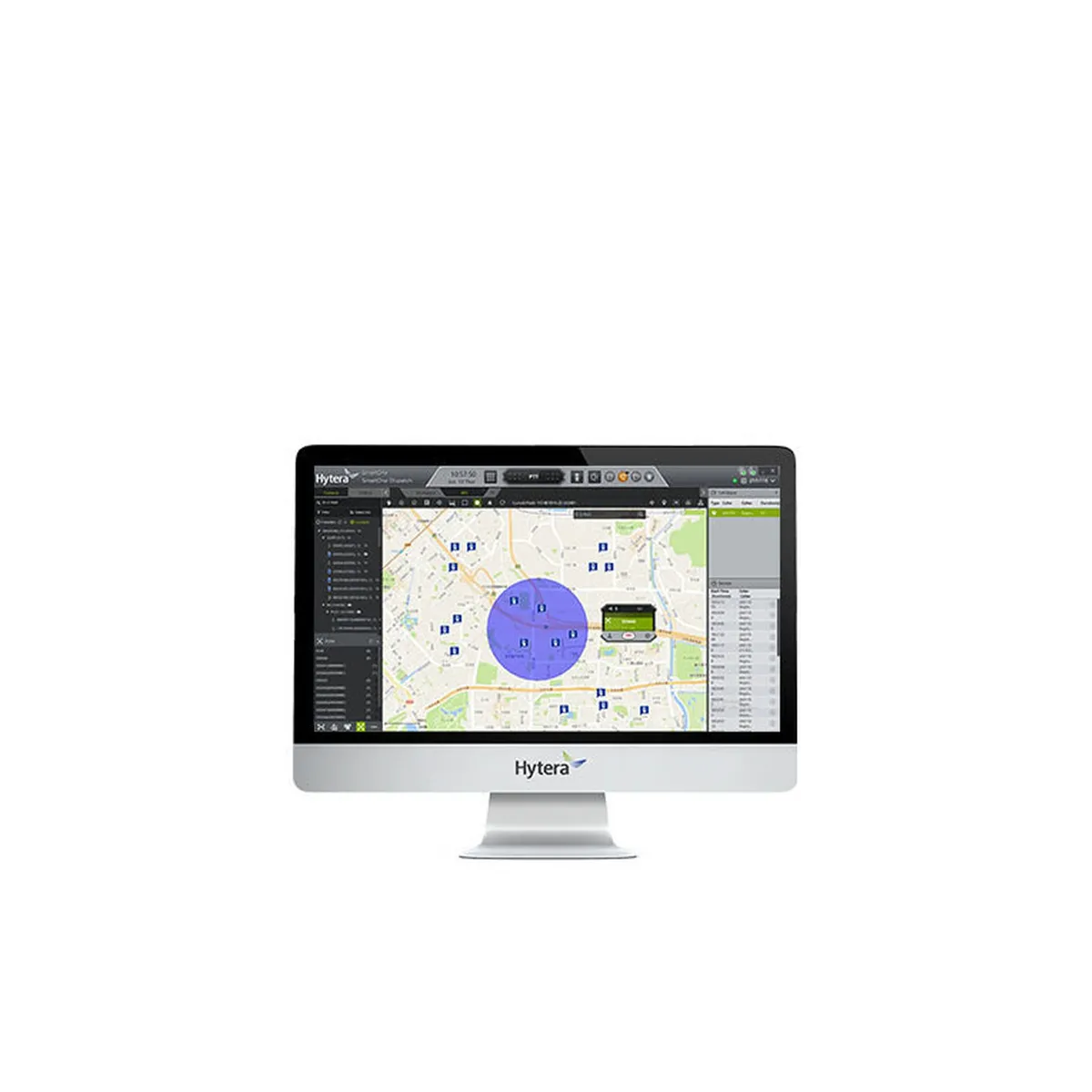
On a TETRA network the dispatch position is where the operation is actually run. This platform is built for that role rather than adapted to it.
TETRA’s defining property is call setup under 300 milliseconds, and a dispatch platform either preserves that or wastes it. Voice services sit at the centre here, with data services around them rather than competing with them.
Third-party systems are reached through API or standard protocols — CSSI, ISSI and SIP — and the platform can equally be triggered by external systems through API, SIP, web services or OCX. In practice this is what lets a TETRA control room sit inside a wider incident management environment instead of beside it.
Dispatch servers interconnect, with unified authority management across them. A regional position and a national position see the same operation at different scopes, and the permission model rather than the network topology decides who may do what.
Hot standby, with the standby server taking over immediately on failure of the active one. Combined with TETRA’s own staged fallback — site trunking, repeater mode, direct mode — this gives a system that degrades in defined steps. See TETRA systems.
We deliver not only what you need, but more than you expect .