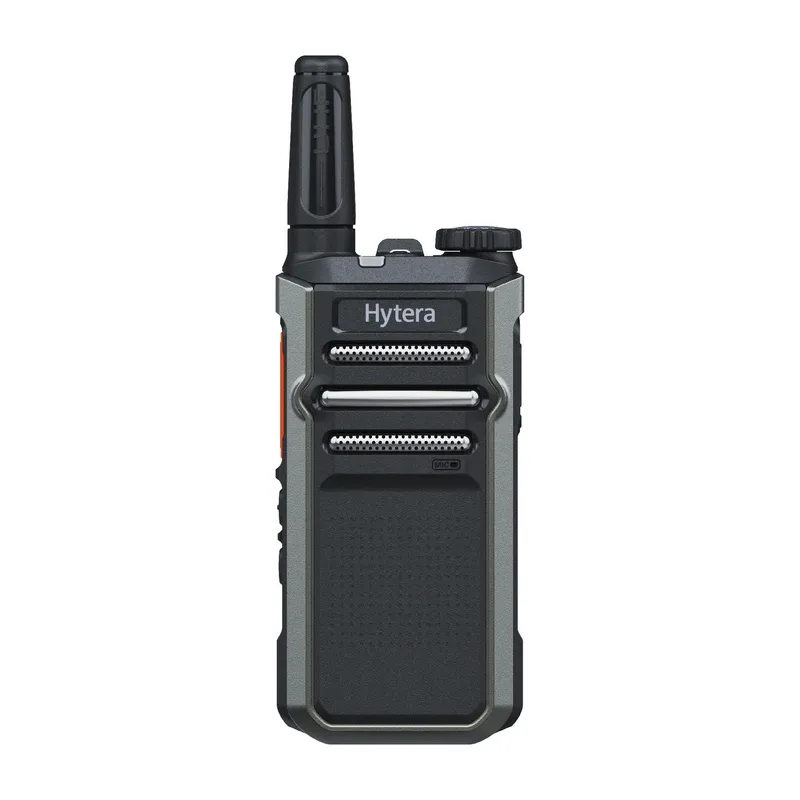
Hytera AP325 Handportable Radio


Analogue PMR remains a valid and economical choice for small teams needing straightforward voice coordination on one or two channels. TechnoRF supplies, licenses, installs and services analogue systems, and states plainly where analogue stops being the right answer and digital begins.

Hytera AP325 Handportable Radio
Hytera AP519 Handportable Radio
Hytera AP519LF Licence-Free Analogue Handportable Radio
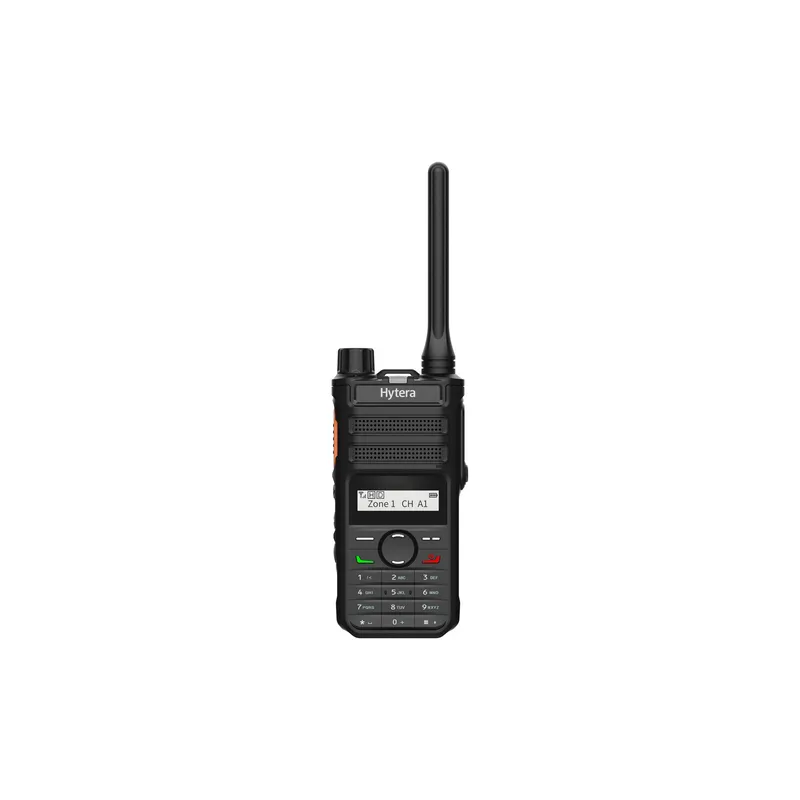
Hytera AP589 Handportable Radio
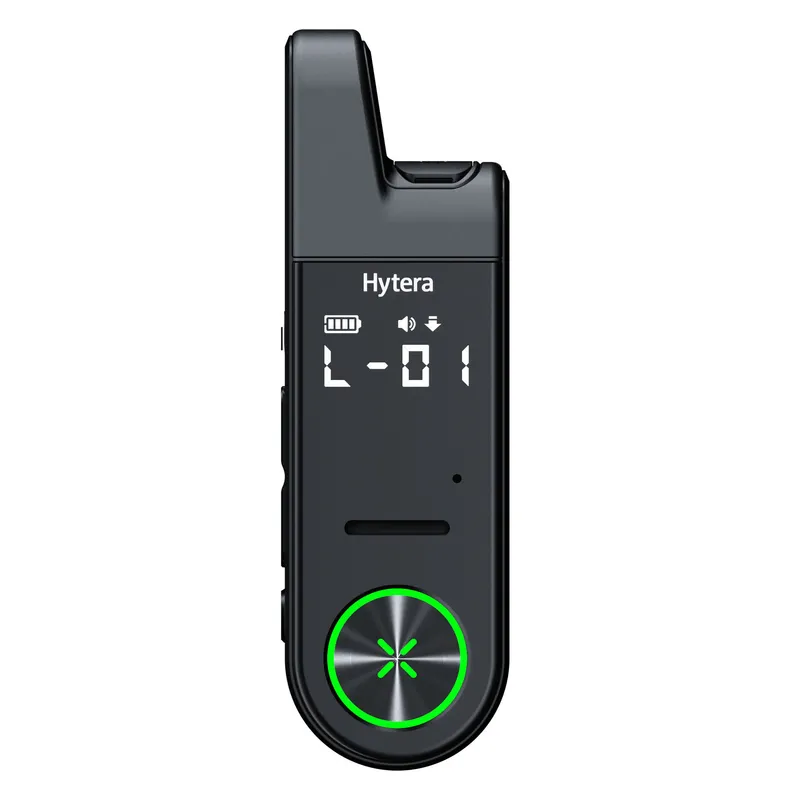
Hytera S1 Mini S-Series Compact Handportable Radio
Hytera S1 MiniLF S-Series Licence-Free Compact Handportable Radio
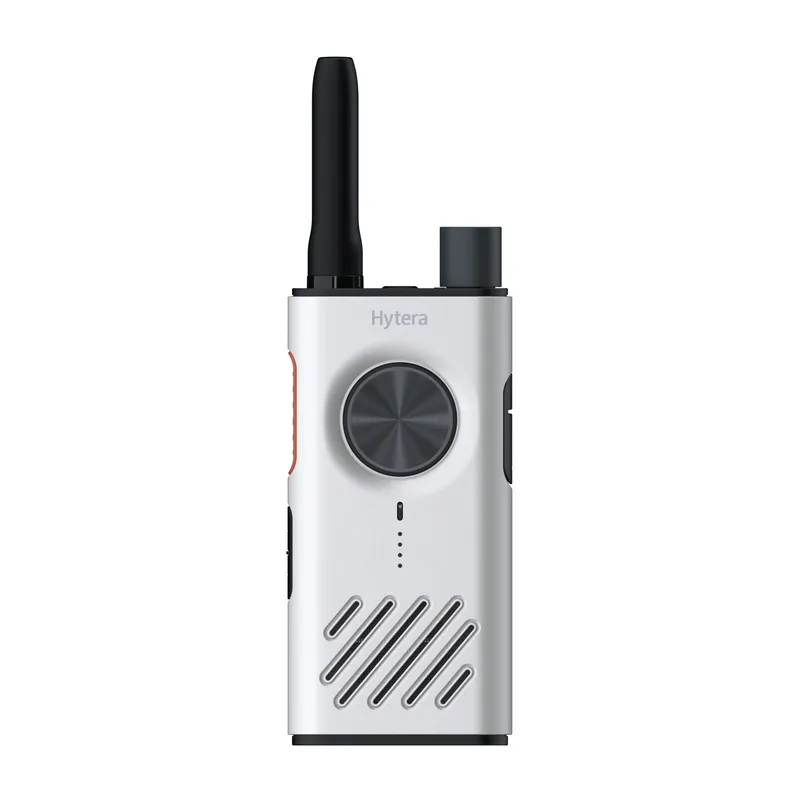
Hytera S1 S-Series Handportable Radio
Hytera S1LF S-Series Licence-Free Handportable Radio
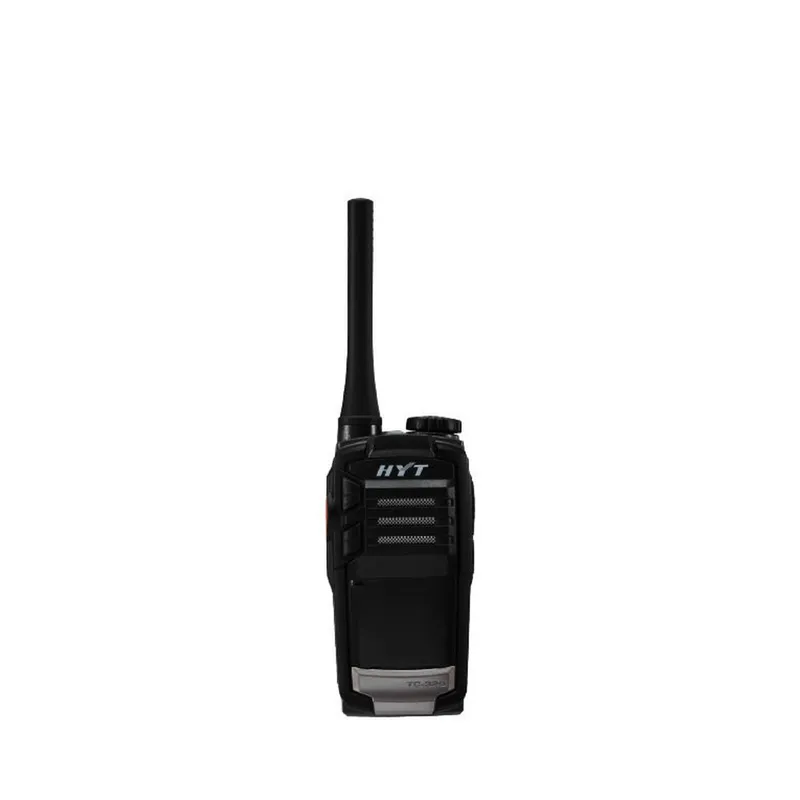
Hytera TC320 Entry-Level Handportable Radio
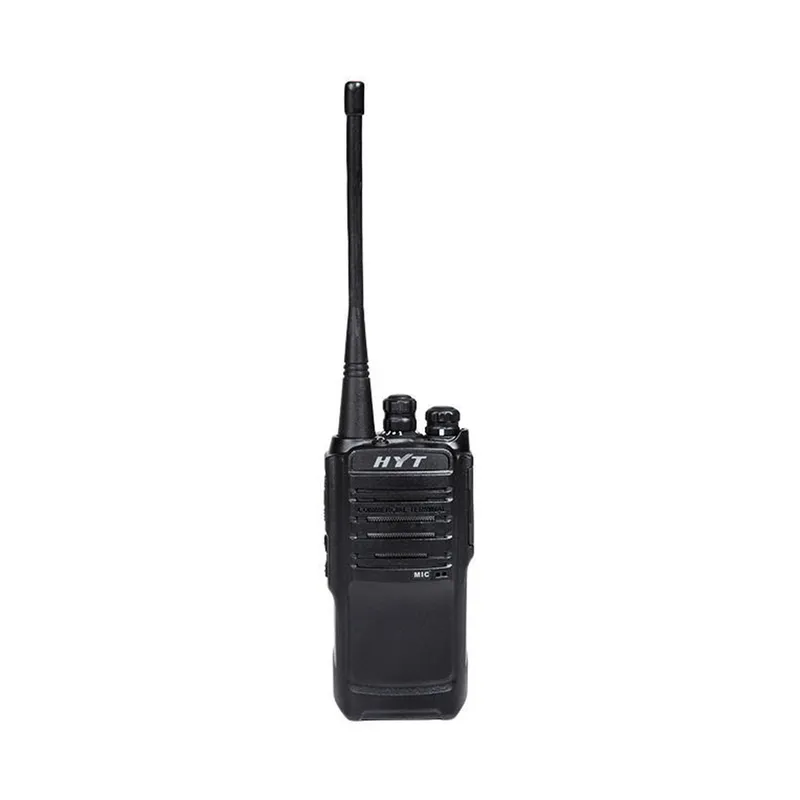
Hytera TC508 Professional Handportable Radio

2A Konsept — Event Radio Fleet Overhaul

Harakani State Hospital — Analogue to Digital Migration

Karaman Special Provincial Administration — Repeater Restoration

OGO Turizm — Seasonal Radio Rental for Outdoor Events

Thinker Bee — Discreet Communication for Creative Events
TRAC Edirne Branch — Portable Disaster Repeater
TRAC Kocaeli Branch — Disaster Communication Support

Utopeak Outdoor — Communication on Trekking and Camp Routes
Analogue radio has been in continuous professional use for decades and remains the right answer for a defined class of site. It is also frequently sold where it is no longer the right answer. Both facts are worth stating plainly.
Hotels, small manufacturing sites, security teams on a single property, event operations, construction sites in their early phases and service organisations all fit this profile. For them, digital adds cost and features that will not be used.
Analogue voice degrades continuously with distance. The signal weakens, noise grows, and speech becomes progressively harder to understand well before it becomes impossible. Digital receivers reconstruct the bit stream and hold voice quality flat almost to the coverage edge — a difference that matters most in exactly the conditions where a message is urgent.
The other three limits are structural rather than gradual:
| Requirement | Analogue | What it needs instead |
|---|---|---|
| Two conversations at once on one channel | Not possible | DMR two-slot TDMA |
| Knowing who called, or calling one person | Not possible | Digital individual calling |
| Position, text, telemetry | Not possible | Digital data services |
| Lone worker and man-down alarms | Limited, unreliable | Digital, with acknowledgement |
| Disabling a lost radio | Not possible | Digital remote disable |
When a site needs any of these, adding analogue equipment does not help. That is the point at which the conversation becomes a migration plan.
Where analogue is correct, most of the performance comes from installation rather than from the radio:
Analogue equipment is repairable and long-lived, which is part of its appeal. TechnoRF handles programming, antenna and feeder replacement, repeater maintenance, battery renewal and licence administration for analogue estates, including ones we did not originally supply. Get in touch.
No, but its range of correct application has narrowed. For a team of ten to thirty people sharing one channel, on a site where coverage is straightforward, analogue is simpler, cheaper and entirely adequate. What it cannot do is carry more than one conversation per channel, transmit data or position, identify who is calling, or be centrally managed — and those limits arrive quickly as an operation grows.
Neither answer is universal. VHF, around 136–174 MHz, travels further over open ground and follows terrain better, which suits agriculture, forestry and coastal work. UHF, around 400–470 MHz, penetrates buildings and reflects around structures far more effectively, which suits factories, hospitals, hotels and dense urban sites. Where the same fleet works both, the answer is usually a repeater and a coverage study rather than a band change.
When users at opposite ends of the site can no longer hear each other radio to radio. A handportable transmitting a few watts from body height reaches perhaps one to two kilometres in the open and far less among buildings. A repeater on a high point receives on one frequency and retransmits on another, extending that to the whole site — it requires a licensed frequency pair and an antenna position, not merely a device.
Yes, and it is worth planning for at purchase. Most Hytera DMR repeaters and radios support mixed mode, carrying analogue and digital traffic on the same channel, so departments move across in stages. Antennas, feeder, masts and power are reused; the licensed frequency remains the same. What is not reusable is the analogue-only radio fleet.
The Hytera product range, TechnoRF engineering, installation, maintenance, technical service and business continuity planning — brought together into a system designed for how your operation actually works.
We deliver not only what you need, but more than you expect .