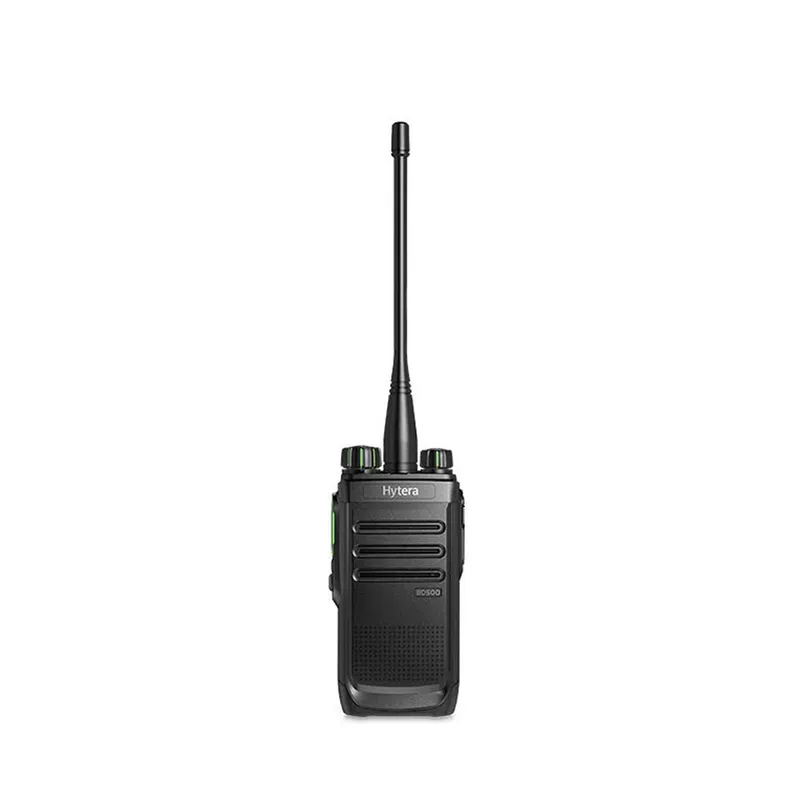
Hytera BD505 Professional DMR Handportable Radio



Harakani State Hospital migrated its analogue radio system to a digital Hytera infrastructure under TechnoRF's guidance, in order to hold communication across widely separated blocks, speed up internal coordination and manage critical alarm procedures with more control. Hytera BD505 handsets were supported by a ceiling-mounted repeater and a directional antenna set, and separate talkgroups were created for theatre, emergency and security posts. TechnoRF's training team programmed macro key assignments so that staff can raise code blue, code red and code white directly from the handset. Digital voice compression and encryption improved intelligibility and protected operational conversations that touch patient confidentiality. Field testing showed a significant improvement in code white response time.
The limitation in the original installation was not transmit power. On a shared analogue channel every user hears every conversation, which means the channel is only usable at low traffic and becomes unusable exactly when an incident generates traffic. There is also no way to address a subset of users, no way to secure the audio, and no way to tell whether a call was received. A digital migration addresses all four at once, and does so without changing what staff physically do with the radio.
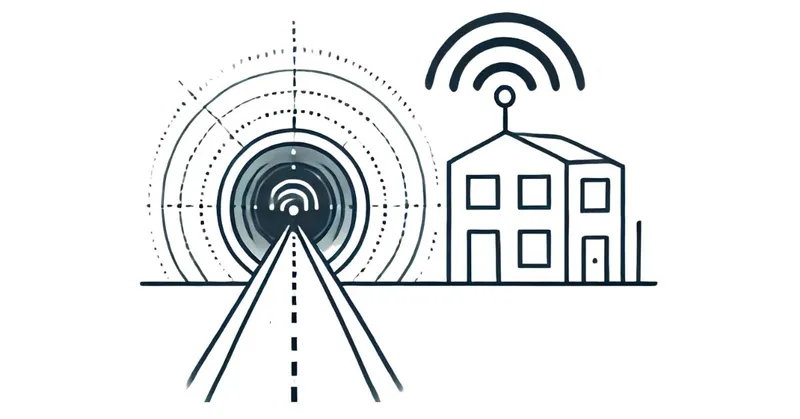
The building's shape decided the coverage approach. A ceiling-mounted repeater positioned centrally serves the floors around it without requiring an external mast or a feeder run through the structure, and directional antennas were used to push coverage along the axes where the blocks extend rather than radiating it evenly into concrete. This is a cheaper and less invasive answer than a distributed antenna system, and for a building of this size it produces comparable results.
Hospital alarm codes are procedures, and a procedure that requires menu navigation under stress will be bypassed. Assigning code blue, code red and code white to programmed macro keys means the correct group is alerted with one deliberate action. It also standardises what happens next: each code raises a defined group, so the response is the same regardless of who raised it or where they were standing.
Hospital radio traffic routinely names patients, locations and conditions. On analogue that traffic is readable by anyone with a scanner within range of the building, which is not a defensible position for a health institution handling personal health data. Digital voice encryption closes the channel, and the same digital path also improves intelligibility in noisy areas — the two benefits arrive together rather than trading against each other.
We deliver not only what you need, but more than you expect .