Disaster and Emergency


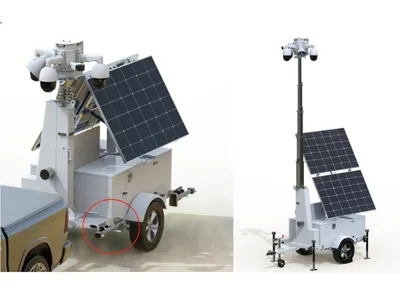
The Edirne branch of the Turkish Radio Amateurs Association (TRAC) needed temporary communication infrastructure for a regional disaster exercise, and used TechnoRF's portable repeater and solar package to provide it. The repeater is built into a light aluminium case, is deployable in about 30 minutes, and was sited on high ground in the Karaağaç border area. A 120 W folding photovoltaic panel with a LiFePO4 battery supplied 48 hours of uninterrupted power across the exercise. TechnoRF analysed local interference before the exercise and recommended the VHF channel that gave the cleanest path for the terrain in use.
A disaster exercise is not only a rehearsal for the responders; it is a test of whether the communication plan survives contact with real terrain. Fixed repeaters cover the places they were built to cover, which is rarely where an exercise scenario puts its teams. A portable repeater lets the coverage follow the scenario — placed on the high point that actually serves the exercise area, brought into service in the time it takes to brief the participants, and removed afterwards without leaving a permit or a mast behind.
The deployment target shapes the mechanical design more than the electronics do. A light aluminium case that one person can carry to a hilltop, a mast that erects without guy-wire rigging, connectors that mate without tools, and a power path that comes up in a known sequence — these are what make thirty minutes achievable. The Karaağaç site was chosen for line of sight across the exercise area; from arrival to first usable contact the system was on air inside the target window.
Mains power is the assumption that fails first in a disaster area, and a generator brings fuel logistics and noise with it. A 120 W folding panel paired with a LiFePO4 bank removes both problems for a load of this size. LiFePO4 matters specifically here: it tolerates the shallow, repeated cycling that solar charging produces, holds usable capacity in cold weather better than the alternative chemistries at this price point, and does not need to be brought back to full charge daily to survive. Across the exercise the package ran 48 hours without intervention.
The frequency that looks correct on a plan is not always the frequency that works on the ground. Broadcast transmitters, industrial noise sources and cross-border activity all shape what a receiver actually hears, and the effects are strongly local. TechnoRF measured the local noise environment before the exercise and recommended a VHF channel accordingly. The alternative — discovering the interference during the exercise — costs the exercise its purpose, because participants end up debugging radios instead of practising the plan.
We deliver not only what you need, but more than you expect .