
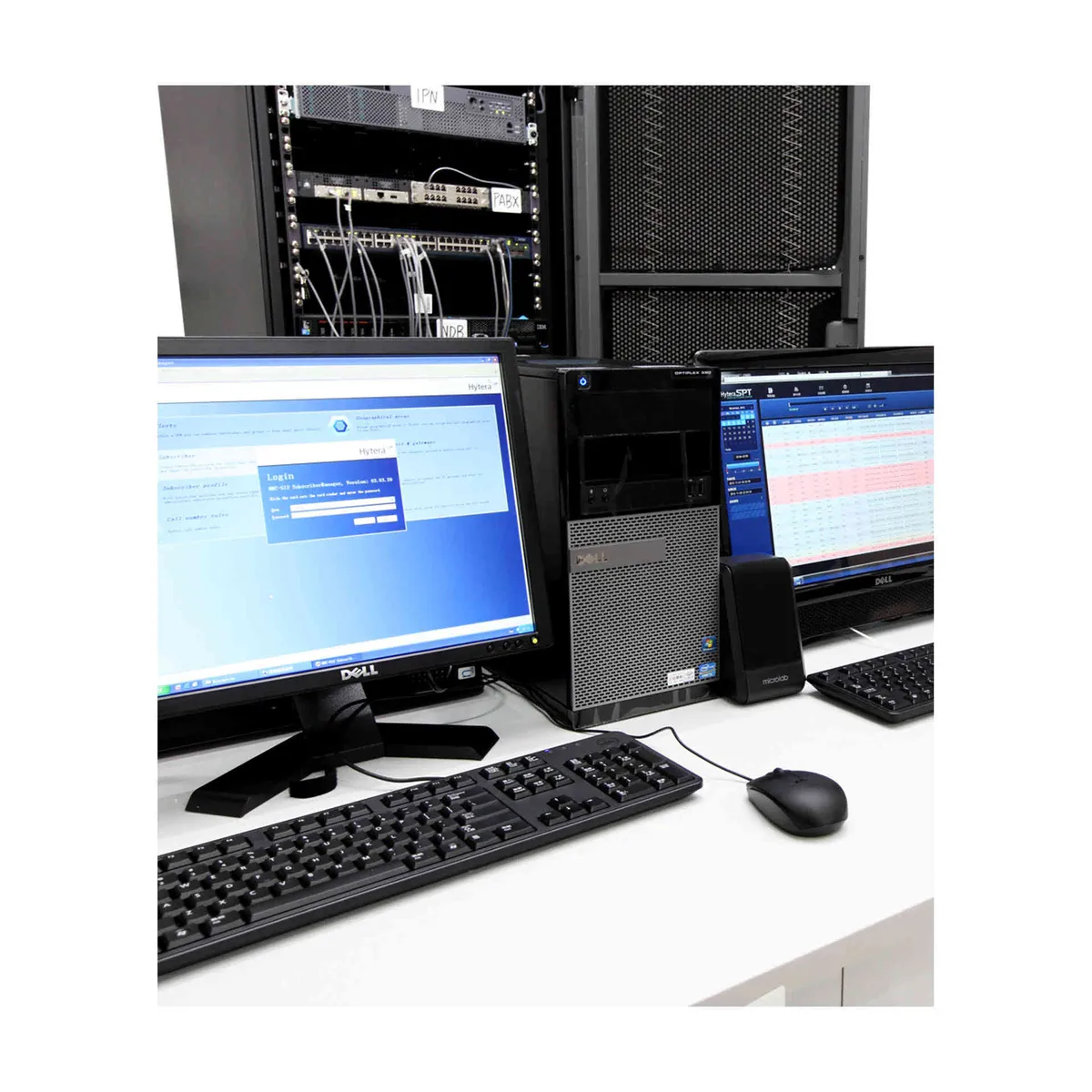
Specifications

Standards and Architecture

Architecture
Distributed multi-client and multi-server
Standards Compliance
ITU M.3010, FCAPS network management models
Database
Central, comprehensive database core
Modularity
Scales modularly with network size and requirement

Fault Management

Visualisation
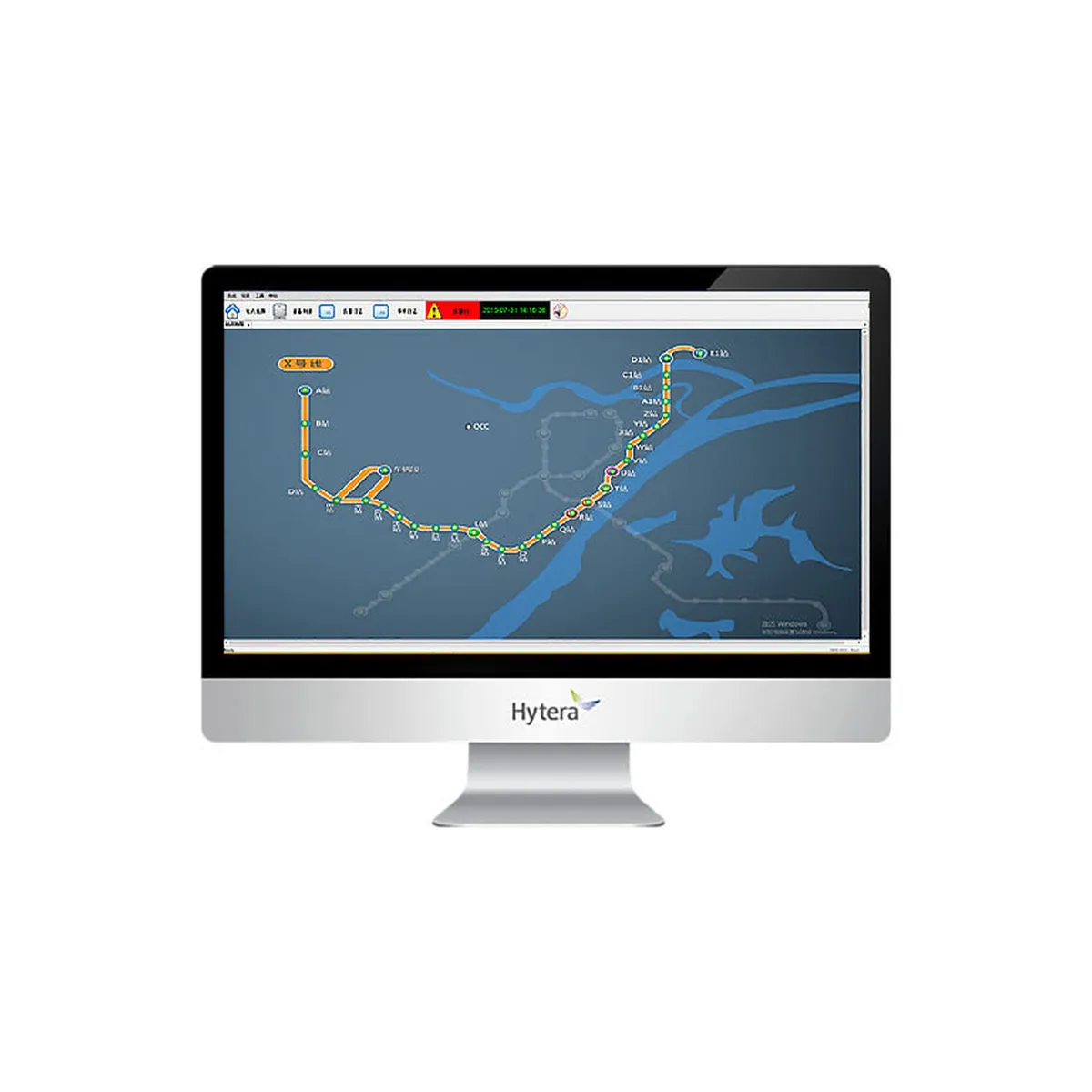
Topology and element hierarchy in tree view
Real-time Behaviour
Real-time alarms and events with detailed description and accurate location
Reporting
Powerful report querying and export
Integration
Integration with Umbrella Network Management System
Data Collection
Reliable operational data acquisition

Security Management

User Control
Audit and logging of user activity
Key Management
Local key management
Terminal Control
Enable and disable by TEI/ISSI
Authentication
Unauthorised access blocked using Microsoft AD and smart cards

Subscriber Management

Capacity
up to 120,000 subscribers
Organisation
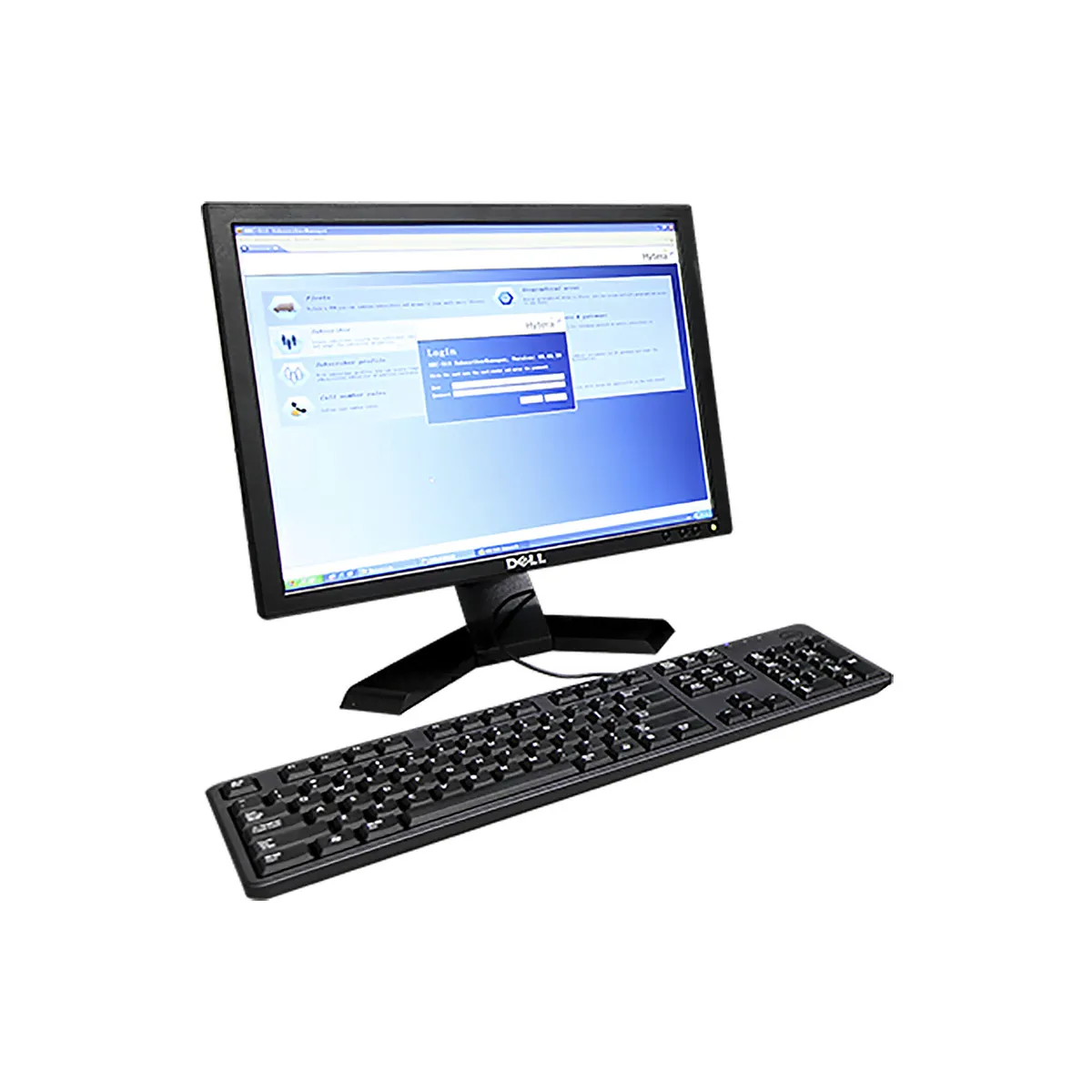
Three-level user and organisation hierarchy
Geographic Area
120 geofence definitions
Deployment
Efficient subscriber data distribution

Configuration Management

Central Management
Remote configuration and upgrade
Deployment Method
File-based data distribution (stable and reliable)
Interface
User-friendly WYSIWYG graphical interface

Hytera NMS TETRA Network Management System — Detail

A TETRA network is infrastructure, and infrastructure is judged by how it is operated over a decade rather than how it is commissioned. The NMS is where that operation happens.

Built to a framework

The system follows ITU M.3010 and the FCAPS model — fault, configuration, accounting, performance and security management. That matters practically rather than academically: an NMS built to a framework covers the operational domains systematically instead of accumulating features around whatever was asked for.

Security management

  • User activity auditing — who did what, recorded
  • Local key management
  • Terminal enable and disable by TEI or ISSI — a lost terminal removed from the network
  • Microsoft Active Directory with smart cards to block unauthorised access

For a network carrying operational traffic, terminal disable is the control that matters most: a radio that leaves the organisation with an employee is a live credential until it is revoked.

Fault management

Tree view for structured visualisation, real-time response and detailed analysis. On a network of any size the presentation matters as much as the detection, because an operator who cannot find the fault in the display has not been told about it.

Deployment

Distributed multi-client, multi-server, scaling modularly with network size and requirement, with a comprehensive central database for reliable storage and analysis of management data. See TETRA systems.

We deliver not only what you need, but more than you expect .