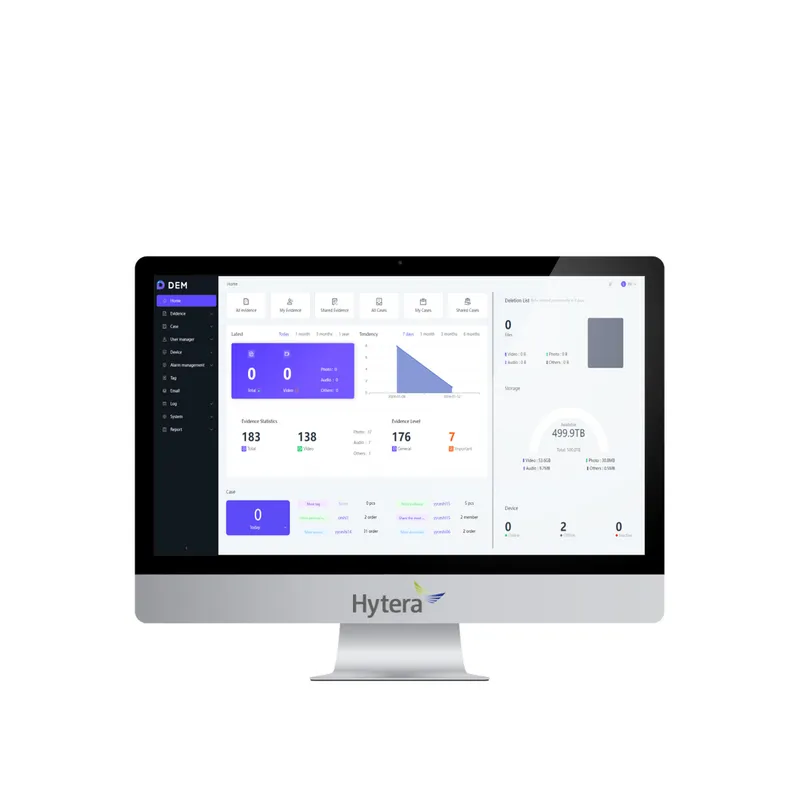
Hytera DEM Digital Evidence Management Platform


Every sector has a different communication requirement. A mine's priority is coverage and explosion safety; a hospital's is speed, group structure and continuity. TechnoRF designs systems around the conditions of the site rather than around a product list.
Hytera DEM Digital Evidence Management Platform
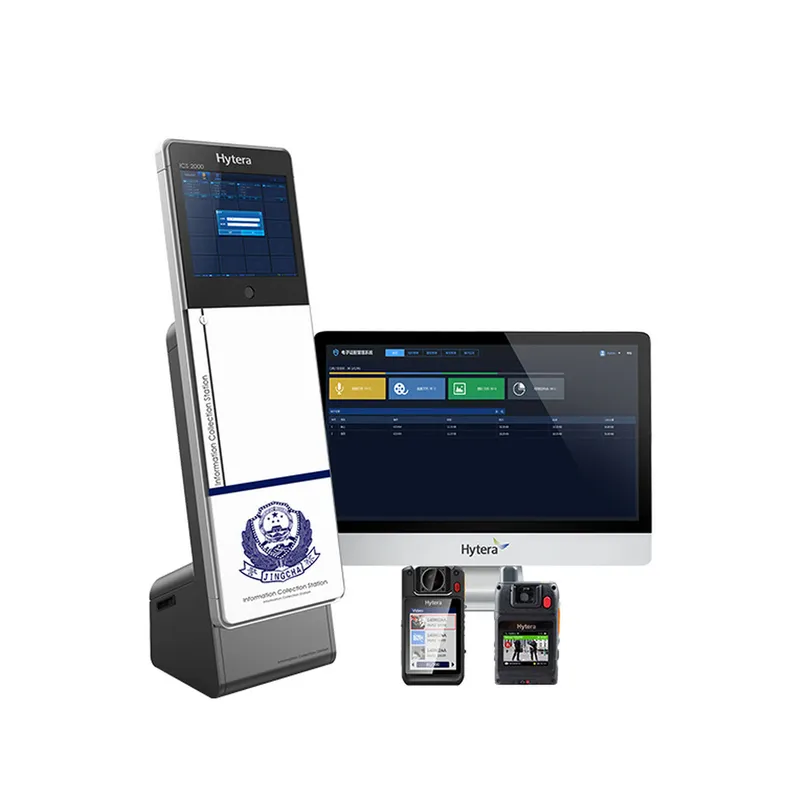
Hytera Digital Evidence Management Solution
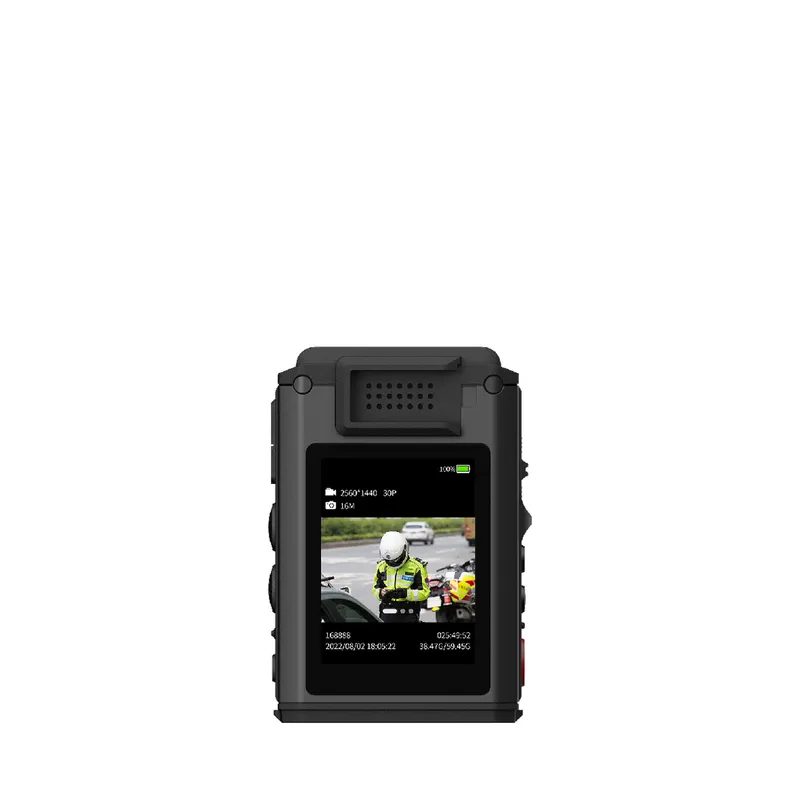
Hytera GC550 Ultra-Compact 2K Body-Worn Camera
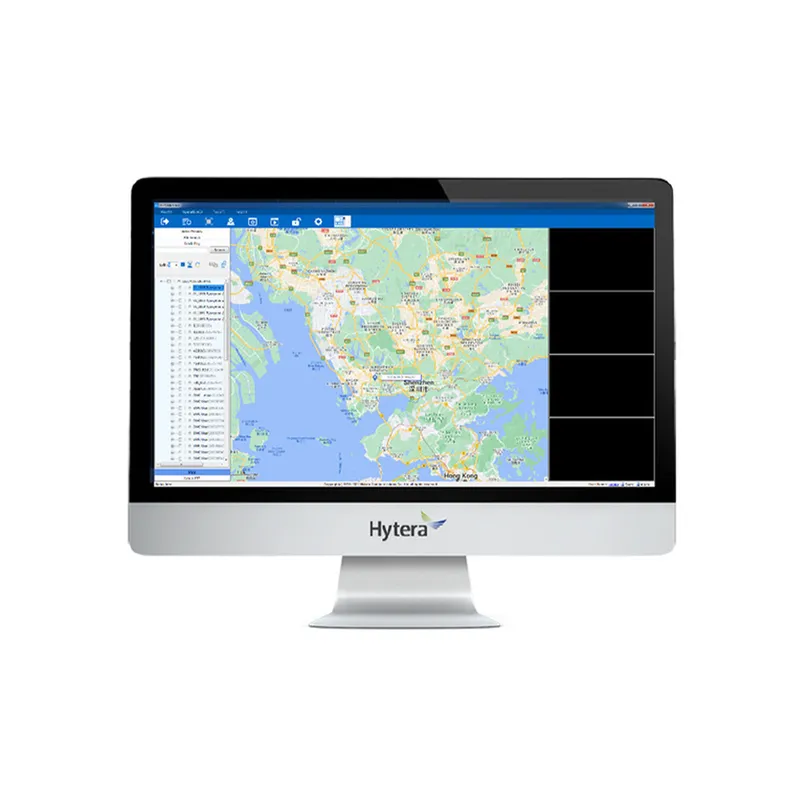
Hytera HHS Mobile Video Surveillance and Dispatch Platform
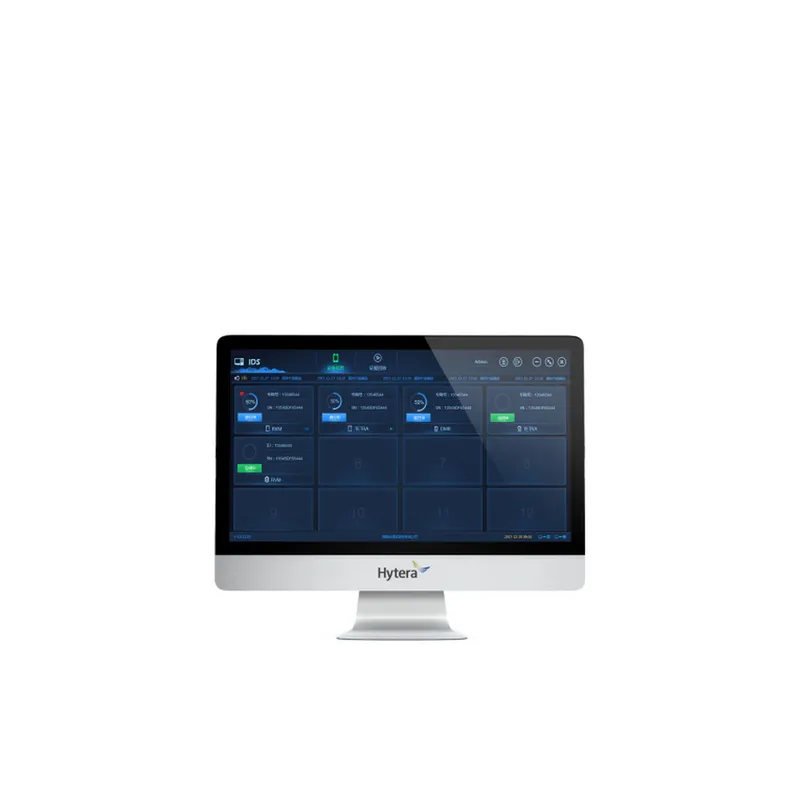
Hytera IDS Integrated Data Collection Software
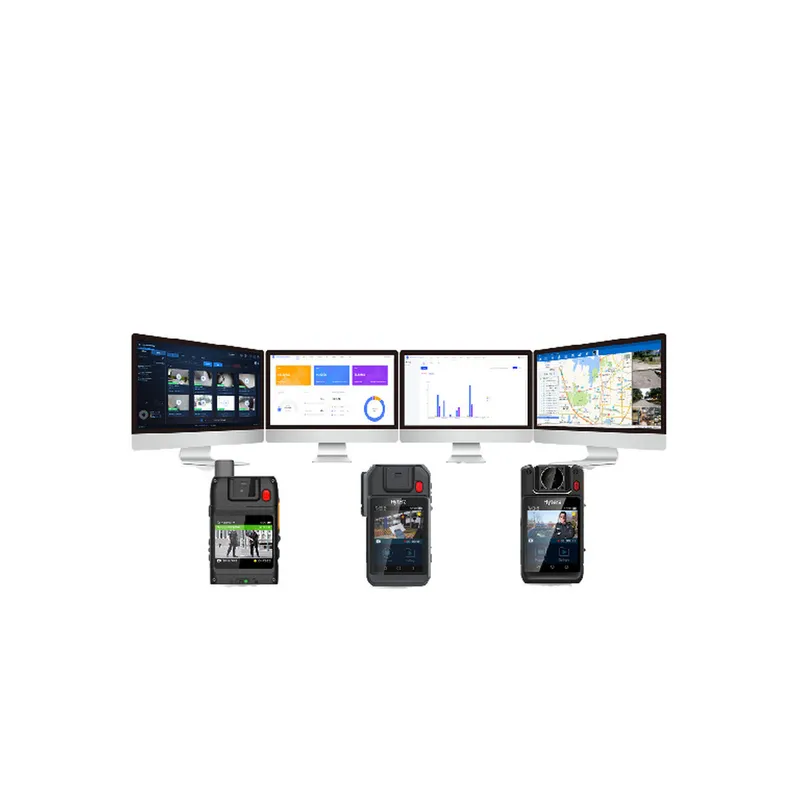
Hytera Mobile Video Surveillance DEM Digital Evidence Management Solution
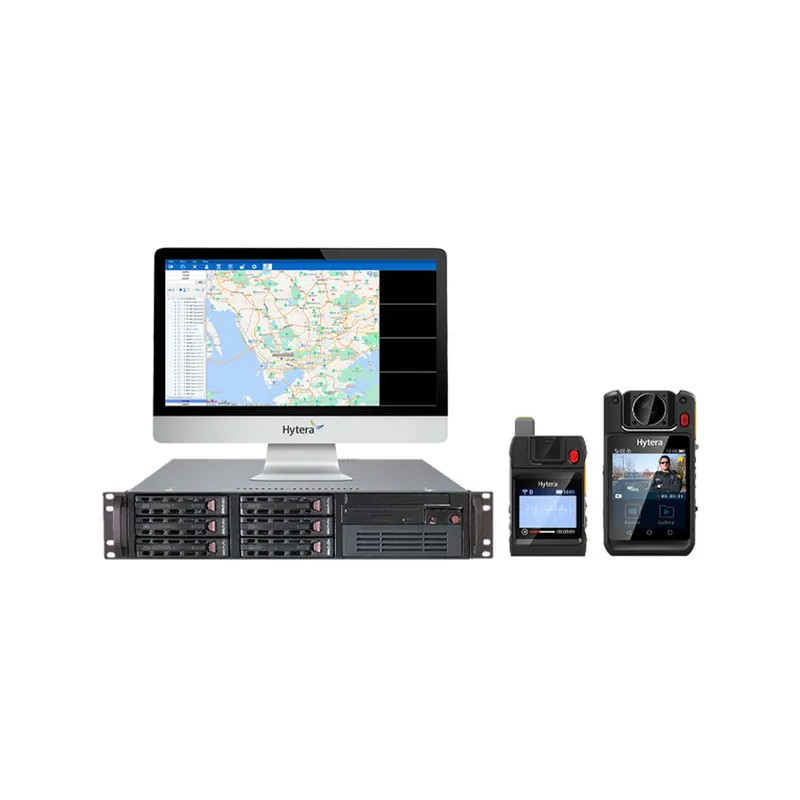
Hytera Mobile Video Surveillance Solution
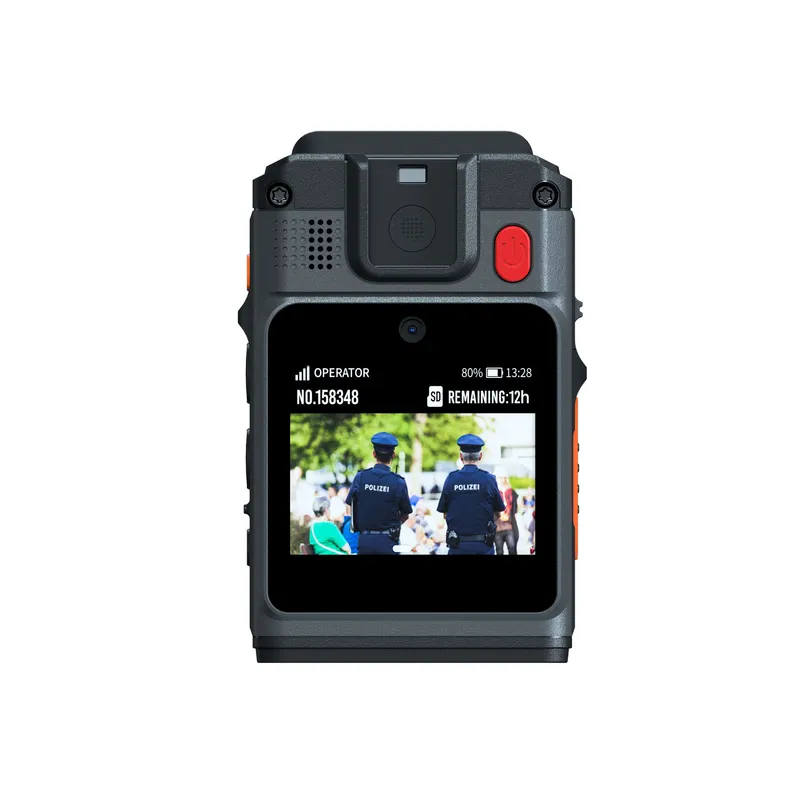
Hytera SC580 Smart 4G Body-Worn Camera
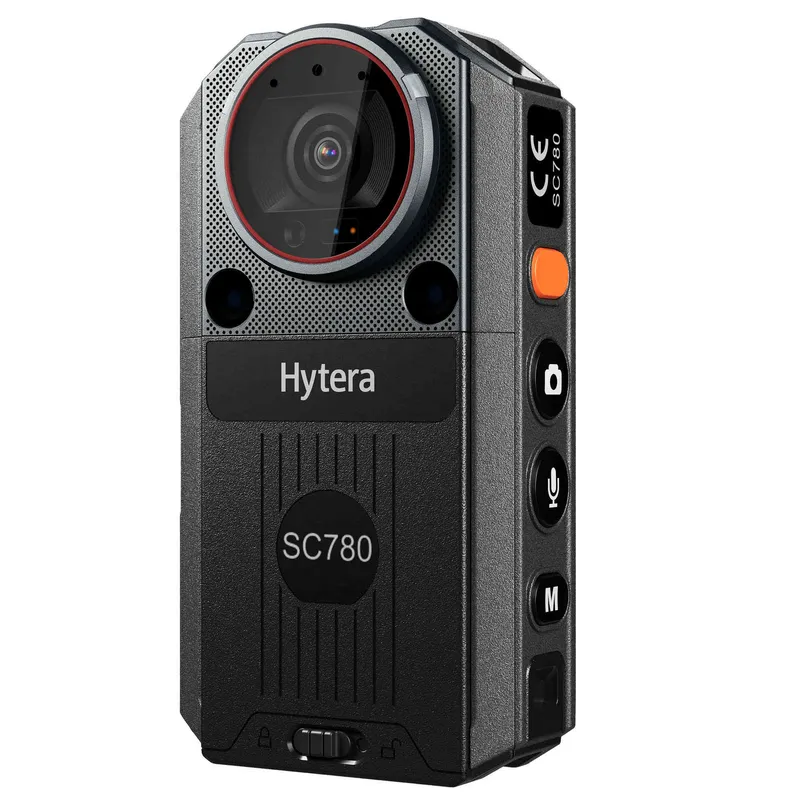
Hytera SC780 Advanced 4G LTE Body-Worn Camera
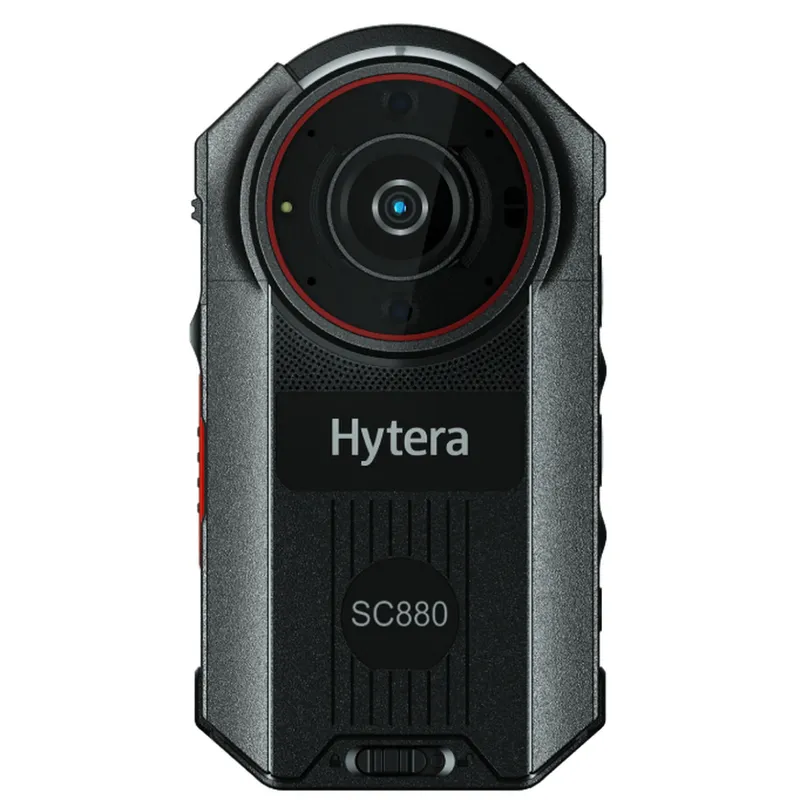
Hytera SC880 5G Smart Body-Worn Camera
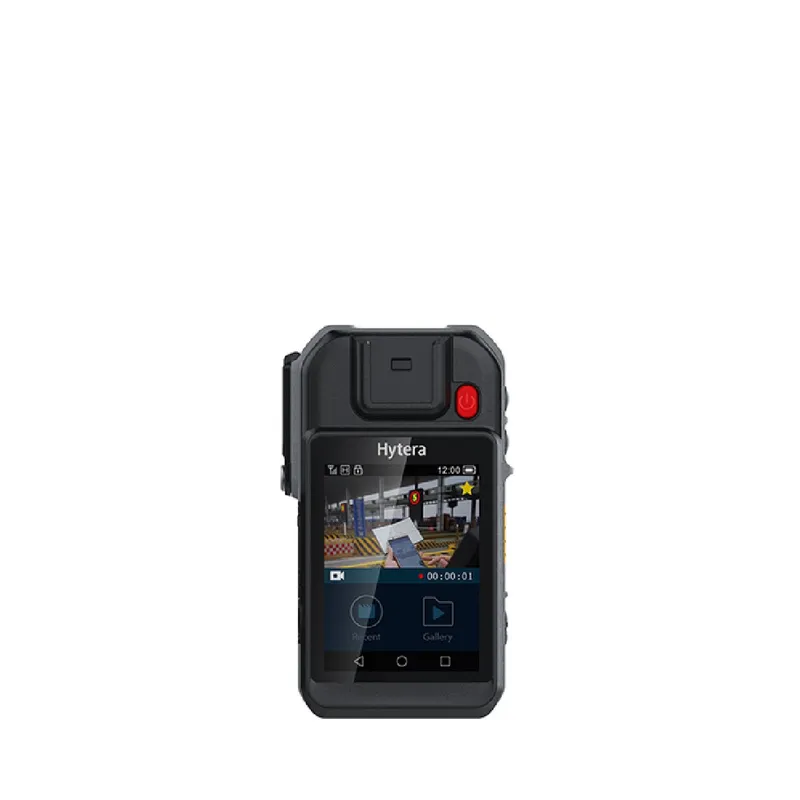
Hytera VM750D Smart 4G Body-Worn Camera
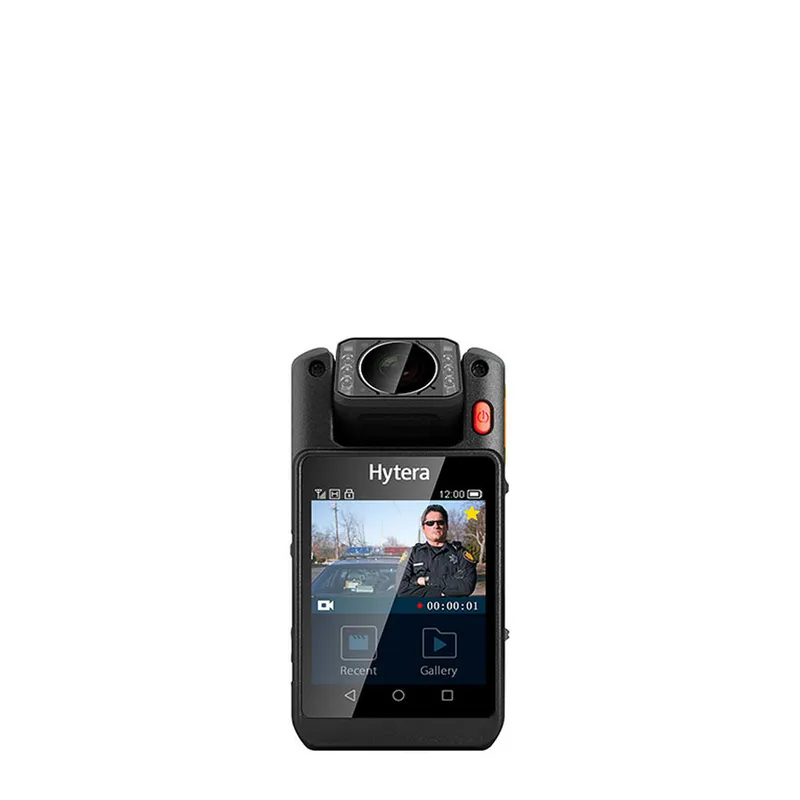
Hytera VM780 LTE Smart Body-Worn Camera
Every sector has a different communication requirement. A mine's priority is coverage and explosion safety; a hospital's is speed, group structure and uninterrupted access. Designing from a product list rather than from the site is why systems disappoint.
| Question | Example of divergence |
|---|---|
| Is the atmosphere hazardous? | ATEX certification is mandatory in oil, gas, chemicals and mining |
| Where is coverage hard? | Tunnels, basements and mines need dedicated solutions |
| How many independent groups? | Dozens on a hospital campus, one in a small hotel |
| What does an outage cost? | An airport stops; a warehouse is merely delayed |
| How far apart are the users? | One site favours DMR; a national fleet favours PoC |
Hospital campuses run many teams that must stay separate day to day and become one during an incident. Group structure design matters more than device choice.
The second constraint is indoor coverage. Basements, technical floors, lift shafts and imaging rooms with radiation shielding are where coverage fails — and they are exactly where staff work alone.
TechnoRF's published references include the Ministry of Health, seven provincial health directorates and seven hospitals.
Two constraints dominate: coverage in enclosed volumes, and certification for explosive atmospheres.
Underground galleries are served with leaky feeder cable; surface facilities with conventional wide-area design. Certification must match the zone classification, the gas group and the temperature class — and it covers the battery and every accessory, not only the radio.
Transmission line maintenance teams work across long distances in open terrain, where VHF's propagation advantage matters. Substations and generation facilities need coverage designs that survive electrical noise.
Business continuity is central: when the grid is the thing that failed, the communication system cannot depend on it.
Where the fleet is spread across the country, building a repeater network is rarely economic. PoC over LTE is usually the right answer, with the important caveat that coverage is the mobile operator's coverage.
Inside a warehouse or terminal the calculation reverses: a local DMR system gives lower latency, no subscription and no dependence on the mobile network.
Here the tolerance for outage approaches zero and the system must survive the event it is being used to manage. That rules out solutions dependent on commercial infrastructure and puts redundancy, local fallback modes and rapidly deployable units at the centre of the design.
TechnoRF's references include AFAD, Türkiye's Disaster and Emergency Management Authority.
Hotels, campuses and large facilities need broad indoor coverage, simple operation and discreet accessories. The technology requirement is modest; the coverage requirement is not — a resort or campus is a wide area with many buildings.
The starting point is always the same: what does the operation actually do, where, and what happens when communication stops? See communication solutions for the technology detail, or get in touch for a site assessment.
Because the determining factor is the site, not the device specification. An explosive atmosphere makes ATEX certification mandatory; tunnels and mines require dedicated coverage solutions; a hospital campus needs many independent talkgroups and fast call setup; a nationwide logistics fleet is better served by PoC than by a repeater network. The same manufacturer's range maps onto these needs very differently.
Group structure and call setup time. A hospital campus runs many independent teams — security, technical services, cleaning, patient transport, emergency response — that must not hear one another routinely but must be reachable instantly during an incident. Indoor coverage is the second constraint: basements, technical floors and lift shafts are where systems usually fail.
Coverage and certification. Underground galleries need leaky feeder or distributed coverage; surface plants need wide-area design. Where an explosive atmosphere exists — methane in coal mines, dust in silos and mills — ATEX or IECEx certified equipment is a legal requirement, and the certification covers the battery and accessories as well as the radio.
The Hytera product range, TechnoRF engineering, installation, maintenance, technical service and business continuity planning — brought together into a system designed for how your operation actually works.
We deliver not only what you need, but more than you expect .