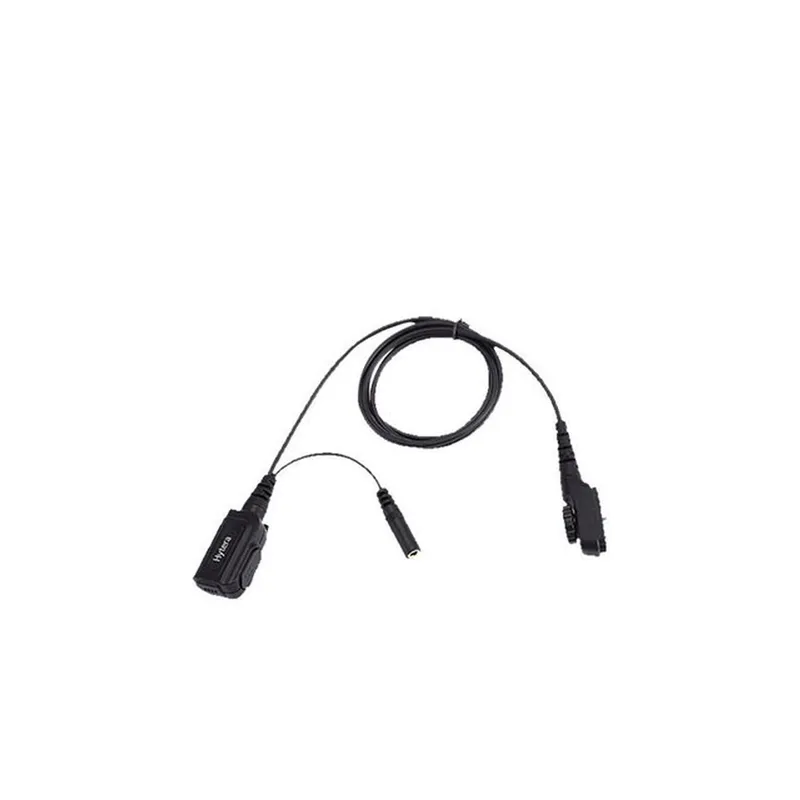
Hytera ACN01 PTT Microphone Cable


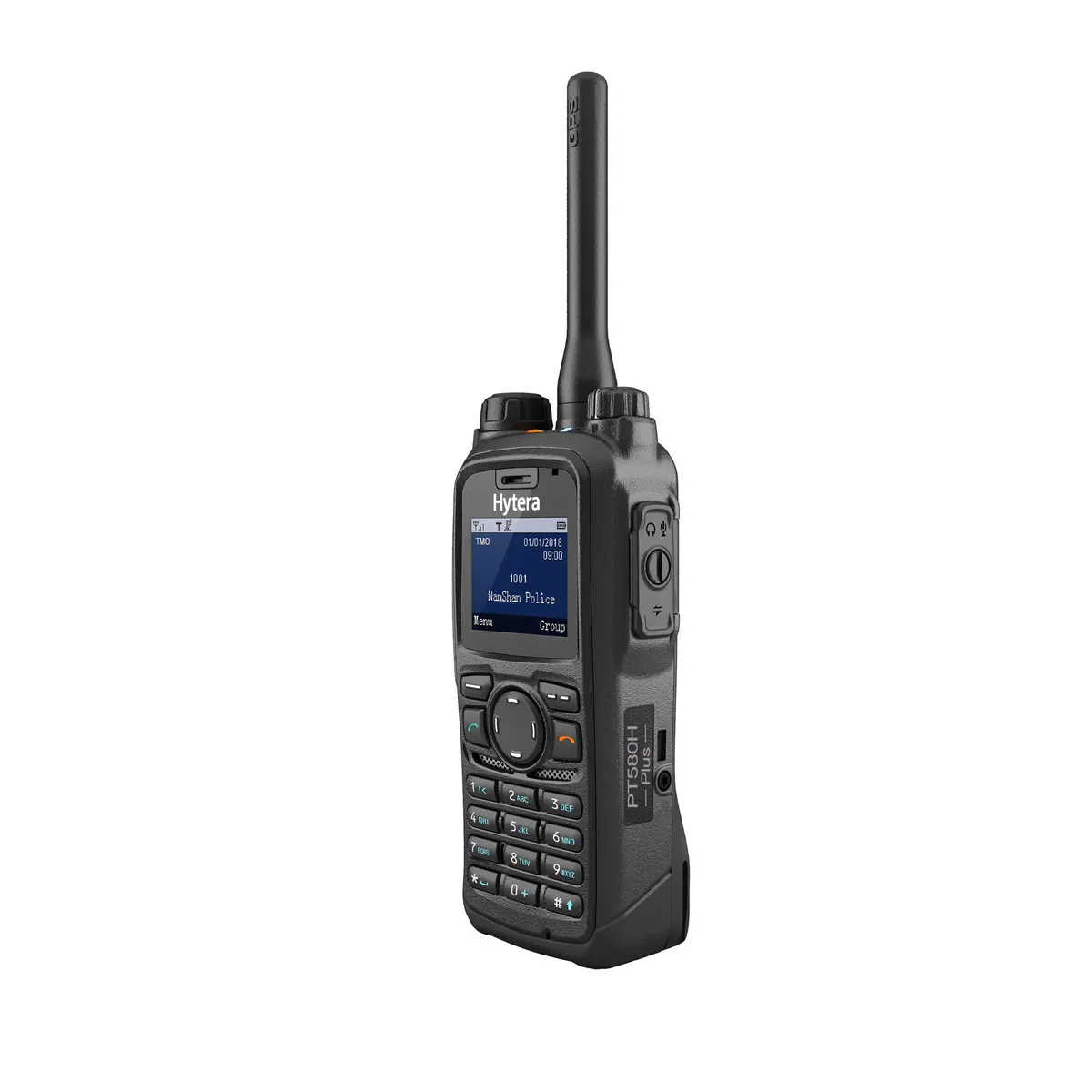
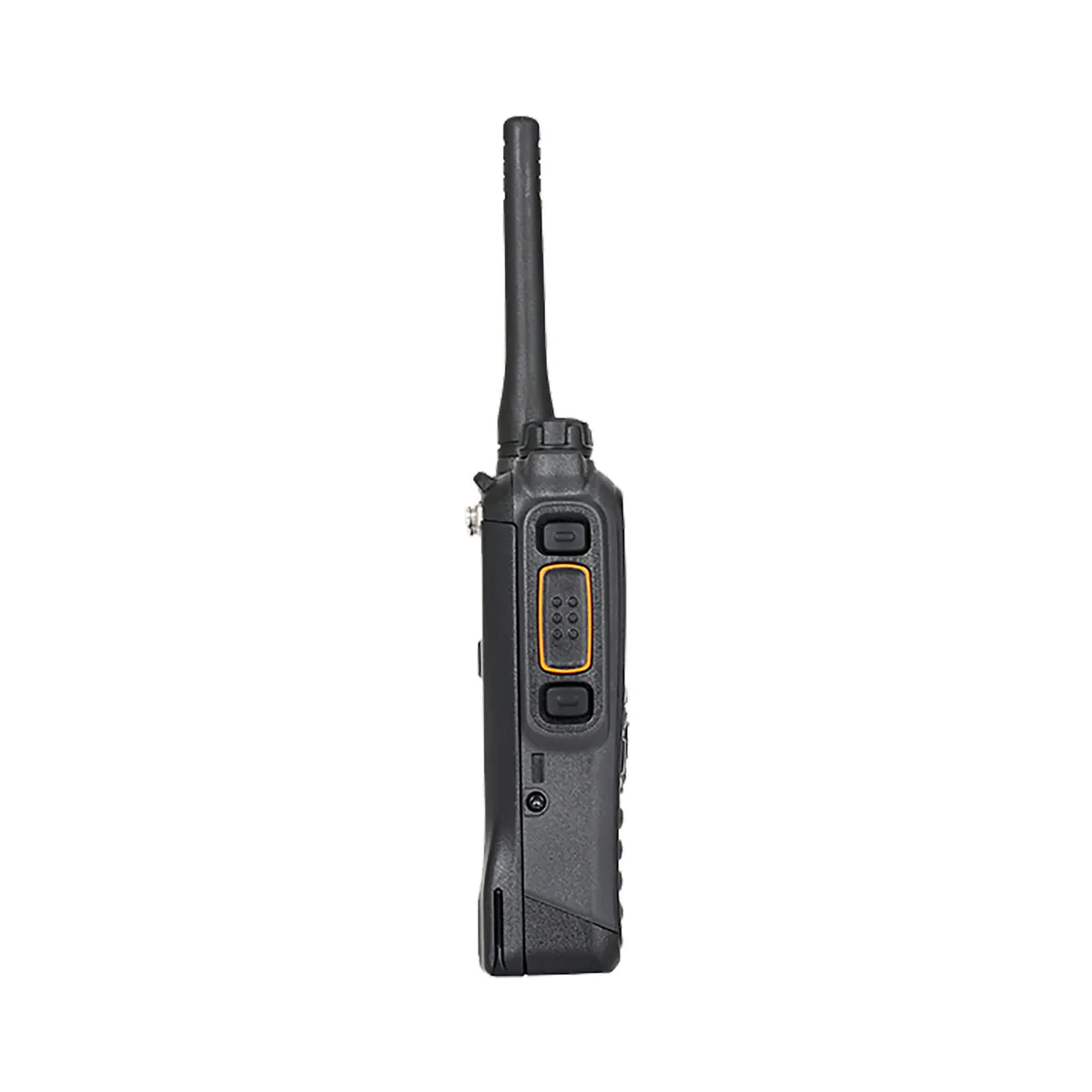
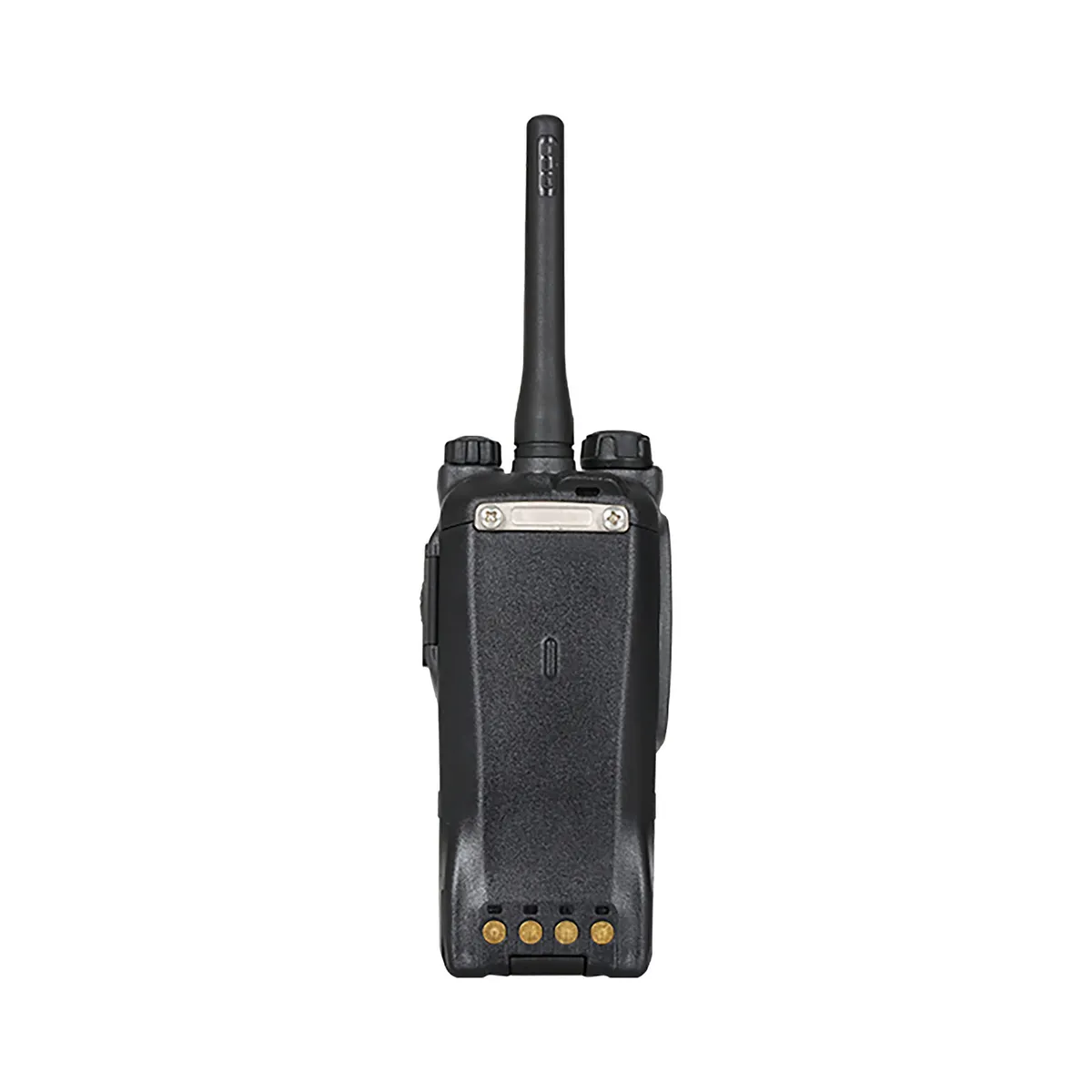
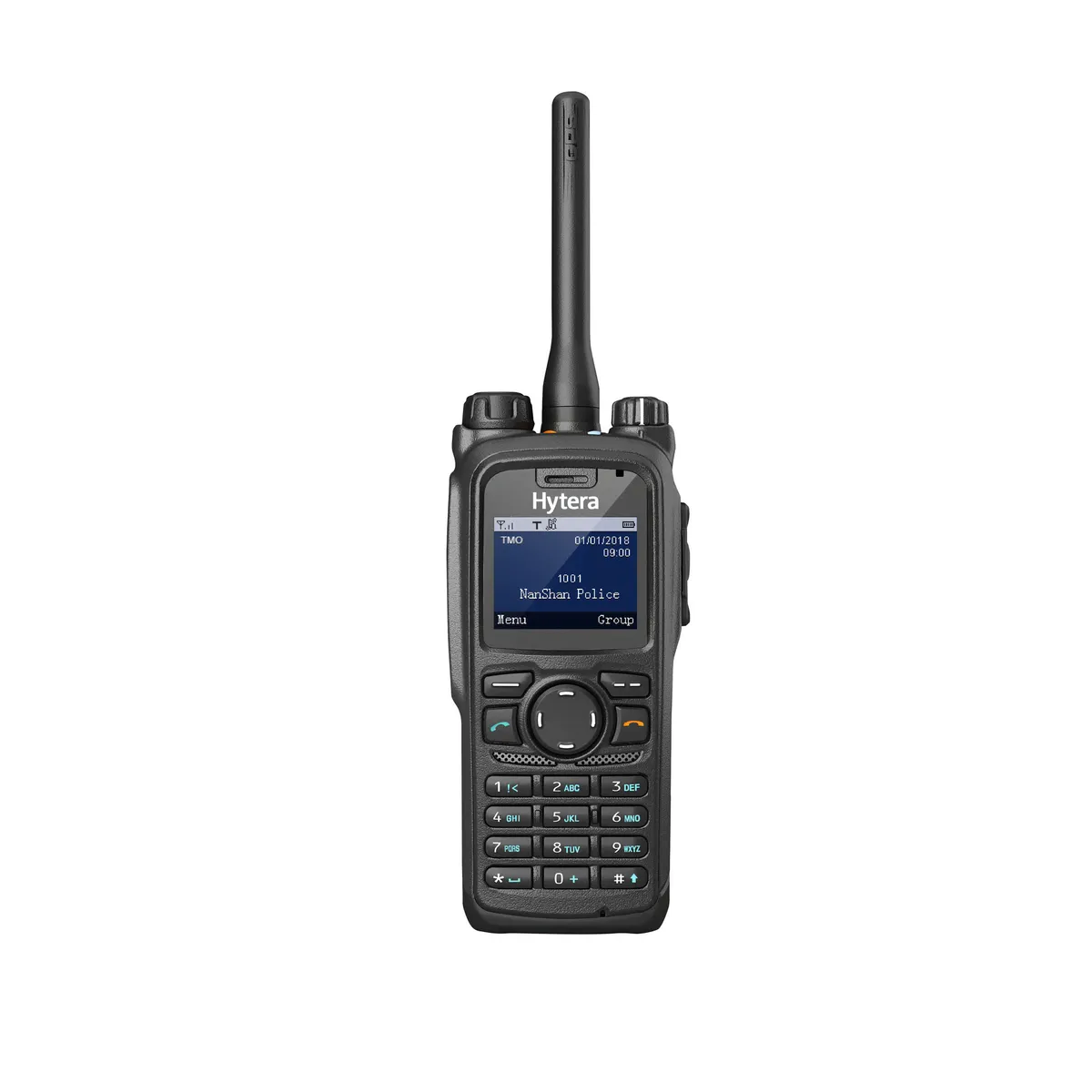
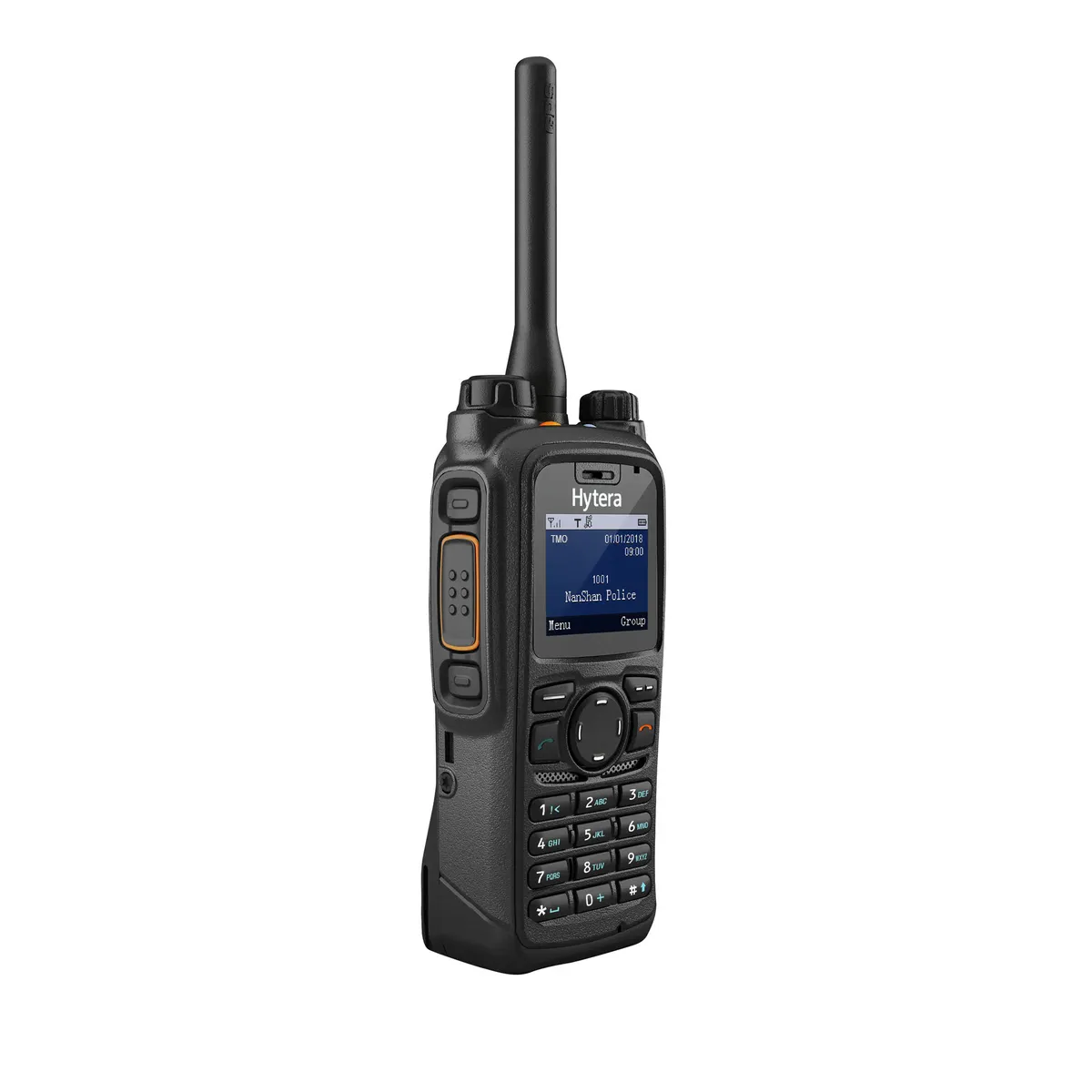
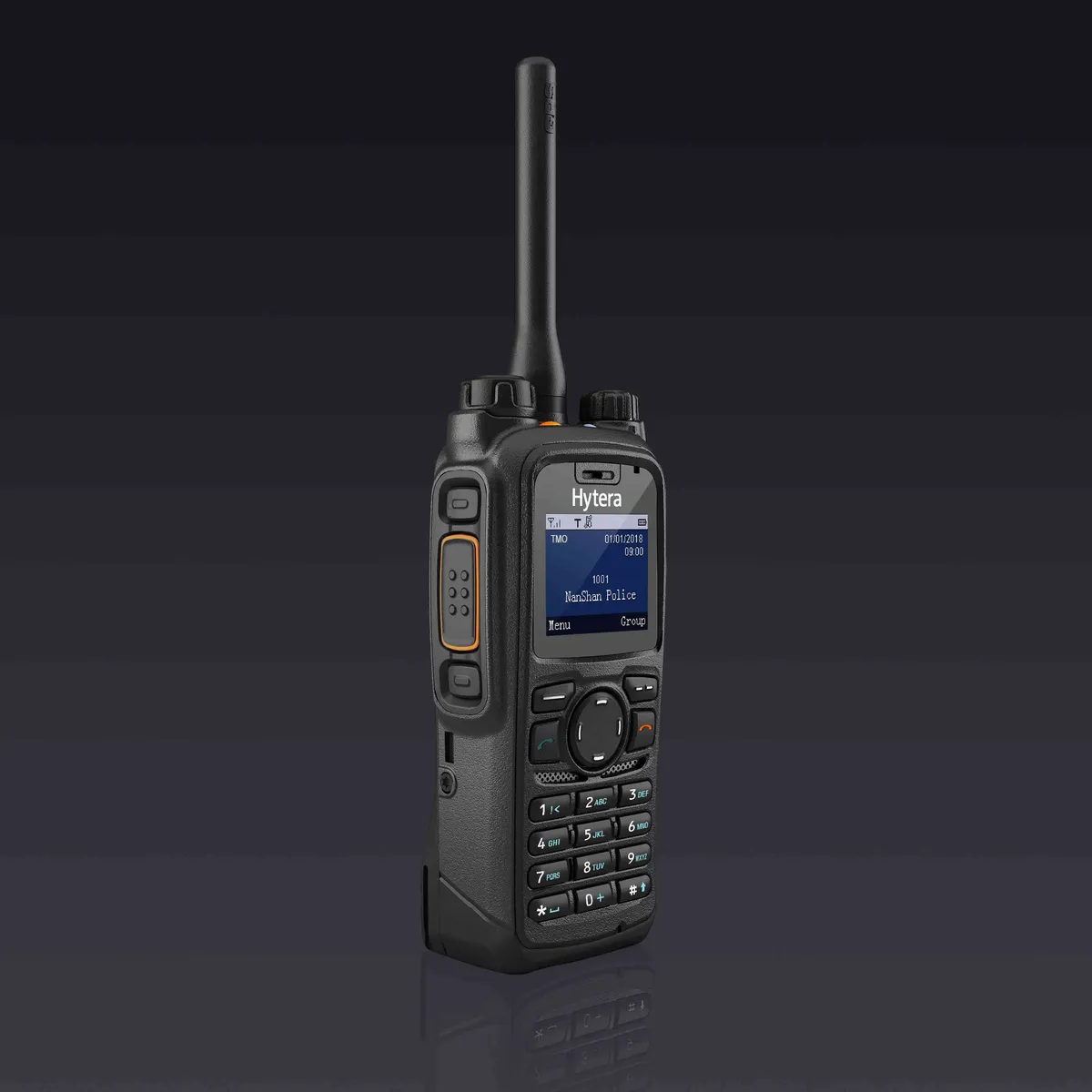
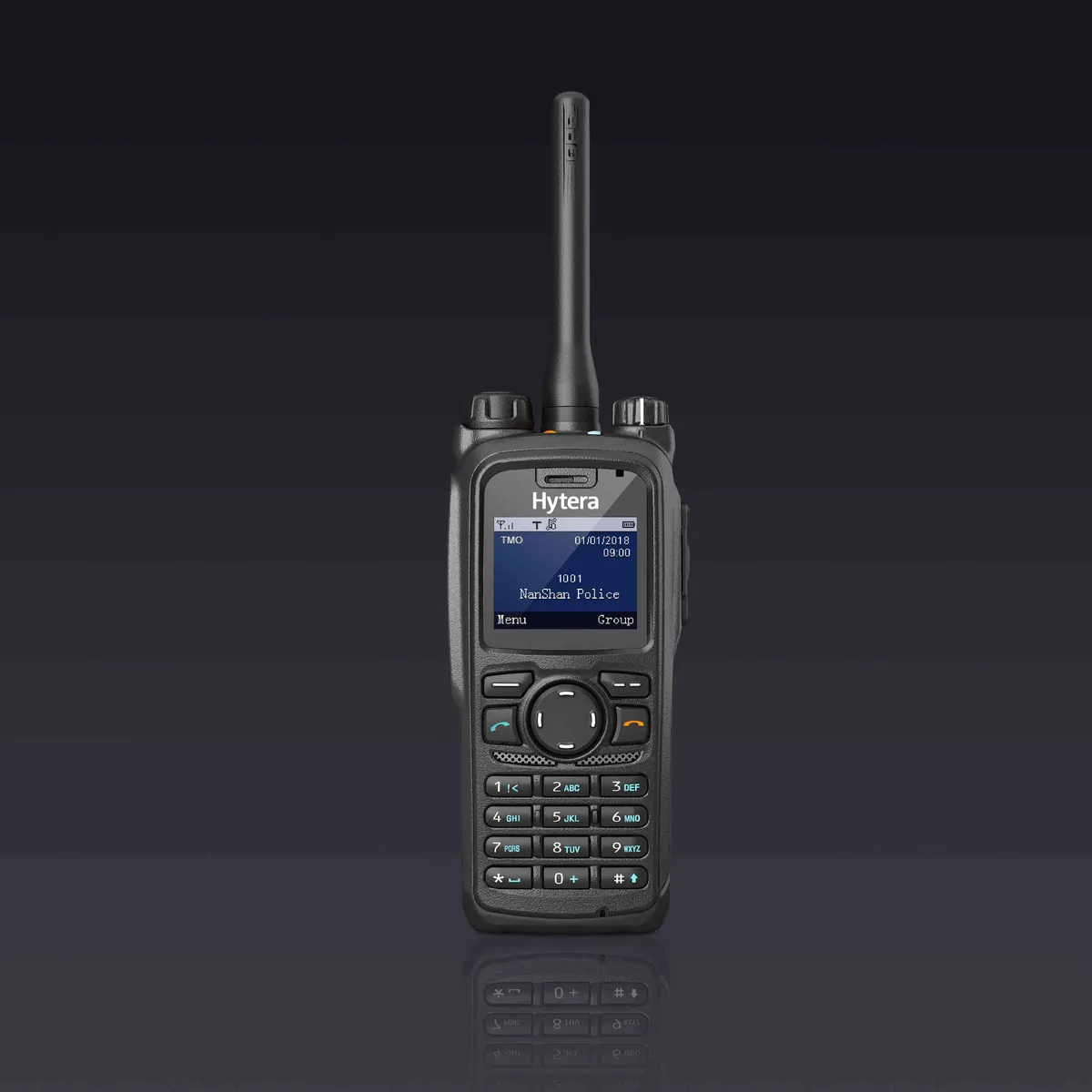
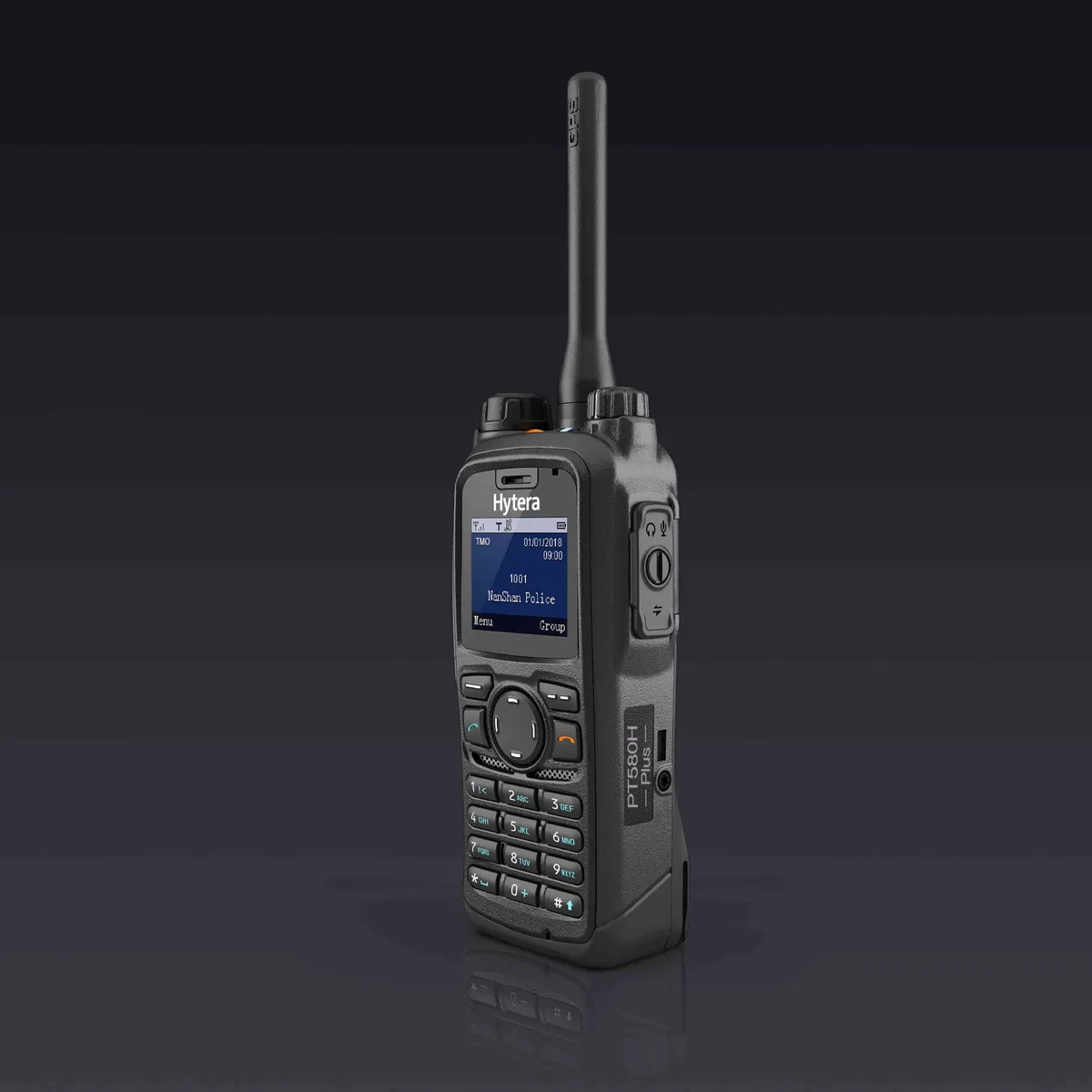
Only the technical values that differ between models are listed; identical rows are omitted. Values are taken from the manufacturer’s published data sheets.
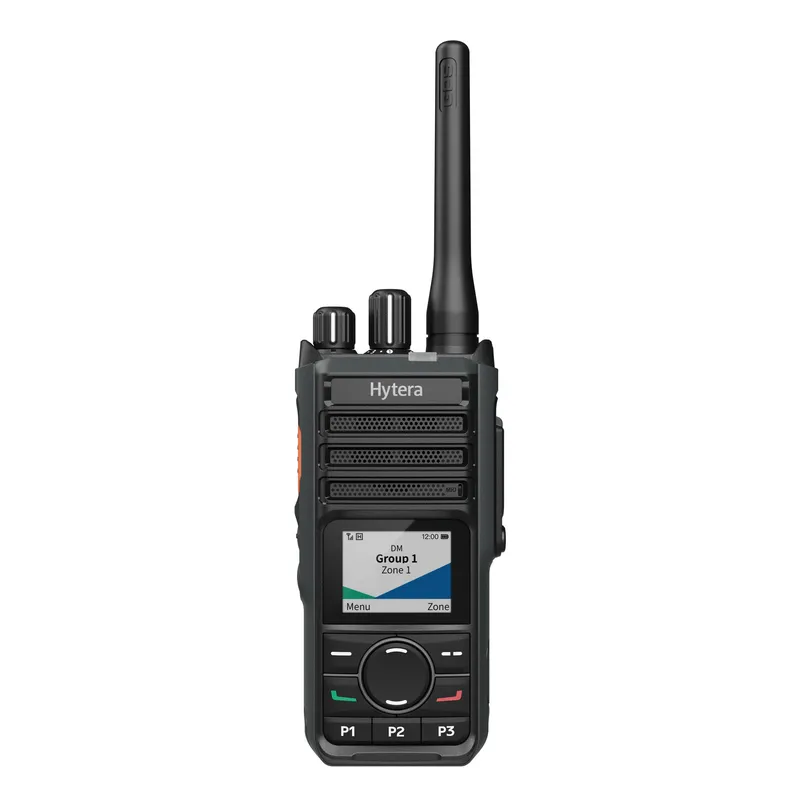
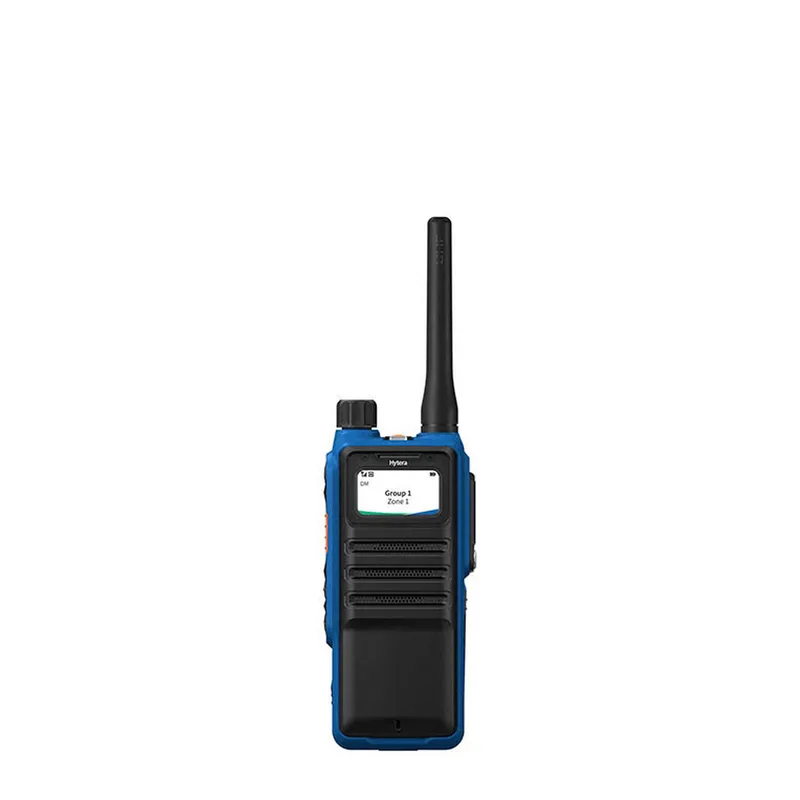
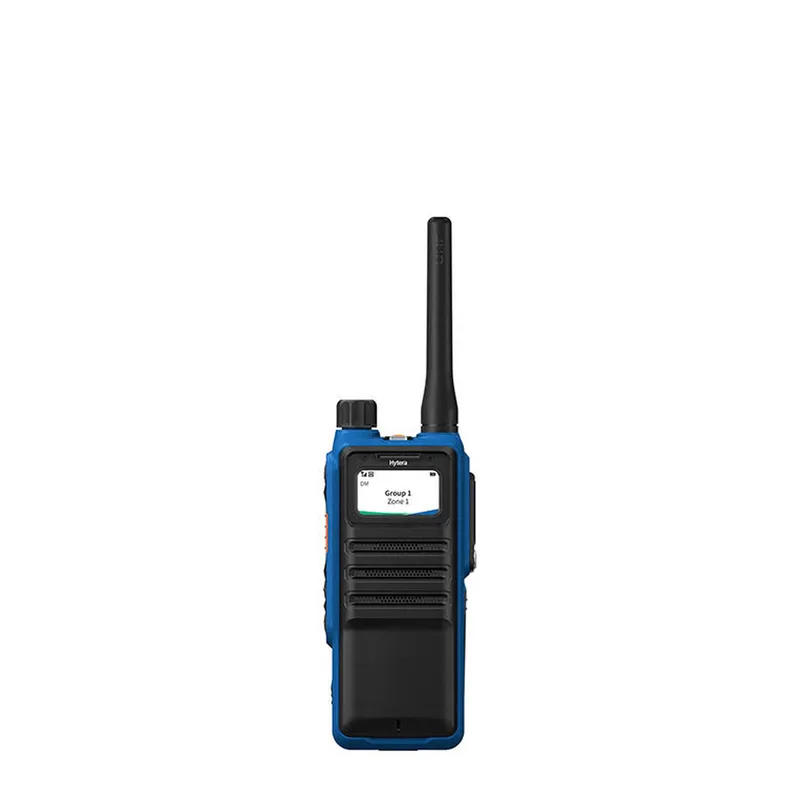
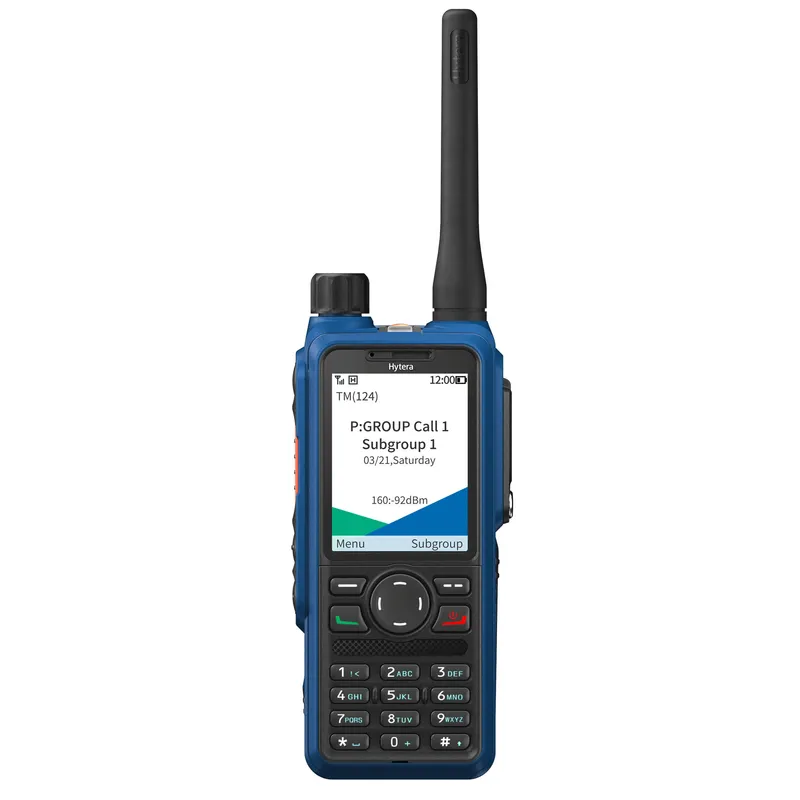
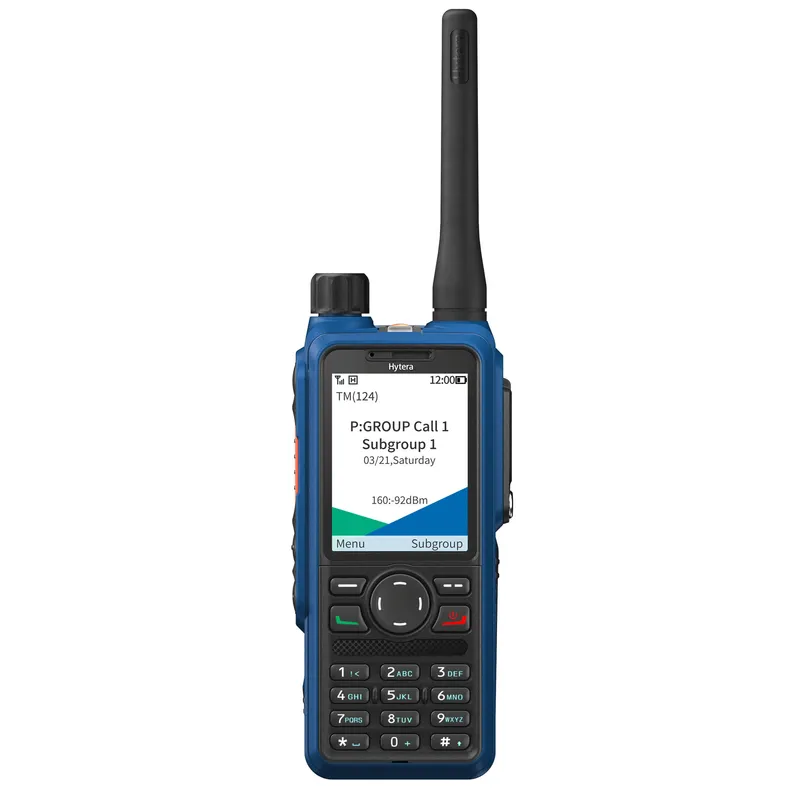
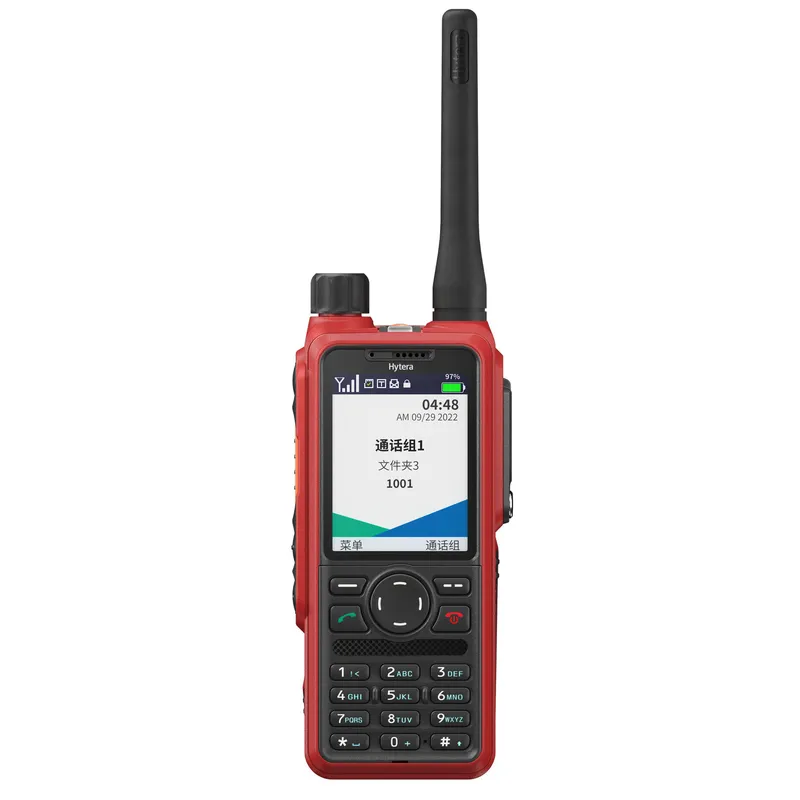
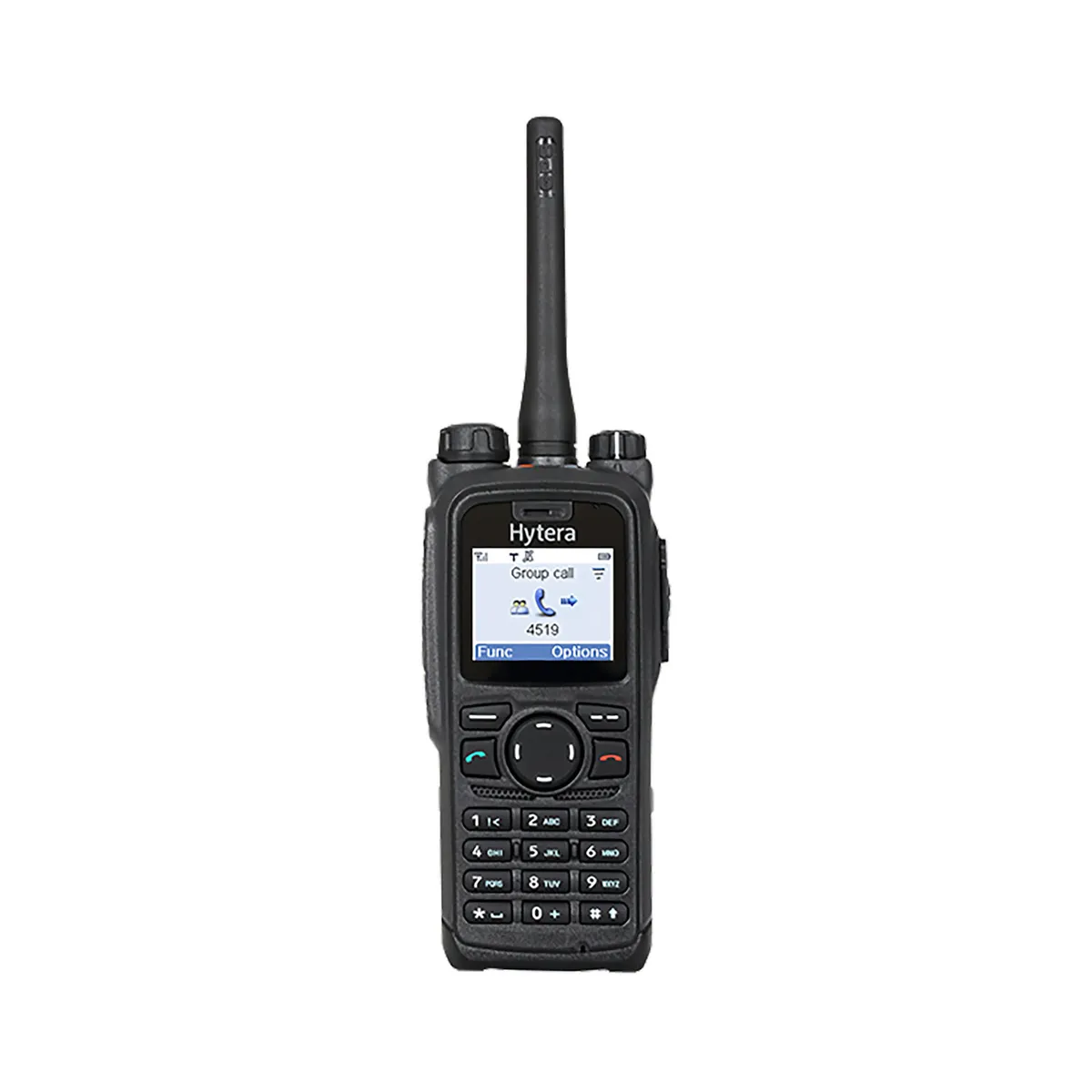
| Property | Hytera PT580H Plus UL913 TETRA Handportable Radio | Hytera HP569 UL913 ATEX DMR Handportable Radio | Hytera HP715Ex IIA ATEX DMR Handportable Radio | Hytera HP715Ex IIC ATEX DMR Handportable Radio |
|---|---|---|---|---|
| Frequency Range | 380-430 MHz; 405-475 MHz; 806-870 MHz | 400-470MHz; 136-174MHz | 400-480MHz; 136-174MHz; 350-400MHz; 330-400MHz | 400-480MHz; 136-174MHz; 350-400MHz; 330-400MHz |
| RF Output Power | 1 W | UHF: 4W / 1W; VHF: 5W / 1W | UHF: 4W/1W; VHF: 5W/1W | 2W/1W |
| Battery | 2400 mAh Ex Li-ion | 2400 mAh (Li-ion) | 2150 mAh Li-Polymer, intrinsically safe | 2150 mAh Li-Polymer, intrinsically safe |
| Battery Life | > 24 hours (TMO 5/5/90 duty cycle) | Digital: 23 hours (GPS off), 21 hours (GPS on) | 22 hours (GNSS off), 19 hours (GNSS on) | 24 hours (GNSS off), 21 hours (GNSS on) |
| Weight | 408 g (with 2,400 mAh battery and antenna) | 321g | 390g ±5g | 390g ±5g |
| Dimensions (H×W×D) | 127.5 x 55 x 43 mm | 119 × 55 × 33.5 mm | 130 × 55 × 37 mm | 130 × 55 × 37 mm |
| Operating Temperature | −30°C to +55°C (hazardous area); −30°C to +60°C (non-hazardous area) | -20°C ~ +60°C | −30°C to +60°C (non-hazardous area); −25°C to +50°C (hazardous area) | −30°C to +60°C (non-hazardous area); −25°C to +60°C (hazardous area) |
| Operating Voltage | 7.4 V | 7.4 V (nominal) | 7.4 V (nominal) | 7.4 V (nominal) |
| Audio Output Power | 2 W | 0.5W | 0.5W | 0.5W |
| Storage Temperature | -40ºC ~ +85ºC | -40°C ~ +85°C | -40°C ~ +85°C | -40°C ~ +85°C |
| Humidity | ETSI 300 019 (%95) | MIL-STD-810H | MIL-STD-810H | MIL-STD-810H |
Hytera ACN01 PTT Microphone Cable
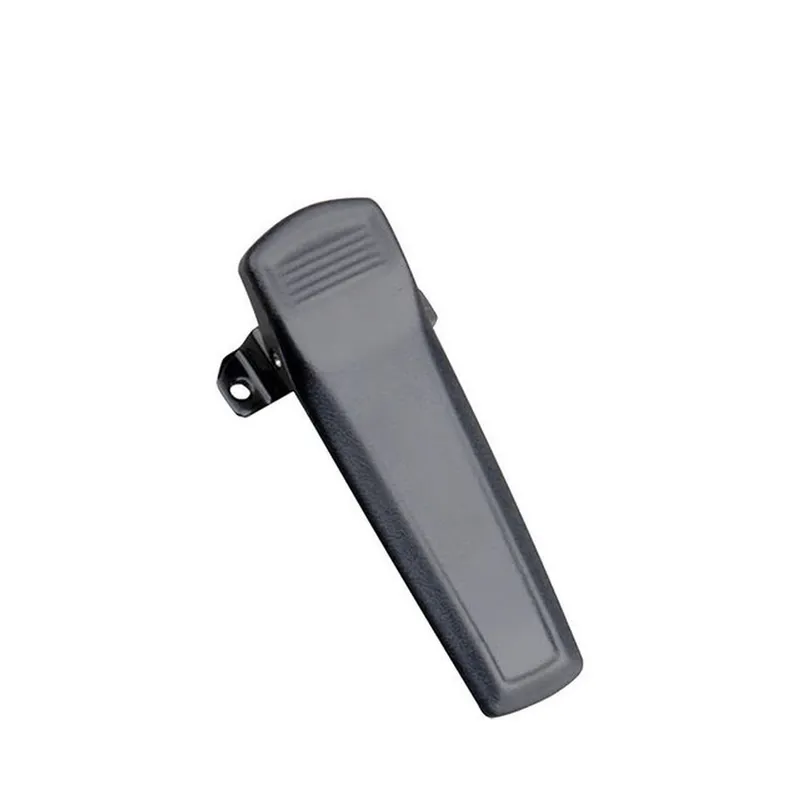
Hytera BC19 Belt Clip
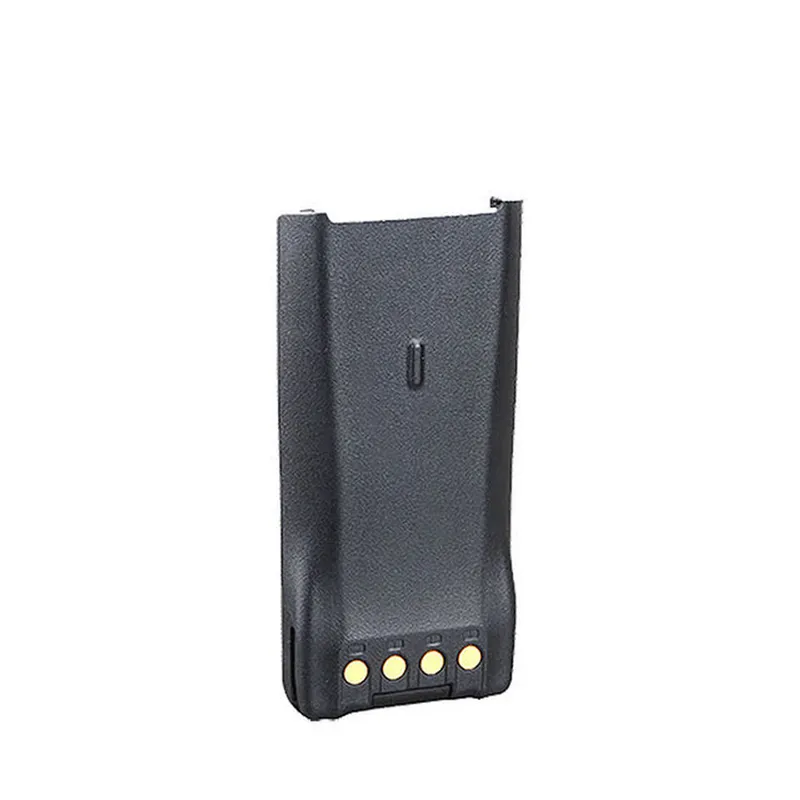
Hytera BL1806 Li-Ion Battery 1800 mAh
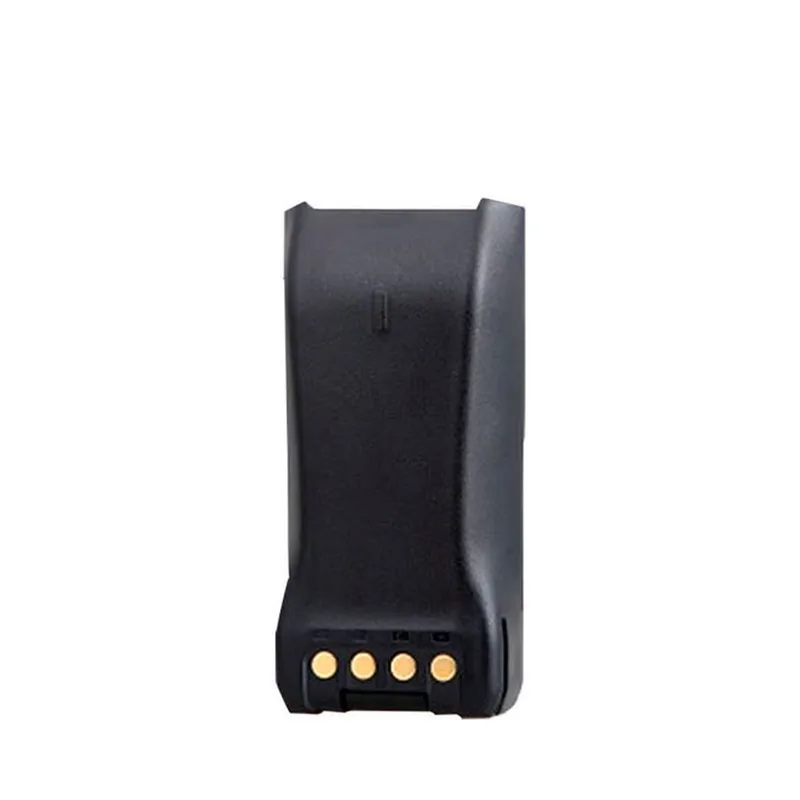
Hytera BL2412Ex Intrinsically Safe Li-Ion Battery 2400 mAh
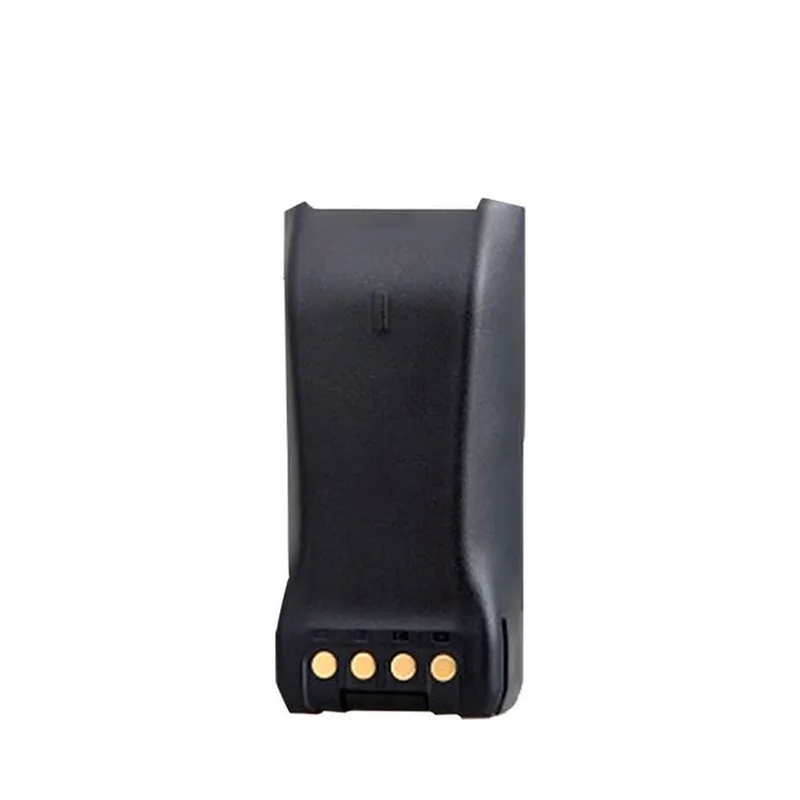
Hytera BL2505 Li-Ion Battery 2500 mAh
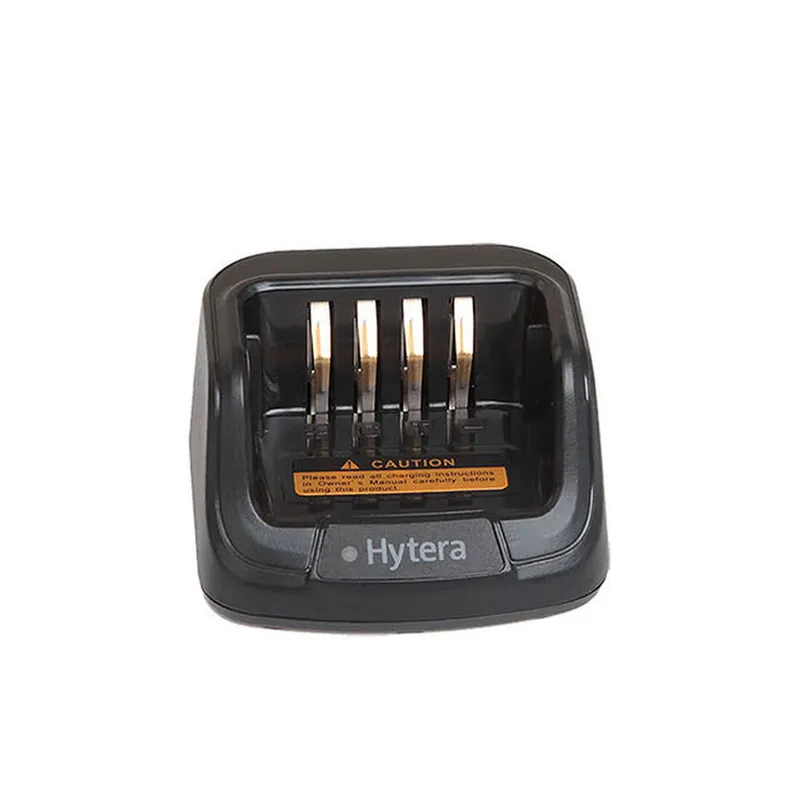
Hytera CH10A07 Desktop Charger
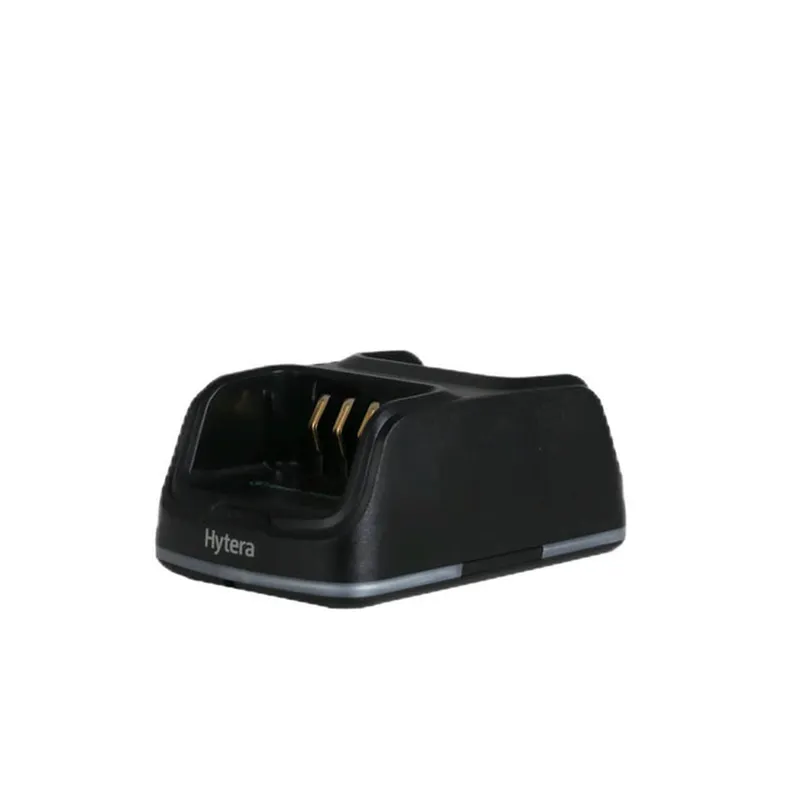
Hytera CH10L34 Smart Two-Bay Charger
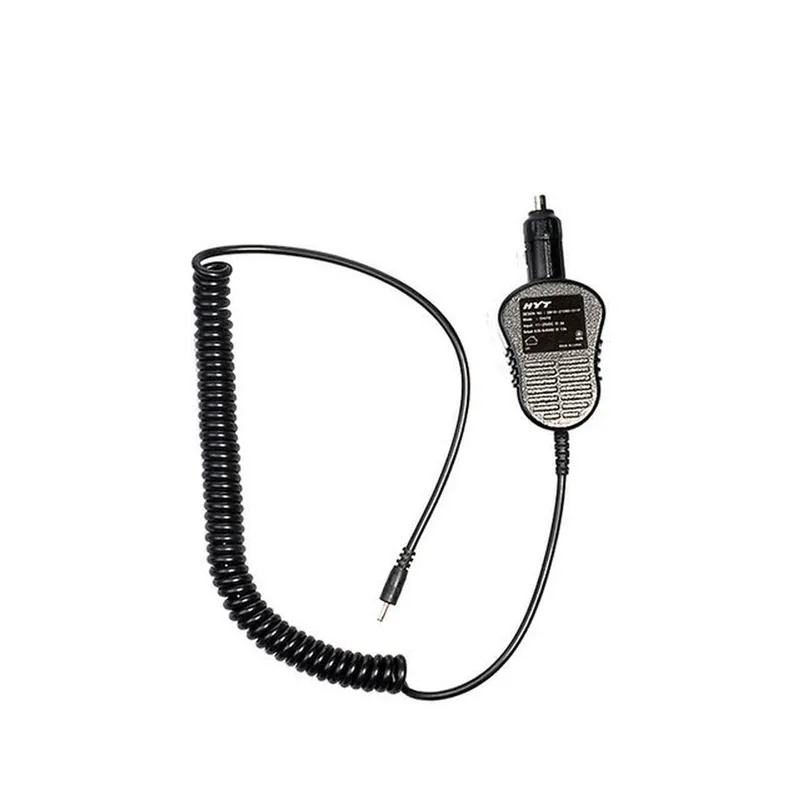
Hytera CHV09 Vehicle Power Adapter
Hytera EA01 Single-Wire Receive-Only Acoustic Tube Earpiece
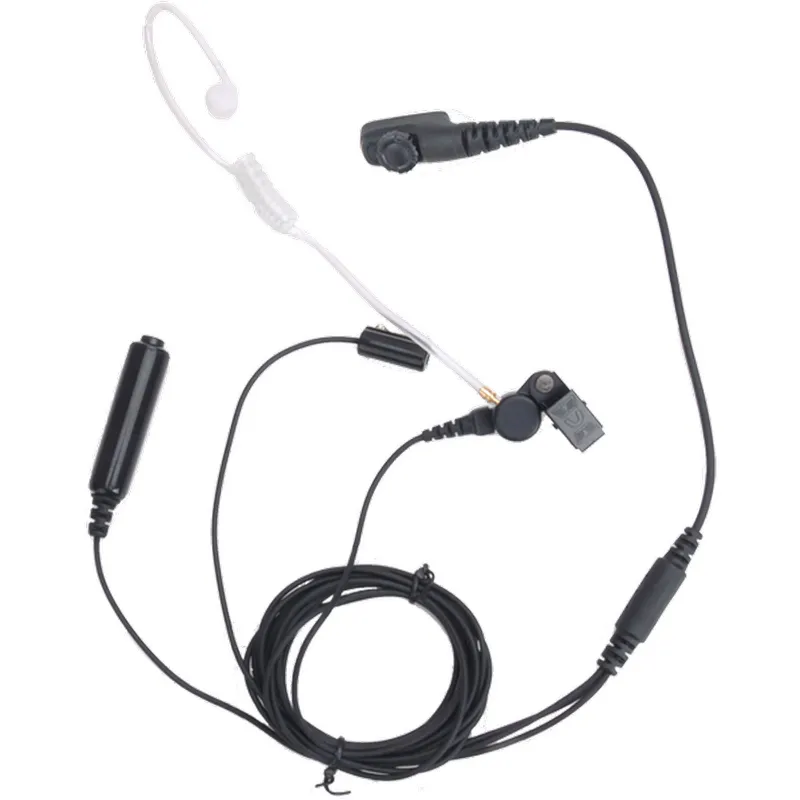
Hytera EAN18 Three-Wire Acoustic Tube Earpiece
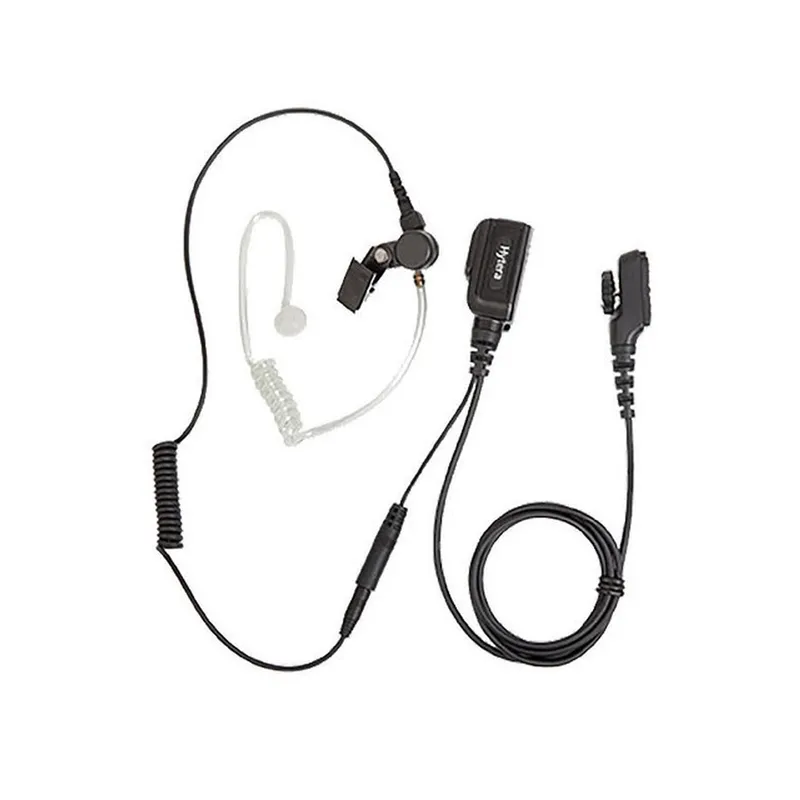
Hytera EAN23 Detachable Acoustic Tube Earpiece
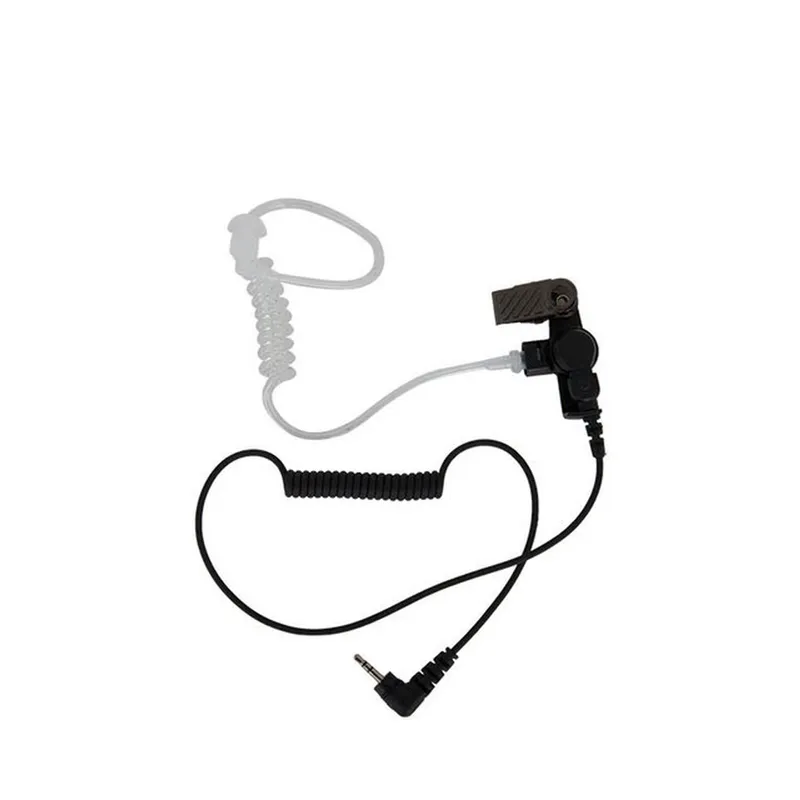
Hytera EAS03 Receive-Only Acoustic Tube Earpiece
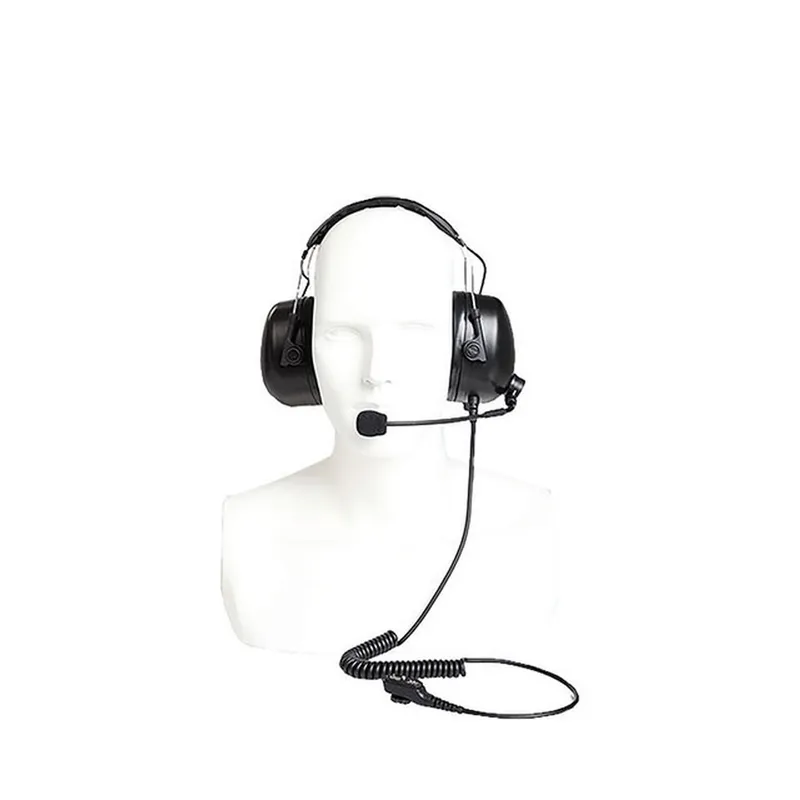
Hytera ECN18 Noise-Cancelling Headset
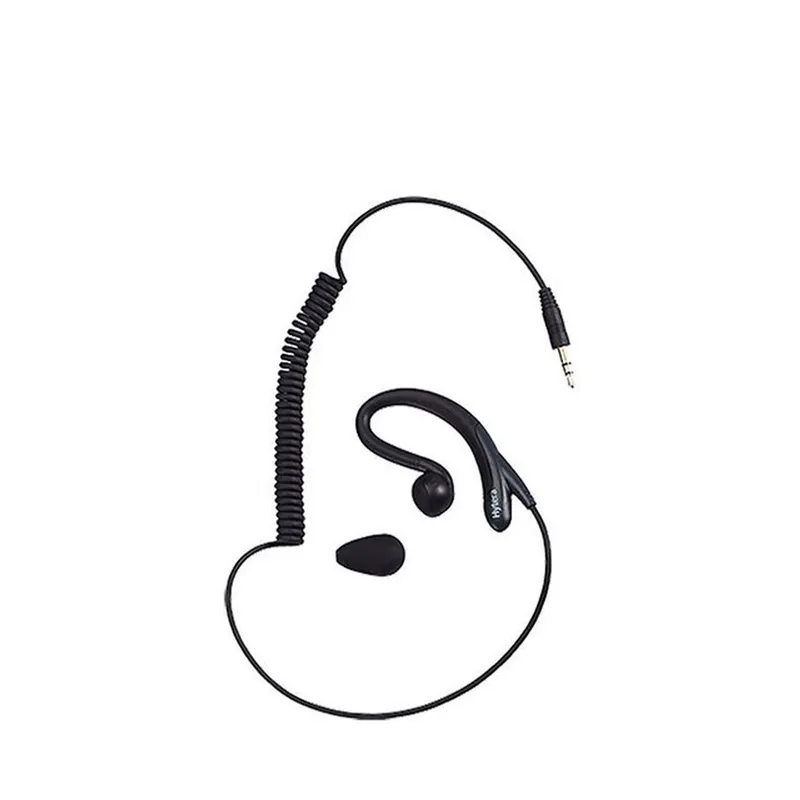
Hytera EH01 Receive-Only Earpiece
Hytera EH02 Receive-Only Earpiece
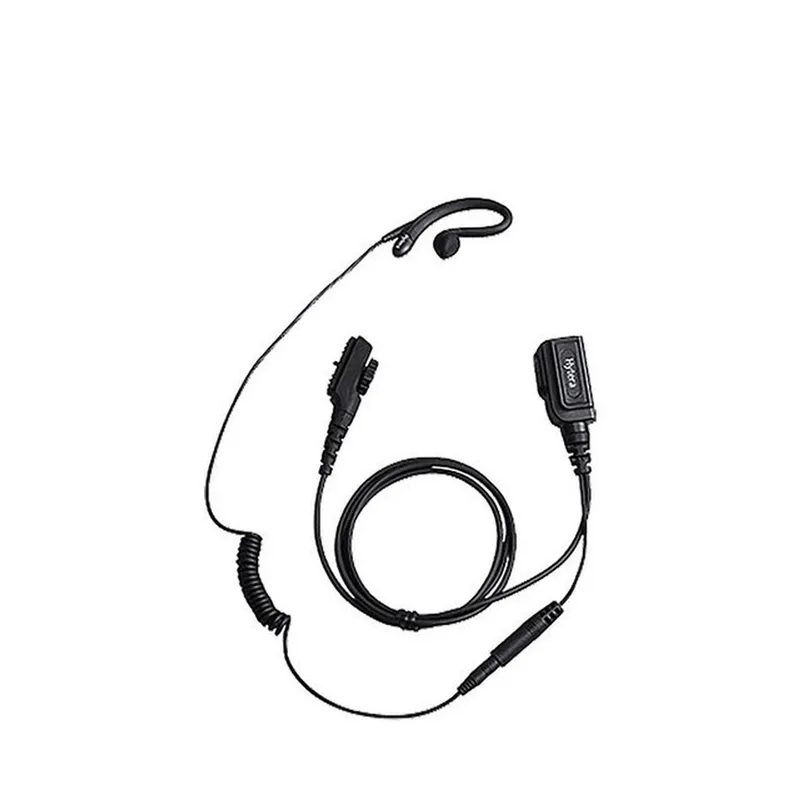
Hytera EHN16 C-Style Ear Hook Earpiece
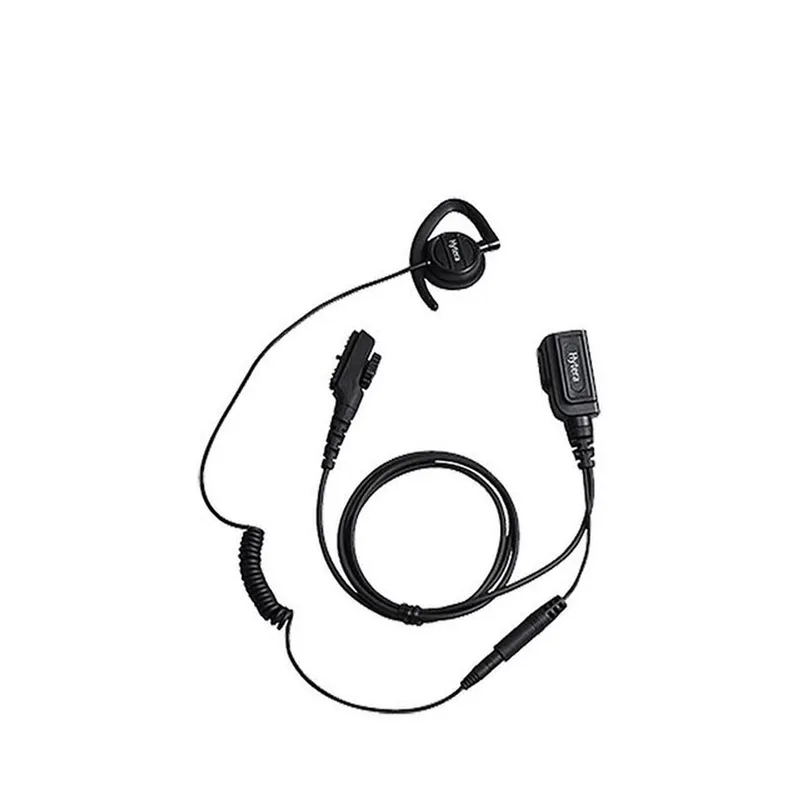
Hytera EHN17 Headset with Swivel Boom
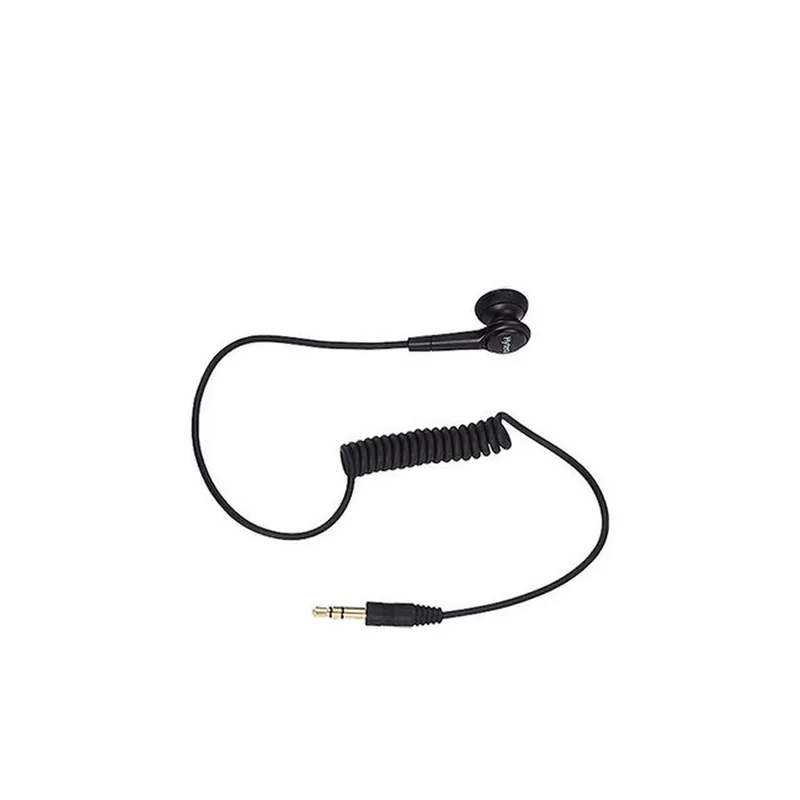
Hytera ES01 Receive-Only In-Ear Earpiece
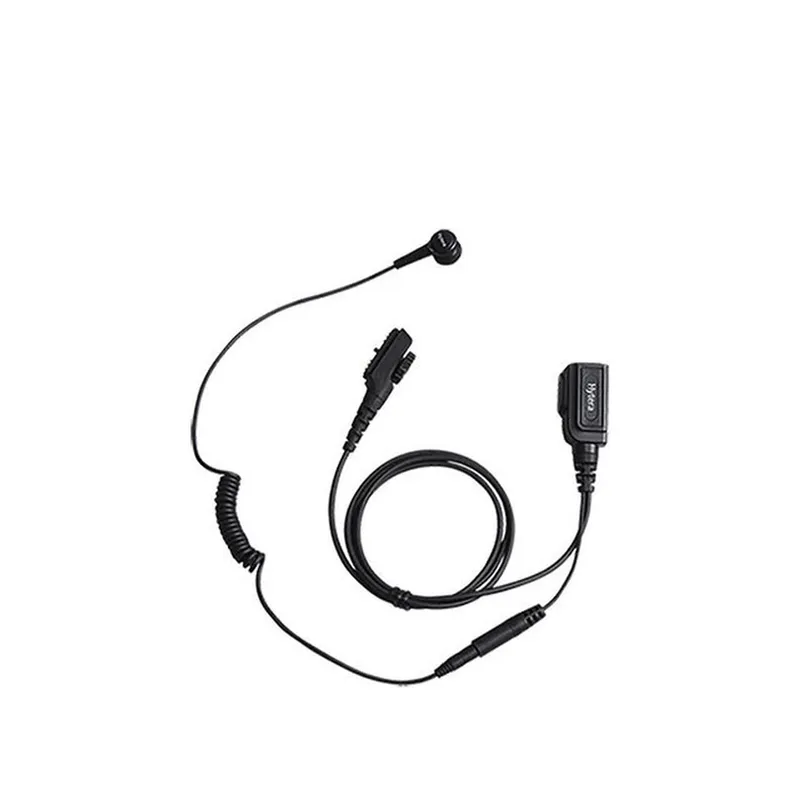
Hytera ESN12 In-Ear Earpiece with Microphone
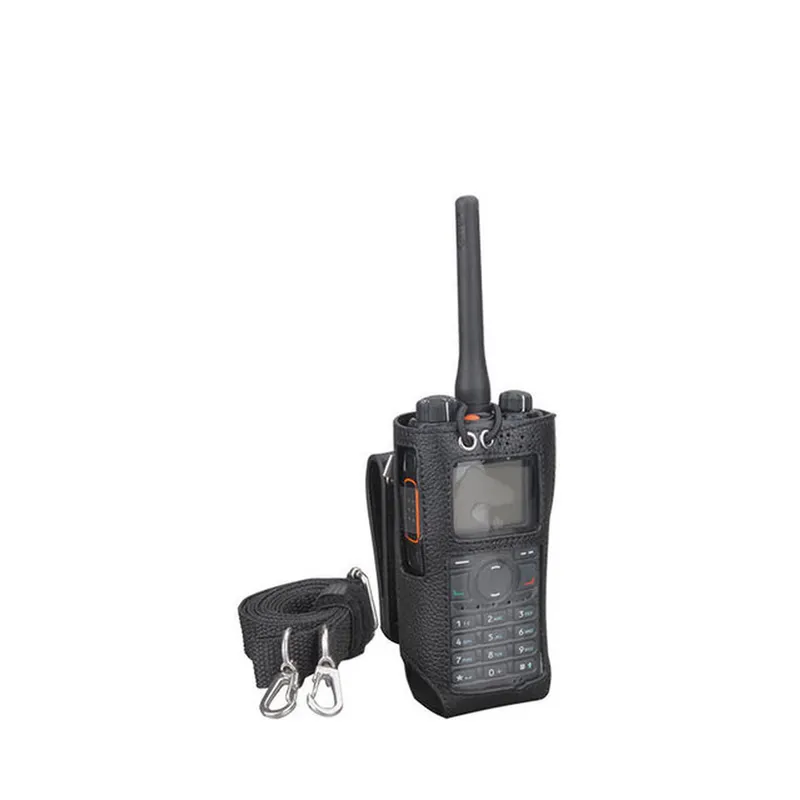
Hytera LCY003 Carry Case for Slim Battery
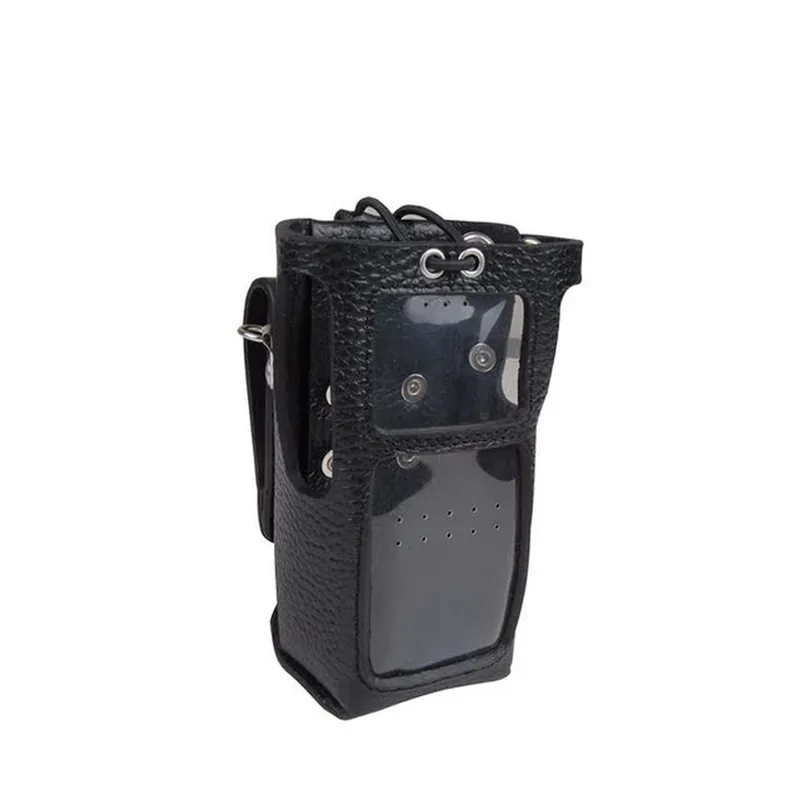
Hytera LCY006 Carry Case for Extended Battery
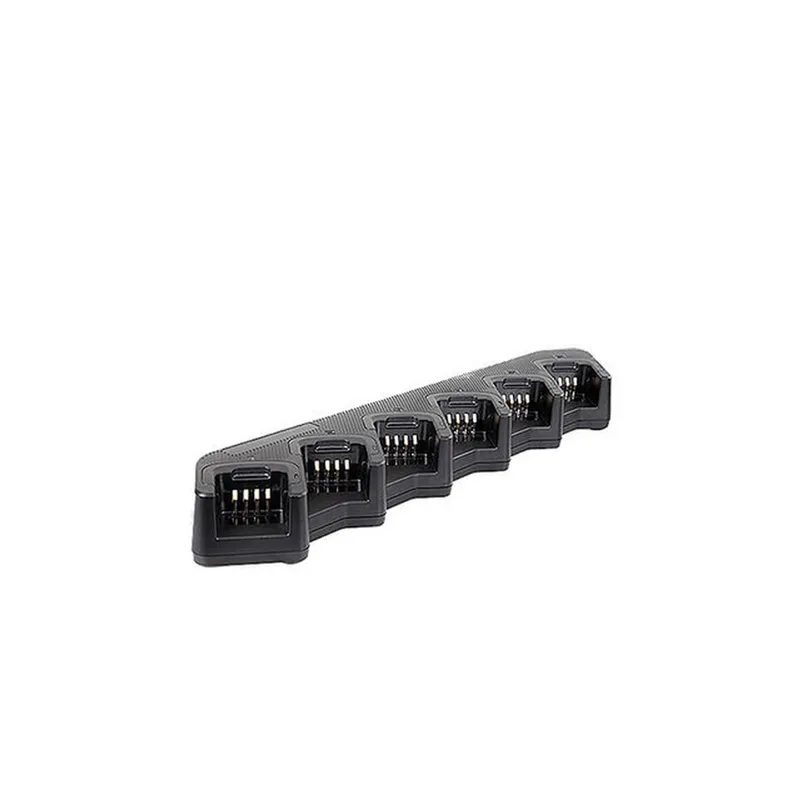
Hytera MCA08 Multi-Unit Charger
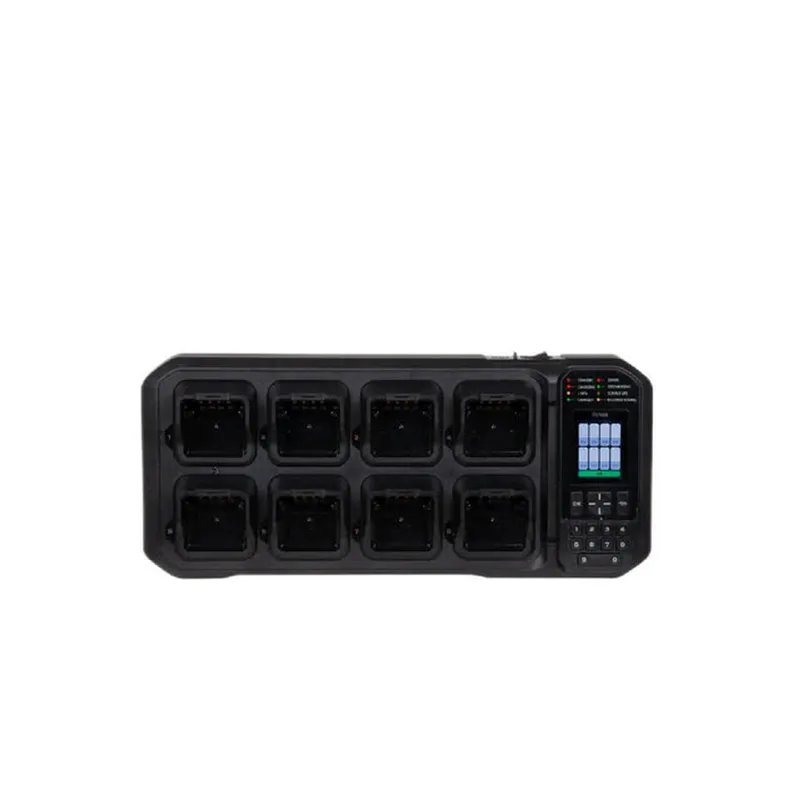
Hytera MCA26 Smart Battery Optimisation System
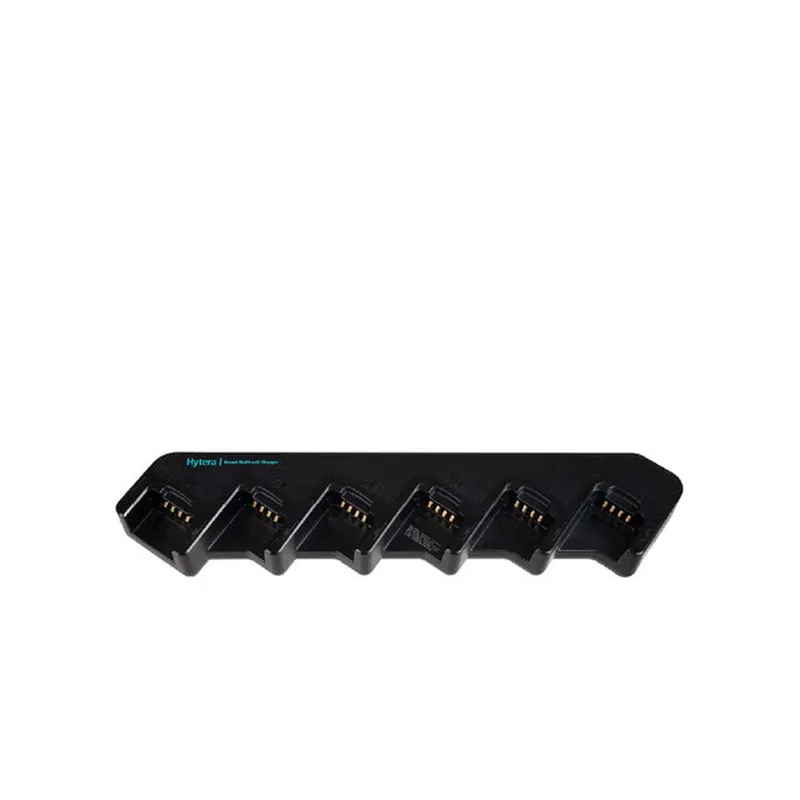
Hytera MCL39 Smart Multi-Unit Li-Ion Battery Charger
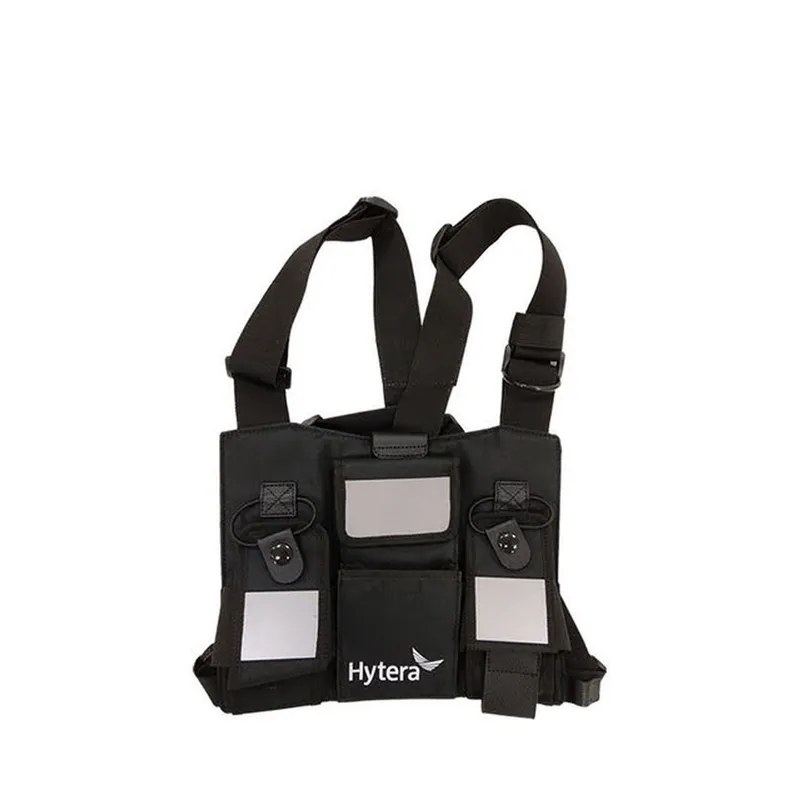
Hytera NCN019 Chest Harness
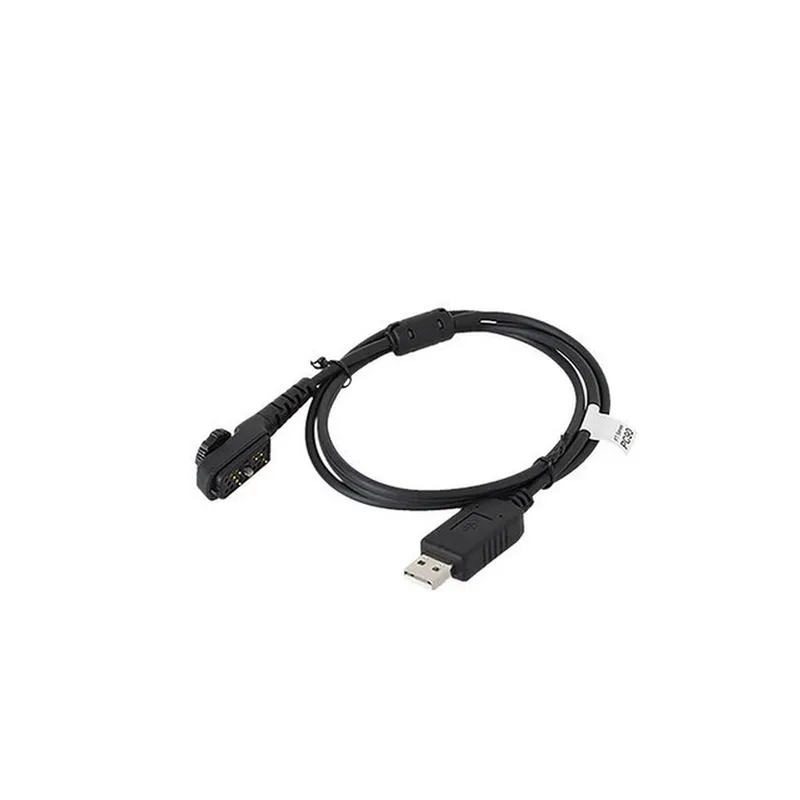
Hytera PC90 Programming Cable, USB to 16-Pin
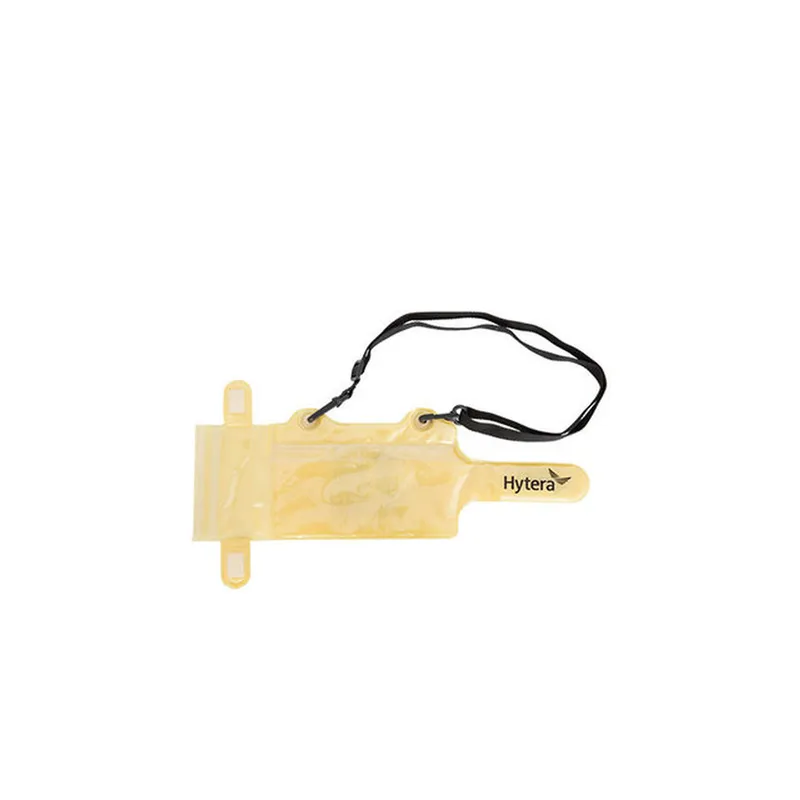
Hytera PCN006 Waterproof Case
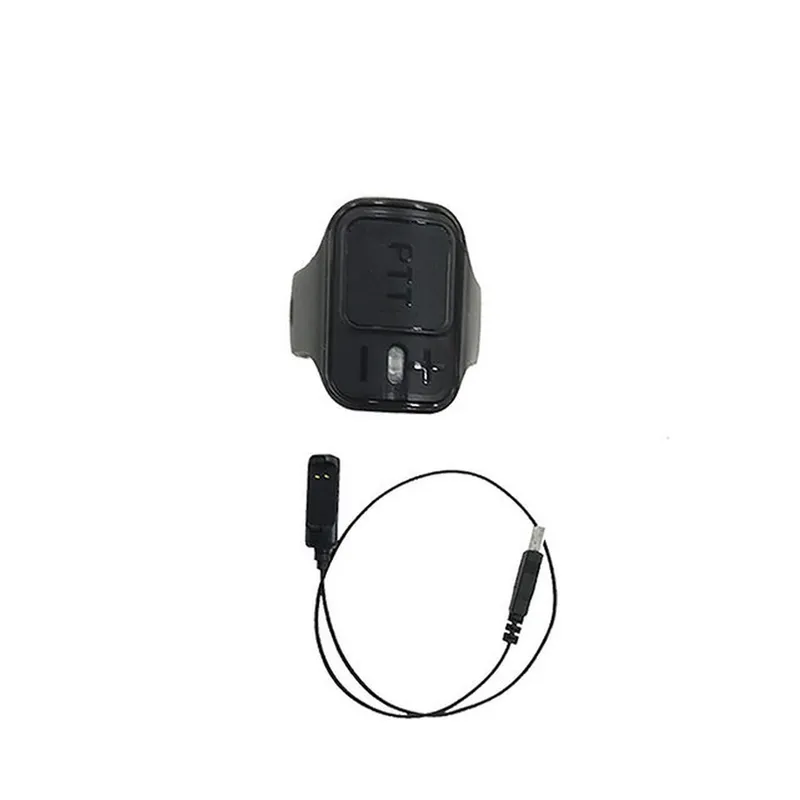
Hytera POA121 Finger PTT Button
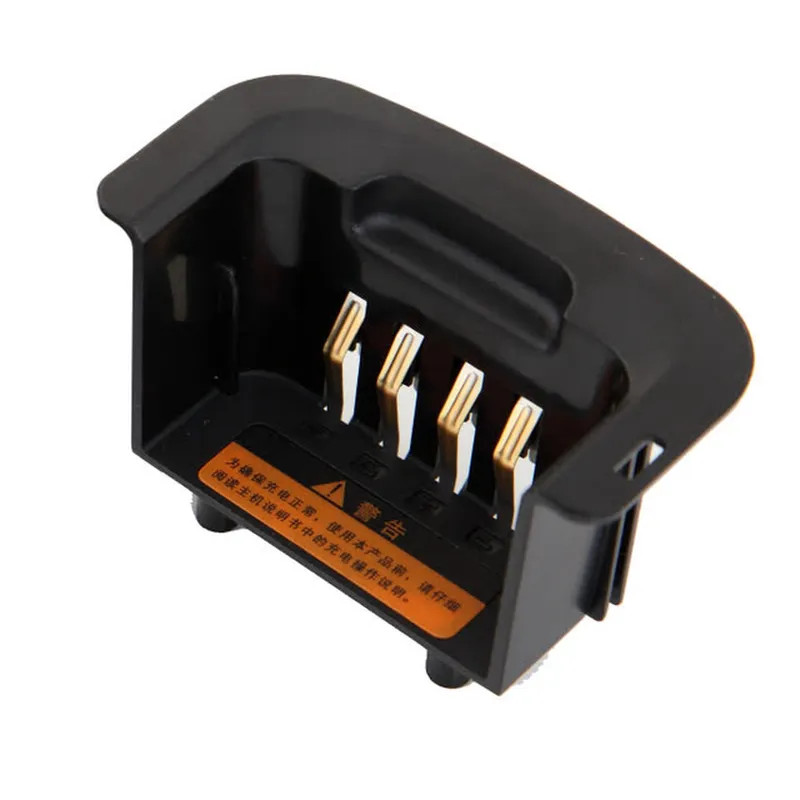
Hytera POA59 Multi-Unit Charging Rack
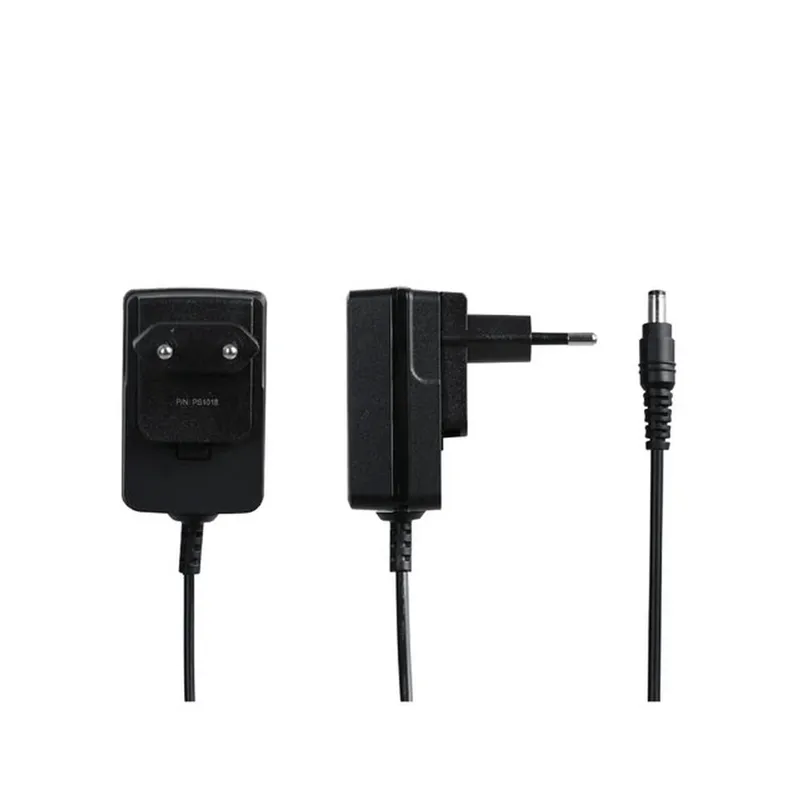
Hytera PS1018 Switching Power Adapter
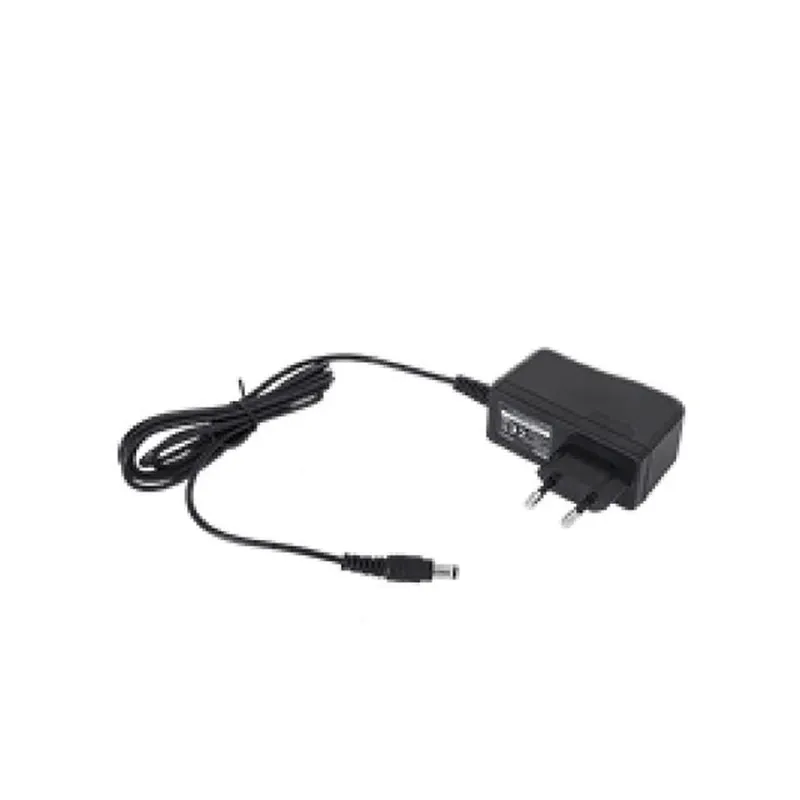
Hytera PS2004 Switching Power Adapter
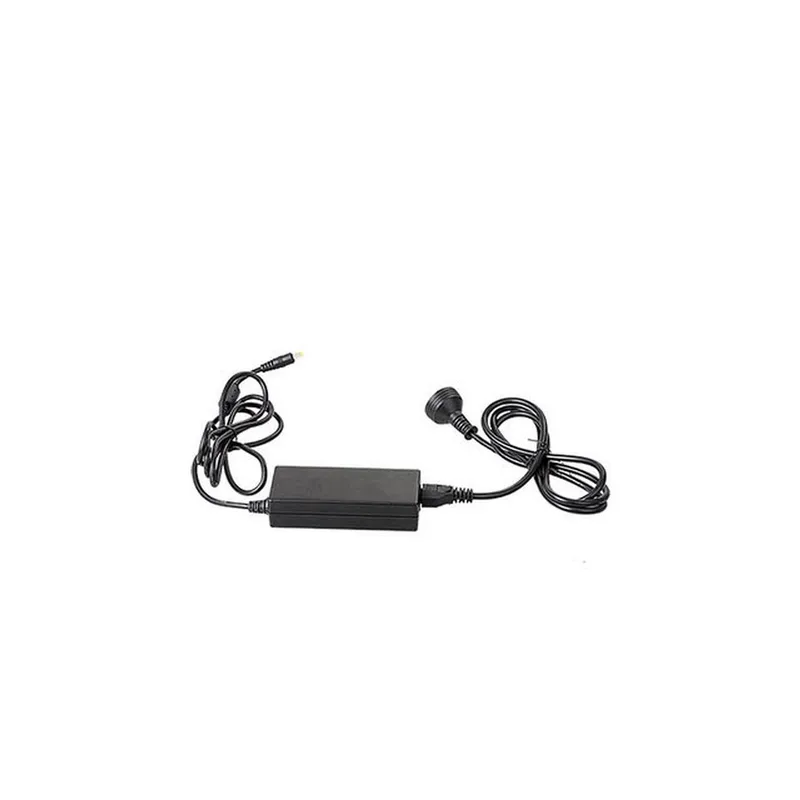
Hytera PS7501 Desktop Switching Power Supply
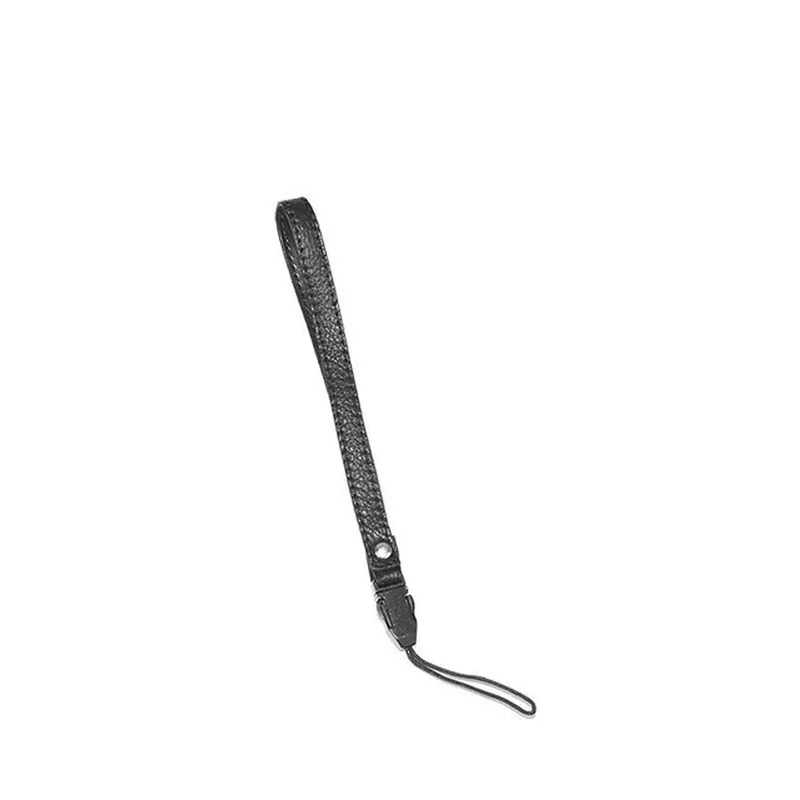
Hytera RO04 Leather Strap
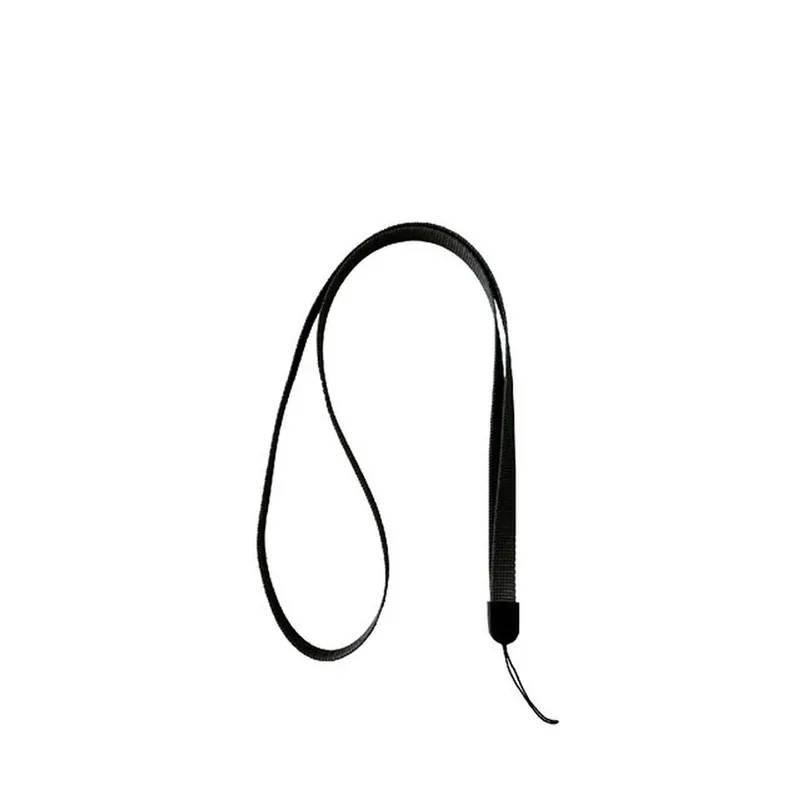
Hytera RO3 Nylon Strap
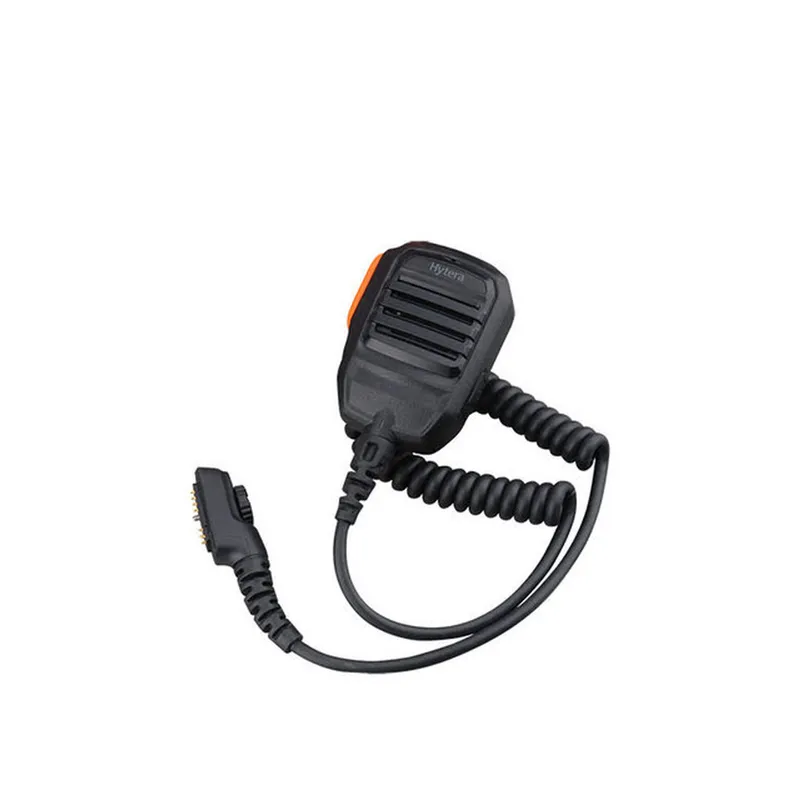
Hytera SM18N3 IP57 Remote Speaker Microphone
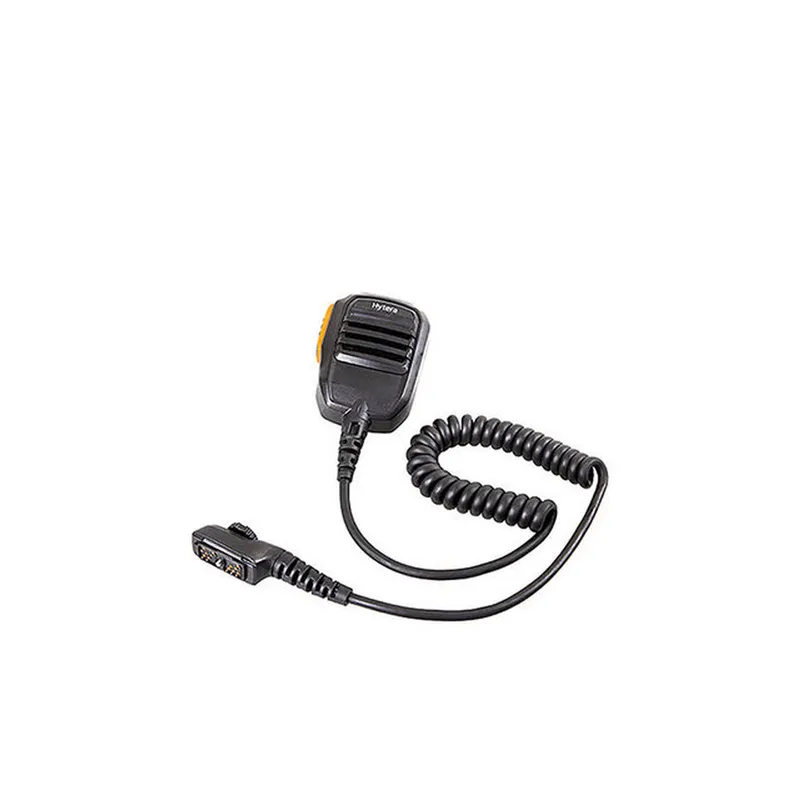
Hytera SM18N5 IP67 Remote Speaker Microphone
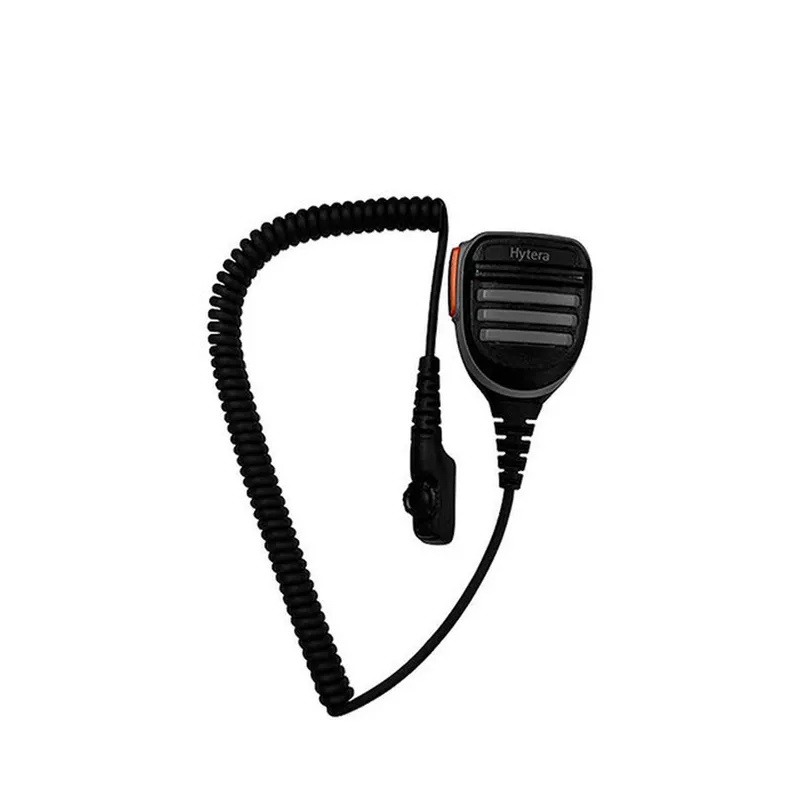
Hytera SM26N3 IP67 Remote Speaker Microphone
The Hytera PT580H operates across 380-430 MHz; 405-475 MHz; 806-870 MHz. Several band versions exist; which one to buy follows from the frequency assigned to your organisation. UHF passes between walls and obstructions more readily, which is why it is preferred inside buildings, industrial plants and dense urban areas. The 700/800 MHz band is used for public safety and specially assigned systems.
RF output power is 1 W. More power is not automatically better: it extends range and shortens battery life at the same time. Teams working close to a repeater are usually served by the low setting, which also lengthens the shift.
Battery 2400 mAh Ex Li-ion, with a manufacturer-quoted life of > 24 hours (TMO 5/5/90 duty cycle). That figure is measured against the 5/5/90 duty cycle: 5% of the time transmitting, 5% receiving, 90% standby. High power, analogue mode and cold weather all shorten it.
Operating temperature range is −30°C to +55°C (hazardous area); −30°C to +60°C (non-hazardous area). A separate and narrower range is stated for the hazardous area; the certification is valid only within it.
Which zone and gas group a device may be used in is read from the markings on its case; the classification of the area itself comes from the facility’s explosion protection document. The two must match.
We deliver not only what you need, but more than you expect .