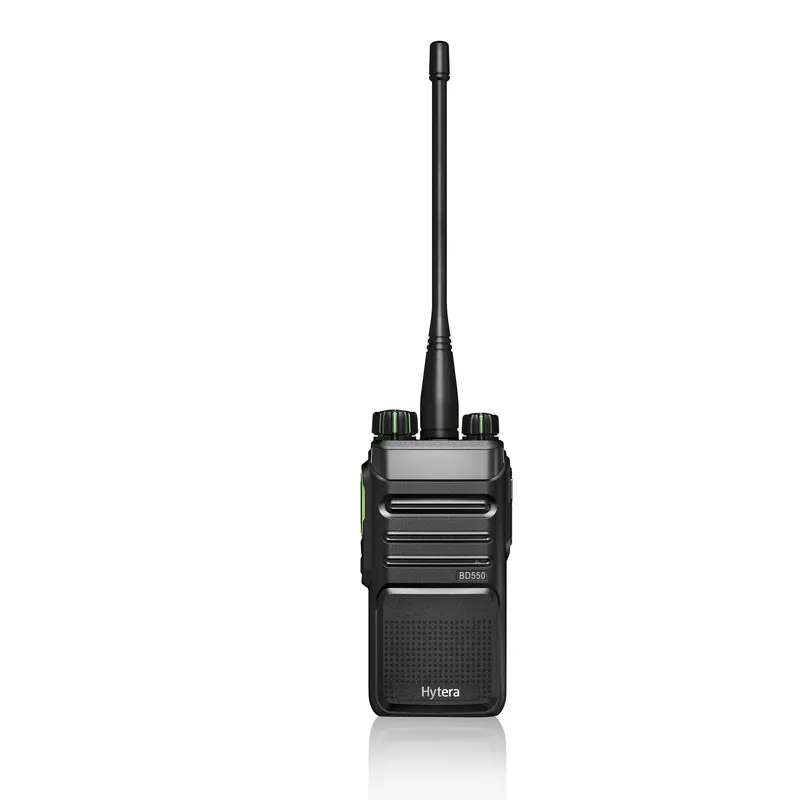
Hytera BD555 Professional DMR Handportable Radio



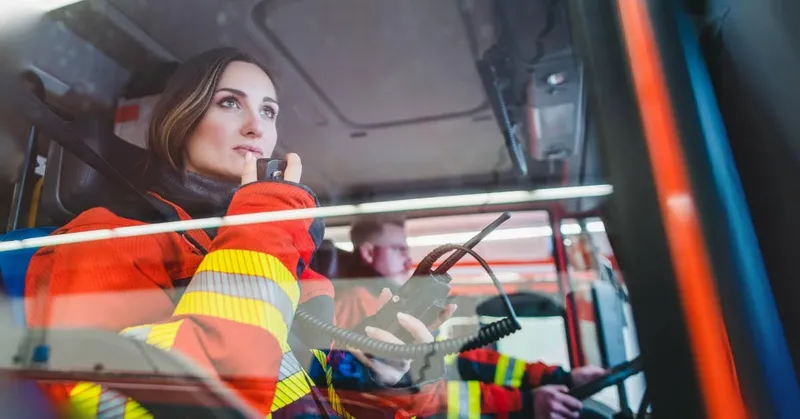
TechnoRF integrated new-generation Hytera BD555 digital handsets into the campus communication network of Ondokuz Mayıs University, to strengthen the disaster and emergency readiness of its civil defence directorate. Supply and installation were delivered turnkey, with coverage analysis, frequency planning and user training aimed at continuous operation across the campus. The BD555's audio quality, robust housing and long battery life support faster coordination for civil defence teams in earthquake, fire, evacuation and mass-event scenarios. Bringing the security and health units onto a single institutional network made incident management on campus more controlled.
A university civil defence directorate plans for events the campus does not experience often: an earthquake, a fire in a laboratory building, an evacuation, a large gathering that turns into a crowd management problem. Its communication requirement is therefore different from routine campus security. It must work when the campus is at its busiest and when parts of the infrastructure are unavailable, it must reach teams who are not normally on the same channel, and it must be usable by staff who exercise it rather than use it daily.
Campus coverage is deceptive. Open areas between buildings measure well and lead to optimistic conclusions; the failures are inside faculty buildings, in basements and laboratories, in car parks, and along the routes between blocks. A survey that follows the paths teams would actually take during an evacuation produces a different — and correct — picture. That analysis is what determines whether the network needs repeater infrastructure or whether handset-to-handset working is sufficient in each area.
A campus of this size carries multiple user groups and sits in a wider radio environment it does not control. Channel allocation has to separate the groups that must not interfere, allow the groups that must work together to do so, and stay clear of the local noise and adjacent users. This is settled before equipment arrives, because a plan retrofitted onto a delivered fleet means reprogramming every device and, frequently, discovering that the licensed allocation does not support what was assumed.
The value of a common network is realised during the incidents where the two must act together — a medical emergency that also requires access control, or an evacuation where casualties are found. Separate systems mean coordination happens by telephone between two control points, which adds a step precisely when there is no time for it. A shared network with defined talkgroups keeps the routine traffic separate while making the joint path immediate when it is needed.
Equipment supply is the smallest part. Antenna requirements, talkgroup structure, user numbers and growth, emergency call arrangements, battery endurance across an exercise or a real event, charging infrastructure, training for a population that turns over, and a maintenance route with a defined response time all have to be planned together. TechnoRF provides scalable systems, engineering, installation, training and sustained support for universities in Turkey.
We deliver not only what you need, but more than you expect .