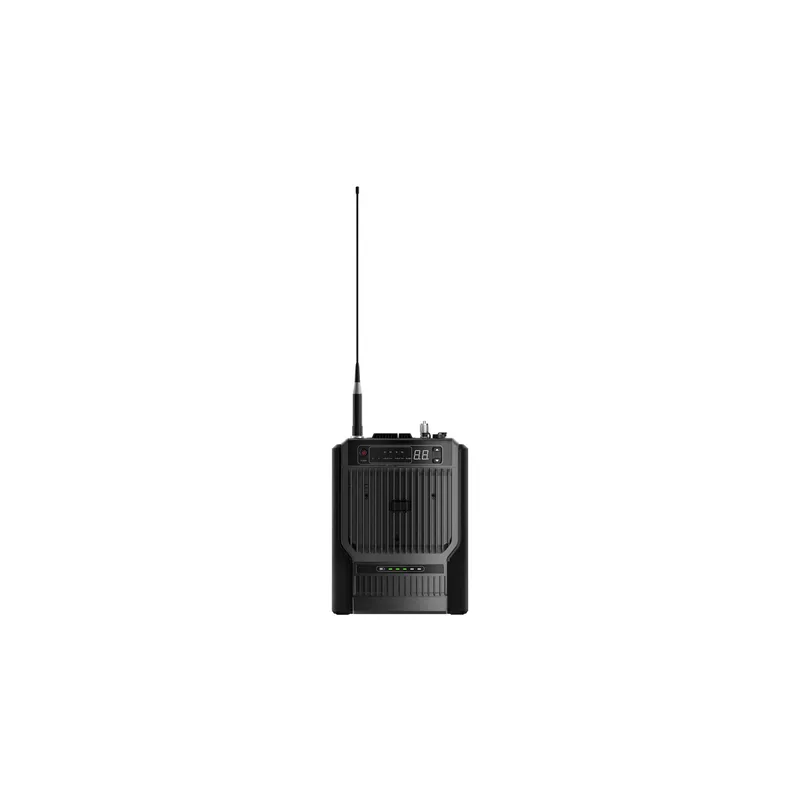
Hytera HR659 Compact DMR Repeater


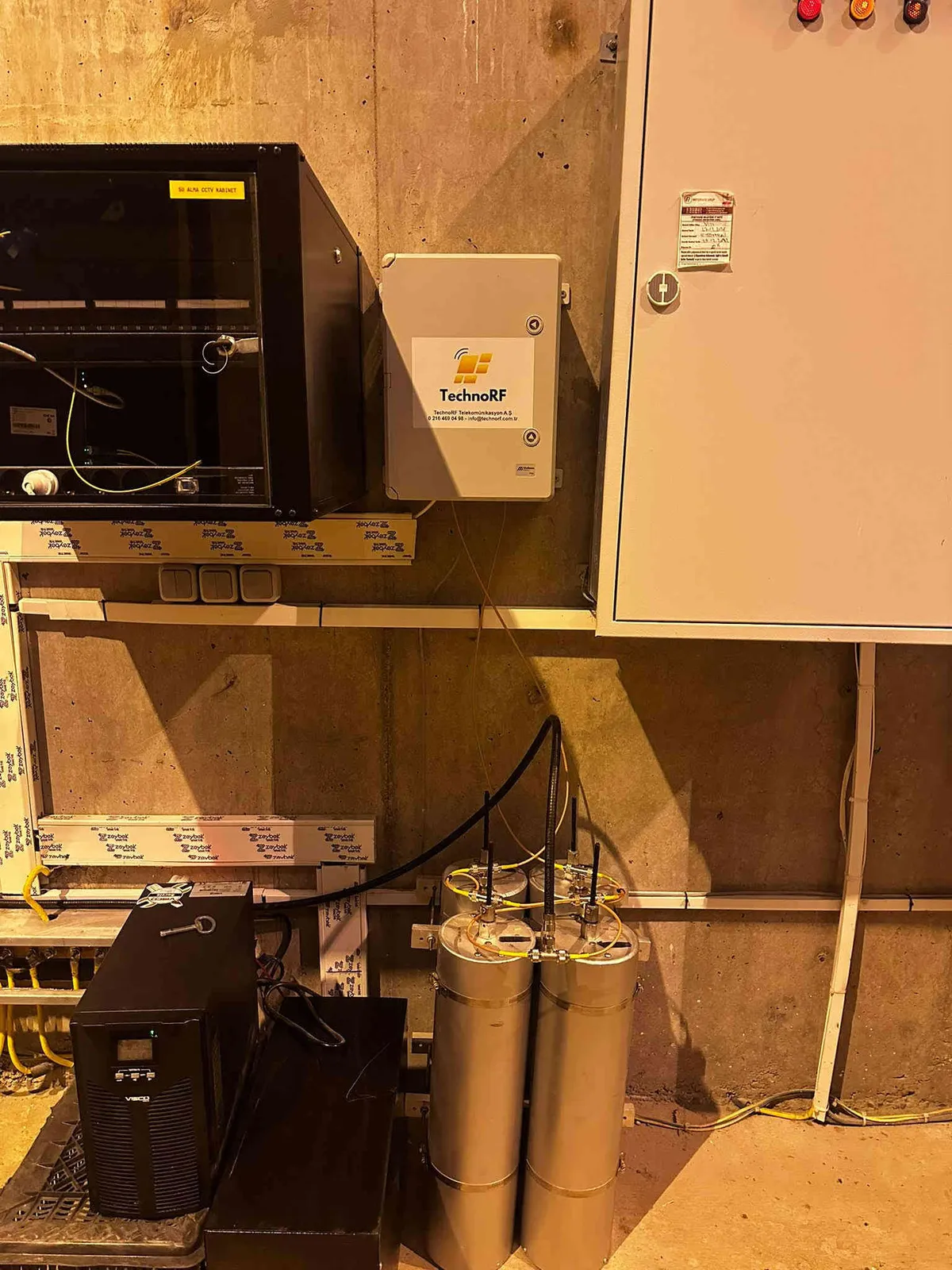
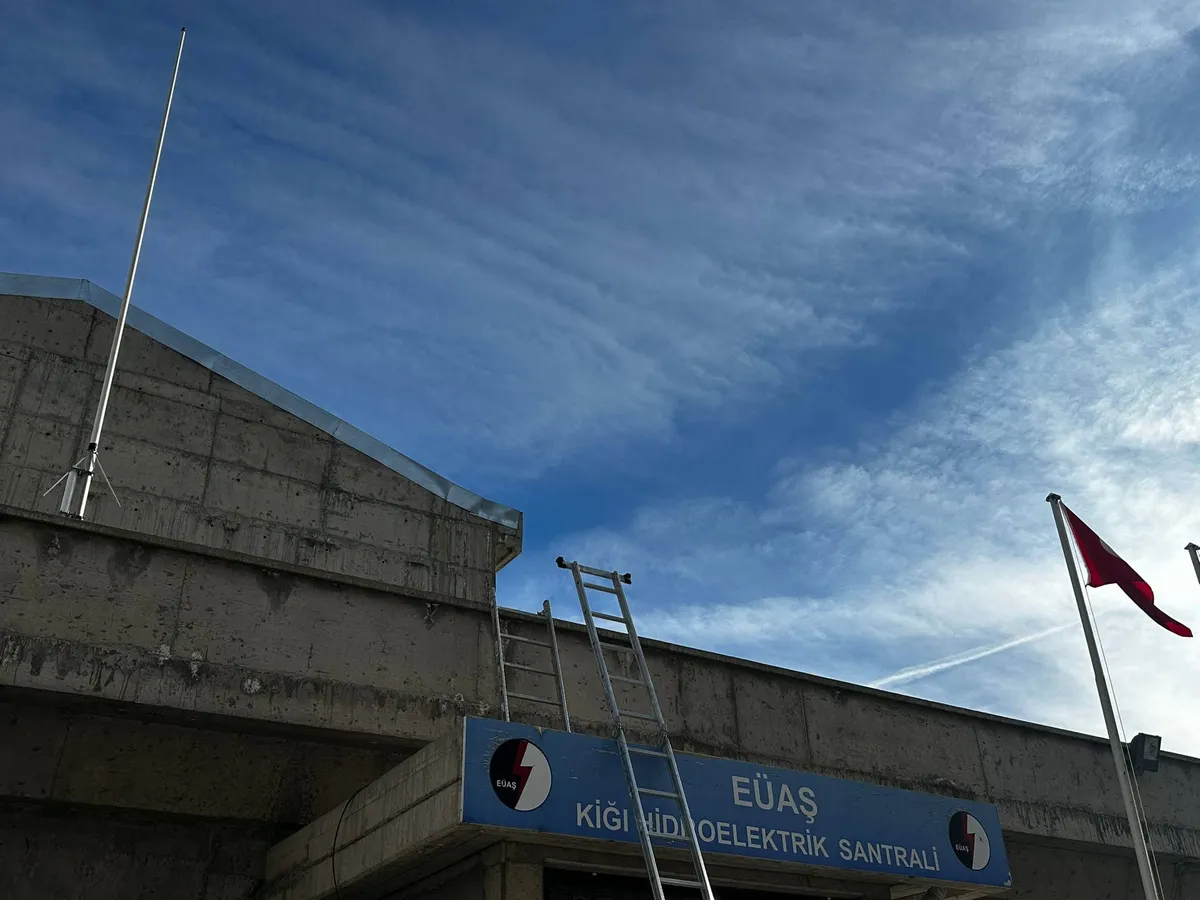
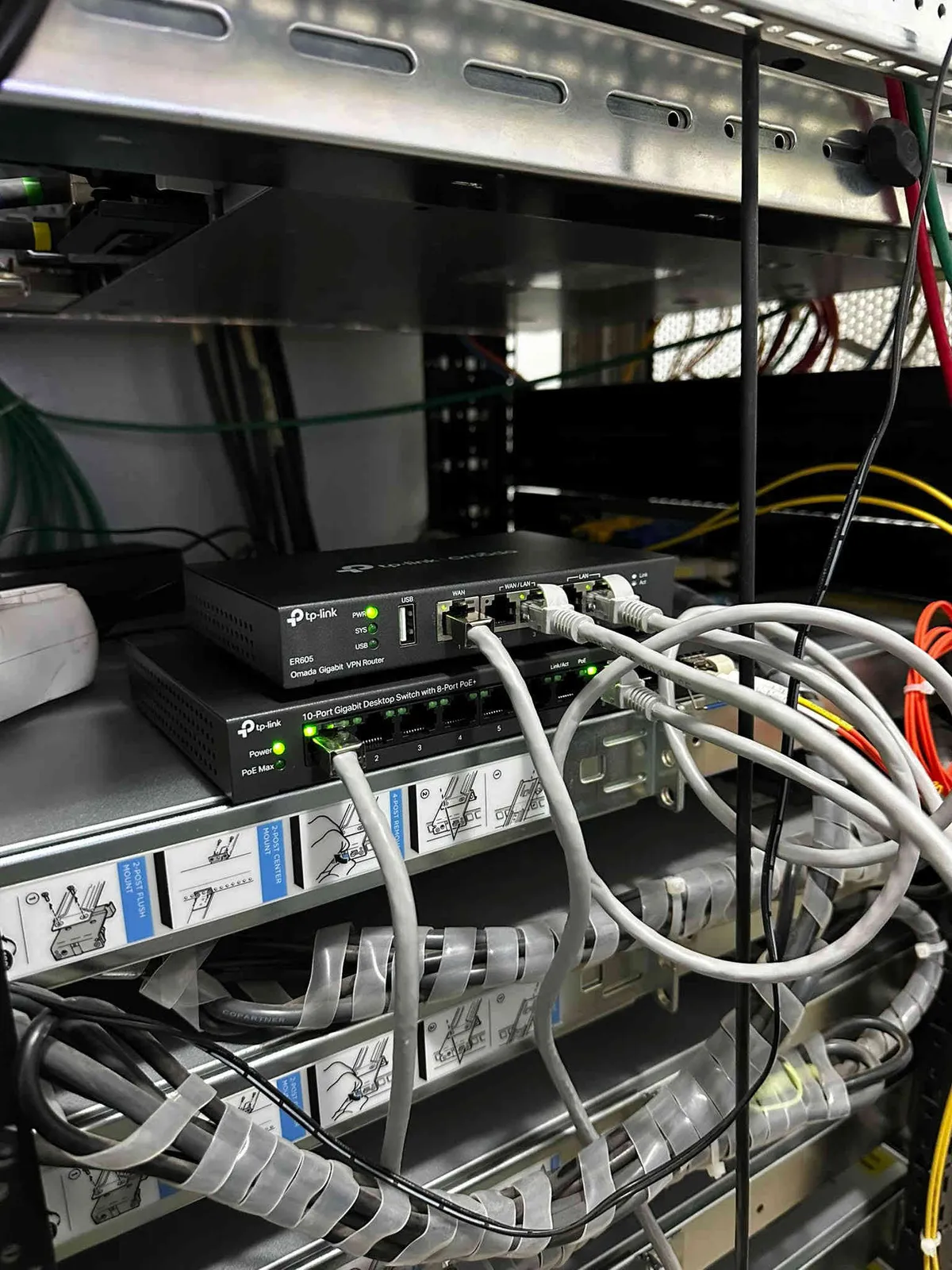
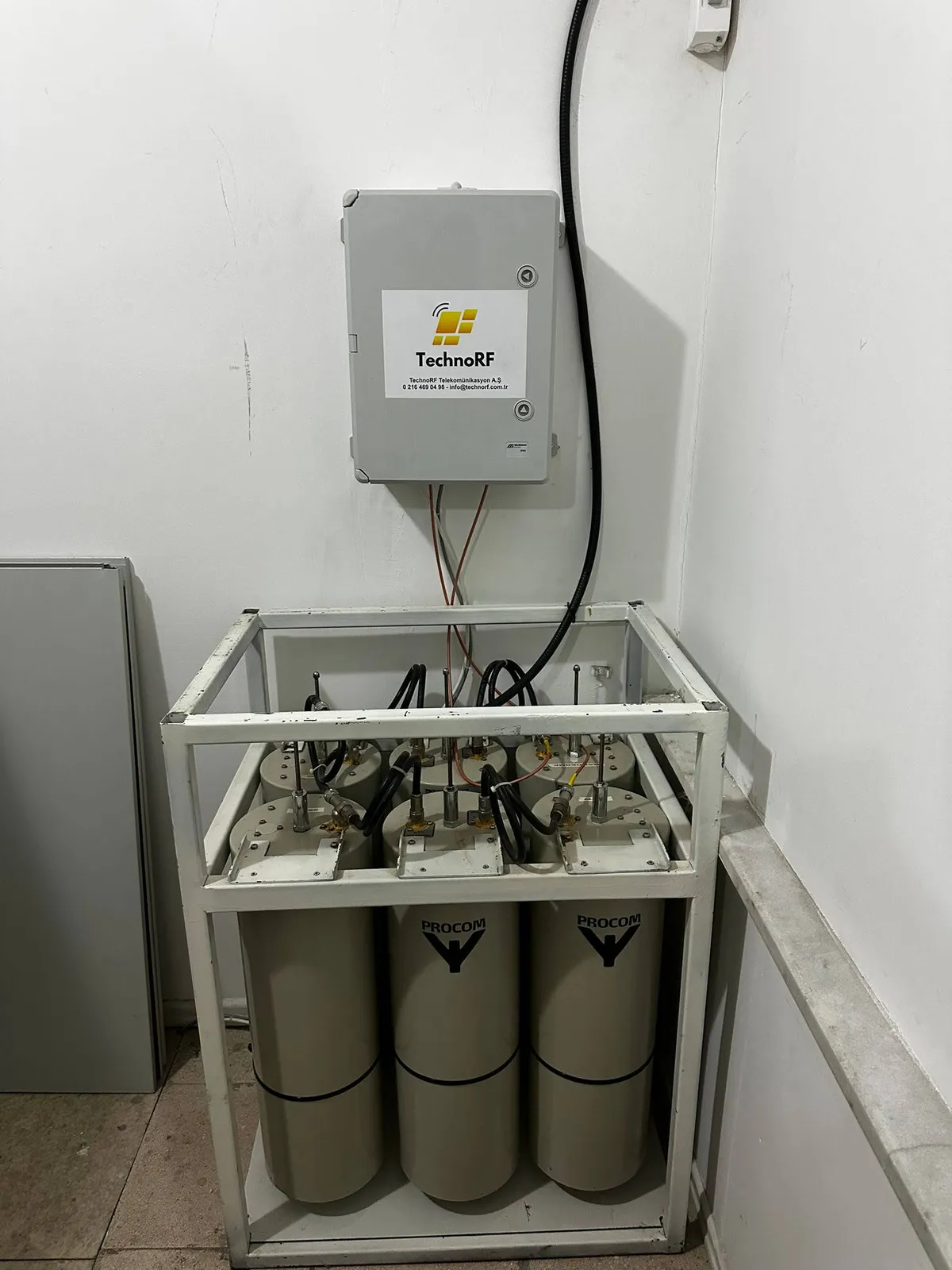
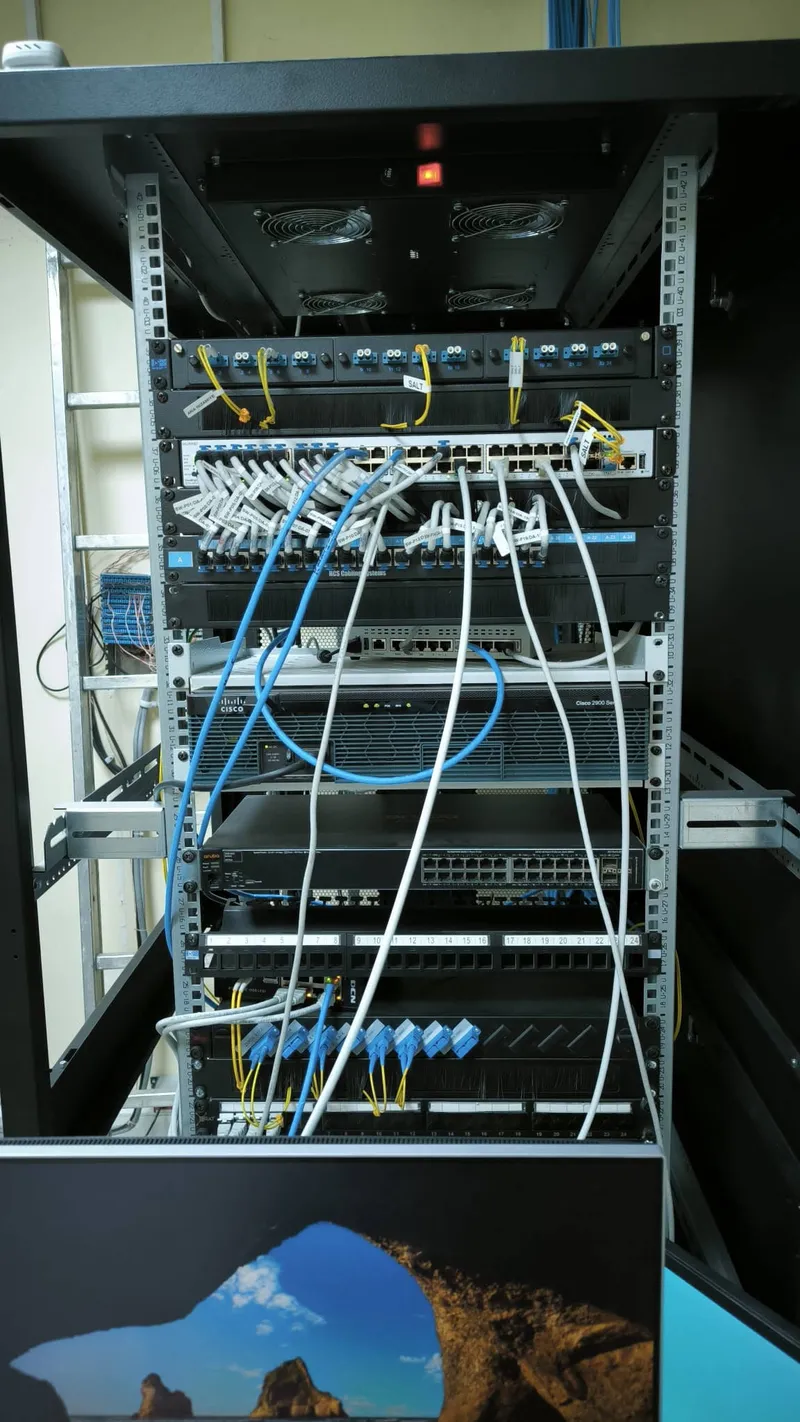
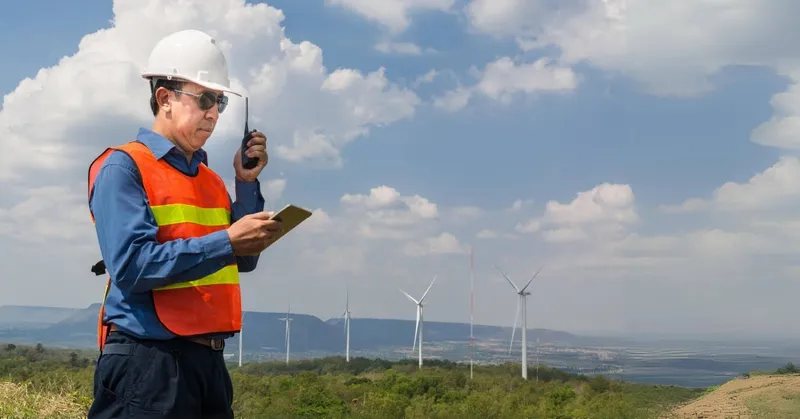
TechnoRF carried out a modernisation project at the Kiğı hydroelectric power plant operated by EÜAŞ, Turkey's state electricity generation company, to renew the radio infrastructure, increase its capacity and strengthen operational continuity. Two Hytera HR659 digital repeaters were installed, and the handsets already in service were kept working throughout: existing devices were integrated into the new repeater infrastructure without a communication outage during the transition. Engineering and optimisation produced continuous coverage along the full length of the dam body and clear contact in enclosed areas of the operations building down to level -4. The link between the dam body and the operations building was strengthened with fibre optic, giving a high-speed, low-latency backbone immune to electromagnetic interference. Separate channels were defined for security and operations teams, and the repeater estate was brought to a state where it can be monitored remotely around the clock with automatic alerts and weekly and monthly reporting.
A generating plant does not have a window in which radio can be unavailable. The migration was therefore designed so that the existing handsets continued to work against the new repeaters throughout, rather than as a cut-over with a period of no coverage. This constrains the design — the new infrastructure has to accommodate what is already deployed rather than assuming a fleet replacement — but it is the only approach compatible with a site that runs continuously.
A dam is a difficult radio geometry: a long, narrow structure of massive reinforced concrete, with galleries inside it, steep terrain on both sides and an operations building whose lower levels are below the water line. Nothing about it resembles the open-area coverage model. Achieving continuous contact along the crest, inside the galleries and down to level -4 in the operations building required the repeater placement and antenna arrangement to be designed against the structure rather than against a map.
The two ends of this system sit in one of the most electrically hostile environments there is: a generating hall with high-current plant, switchgear and the associated fields. A copper link between them carries induced noise and, more seriously, becomes a path for potential differences between two separately earthed structures. Fibre eliminates both. It also removes bandwidth as a constraint, which is what allows the repeater estate to be monitored and reported on continuously rather than sampled.
Generation operations and site security have almost no overlapping traffic and very different urgency profiles. Sharing one channel means routine security movements compete with operational instructions, and the operational traffic — which may be safety-critical — waits. Defining separate channels keeps each group's channel meaningful and makes the traffic that must be heard audible.
Continuous remote monitoring changes what maintenance means on a site like this. Automatic alerts mean a degrading repeater is known about before it produces a coverage complaint, and weekly and monthly reports give the operator a record rather than an impression. For a state generating asset that record is also what supports the maintenance case at budget time.
We deliver not only what you need, but more than you expect .