Hytera Dispatch System for Conventional DMR


XPT distributes trunking across repeaters without a central controller. That makes the system simpler to run and, at the same time, harder to see — which is what a dispatch position fixes.
Wired and wireless access, and interfaces over API, ISSI, CSSI, XPT and SIP reaching TETRA, DMR, MPT, PSTN, PABX and UHF systems. In practice that means an operator running an XPT site can also reach the telephone system and a neighbouring radio network from the same screen.
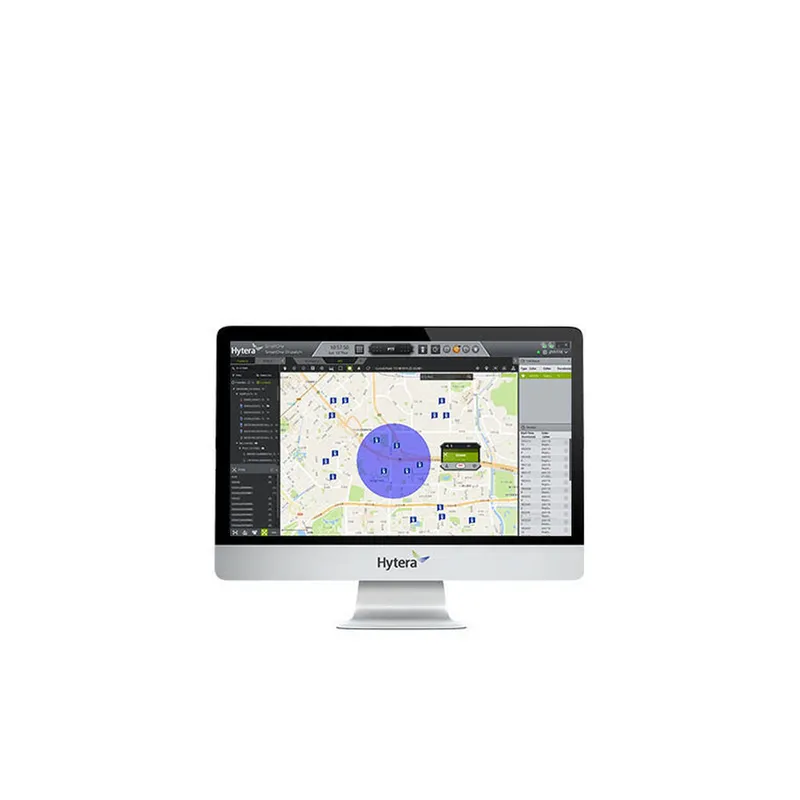
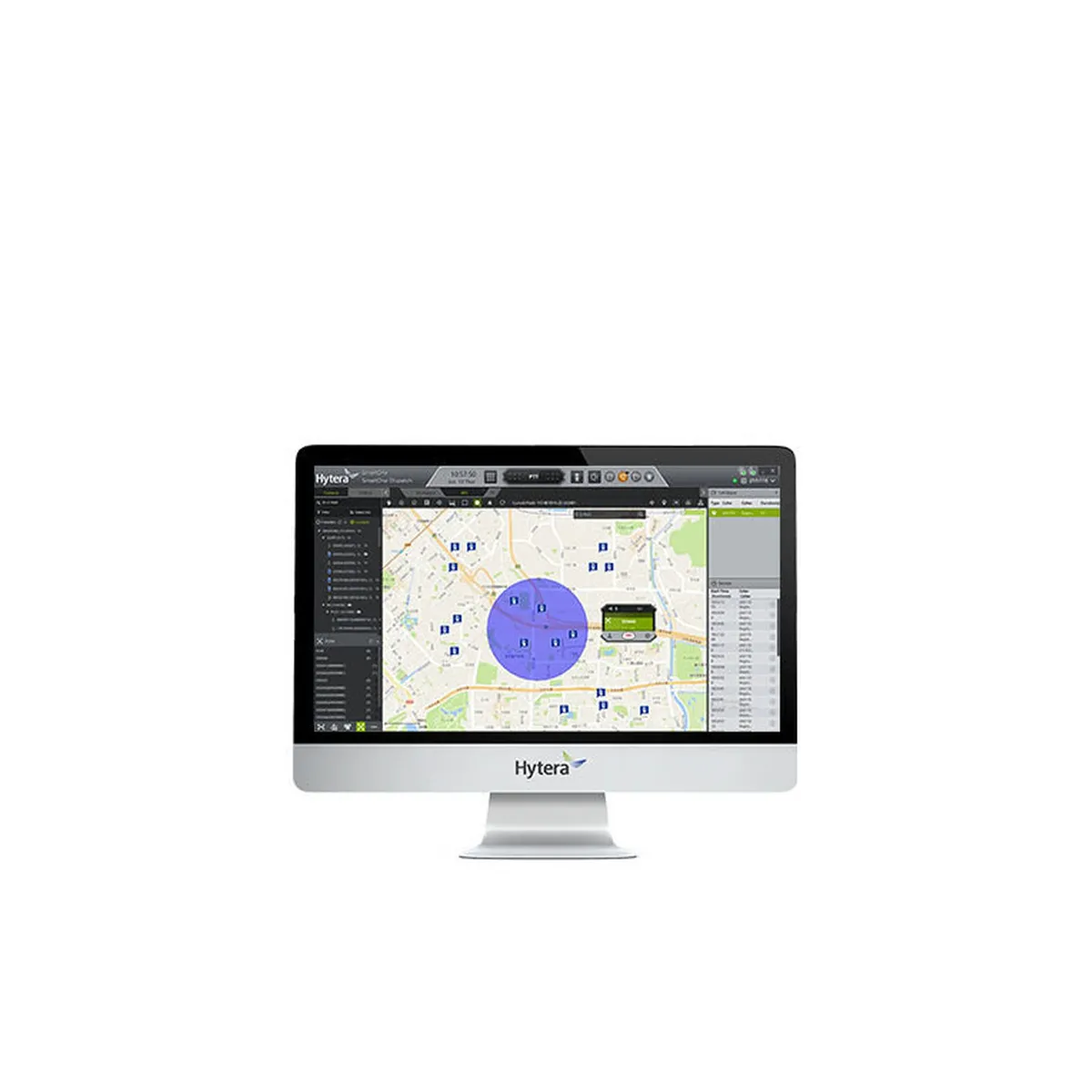
Individual, group, cross-patch, announcement, priority and emergency calls; conference and concurrent calls; interrupt, override, transfer and call alert; discreet and ambience monitoring; status and text messaging. Radio positions come from periodic GPS polling and appear on a map, with calling and messaging available directly from it.
Multiple workspaces keep separate operations on separate screens, and function and access rights are controlled by licence rather than by convention.
Hot standby: the standby server takes over immediately when the active one fails. For a site whose whole coordination runs through one position, this is the specification that matters most. See XPT trunking for the underlying architecture.
We deliver not only what you need, but more than you expect .