Specifications

System Performance (MSO)

Network Capacity (carriers)
4096
Subscriber Capacity (per MSO)
100.000
Max. Memberships
5.000.000
LDS Capacity
50.000
NMC Capacity
64
PSTN/PABX Interconnect (paths per gateway)
120 (4×E1) / 60 (2×E1) / 30 (1×E1)
Group Call Setup Time
< 300 ms (within a single MSO)
Max. Interconnected MSOs
512
MTU Capacity
138 MTU
SIP Interconnect Interface
Supported

DMR Trunking Lite MSO (Centralised)

Max. Base Station Capacity
50
Network Capacity (carriers)
200
Subscriber Capacity (per MSO)
10.000
LDS Capacity
20
NMC Capacity
20
PSTN/PABX Interconnect (paths per gateway)
120 (4×E1) / 60 (2×E1) / 30 (1×E1)
Group Call Setup Time
<300 ms
SIP Interconnect Interface
Supported

DMR Trunking Lite MSO (Distributed)

Max. Base Station Capacity
5
Network Capacity (carriers)
20
Subscriber Capacity (per MSO)
1.000
LDS Capacity
5
NMC Capacity
5
PSTN/PABX Interconnect (paths per gateway)
30 (1×E1)
Group Call Setup Time
<300 ms
SIP Interconnect Interface
Supported

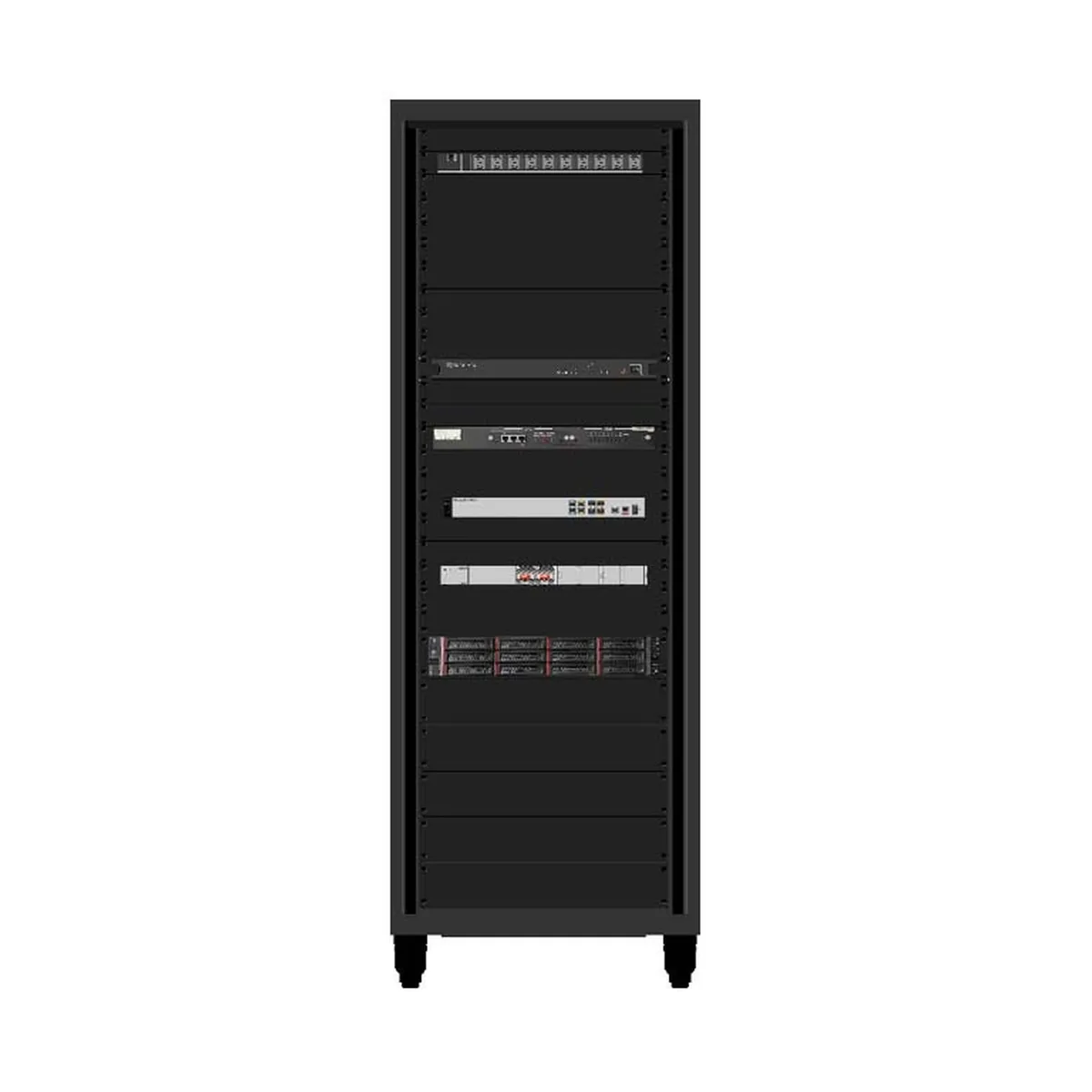
Hytera DMR Trunking MSO Mobile Switching Office — Detail

In a DMR Tier III network the MSO is the part that makes it a network rather than a set of repeaters. Everything about how calls are allocated, who may make them and what happens when a site is lost is decided here.

What it contains

Logically the MSO comprises a central control unit, a softswitch, a database, network management, a dispatch unit, an MTU and gateways. Physically these can be consolidated or distributed depending on the scale of the network.

What it does

  • Switching between base stations and between systems
  • Subscriber and group management, including dynamic regrouping
  • Registration, handover and roaming as radios move across sites
  • Control channel reselection when a site's control channel is lost
  • Call types — individual, group, emergency, notification, broadcast and all-call
  • Data services — short and long text, GPS pull-up, status messaging, emergency alarm
  • Priority and rights management, which is what makes emergency pre-emption possible

Redundancy

Local and geographic redundancy, with immediate takeover on failure of the primary equipment. Geographic redundancy means the second copy is not in the same building — which is the only version of redundancy that survives the events it exists for.

Integration

SIP interconnection, PSTN and PABX gateways, and interfaces for secondary development. Network, alarm and maintenance management run through the NMC. See DMR Tier III trunking.

We deliver not only what you need, but more than you expect .