Support Services


A radio system is coverage design, frequency assignment, configuration, training and support, with devices attached. Purchases that treat the device as the product deliver hardware that works and communication that does not, and the missing components get bought later at full price.
The purchase order says "120 radios". The delivery matches it. Three weeks later the security team cannot hear each other in the basement, the night shift is on the wrong channel, and nobody knows how to change either.
Nothing was mis-delivered. The order described the visible part of a system and omitted the rest.
Coverage design. Where the signal reaches and where it does not, established by link budget and measurement rather than by hope. This decides how many repeaters, where their antennas go, and which areas need distribution.
Frequency assignment. The licence that makes lawful operation possible, coordinated with the regulator, on a timeline that is usually longer than the equipment lead time.
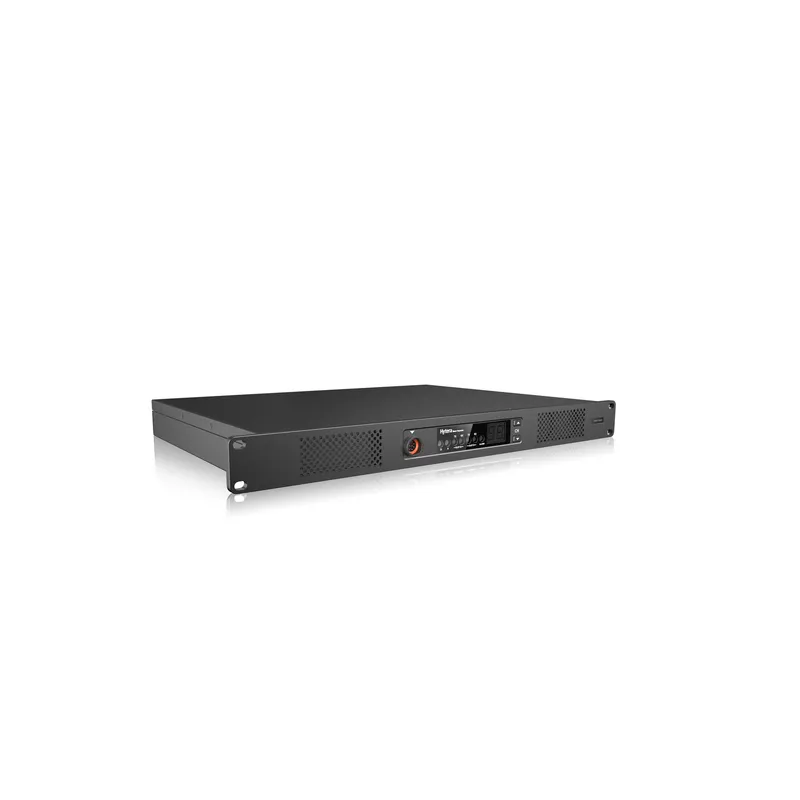
Infrastructure. Repeaters, antennas, feeder, mounting, lightning protection, power and backup, and the links between sites.
Configuration. The channel plan: which talkgroups exist, who has which, how they are named, what the emergency button does, what users may change.
Training. Because a professional radio used like a telephone produces a channel nobody can work on.
Service. Repairs, spares, batteries, and reprogramming when the organisation changes — which it will.
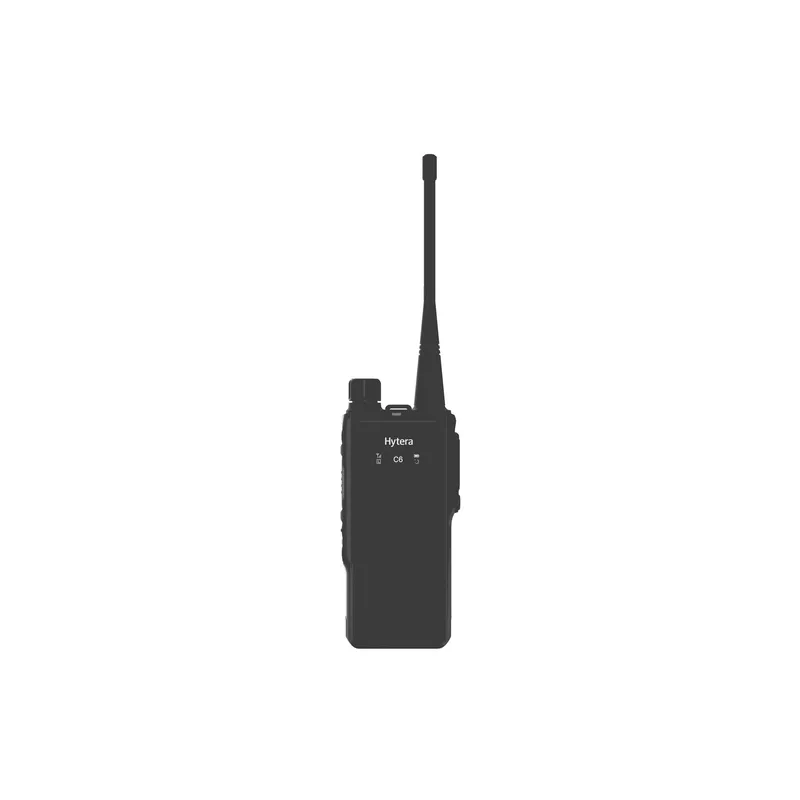
Devices. Necessary, visible, and the smallest decision in the list.
The failures are predictable and they arrive in a sequence.
Week one: coverage. Nobody surveyed, so the basement, the far warehouse and the lift lobby were never in scope. Fixing this after installation means a second repeater, a second licence application and a fleet reprogramming.
Week two: the channel plan. All 120 radios are on one talkgroup because that was the default. Traffic is unusable, people stop listening, and the system's credibility is spent in a fortnight.
Month two: the licence. Someone asks who applied for the frequency. Nobody did.
Month three: batteries and accessories. The standard battery does not cover a twelve-hour shift and the loudspeaker cannot be heard on the production floor.
Month six: the first failure. A radio breaks. There is no spare, no service agreement and no repair route, and a user is without communication for three weeks.
Each of these is bought eventually, at full price, under pressure, with the operation already affected.
The others can be added late at a cost. Coverage is different in kind, because the decisions it drives — how many transmitting positions, where they sit, what cable serves them, what power backs them — are physical installations.
A survey costs a small percentage of an installation. Adding a second repeater with its own licence, antenna, feeder and power after the fact costs a large percentage. And the discovery always happens in operation, which means it happens with an audience.
A channel plan is a description of how the organisation works, expressed in radio settings. It cannot be written by someone who was not told how the teams operate.
Security, technical, housekeeping and reception each need their own group. Supervisors need a wider view. Everyone needs a way to be reached. The emergency button needs a defined recipient and an acknowledgement path. Users need channels named in their own vocabulary.
None of that is hardware. All of it decides whether the system is used correctly, and it is what a channel plan document exists to capture.
A radio system is a decade-long relationship. Over that period: batteries are replaced two or three times, devices are dropped and repaired, the organisation reorganises and the fleet is reprogrammed, firmware is updated, infrastructure needs checking, and people leave and new ones need training.
A supplier who is present for those years is worth more than a discount on the first invoice, and the difference is measurable in downtime.
Ask a supplier a small number of questions and listen to which ones they engage with:
A supplier scoping a system has answers. A supplier selling devices moves the conversation back to unit price.
Even a small purchase can carry the right scope in a few lines: a site survey with a written coverage report; a coverage acceptance criterion; licensing responsibility with a date; a channel plan agreed before delivery, with the master codeplug handed over; user and supervisor training with printed materials; a warranty with stated response times; batteries and accessories itemised; and a named point of contact for changes.
That order costs more than the device-only version and delivers a working system on handover day. The device-only version costs less and delivers the same system eventually, in pieces, at higher total cost, with the operation absorbing the gap in between.
A coverage design that says where the signal will and will not reach, a frequency assignment that makes the system legal, a channel plan that matches how teams work, training so people use it correctly, and a service route so a fault is measured in hours. Devices without those are inventory.
Higher on the invoice and usually lower over the term. The alternative is not cheaper work, it is the same work done later by internal staff or by a second supplier, after a coverage failure has already been discovered in operation. The saving is nominal and the cost is real.
They can run the parts that resemble IT — inventory, device management, user administration. RF design is a different discipline: link budgets, antenna siting, feeder loss, duplexer tuning and interference are not network engineering. Most organisations split it, keeping administration in-house and buying the RF work.
By what they ask before quoting. A supplier who asks for headcount and issues a price is selling boxes. One who asks where the teams work, what the buildings are made of, what happens in an incident and who reprograms after a reorganisation is scoping a system.
The Hytera product range, TechnoRF engineering, installation, maintenance, technical service and business continuity planning — brought together into a system designed for how your operation actually works.
We deliver not only what you need, but more than you expect .