DMR Tier III Trunking


A radio system built to today's headcount reaches a ceiling that cannot be raised incrementally. The decisions that determine whether growth is an extension or a replacement are made at the start: frequency provision, repeater architecture, IP linking and a programming standard.
A system sized precisely for today works precisely until tomorrow. The problem is not that growth costs money; it is that some growth costs a new system, and which category you are in was decided at the start.
Before designing, establish what change is plausible over five years:
Each expands differently. More users on one site is a capacity problem; more sites is an architecture problem; new functions may be a platform problem.
Channel capacity. One conventional channel carries one conversation. Three teams share it uncomfortably; six cannot. DMR's second timeslot buys one doubling. Beyond that, Tier III trunking assigns channels from a pool per call, so a modest number of channels serves a large user population without queuing.
Coverage. A single repeater covers what it covers. A new building, a new yard or a new floor beyond that boundary needs another transmitting position — and whether that is an addition or a rebuild depends on the next ceiling.
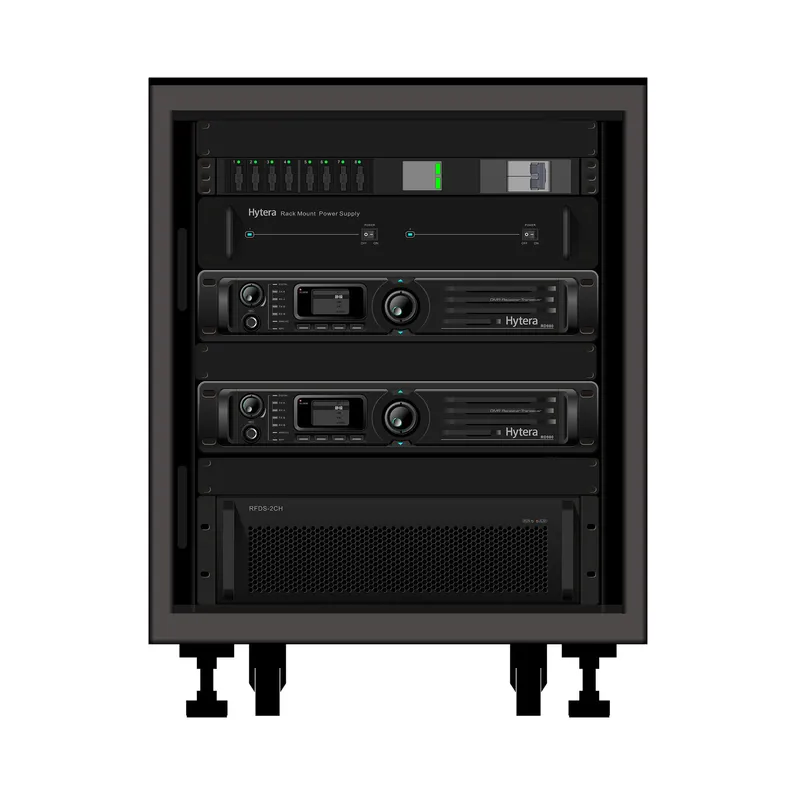
Architecture. A standalone repeater with no IP capability cannot become a multi-site system. Adding one means new equipment, a new licence, and reprogramming every radio. A repeater bought with linking capability accepts a second site as an increment.
Spectrum. More channels need more assignments, and coordination takes time. Digital efficiency defers this ceiling considerably, which is one of its least-discussed advantages.
Choose digital even at small scale. The doubling from two timeslots, the ability to trunk later, and the data functions are the difference between growing and replacing. Analogue at ten users is fine; analogue at ten users with a plan to reach forty is a false economy.
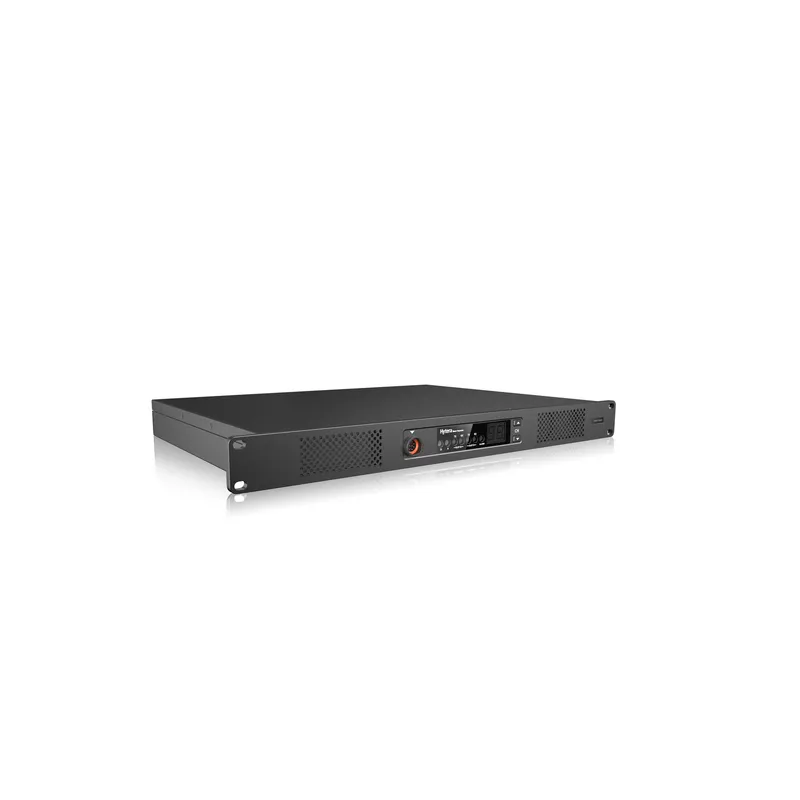
Buy repeaters with IP linking capability, even when there is one site. The premium is modest; the alternative is buying the repeater twice.
Apply for frequency provision with headroom where the process permits, because obtaining a second pair later is slower than obtaining a wider assignment now.
Site antennas for the future footprint, not the current one. Moving a mast is a project; specifying it two floors higher at installation is a line item.
Establish a programming standard from day one — a naming convention, an ID plan with blocks per site, a documented channel plan. Retrofitting structure onto a fleet that grew without it means renumbering every device.
The common growth step, and the one that exposes the original architecture.
IP multi-site connects repeaters over an IP network so they behave as one system: a talkgroup spans both sites, users roam, and the control room sees everything. This is the normal answer for an organisation with several locations, and it depends on network quality — latency, jitter and availability between sites are now radio parameters, which is a point covered further in multi-site architecture.
Independent systems with a gateway is the alternative when the sites genuinely do not need shared talkgroups, and it is cheaper. It becomes wrong the moment somebody wants to call between sites routinely.
Simulcast applies where several transmitters must present one coverage area rather than several. Powerful for large contiguous areas, and unforgiving of timing errors.
For growth that is geographic rather than dense, PoC scales differently from anything else: a new city needs a device and an account, not a site.
Many growing operations end up hybrid for exactly this reason — licensed radio on the sites where reliability is not negotiable, PoC for the dispersed part, and a gateway so a talkgroup spans both. That is a legitimate architecture rather than a compromise, provided the gateway is designed rather than improvised.
Growth is when configuration drift happens, because new devices arrive in batches and get whatever template was current.
The practices that hold: one master codeplug per model, versioned; fleet-wide reprogramming when the plan changes; an ID plan with reserved ranges so a new site does not collide with an existing one; and a written channel plan document that the next person can reason about.
Vague scalability language buys nothing. Concrete requirements do:
The last question is the most revealing. A supplier who can answer it has designed a system. One who cannot has quoted a delivery.
Channel capacity. A single conventional channel that carried three teams comfortably becomes unusable at six, because everyone waits for everyone. DMR's second timeslot buys one doubling; beyond that the answer is trunking, where a pool of channels is assigned per call rather than per team.
It can, if the first was built with linking in mind. A standalone repeater with no IP capability, no spare frequency provision and a codeplug that assumed one site becomes a replacement rather than an extension — which is why the architecture decision matters more at the start than the device choice.
No, and this is where digital pays. Two-slot DMR doubles capacity on the same pair, and trunking raises the number of users a given pool of channels serves by a large factor. Applying for more spectrum is the last resort rather than the first move, which matters where assignments are slow to obtain.
Enough that the architecture does not change — typically headroom for the growth you can foresee plus one step. Buying capacity you will never use is waste; buying an architecture that cannot accept capacity is a second project. The distinction is between provisioning and provisioning for.
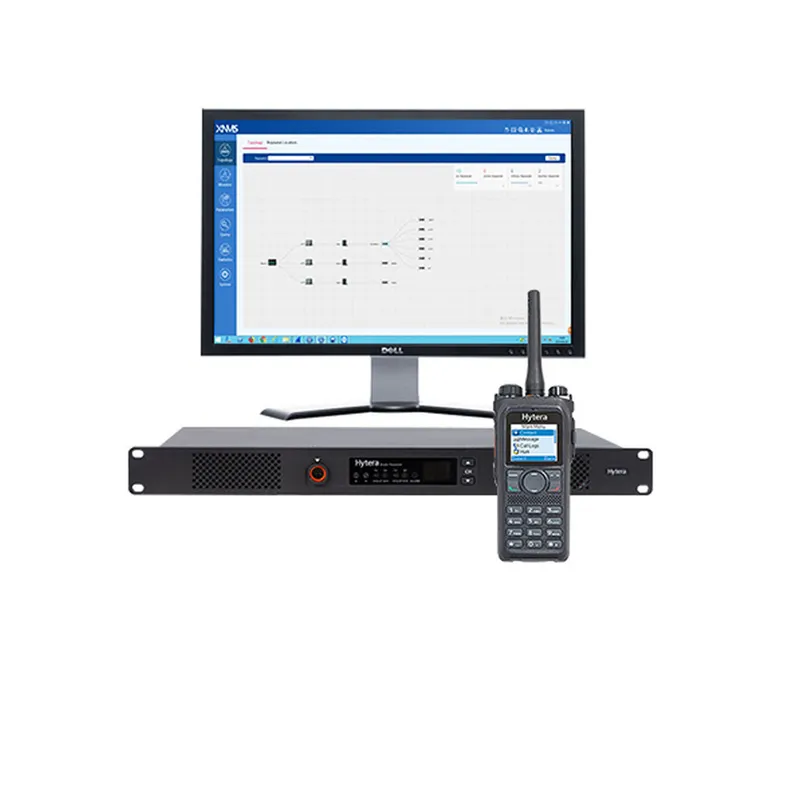
The Hytera product range, TechnoRF engineering, installation, maintenance, technical service and business continuity planning — brought together into a system designed for how your operation actually works.
We deliver not only what you need, but more than you expect .