TETRA Systems


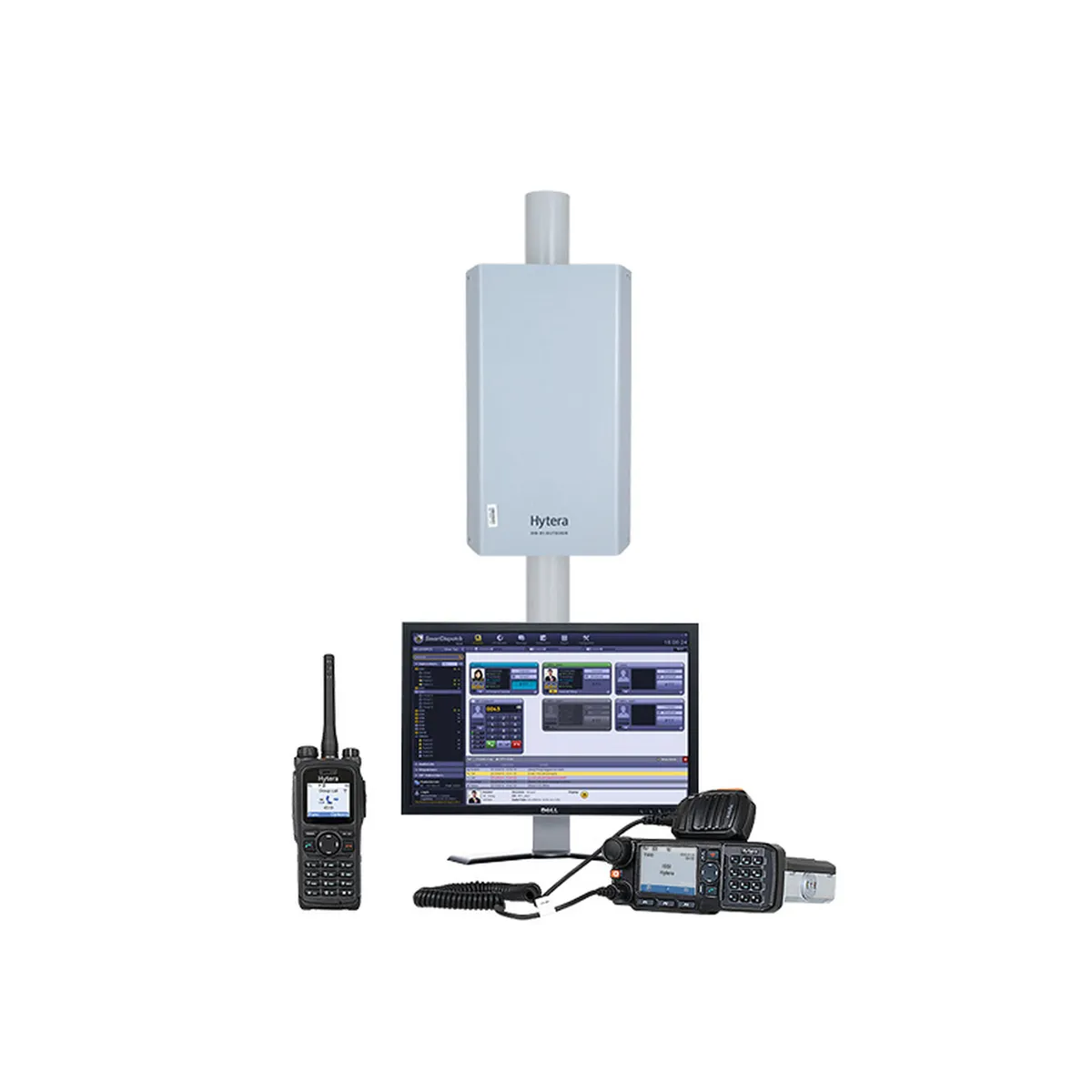
TETRA is usually specified for large networks, and that reputation puts it out of reach of operations that would benefit from its behaviour. The SMART architecture exists to close that gap.
That is a small network by TETRA standards and the right size for a factory, a mine, a small municipality or a port — operations that need call setup under 300 milliseconds and staged fallback, but not a national footprint.
Lower power consumption, which on remote sites decides the size of the solar array and the battery.
Fast commissioning, because there is less to configure and fewer elements to interconnect.
Simpler operation and maintenance, which matters most where there is no dedicated radio team.
Lower total cost of ownership, which is the honest reason a small operation chooses this over a full architecture.
Network management through a web-based NMS, with fast data download so the network responds immediately rather than after a polling cycle.
At more than five sites, or where the network must interoperate with a national public-safety system, the centralised or distributed architecture is the correct answer.
We deliver not only what you need, but more than you expect .