TETRA Systems


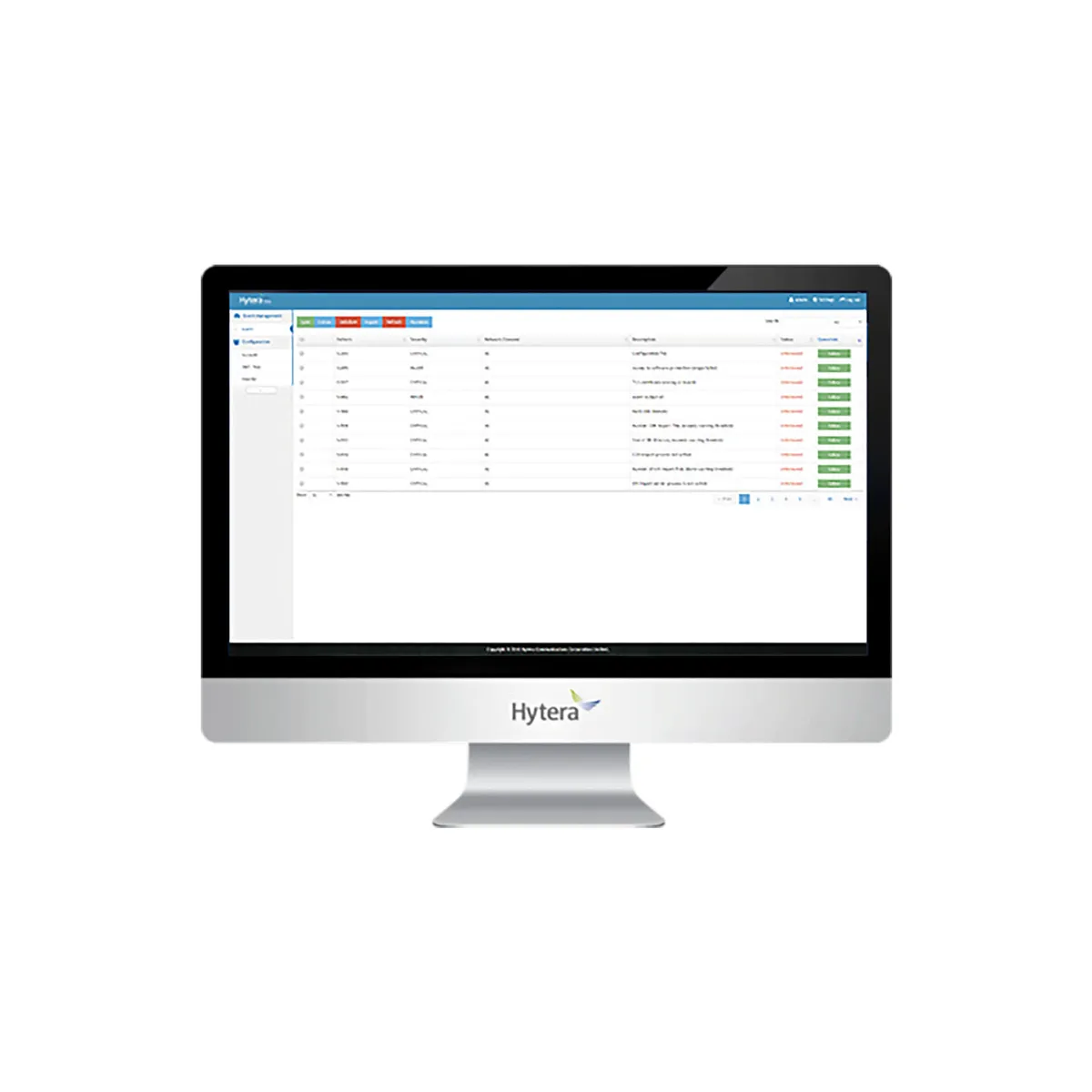
A network management system shows a fault to whoever is looking at it. TINS is what reaches the person who is not.
Monitors TETRA network elements continuously and, on any abnormality, sends an alarm as SDS to a TETRA terminal or as SMS to a mobile phone. Operators and maintenance teams learn about a problem immediately rather than at the start of the next shift, and the alarm carries enough detail to locate it.
Configurable shift plans and plan templates decide who receives what and when. This is the part that makes the system work in practice: an alarm sent to a distribution list at three in the morning reaches nobody, while one routed by the current shift plan reaches the person on duty.
Which network elements are monitored, which alarm events are reported and which external alarm inputs are included — all configurable. Without that control, a monitoring system generates more alarms than anyone reads, and the important one is lost among them.
Downtime is detection time plus response time. Most monitoring investment goes into detection, which is usually already adequate; TINS attacks the other half, and on a network that runs unattended overnight that is where the hours are. See support services.
We deliver not only what you need, but more than you expect .