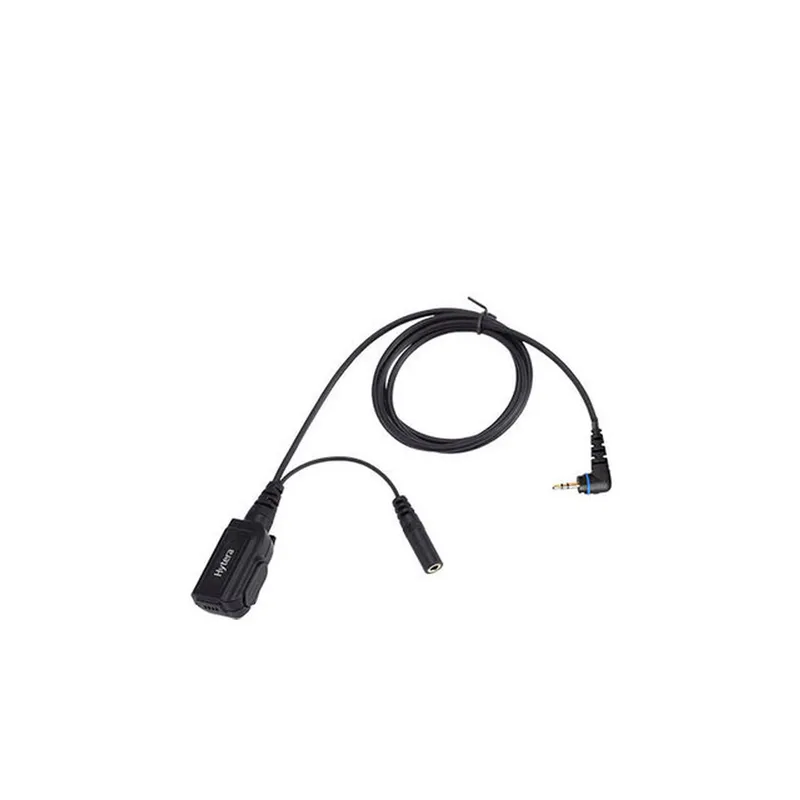
Hytera ACS01 PTT Microphone Cable


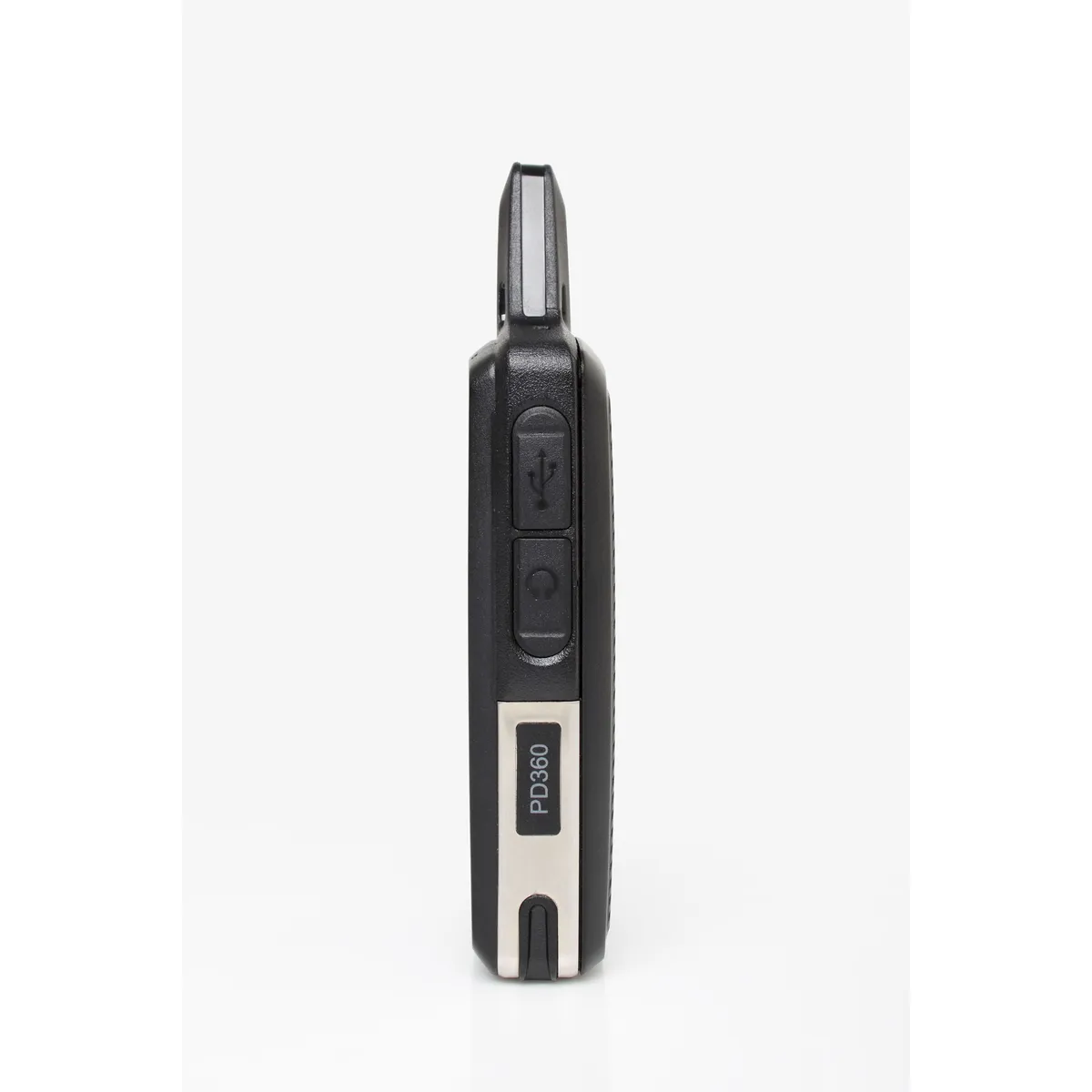
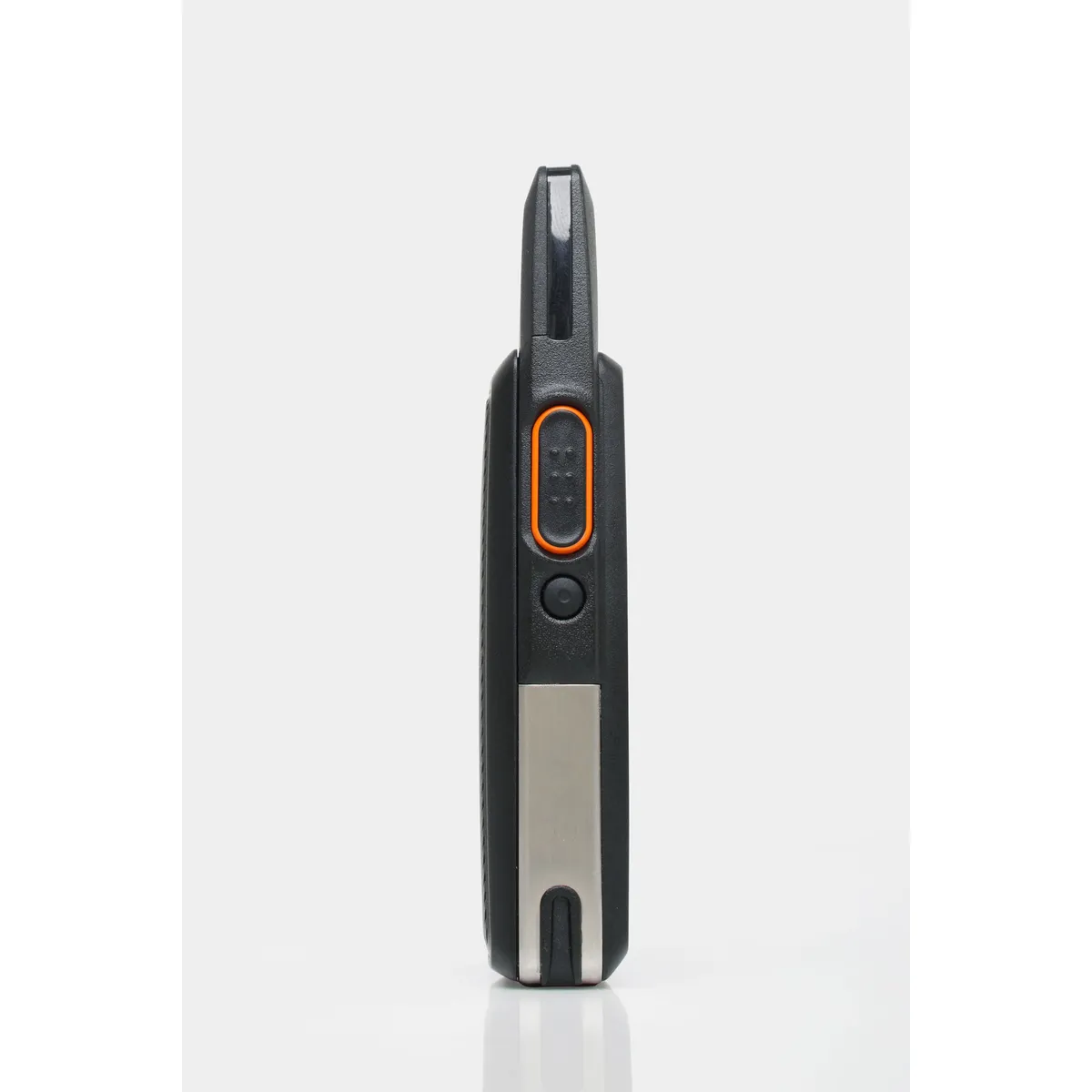
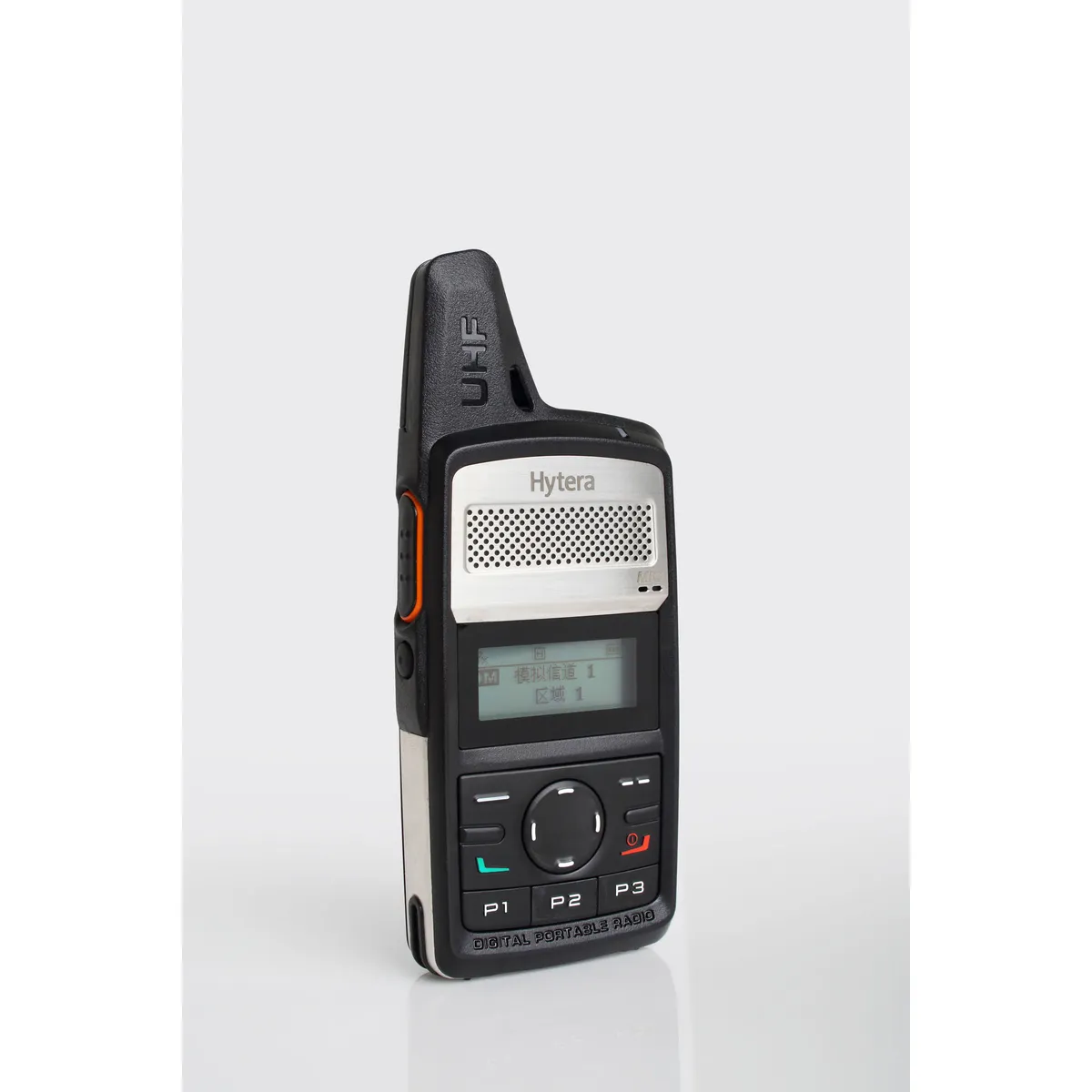
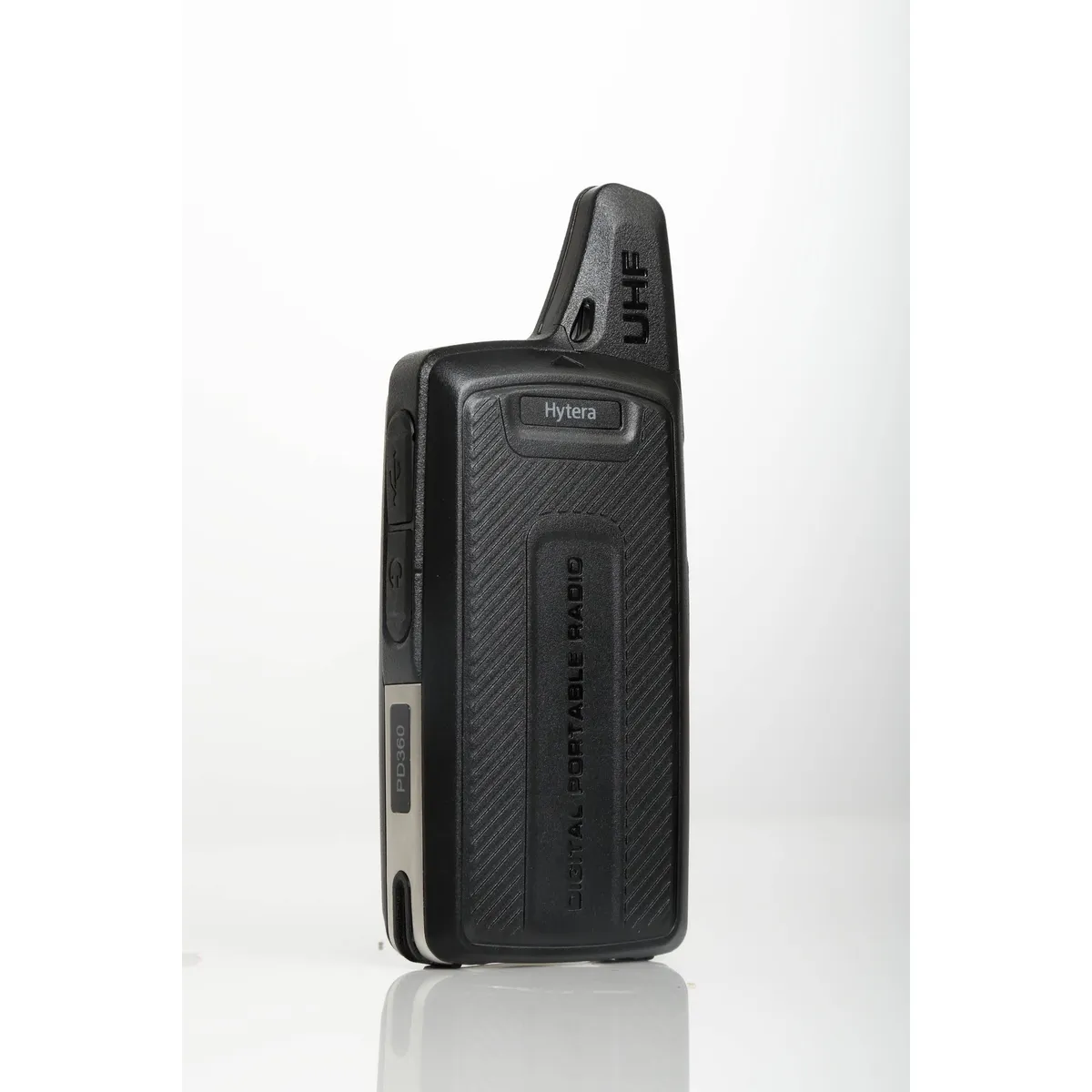
Only the technical values that differ between models are listed; identical rows are omitted. Values are taken from the manufacturer’s published data sheets.
| Property | Hytera PD365 Professional DMR Handportable Radio | Hytera BD505LF Licence-Free DMR Handportable Radio | Hytera PD365LF Professional Licence-Free DMR Handportable Radio | Hytera PD405 Professional DMR Handportable Radio |
|---|---|---|---|---|
| Frequency Range | UHF: 430-470 MHz | UHF: 446 MHz | UHF: 446 MHz (PMR446) | UHF: 400-470 MHz; VHF: 136-174 MHz |
| RF Output Power | UHF HP: 3 W; UHF LP: 1.5 W | 0.5 W | 0.5W | UHF: 4W/1W, VHF: 5W/1W |
| Channel Capacity | 256 | 48 | 16 | 48 |
| Zone Capacity | 16 | 3 | 1 | 3 |
| Battery | 2000 mAh (Li-ion) | 1500mAh (Li-ion); 2000mAh (Li-ion) | 2000 mAh (Li-ion) | 1,500 mAh (standard), 2,000 mAh (optional) |
| Battery Life | Analogue: ~11 hours, digital: ~15 hours | Analogue: > 17 hours; digital: > 20 hours (5/5/90 duty cycle, high power) | Analogue: > 10 hours, digital: > 12 hours | Analogue/digital: 10/15 hours (1,500 mAh); 14/20 hours (2,000 mAh) |
| Weight | 160g | 228 g (with BL1506 and antenna) | 160g | 270g |
| Dimensions (H×W×D) | 106 × 54 × 23 mm | 108 × 54.5 × 28 mm | 106 × 54 × 23 mm | 112 × 54 × 28 mm |
| Channel Spacing | 12.5 / 25 kHz | 25 kHz / 12.5 kHz | 12.5 / 25 kHz | 25 / 12.5 kHz |
| Operating Voltage | 3.7V | 7.4V | 3.7 V (nominal) | 7.4 V |
| Sensitivity (Analogue) | 0.18 μV (12 dB SINAD) | 0.18μV (12 dB SINAD) | 0.18 μV (12 dB SINAD) | 0.18 μV (12 dB SINAD) |
| Sensitivity (Digital) | 0.18 μV / BER 5% | 0.18μV / BER 5% | 0.18 μV / BER 5% | 0.18 μV / BER 5% |
Hytera ACS01 PTT Microphone Cable
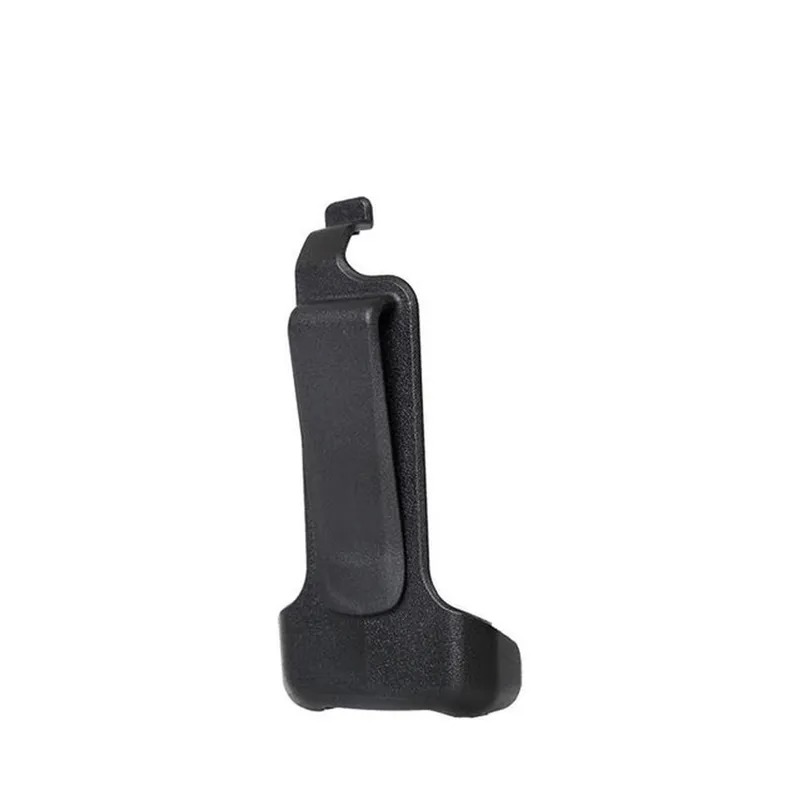
Hytera BC21 Carry Clip
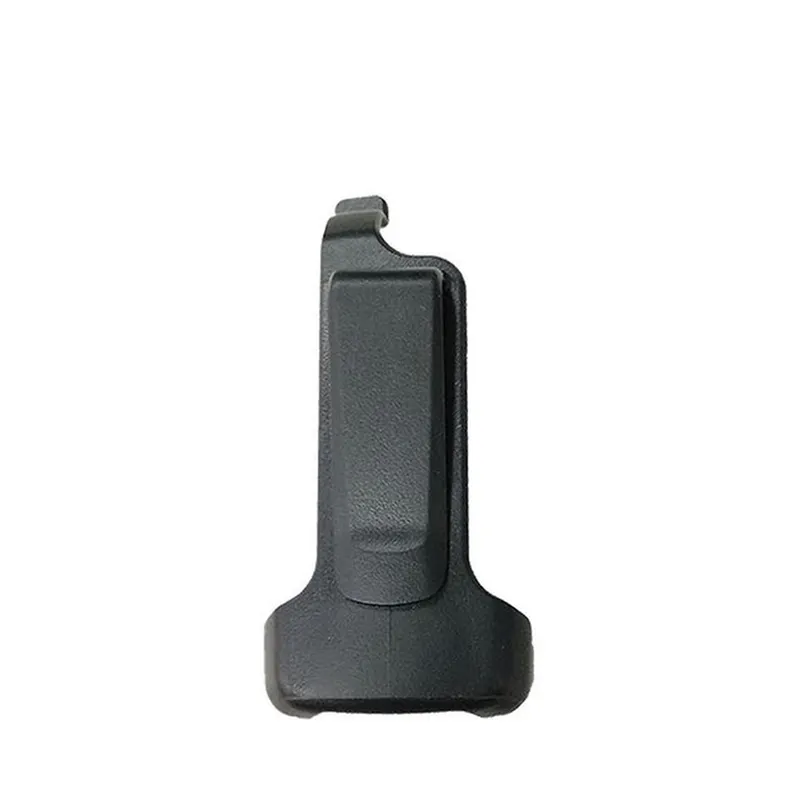
Hytera BC29 Carry Clip
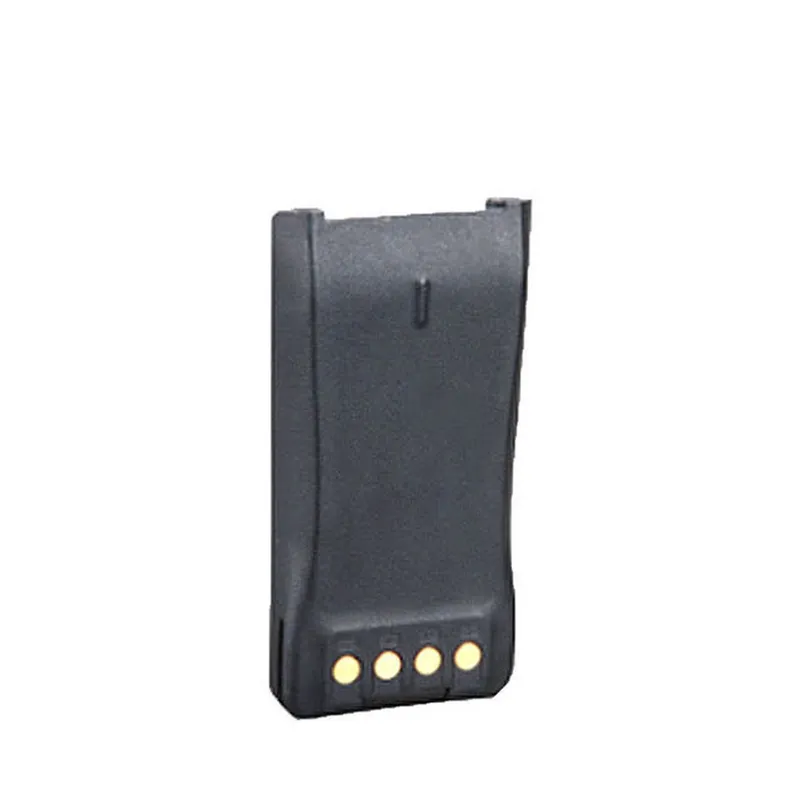
Hytera BL2008 Li-Ion Battery 2000 mAh
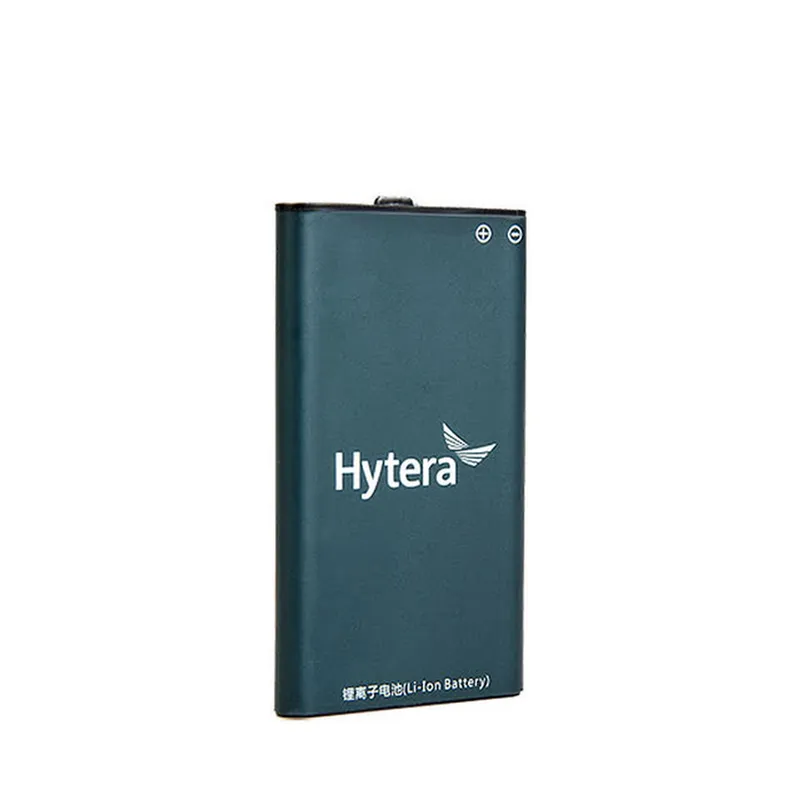
Hytera BL2009 Li-Ion Battery 2000 mAh
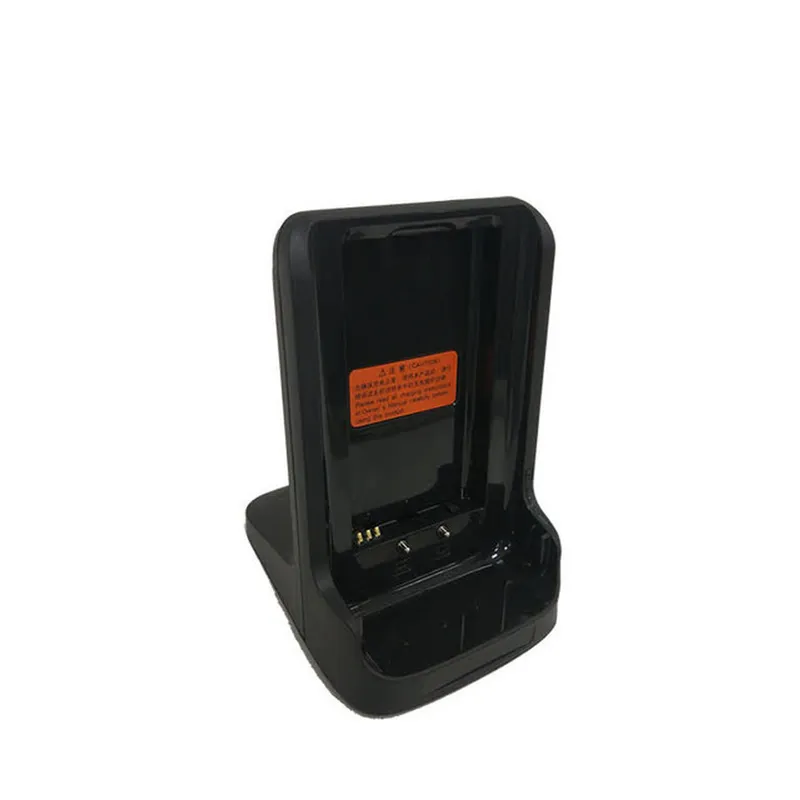
Hytera CH10L24 Desktop Charger
Hytera EA01 Single-Wire Receive-Only Acoustic Tube Earpiece
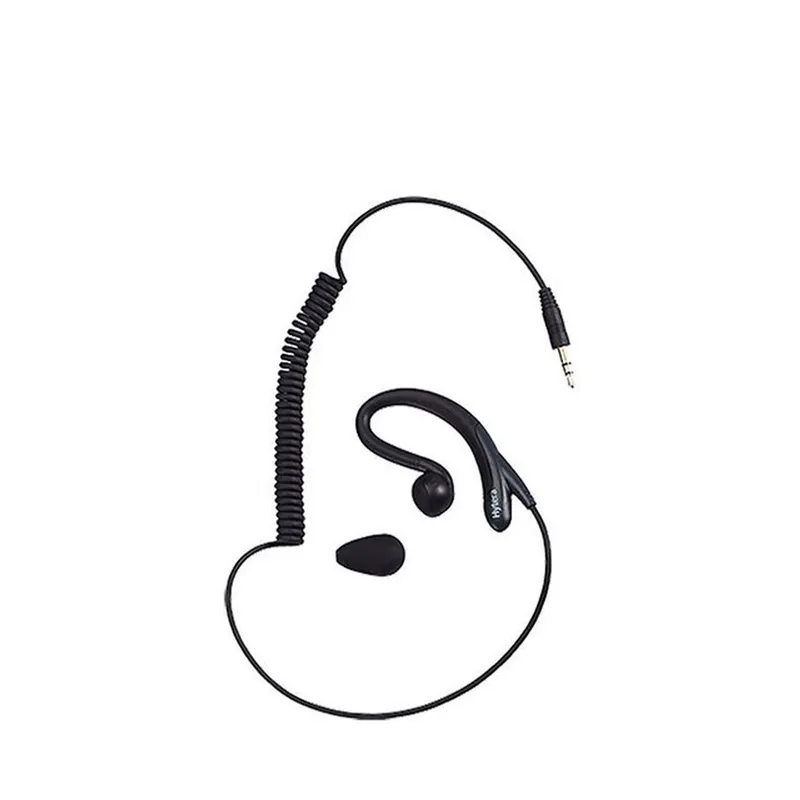
Hytera EH01 Receive-Only Earpiece
Hytera EH02 Receive-Only Earpiece
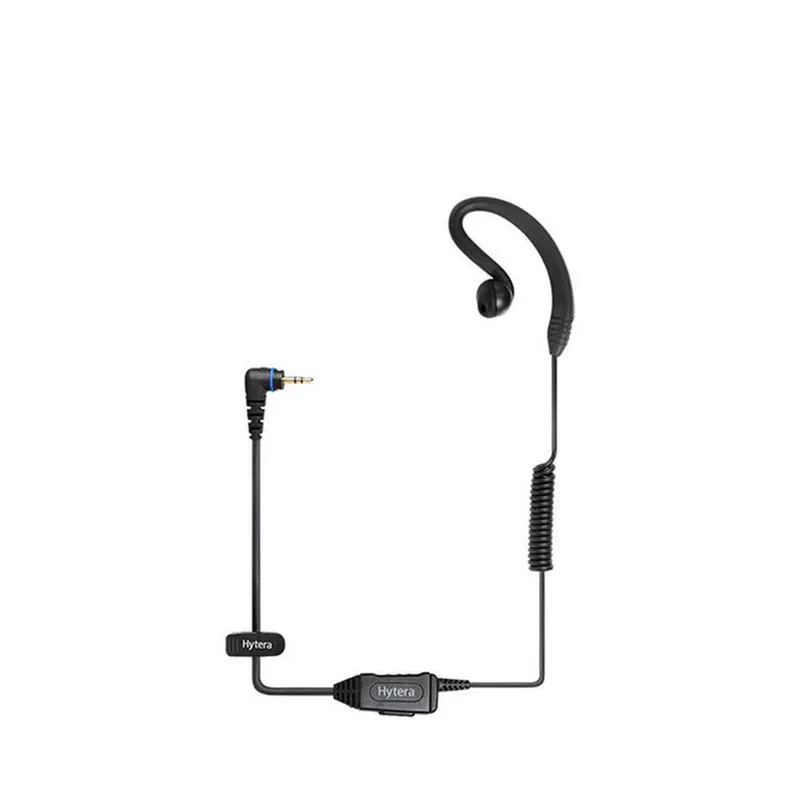
Hytera EHS16 C-Style Earpiece with In-Line Microphone
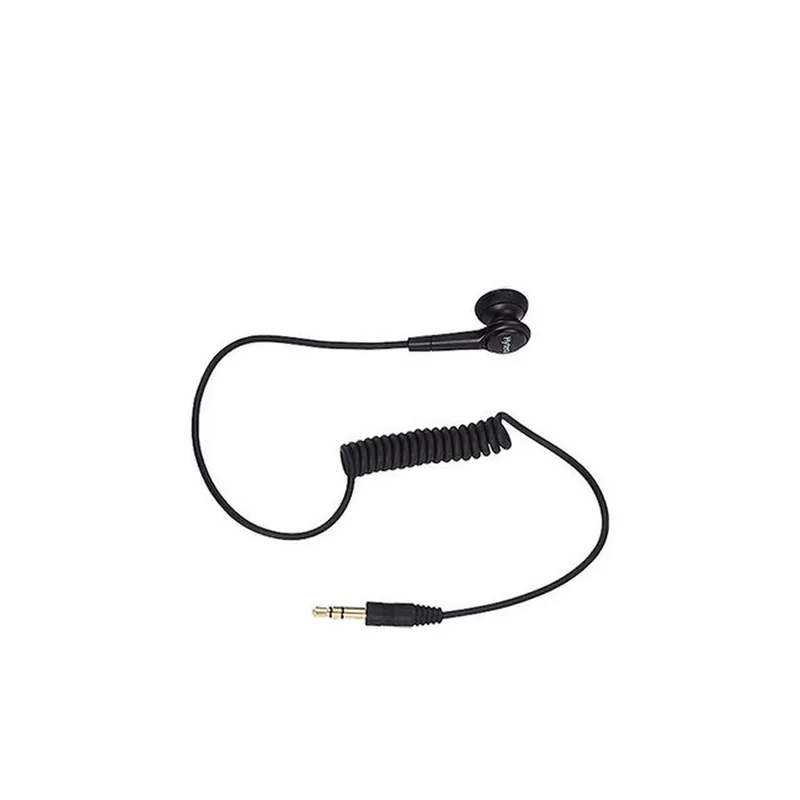
Hytera ES01 Receive-Only In-Ear Earpiece
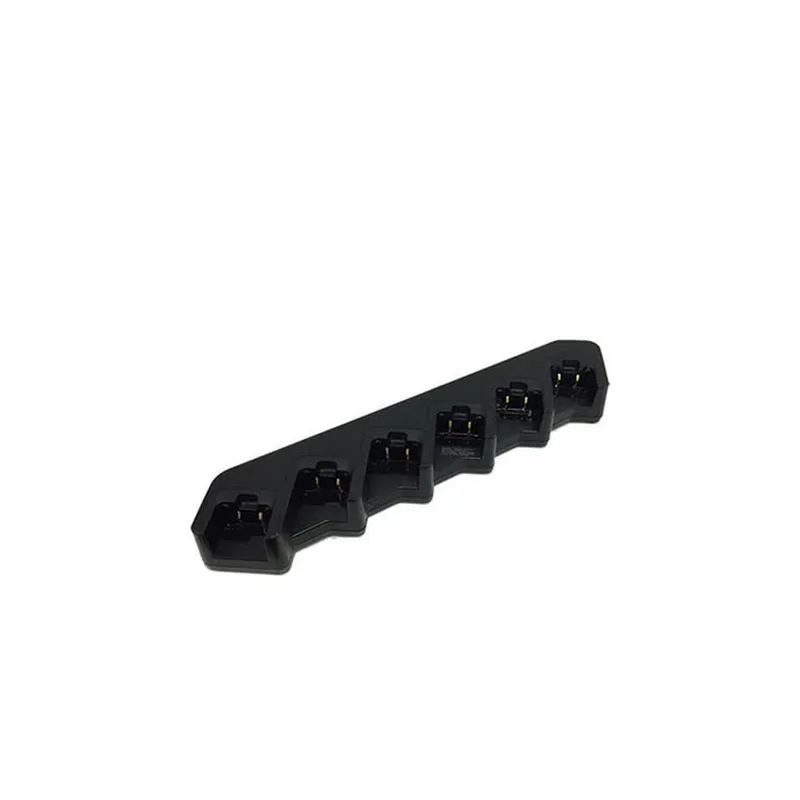
Hytera MCL22 Multi-Unit Charger
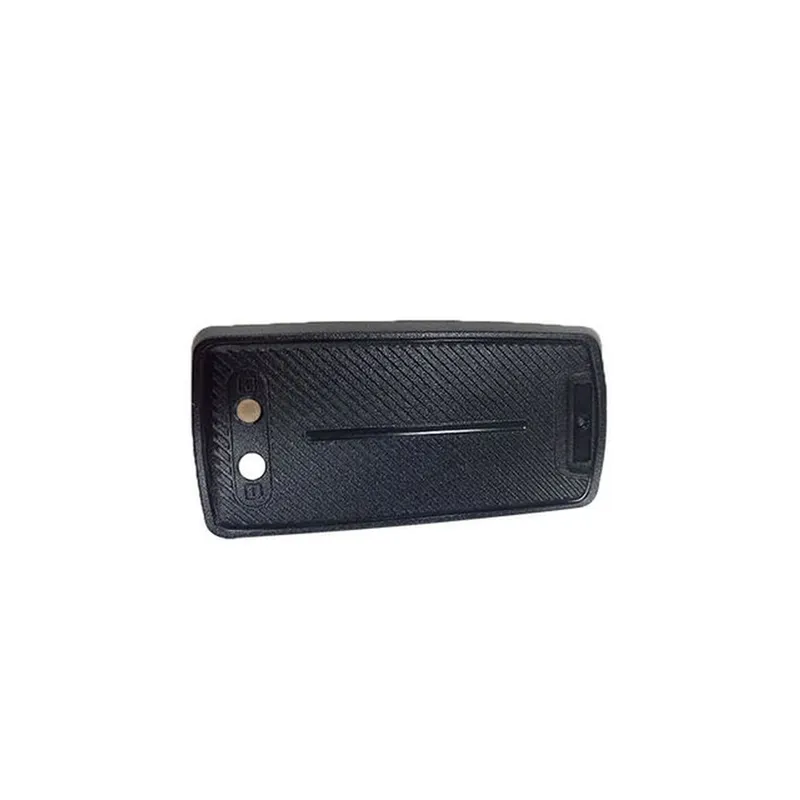
Hytera POA129 Battery Cover with Contact Charging
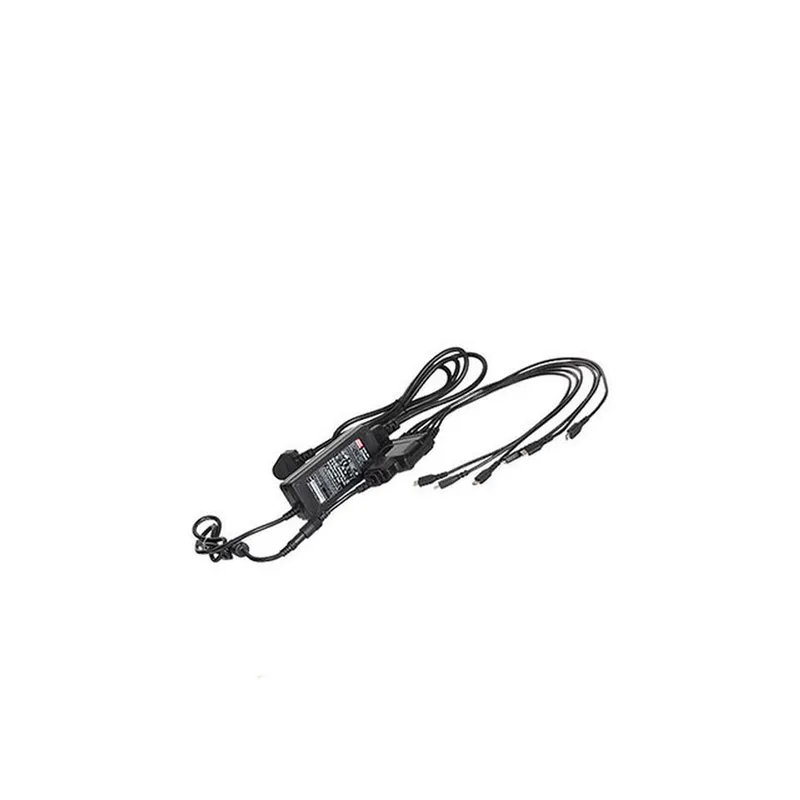
Hytera PS6001 Switching Power Adapter for Six-Unit Charger
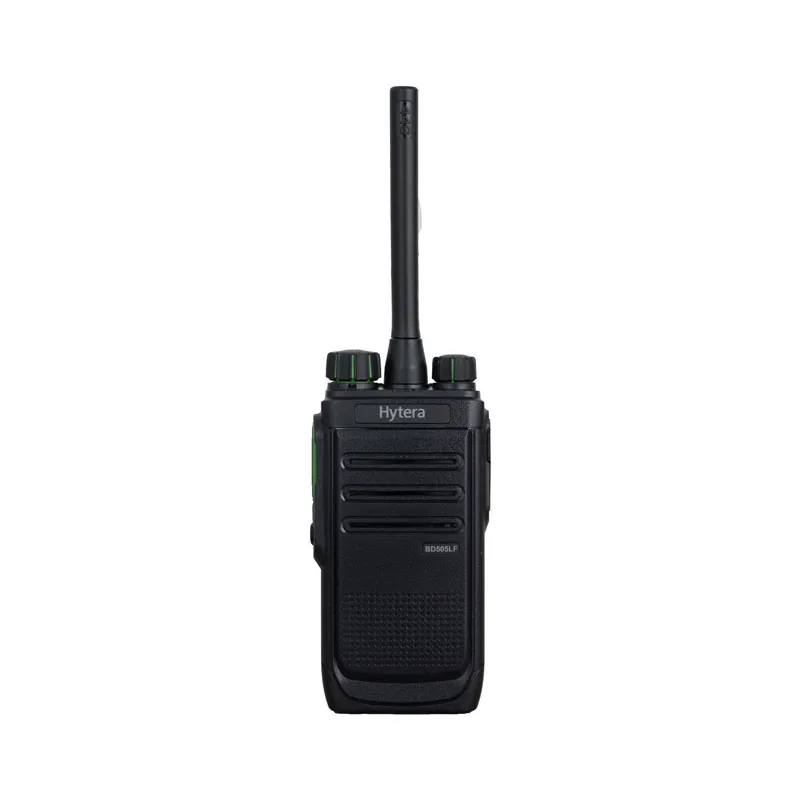
Hytera BD505LF Licence-Free DMR Handportable Radio
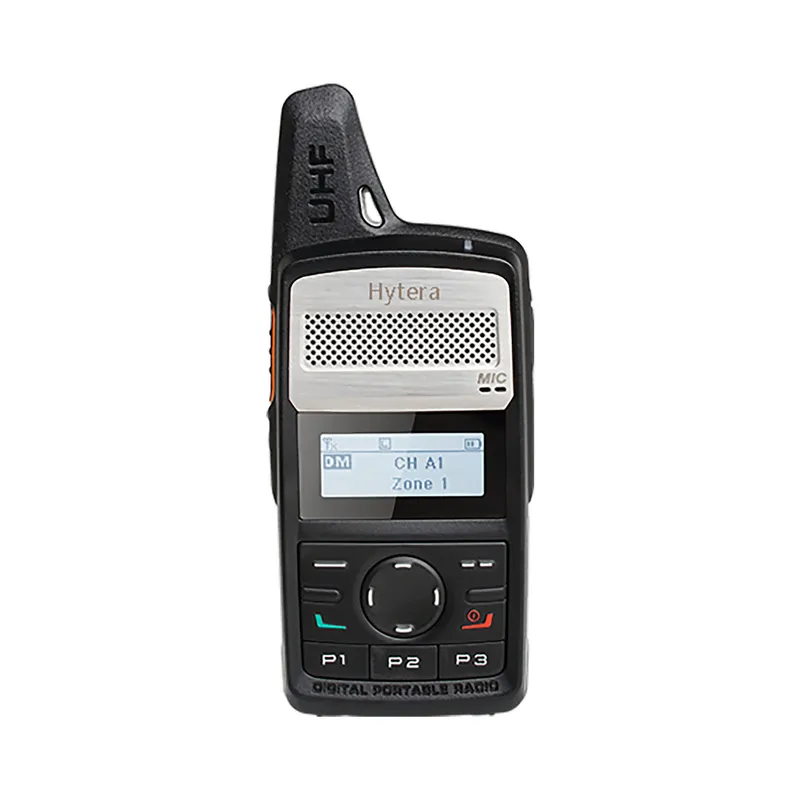
Hytera PD365LF Professional Licence-Free DMR Handportable Radio
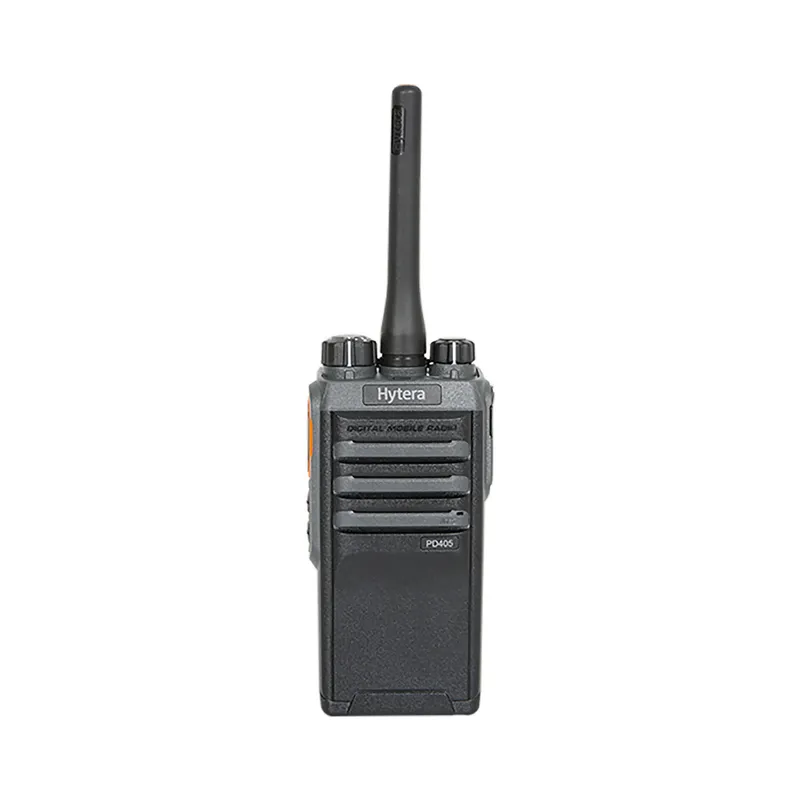
Hytera PD405 Professional DMR Handportable Radio
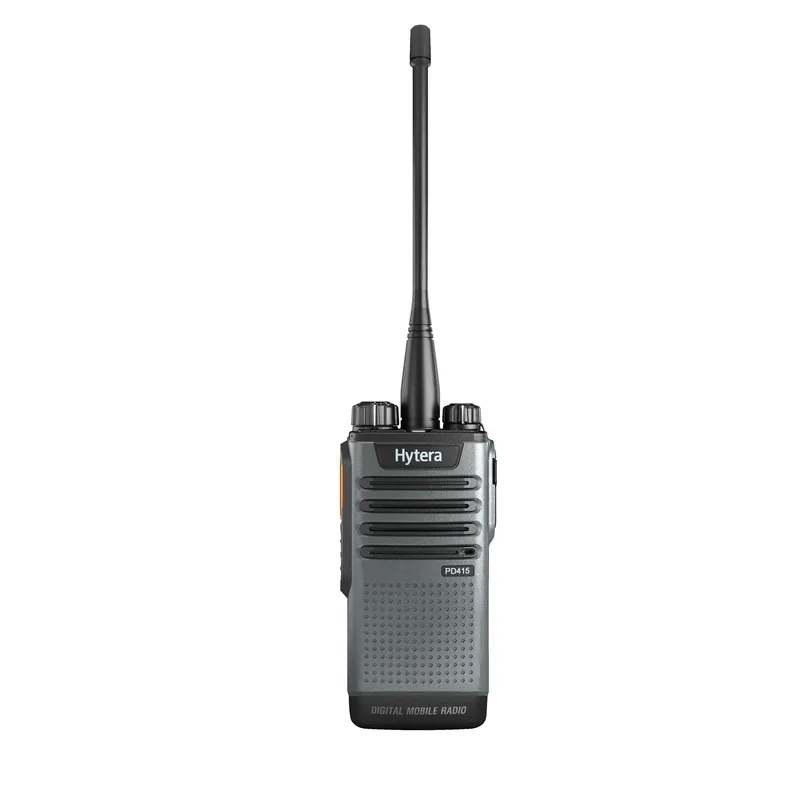
Hytera PD415 Professional DMR Handportable Radio
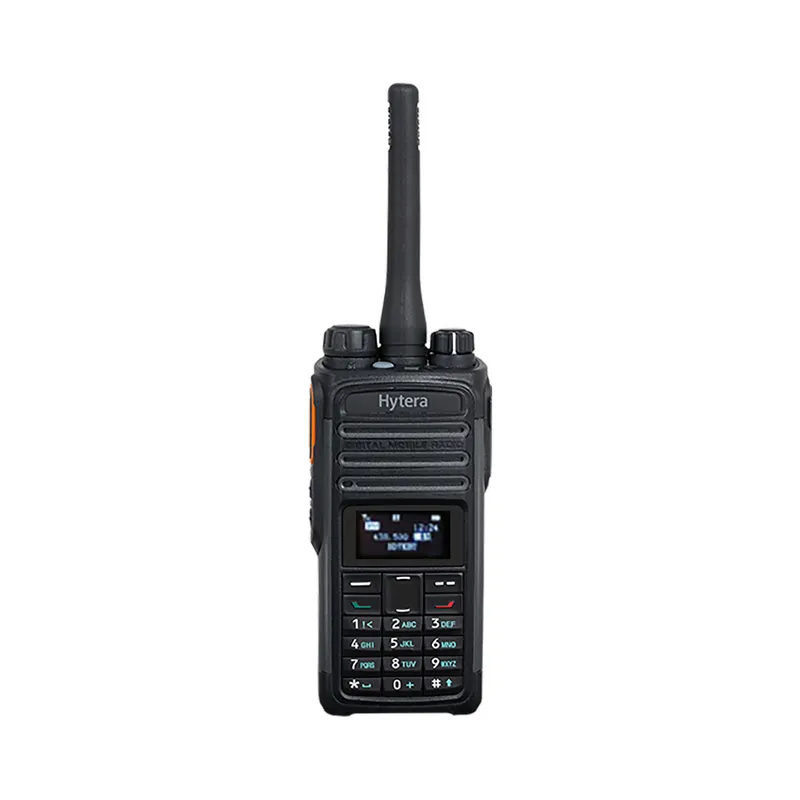
Hytera PD485 Professional DMR Handportable Radio
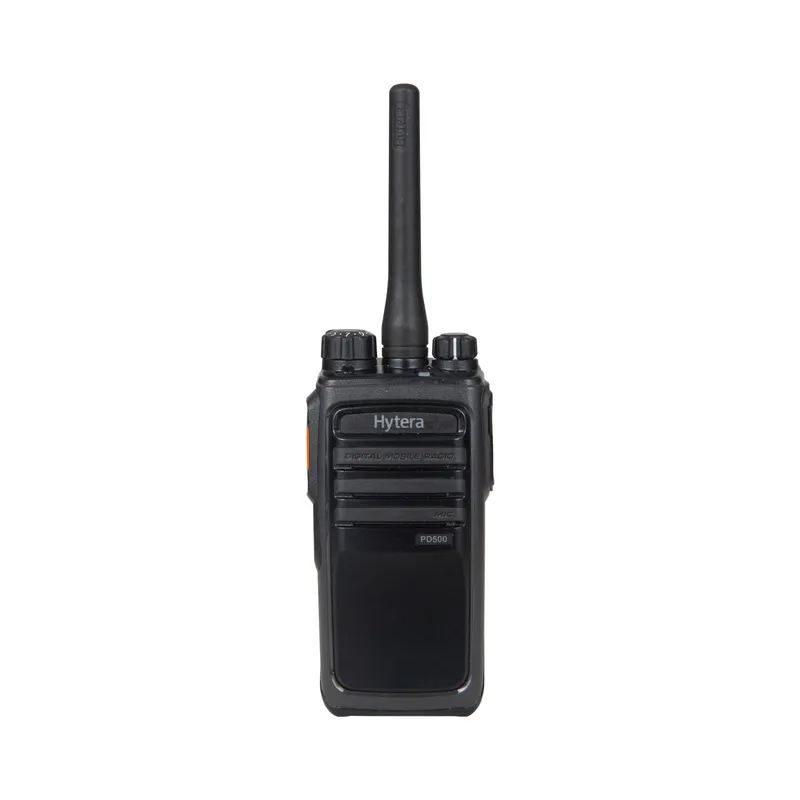
Hytera PD505LF Licence-Free DMR Handportable Radio
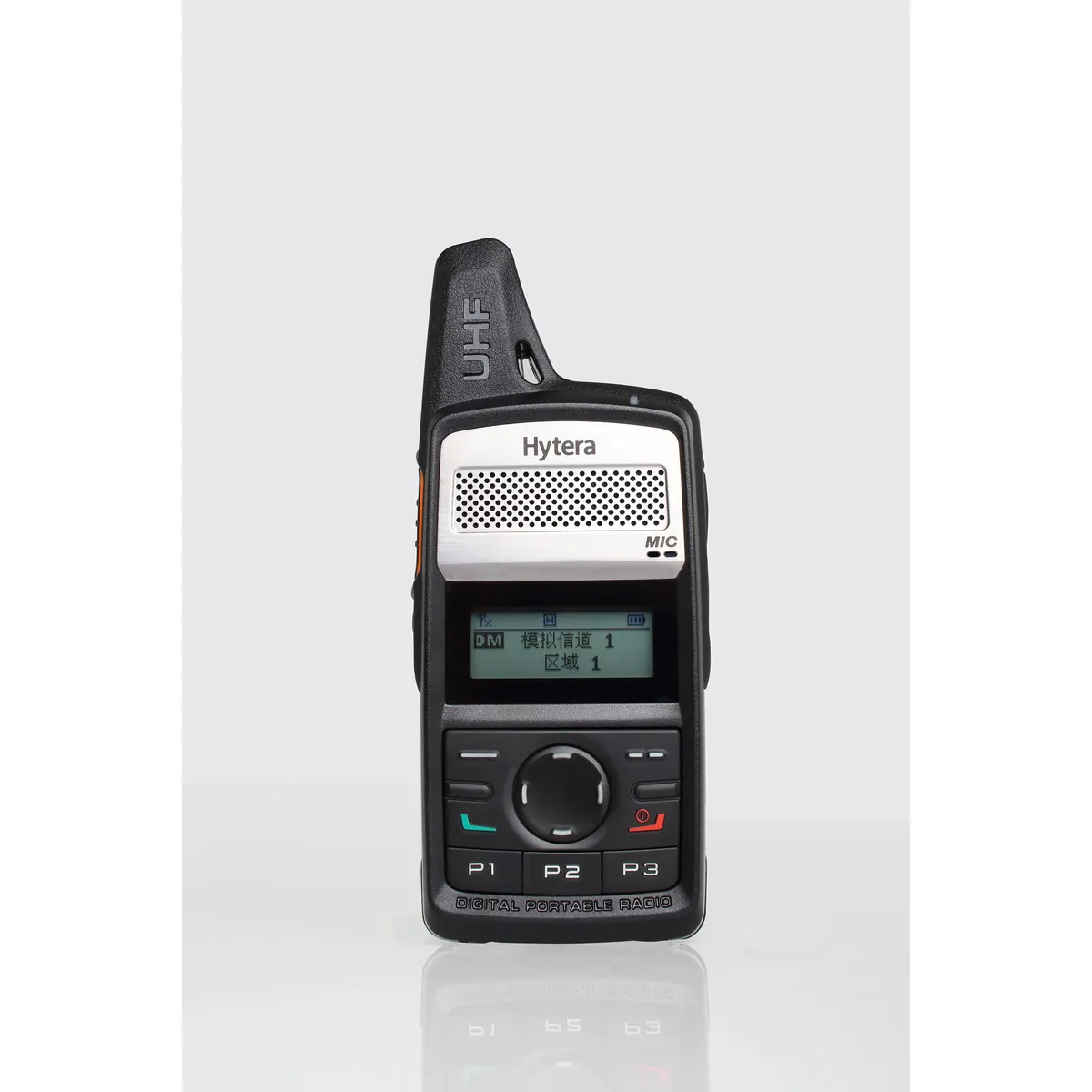
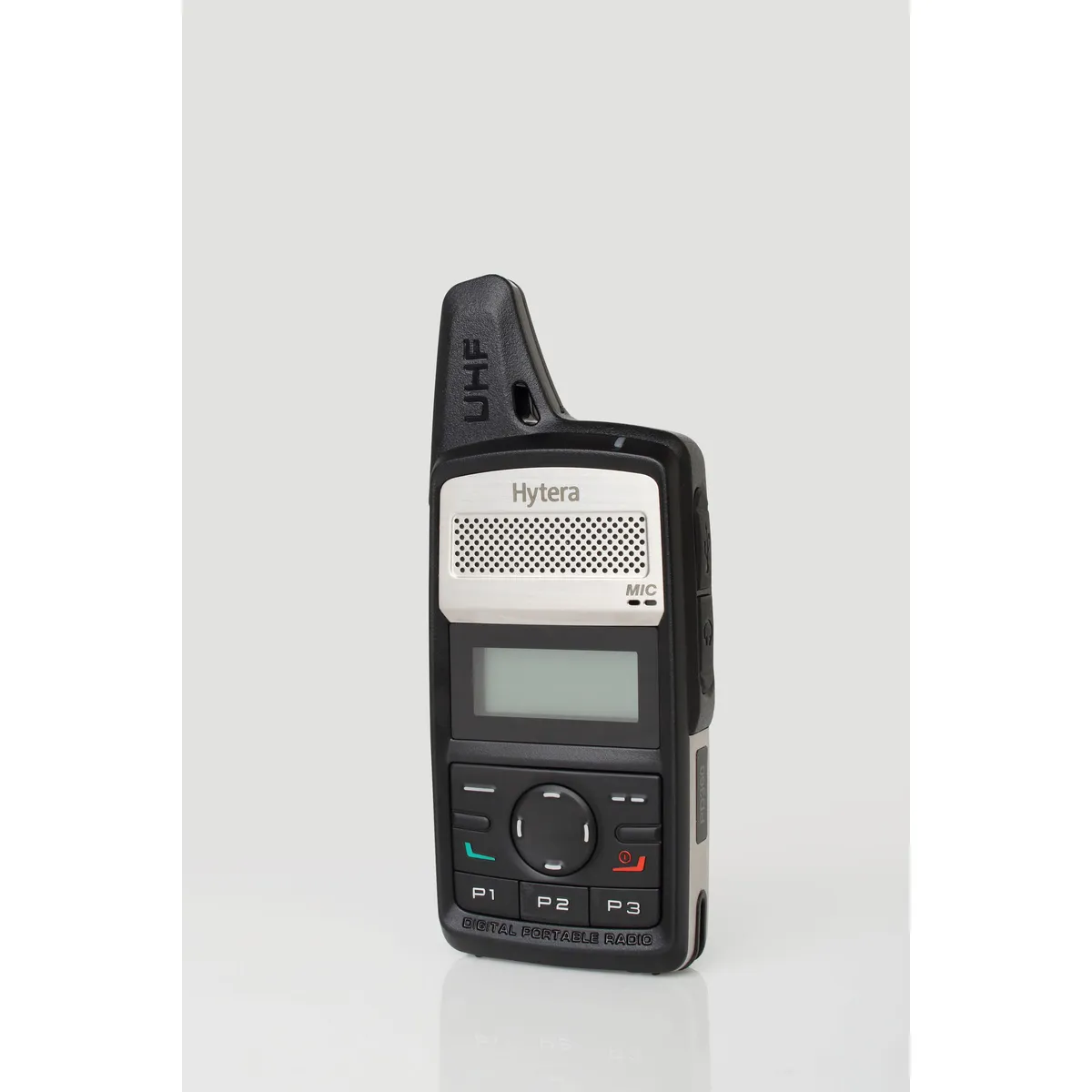
The Hytera PD365 operates across UHF: 430-470 MHz. UHF passes between walls and obstructions more readily, which is why it is preferred inside buildings, industrial plants and dense urban areas.
RF output power is UHF HP: 3 W; UHF LP: 1.5 W. More power is not automatically better: it extends range and shortens battery life at the same time. Teams working close to a repeater are usually served by the low setting, which also lengthens the shift.
Capacity is 256 channels across 16 zones. A zone is a page of grouped channels — separate zones are defined for different sites, different shifts or joint working with another organisation. On a multi-site system that grows, this is what lets the channel plan be extended without a rebuild.
Battery 2000 mAh (Li-ion), with a manufacturer-quoted life of Analogue: ~11 hours, digital: ~15 hours. That figure is measured against the 5/5/90 duty cycle: 5% of the time transmitting, 5% receiving, 90% standby. High power, analogue mode and cold weather all shorten it.
Receiver sensitivity is 0.18 μV / BER 5%. Sensitivity states how weak a signal the radio can still decode, and a lower number is better. At the edge of coverage it determines range as much as transmit power does — communication usually fails not because the other party cannot hear, but because the radio cannot decode a weak signal.
Operating temperature range is -30°C ~ +60°C.
We deliver not only what you need, but more than you expect .